
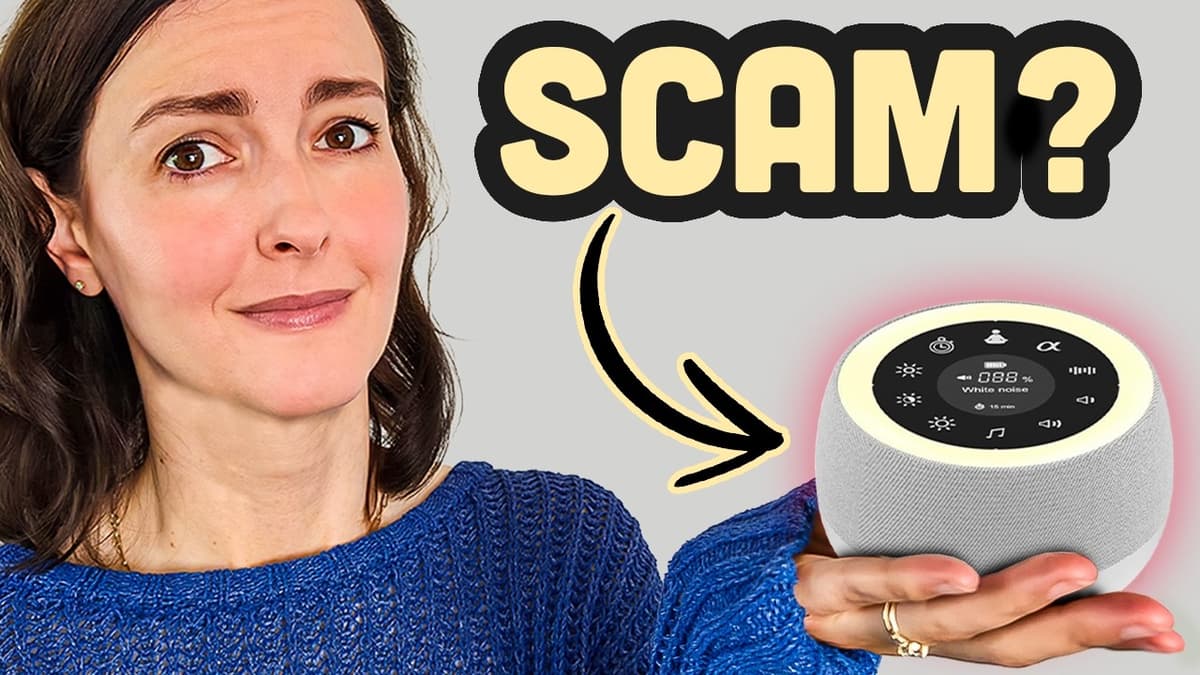
Are White Noise Machines a Scam?
The video investigates whether white‑noise machines truly aid sleep, contrasting a wave of sensational headlines with the underlying scientific literature. It highlights two systematic reviews that conclude the evidence for white or pink noise improving adult sleep is weak and inconclusive, despite a market valued at over a billion dollars. Key problems identified include wildly varying sound levels—from a whisper‑like 20 dB to a damaging 93 dB—poorly defined frequency specifications, heterogeneous participant groups, tiny sample sizes, and the difficulty of blinding participants to audible interventions. These methodological flaws undermine the reliability of existing findings. A recent FAA‑funded laboratory study published in *Sleep* offers a more rigorous test: 25 participants experienced six conditions, including pink noise at 40‑50 dB and earplugs. The results showed pink noise actually reduced REM sleep by about 19 minutes and failed to offset environmental noise, while earplugs restored sleep quality up to 55 dB. The authors also noted participants were noise‑naïve, suggesting possible habituation effects over time. The takeaway for consumers and investors is clear: white‑noise devices are not a proven sleep solution, though they may provide subjective comfort for some users, especially in noisy environments. Until higher‑quality, long‑term trials emerge, marketers should temper claims, and users should consider low‑cost alternatives like earplugs or personalized soundscapes.

The Honest Truth About Screens at Bedtime (It’s Not What You Think)
The video overturns the long‑standing "no screens an hour before bed" mantra, arguing that the rule is not firmly backed by recent sleep science. The presenter, a sleep researcher, explains that blue‑light exposure does suppress melatonin, but the downstream impact...