
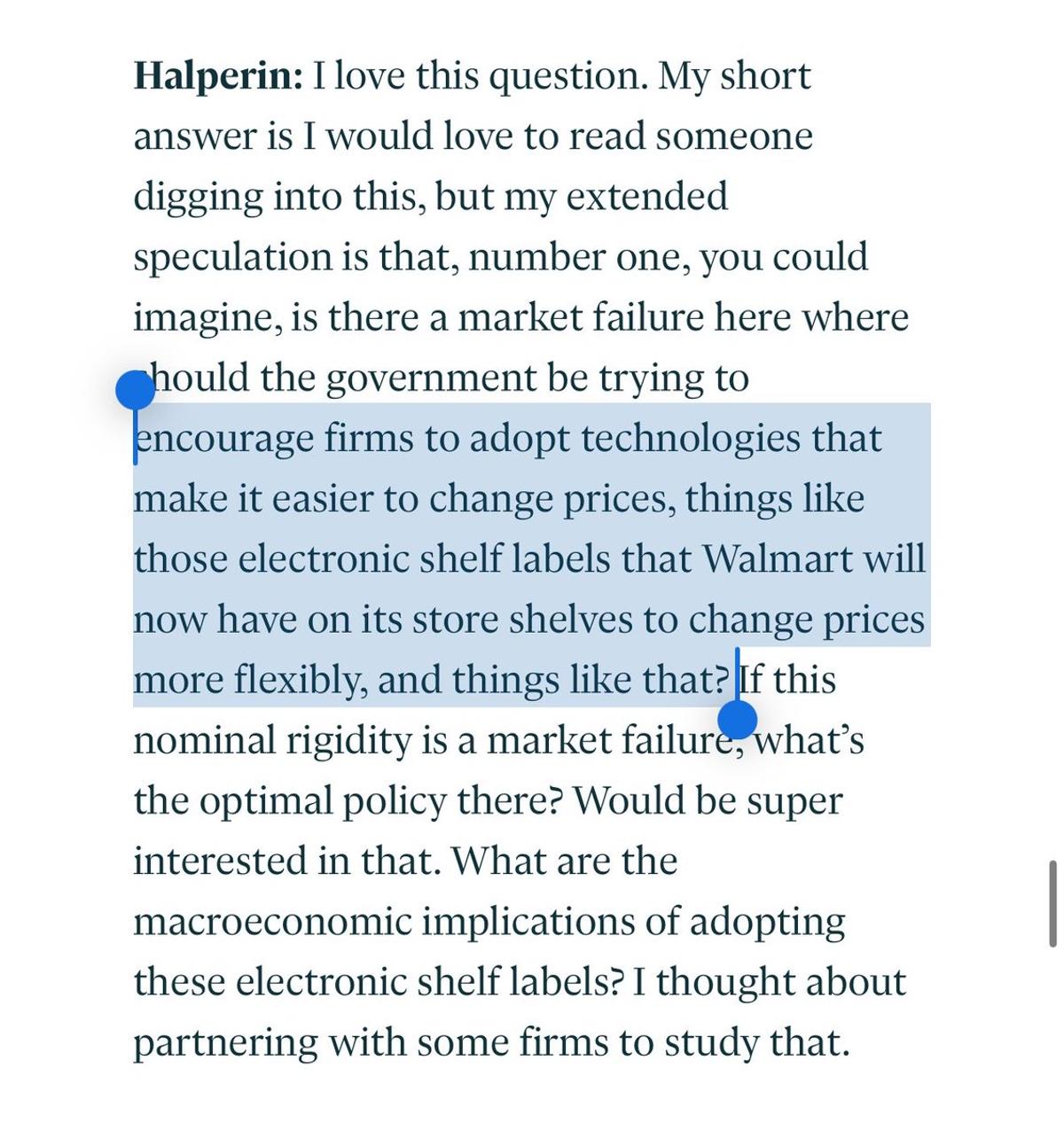
Uncertain About Subsidizing Electronic Shelf Labels
I’m not saying @BasilHalperin is right that we should subsidize electronic shelf labels. I’m just not saying he’s not right. https://t.co/YbS8Z7k0Pf

AI Frees Labor, but Wealth Still Returns to People
Will AI take all the jobs? Will humans go the way of the horse? We need to ask, what happens with the freed-up time and money? Historically and so far with AI, at every level (tasks, jobs, sectors), the saved dollar keeps...

Don’t Debate Policy without First Grasping the Paper
There are lots of interesting things about this paper to discuss. What exactly are they identifying and how does that map to the counterfactual policy proposals people debate? You’ll get none of that from types trying to score some dunk...
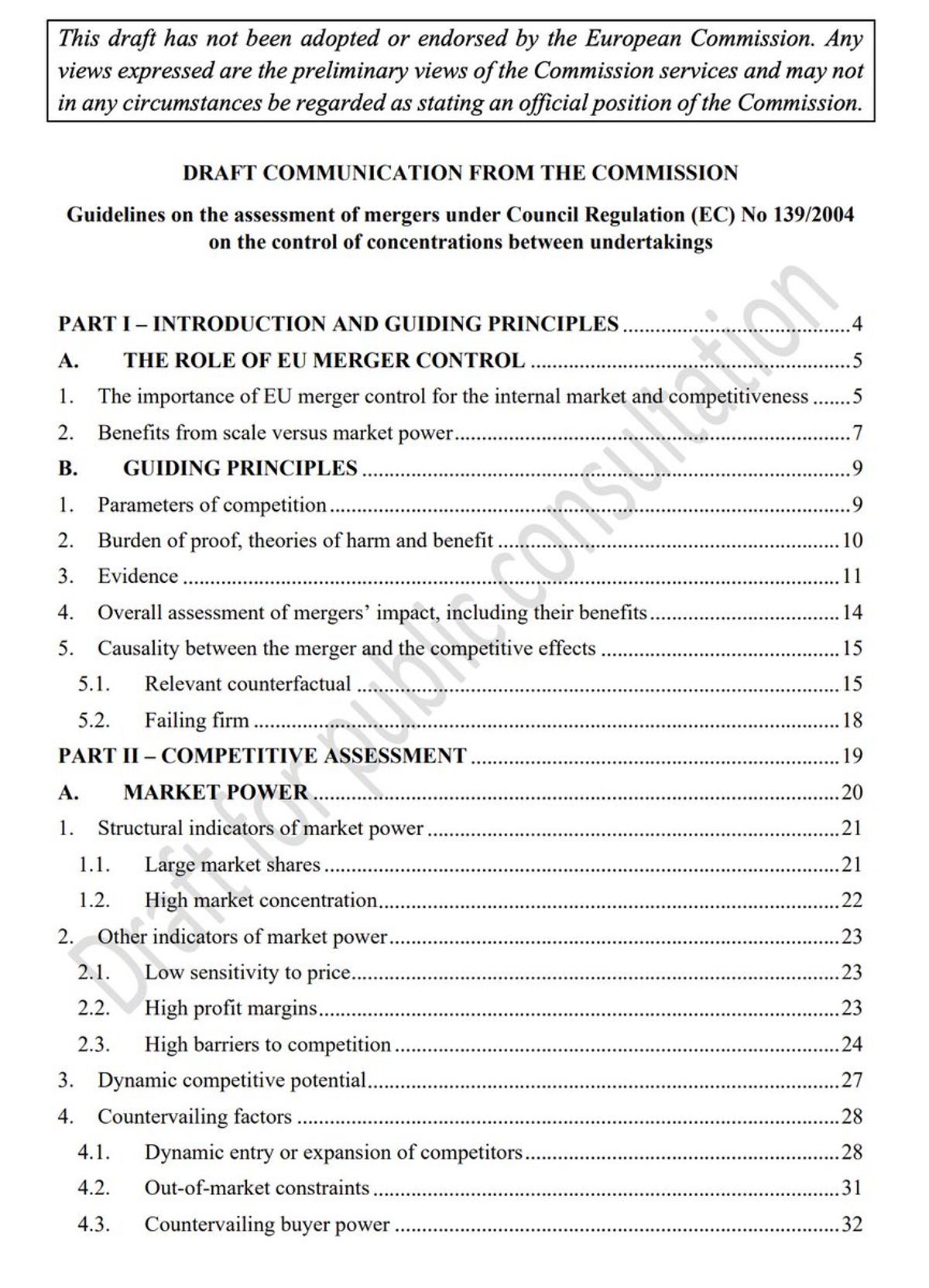
EU Draft Shows Diverging Economic Directions in Two New Provisions
So we have new draft EU guidelines. There is lots to dig into. 90 pages. Most of it is housekeeping. But I think there are two provisions that are genuinely new economics, and they point in opposite directions. https://t.co/cpLrLFuCI0
Amazon's MFN Isn't Collusion, Antitrust Claim Overblown
Stacy and the CA AG say this is "blatant price fixing." It's not. The framing is doing work the evidence doesn't. It's argument by winks and nods. Most of what's quoted is Amazon enforcing a de facto MFN. "Don't let us...

No Evidence Juries Improve Outcomes Beyond Vague Enforcement Claims
What's missing from this: any argument that juries reach better outcomes by any metrics besides some vague comments that more enforcement is better https://t.co/Pqvp2WnMGx
Pricing Discretion Doesn't Equal Antitrust Market Power
Klein (1993) is supposedly on tying. It's so much more. Holdups, market power definitions. The nugget throughout is that pricing discretion is not the same thing as antitrust market power. I'm over at @TOTMblog on this foundational paper https://t.co/uhhV5pLuDn
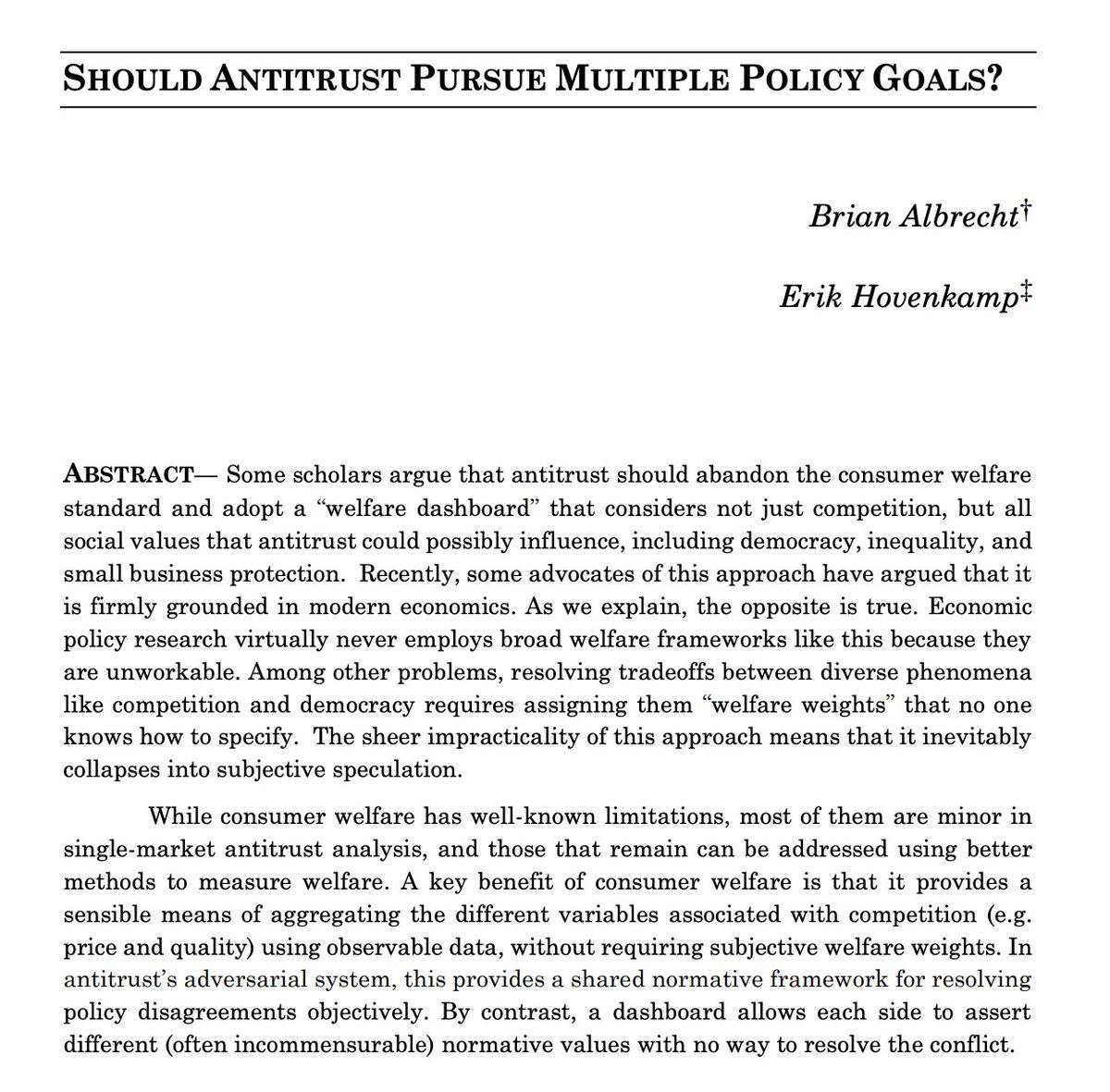
Proposed “Dashboard” Dilutes Consumer Welfare, Mislabels Economics
Some scholars want to ditch consumer welfare for a "dashboard" that also weighs democracy, inequality, small business, privacy, and more. They claim it's grounded in modern economics. It isn't. New paper with @ErikHovenkamp, forthcoming at George Mason Law Review https://t.co/NpYTzcnt44
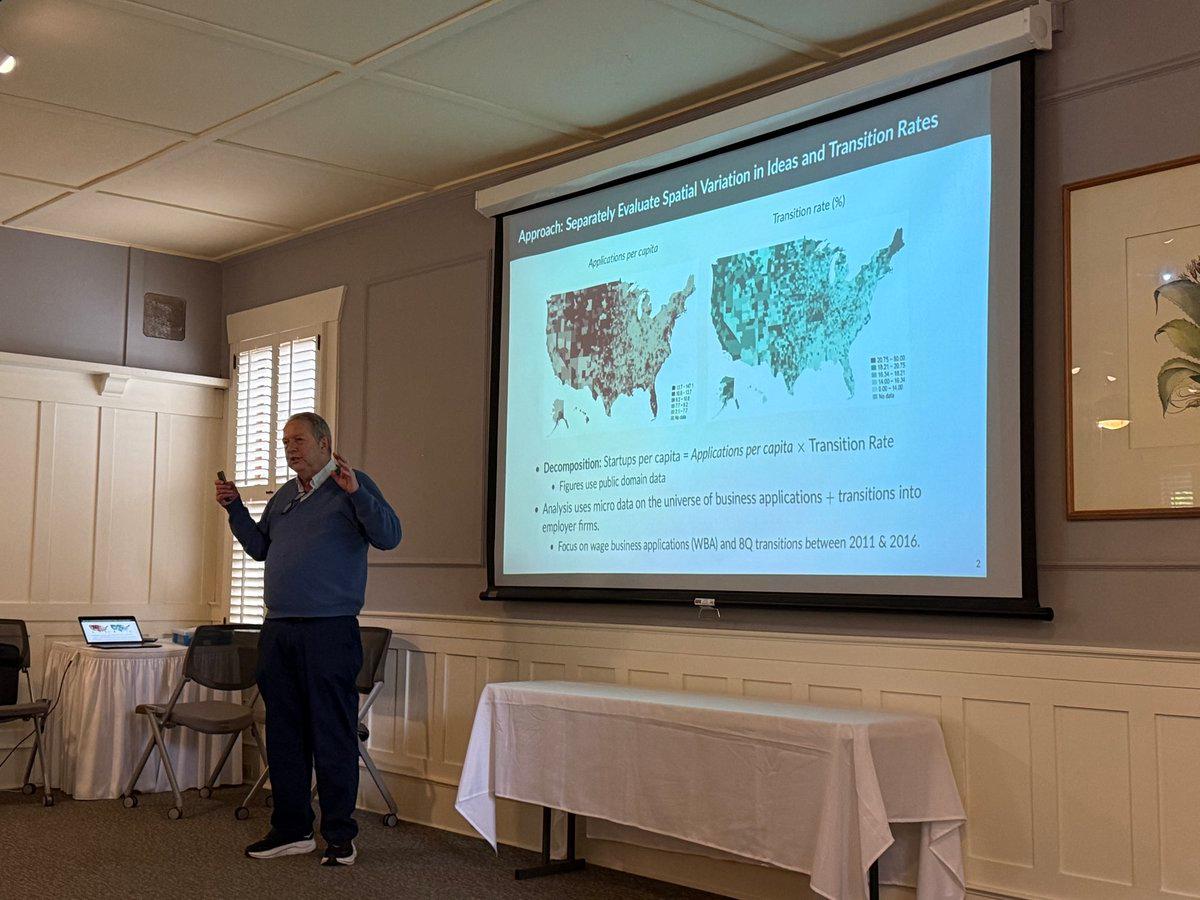
New Data Illuminates Business Formation Stages at Conference
We are starting day 2 of LAEF/@LawEconCenter’s Market Power conference John Haltiwanger is helping build the data to better understand the stages of business formation https://t.co/TvJgsb1gNK

FTC Forces Visa to Police Banks' Account Closures
"IOW, the FTC isn't just telling Visa not to debank people; it's telling Visa to police its bank customers' individual account-closure decisions—decisions Visa has no visibility into and no practical ability to control."

Oil Price Spikes Can Boost US Economy
People assume oil shocks are bad. But is that true for the US? After all, we are net exporters. This week's newsletter works through some simple models and calculations https://t.co/wohddXGXAR

Early Antitrust Action Prevents Monopoly Power
It’s because they had a monopoly. If only competition authorities had stepped in when they first wanted to

Rigid European Labor Markets Hinder Demand Shock Response
Why are Europe’s rigid labor markets so bad? They turn a flow into a stock, which generates not great reactions to demand shocks. https://t.co/TqgDgtU9nj

Cintrini Resorts to Zandi’s Stats Amid Worsening
Just when you think it can’t get worse we got Cintrini appealing to Zandi “stats”

AI Boosts Productivity, Unemployment Fears Misguided
Looks like a model of AI induced unemployment but complete nonsense. there’s AI actually augmenting labor productivity and some separate labor demand shock (even though labor demand is derived demand from productivity)