
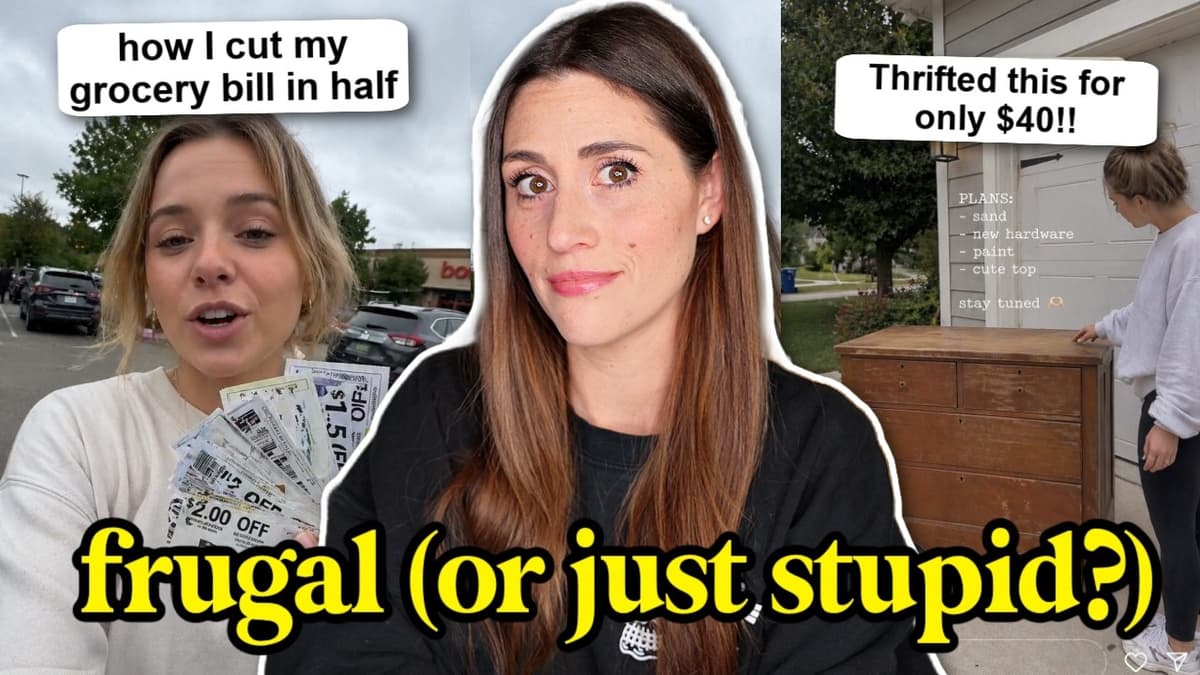
11 “Frugal” Habits That Actually Keep You Broke
The video challenges popular "frugal" habits that actually drain wallets, grouping them into neglect, waste, and lifestyle traps. It argues that short‑term cost avoidance often creates larger expenses later, turning supposed savings into hidden losses. Key examples include the "boots theory"—buying $10 shoes that wear out after a season versus a $50 pair lasting a decade—illustrating how upfront price focus ignores long‑term value. Other neglect traps highlighted are renting storage units for unused items and hoarding goods to resell, both of which add recurring fees and mental clutter despite depreciated worth. The presenter cites consumer‑behavior research on review bias, the endowment and IKEA effects, and a Reddit quote warning DIY enthusiasts about hidden tool costs. Real‑world anecdotes—failed canning projects, over‑buying from thrift stores, and time‑draining coupon hunting—show how these habits masquerade as thrift but often increase total spend. Ultimately, true frugality means minimizing total cost of ownership, not just initial price. Readers are urged to evaluate the long‑term financial and opportunity costs of convenience services, DIY attempts, and low‑price purchases before labeling them as savings.
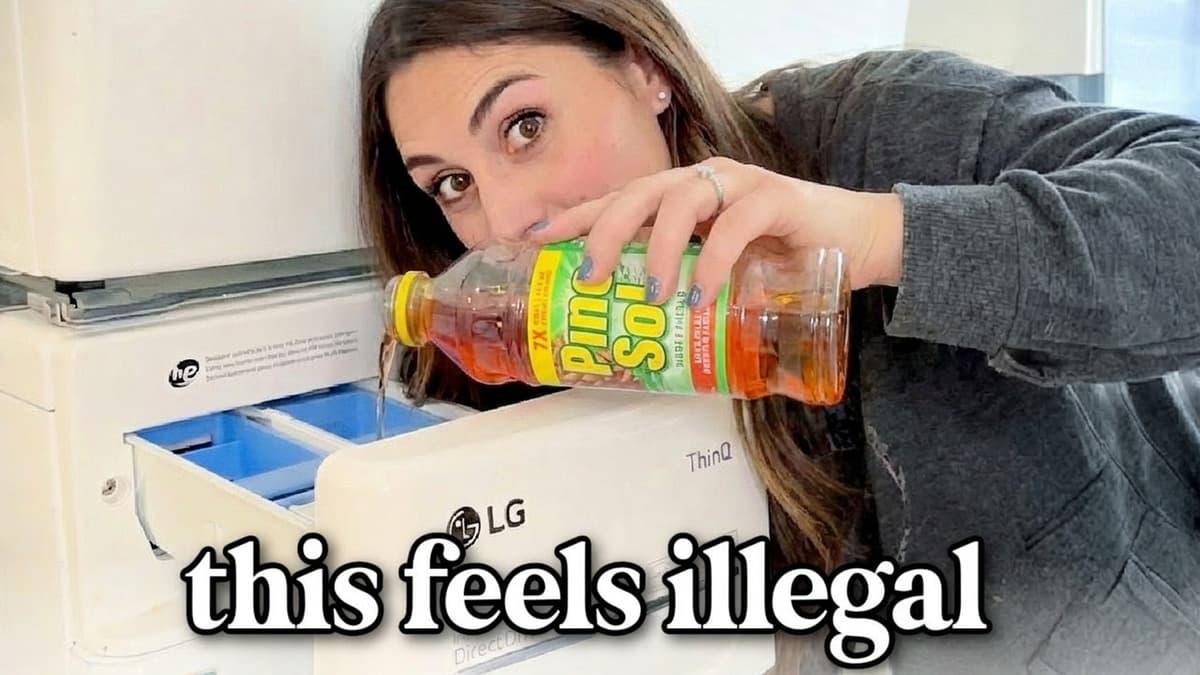
I Tried Every Viral Cleaning Hack, These Actually Work.
The video reviews viral cleaning hacks, testing which actually work after years of content creation and separating gimmicks from genuinely useful techniques. Highlights include baking soda for stainless steel sinks, a self‑spinning mop that effortlessly cleans kitchen cabinets, an angled vacuum...