

Even Iconic Skyscrapers Pay Massive Land Rent
The Chrysler Building pays $32.5M / year to rent the land beneath it. There's a lesson here I think. https://t.co/IY1LC0BiHT
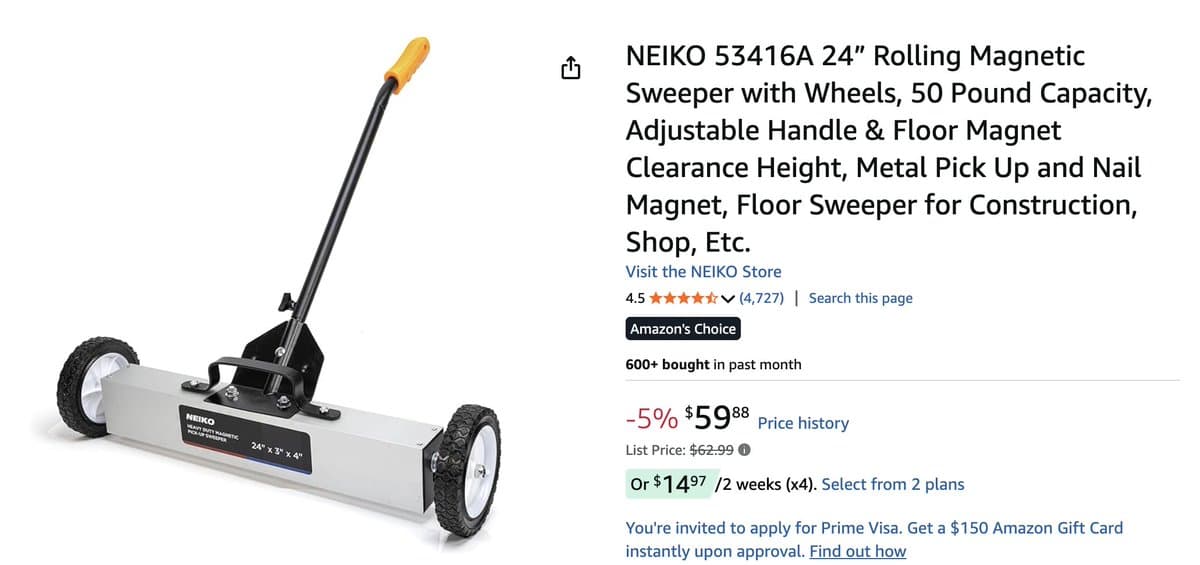
Versatile $60 Tool Every Building Owner Needs
This is the best $60 a building owner can spend. Last time I used it I picked up a drill bit, a razor blade and tons of screws and other metal scraps. https://t.co/MbZa0Sbz1O
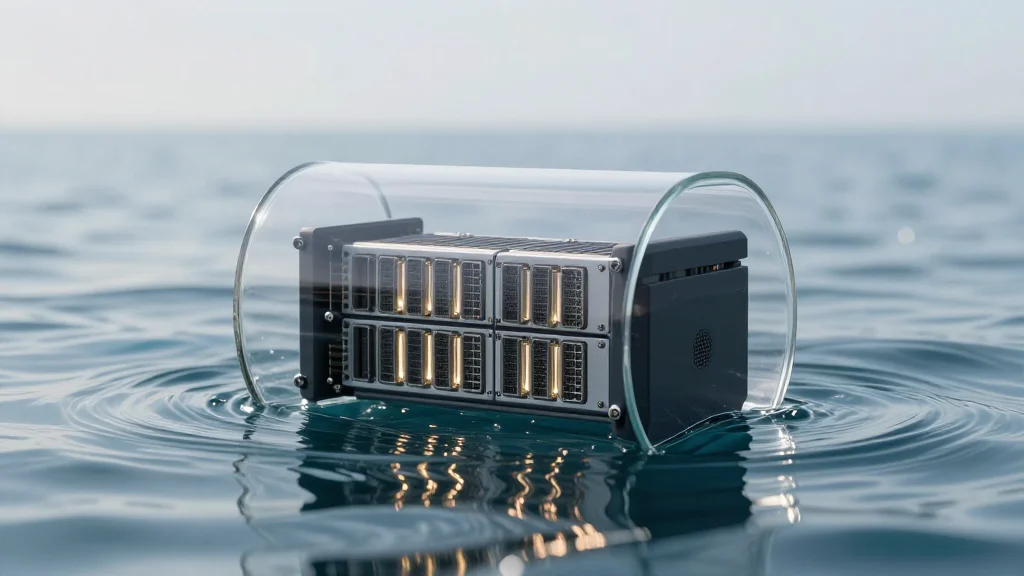
Data Centers Face Obsolescence Amid AI and Black‑Swan Risks
Two things can be true at the same time: We can (and certainly should) keep pushing the limits of AI while also acknowledging we may have a massive problem on our hands with the physical data centers themselves. And there isn't an...
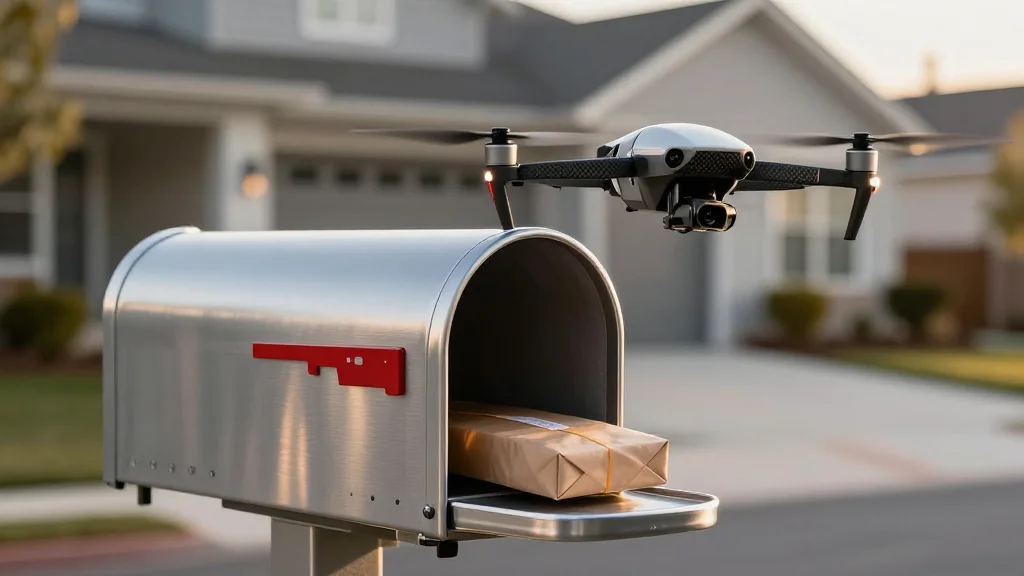
Delivery Apps Set to Expand Beyond Meals, Market Booms
Very, very bullish on this. Think about the premium people are already willing to pay for meal delivery apps and then include all the other applications (medicine, batteries, small consumer goods, industrial supplies, spare parts, etc). Definitely regulatory issues to still work...

Beware Podcast Guest Fees and Hidden Sales Pitches
2 shady things to watch out for if you get invited to a podcast (both happened to me recently). First was an EA who reached out to see if I wanted to be "considered" to be a guest. There was a...
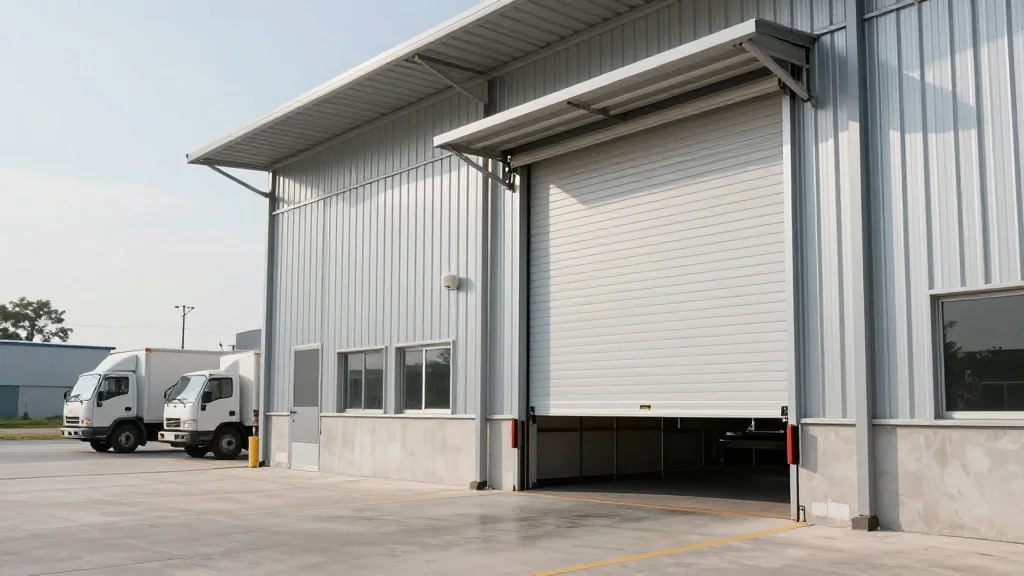
Simple Checklist for Successful Industrial Real Estate Investing
Investing in industrial real estate is easy. You just need to: • Find a building that tenants actually want (not just today but through different market cycles) • Make sure it works for multiple tenant types and not just one very specific use...

Canada’s Data Center Boom Centers Around One Hotspot
There's a clear hot spot when it comes to data centers (or should I say centres) in Canada: https://t.co/EyV7Vq6iff

Artemis II Shines; Credit Goes to Michoud Assembly Facility
The Artemis II is undeniably badass. But can we take a moment to appreciate the Michoud Assembly Facility? https://t.co/aulWNkbYTR

Hot Asset Hype Triggers Overbuilding, Warns Unsophisticated Investors
Exhibit A on why uninformed / unsophisticated investors should stay from investing in industrial real estate. A few years ago I attended a conference where there was a break out panel on cold storage. Everyone on the panel was extremely bullish on...

Terafab Could Dwarf Global AI Compute Capacity
If Terafab actually gets built it will be one of the largest industrial projects ever. High level stats: - semiconductor factory designed to do everything in one place (design, manufacturing, testing, packaging) - first building will be in Austin and ~ 2M sq...
LPs Risk Total Loss for Modest 8‑10% Returns
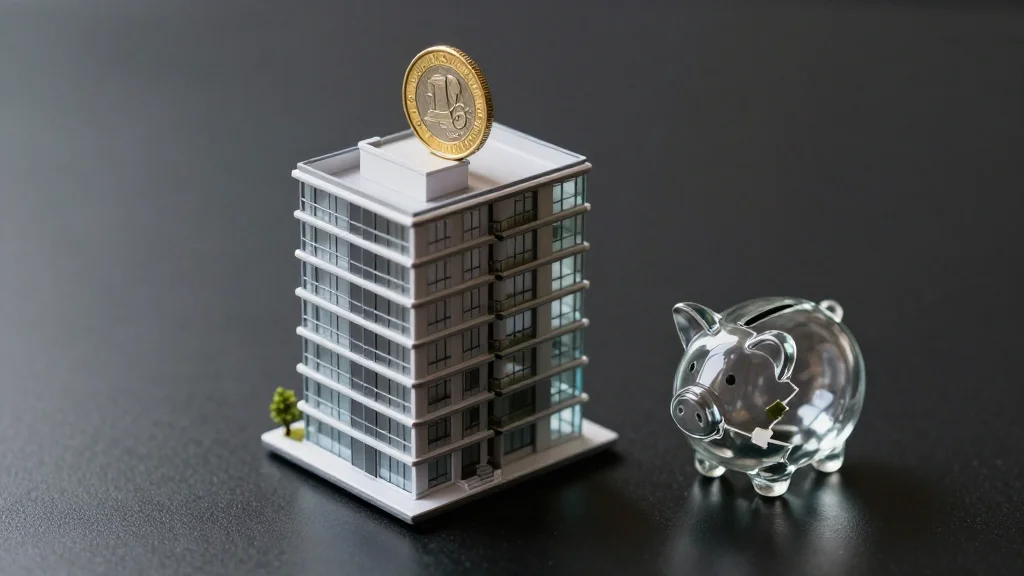
It's actually crazy that LPs risk 100% of their capital to earn an 8-10% return. (while having no liquidity and no control). But the pitch deck won't highlight that. It will just make an extremely bullish business case for why the project...

Inland Markets Thrive, Ports Lag as Nearshoring Rises
TL;DR: Inland markets looking good, port markets less so. Nearshoring picking up steam. Great report by @CushWake, will put link below. https://t.co/srELQGxQpf

Questioning the Longevity of New Businesses in Industrial Spaces
How long do you give this new business before it’s converted back into industrial space? https://t.co/PQYWiJMDFW

America's Pride in B‑21 Meets Public Funding Apathy
I sort of just figured all Americans would be proud of building the absolute best when it comes to aircraft. (this is from a post I did about the new B-21 stealth bomber and Plant 42 where it's being made) I think...

Bulletproof Industrial Floorplan: Flexible, Small Office, Open Warehouse
Don't know what makes a bulletproof residential floorplan this is is pretty damn bulletproof for industrial. (spaces can be demised down to 6,000 sq ft, small office buildout in front, wide open warehouse space, dock & grade loading) https://t.co/091JUIUwdI