

The Risks Of Putting a Vehicle in Your Business Name
The video warns business owners about the hidden dangers of registering a personal vehicle in the company’s name. While it may seem like a straightforward way to write off expenses, mixing personal commuting with business use can expose the entire entity to legal claims if an accident occurs. The presenter explains that a mixed‑use vehicle creates a liability bridge: if the driver is involved in a crash while on a personal errand, plaintiffs can argue the incident happened during business activity, dragging the corporation into the lawsuit. Consequently, the recommendation is to keep commuter cars, trucks, and other non‑essential vehicles out of the business title unless they are used 100 % for work and driven by employees. He illustrates the risk with a vivid scenario—being filmed for a YouTube short while commuting, then getting into an accident, and an attorney naming the business as an additional defendant. The speaker also notes that many online sources mistakenly advise owners to “run it through the business” without highlighting these exposure issues. The practical takeaway is to retain personal ownership of everyday vehicles and claim mileage deductions, or alternatively, set up a separate LLC that leases the vehicle to the operating company. This structure preserves tax benefits while shielding the core business from personal accident liability.

How To Pass Crypto, Online Accounts, And Digital Assets To Your Heirs
Estate planning in 2026 must address digital assets that traditional trusts overlook. Attorney Clint Coons explains that without seed phrases, YubiKeys, or platform‑specific legacy contacts, crypto, YouTube channels, and online accounts become inaccessible after death. He outlines the “Three Disasters”: legal...

YOUR LLC Won't Protect You From THIS (Most Owners Don't Know)
The video shatters the common belief that forming a limited liability company (LLC) automatically shields owners from lawsuits. It explains that an LLC’s protection is conditional and can be stripped away through five primary pitfalls that many entrepreneurs overlook. First, co‑mixing...
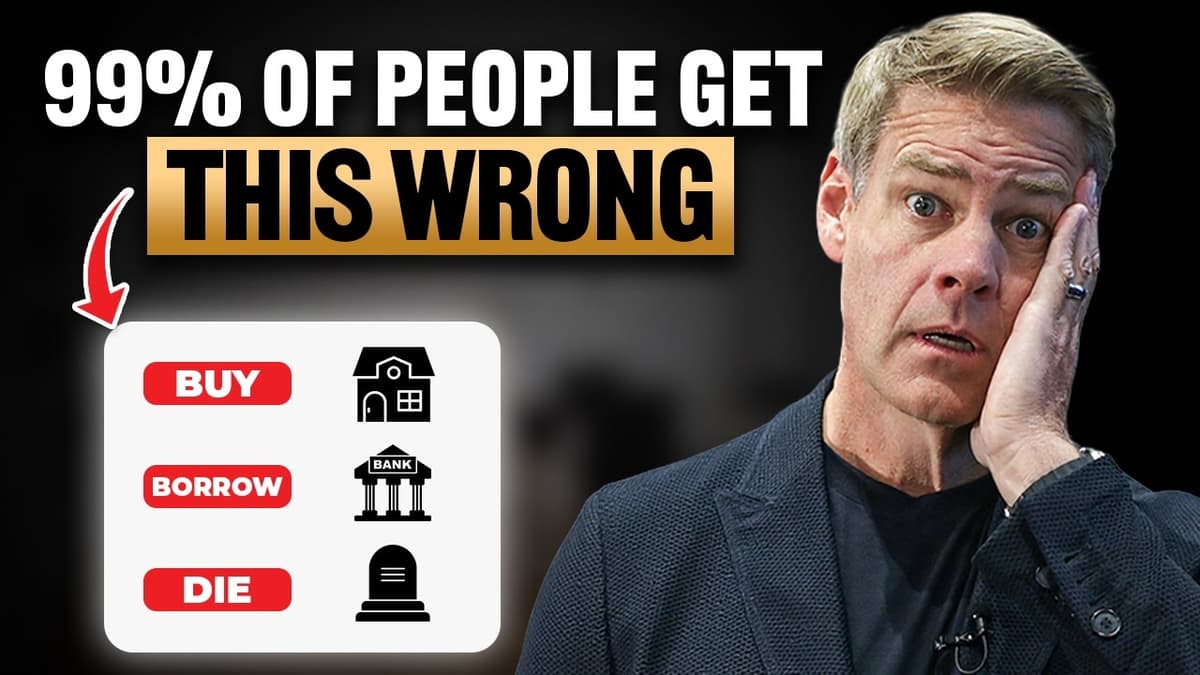
Why "Buy, Borrow, Die" Is A TikTok DEBT TRAP
The video debunks the “buy, borrow, die” wealth hack popular on TikTok, arguing it’s a debt trap especially in today’s high‑interest environment. The presenter walks through a $5 million home example, showing that borrowing $3 million at 6% interest leaves heirs with far...

This Is How Investors Use Virtual Assistants To Close More Deals
The episode explores how real‑estate investors can leverage virtual assistants (VAs) to accelerate both deal sourcing and property management. Host Pavel Stepanov, founder of Virtual Desk, explains that VAs can take on data‑mining, cold‑calling, texting, and appointment‑setting during the acquisition...
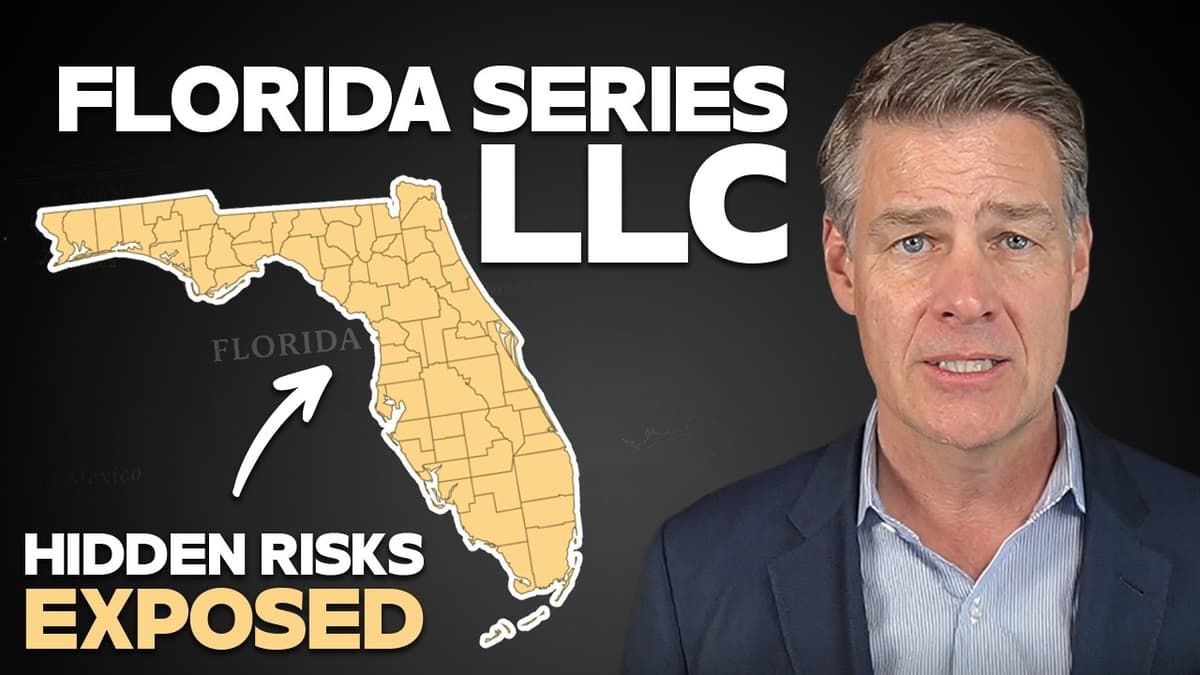
The Truth About Series LLCs In Florida (90% Of Investors Get This Wrong)
The video examines Florida’s newly adopted series LLC statute, warning investors that the apparent convenience of housing multiple properties under a single entity is offset by significant legal and financial drawbacks. While other states let owners create internal “cells” without...

How To Protect Yourself In A Subject To Transaction
Subject‑to deals let buyers take over a property’s mortgage without notifying the lender. The video warns that sellers can later reverse the title transfer, as happened when a seller reclaimed ownership two months after closing, exposing the buyer to loss. The presenter...

How The Wealthy Protect Assets For Decades: Family Holding Company
The video explains how a family holding company— a parent legal entity that merely owns other operating LLCs— serves as the cornerstone of wealth preservation and intergenerational transfer for affluent families. By consolidating real‑estate, operating businesses, and brokerage accounts under a...

Nationwide Injunction Issued Against FinCEN's Real Estate Reporting Regulations
The video discusses a Texas district court's nationwide injunction halting FinCEN's new real‑estate reporting requirements under the Corporate Transparency Act (CTA) 2.0, which took effect on March 1. The ruling declares the rule overly broad and unsupported by a demonstrable government...