
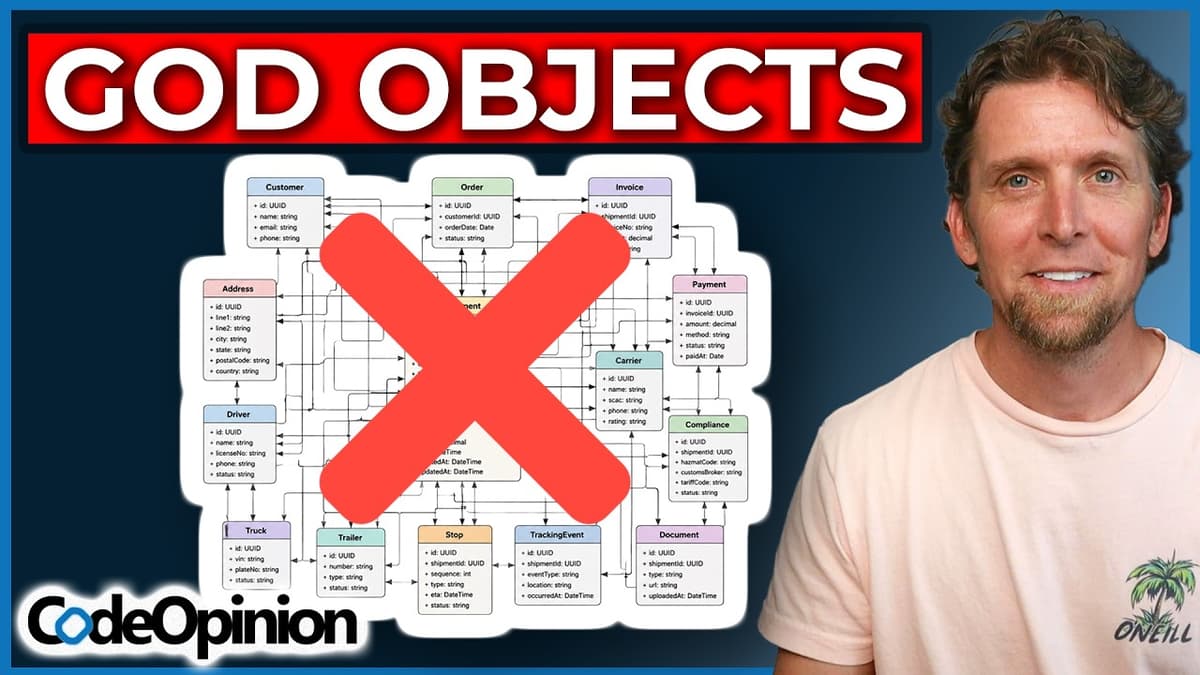
Solving the 'God Object' Problem with Shared Identity
The video tackles the classic "god object" dilemma by advocating a shift from a monolithic shared model to a lightweight shared identity. Using a shipment as a running example, the presenter shows how compliance, billing, and dispatch each graft their own fields onto a single entity, creating an unmanageable central object that every subsystem depends on. Key insights include treating each workflow—dispatch, compliance, billing—as an autonomous bounded context that owns its specific data and behavior. Events become simple fact‑notifications (e.g., "shipment created" with an ID) rather than carriers of full payloads, preventing data duplication across services. The speaker stresses evaluating whether a decision can tolerate stale information, opting for asynchronous event‑driven data when possible and resorting to synchronous calls only for truly authoritative checks. Notable examples illustrate the approach: dispatch uses driver and vehicle availability events, compliance tracks hazmat and customs data, and billing waits for invoice‑status events. The speaker emphasizes that UI needs can be met through view composition, avoiding the temptation to replicate data merely for display purposes. The implication for architects is clear: by decoupling responsibilities and sharing only identity, systems stay modular, scale more easily, and reduce the risk of cascading changes. This strategy also guides teams on when to accept eventual consistency versus when to enforce real‑time validation, shaping more resilient microservice designs.

The "Just Use Postgres" Trap
The video examines the growing advice to "just use Postgres" for all data needs, specifically as a message queue, and contrasts it with purpose‑built brokers like Kafka, Redis, and RabbitMQ. While a single database reduces infrastructure complexity, the presenter warns...
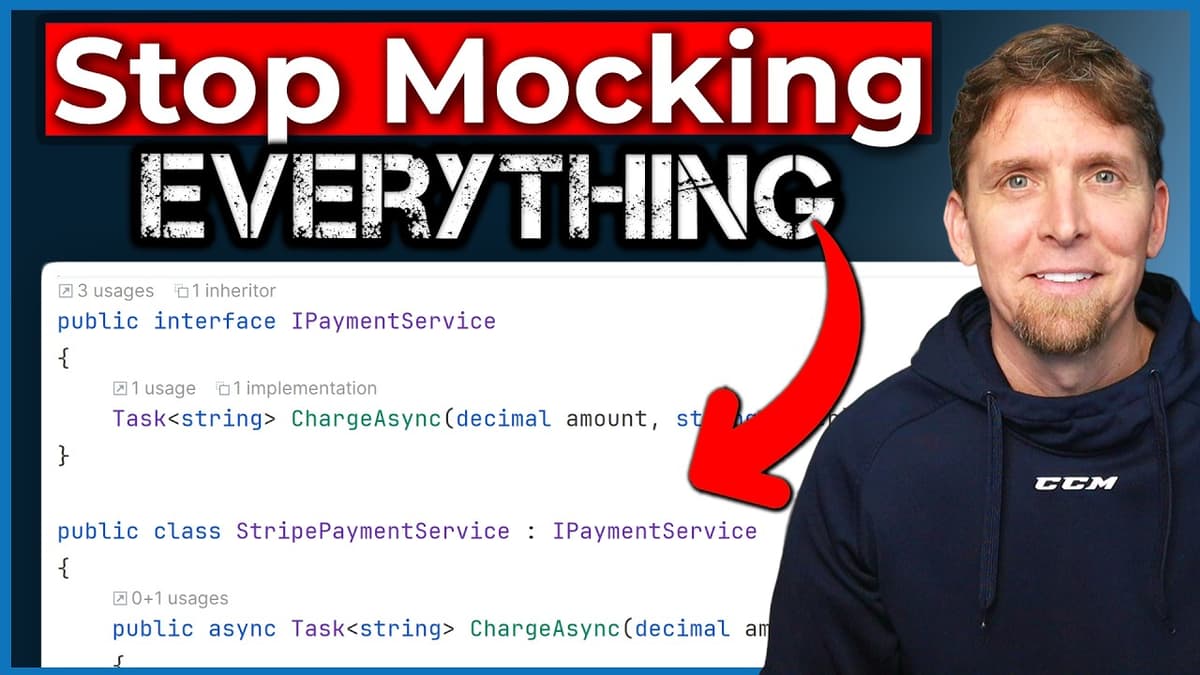
Why "Clean Architecture" Is Killing Your Velocity
The video challenges the prevailing mantra that clean‑code principles—especially heavy abstraction and layered architectures—are essential for sustainable development. It argues that the dogma of “always isolate via interfaces” often creates an "interface tax" that slows delivery without delivering real value. Using...
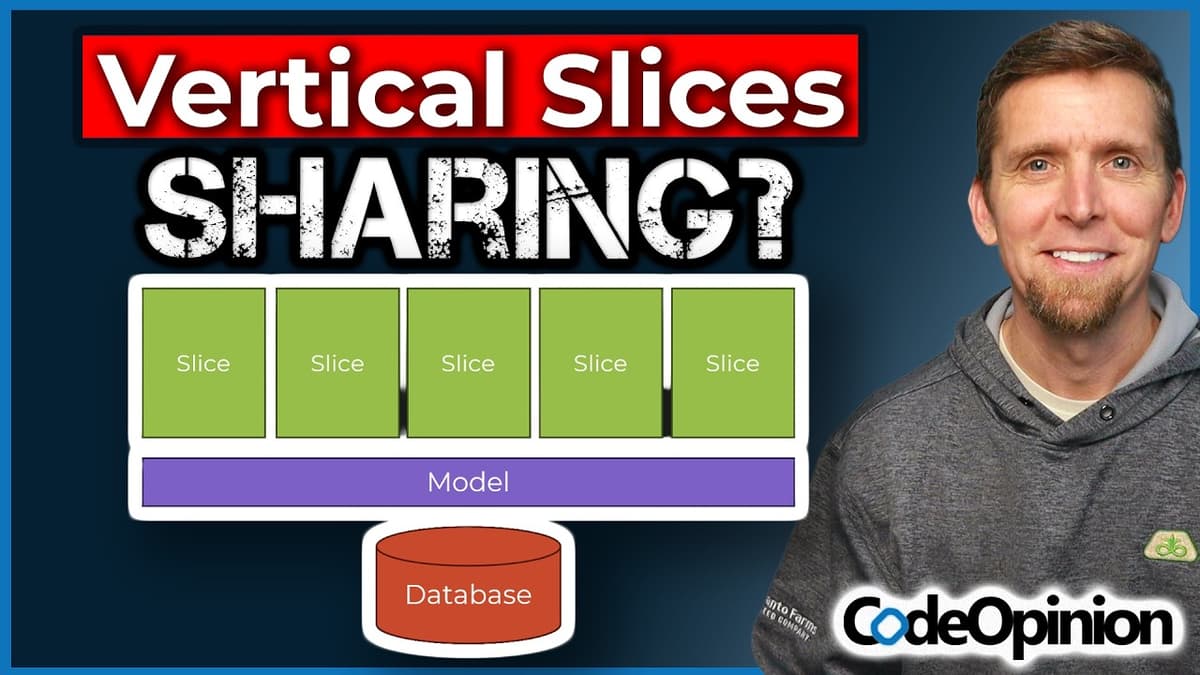
Vertical Slice Architecture Doesn't Mean “Share Nothing”
Dererick Martin clarifies a common misconception about vertical‑slice architecture: it does not mandate absolute code isolation, but rather the selective sharing of appropriate concerns. He distinguishes between technical plumbing—error handling, logging, outbox/event‑bus utilities—and domain data, which each slice owns. The slice...

This Isn't Event Sourcing
The video clarifies that not every state change qualifies as an event; creating a shipment is merely CRUD, while actions like order dispatched, shipment loaded, arrived, or delivered are true events. It argues that event sourcing can become over‑engineering if...

Read Replicas Are NOT CQRS (Stop Confusing This)
In the video, Derek Lamartin dismantles the blanket claim that the outbox pattern, CQRS, and event sourcing are inherently over‑engineered solutions. He argues that the real question is whether these patterns address a concrete business need, not whether they belong...