
Recent Posts

Video•Feb 26, 2026
Construction Is the New Constraint: How Developers and Investors Are Adapting
The panel discussion on "Construction Is the New Constraint" examined how developers and investors are navigating material shortages, labor scarcity, and regulatory bottlenecks in today’s commercial real‑estate market. Speakers from Langan Engineering, PHC Construction, and Pinnacle Development highlighted that supply‑chain disruptions—from COVID‑era shutdowns to tariffs—have forced firms to pre‑order critical items, diversify vendors, and even stockpile components such as transformers for resale. Key insights included soaring construction budgets—Tony Maras cited a multifamily project that jumped from $42‑$43 million pre‑pandemic to $52‑$54 million today—and the ongoing scarcity of skilled trades. To counter labor pressures, developers are partnering with unions that now offer residential rates, leveraging AI for efficiency, and exploring modular or prefabricated wall systems that accelerate on‑site work despite higher material costs. Early engagement with municipalities, thorough plan‑set preparation, and parallel permitting paths were presented as essential tactics to shave weeks off entitlement timelines. Notable examples underscored the pragmatic approaches being adopted. PHC’s Paul Harris described pre‑ordering electrical equipment and even selling surplus transformers to other developers. Keith Otis emphasized the value of having contractors involved during design to avoid costly re‑work, while the panel stressed that a 30‑day “clean‑up” of plan‑set issues can prevent a 90‑day review delay in Pennsylvania. The conversation also highlighted the cultural shift toward viewing townships as partners rather than adversaries, with developers positioning themselves as good neighbors and offering community benefits. The implications are clear: successful projects now hinge on proactive supply‑chain management, collaborative design‑construction teams, and strategic community outreach. Investors must factor these adaptive strategies into risk assessments, as the ability to mitigate material cost spikes, labor shortages, and regulatory delays directly impacts project viability and returns in an increasingly constrained construction environment.
By Commercial Real Estate Now (Karly Iacono)
Video•Feb 19, 2026
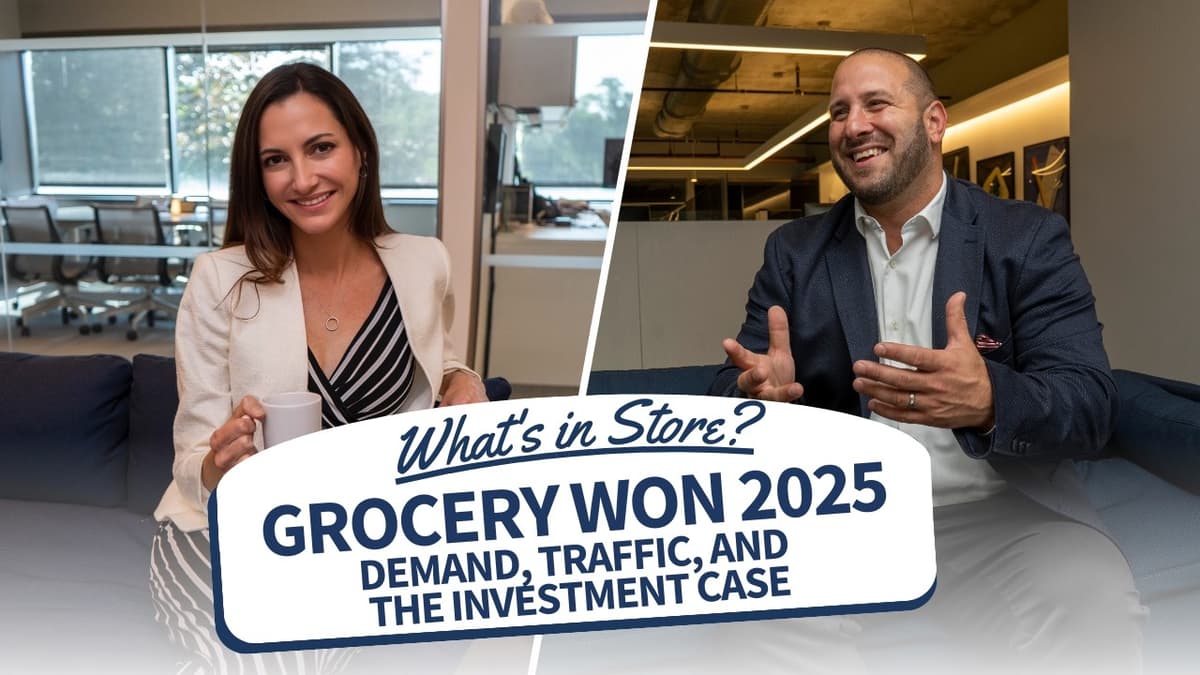
Grocery Won 2025: Demand, Traffic, and the Investment Case
The episode of "What’s in Store" examined the grocery‑real‑estate landscape as of 2025 and looked ahead to 2026, treating grocery as the premier traffic‑generating anchor for retail centers. Hosts Carly Iacono and Chris Ressa highlighted how the sector weathered...
By Commercial Real Estate Now (Karly Iacono)

Video•Feb 12, 2026
2026 CRE Outlook: From Freeze to Recalibration (Princeton Keynote Replay)
The 2026 Princeton Mercer Real Estate Market Forecast keynote framed commercial real‑estate as moving out of a prolonged freeze into a period of careful recalibration. Lenders are back in the market, albeit with more selective underwriting, while capital continues...
By Commercial Real Estate Now (Karly Iacono)