
Recent Posts

Video•Feb 25, 2026
Zero Crypto at Home: A Security Playbook for 2026
The episode tackles a growing security crisis for crypto investors, warning that physical "wrench" attacks are becoming more common while phishing scams continue to flood the digital landscape. Host Ryan Sean Adams introduces a "zero crypto at home" framework—multi‑signature wallets, enforced time delays, and third‑party verification—to keep assets out of the household and protect doxed users from coercion. Jameson Lop and former CIA officer Bo prioritize threats, agreeing that trusted third‑party custodians and poorly audited smart contracts remain the biggest loss vectors, with privacy serving as the outermost defensive layer. Physical assaults, though dramatic, still represent a small fraction of total losses compared with daily phishing attempts that exploit smart‑contract approvals, fake airdrop sites, and malware disguised as wallet software. Bo illustrates a typical scam: a counterfeit NFT‑airdrop page mimics a reputable brand, prompts a wallet connection, then leverages previously granted marketplace approvals to siphon assets in seconds. Jameson stresses revoking unnecessary approvals and using hardware wallets to isolate private keys, while both stress social‑engineering tactics that prey on emotions like greed or urgency. The takeaway for investors is clear: adopt a layered security posture—store crypto off‑site, enforce multi‑sig and delay mechanisms, regularly audit contract permissions, and rely on hardware wallets. By doing so, the community can mitigate both the high‑probability digital threats and the low‑probability but high‑impact physical attacks, preserving the core promise of crypto freedom.
By David Hoffman

Video•Feb 24, 2026
Lyn Alden: Bitcoin’s 4-Year Cycle Is Dead
Lyn Alden argues that Bitcoin’s long‑standing four‑year halving cycle has lost its predictive power as the block reward’s contribution to new supply has become marginal. She notes that the reduced supply from halvings no longer drives market dynamics; instead, the...
By David Hoffman

Video•Feb 23, 2026
Ethereum's Last Big Upgrade: The zkEVM | Ansgar Dietrichs
The video introduces Ethereum’s forthcoming zkEVM upgrade, described by Ansgar Dietrichs of the Ethereum Foundation as the network’s “last big upgrade.” Unlike previous hard forks such as the Merge or EIP‑1559, the zkEVM is framed as an era‑defining transition that...
By David Hoffman

Video•Feb 21, 2026
Lyn Alden: The Difference Between Gold & Bitcoin
The video contrasts gold’s entrenched role as a neutral reserve asset with Bitcoin’s emerging function as a digital settlement rail. Gold’s millennia‑long credibility makes it the default choice for central banks, yet its physical nature renders auditing and repatriation slow...
By David Hoffman
Social•Feb 20, 2026
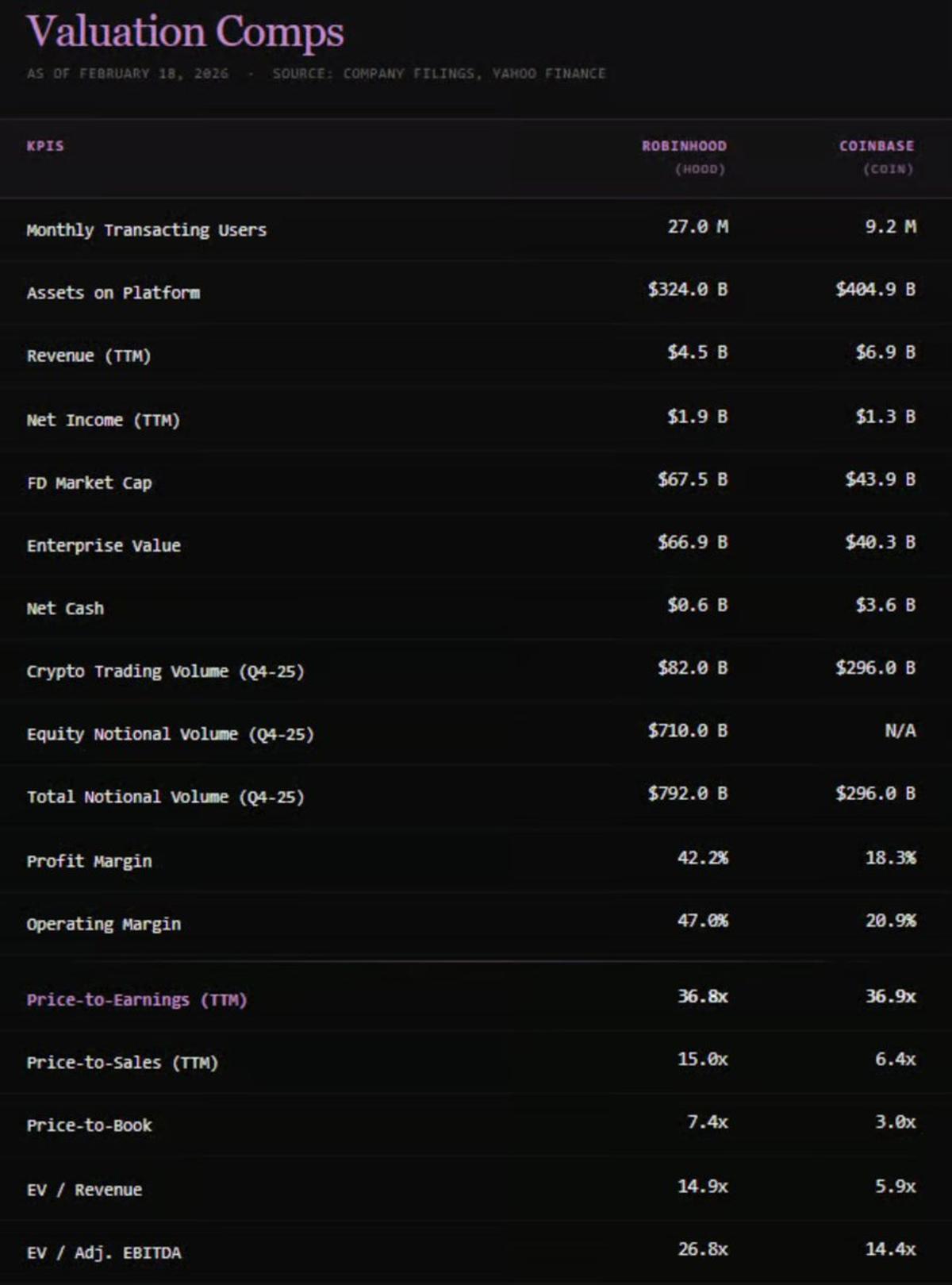
Friday Asset Reports Could Soon Become Podcasts
COIN or HOOD? if people like @JustDeauIt's friday asset reports, maybe we'll turn them into podcasts too i read every single one. https://t.co/1l1w4pvdFx
By David Hoffman

Social•Feb 20, 2026
Optimism Superchain Failed to Deliver Unified Liquidity
With Base leaving it's worth a retrospective. Why didn't Optimism superchain ever achieve the level of interoperability and shared liquidity to make all OP chains feel like one chain?
By David Hoffman

Social•Feb 20, 2026
AI‑Powered Voting Could Eliminate DAO Fatigue
dao governance would work so much better if an AI agent could vote on the decisions "Maximize longterm tokenholder value, make no mistakes" no voting fatigue because AI doesn't tire no, i'm not going to say the words DAO 2.0 that would curse...
By David Hoffman

Social•Feb 20, 2026
AI Agent Autonomously Runs ETH Validator, Earns Yield
the first time an AI agent fully autonomously runs an ETH validator and starts receiving ETH staking yield that gets interesting ETH the internet bond...for AI
By David Hoffman

Social•Feb 19, 2026
Crypto Empowers OpenClaw Bots with Open-Source Tools
it sucks that @steipete first impression of crypto in OpenClaw is grifts/scams/rugpulls. Crypto opens up a set of insanely powerful open source tools for OpenClaw bots. Bots with property rights and CLI level bank accounts. It's a perfect fit. We'll get there.
By David Hoffman

Social•Feb 19, 2026
Zero‑knowledge Identity: A Right Blocked by Surveillance Agenda
zk identity is a human right. zk is tech - available today - to verify age without sharing private data and photo id. the reason it’s not used is because they have an ulterior motive. they want a surveillance state administered by the...
By David Hoffman

Social•Feb 18, 2026
Matcha Protects Swappers From Exploitative propAMM Execution
This is why I am a proud and happy @matchaxyz user Watch this ETH Denver talk from @willwarren, showing how propAMMs create exploitative execution for swappers Thanks Will and Matcha for being a responsible leader in protecting users onchain swaps
By David Hoffman