
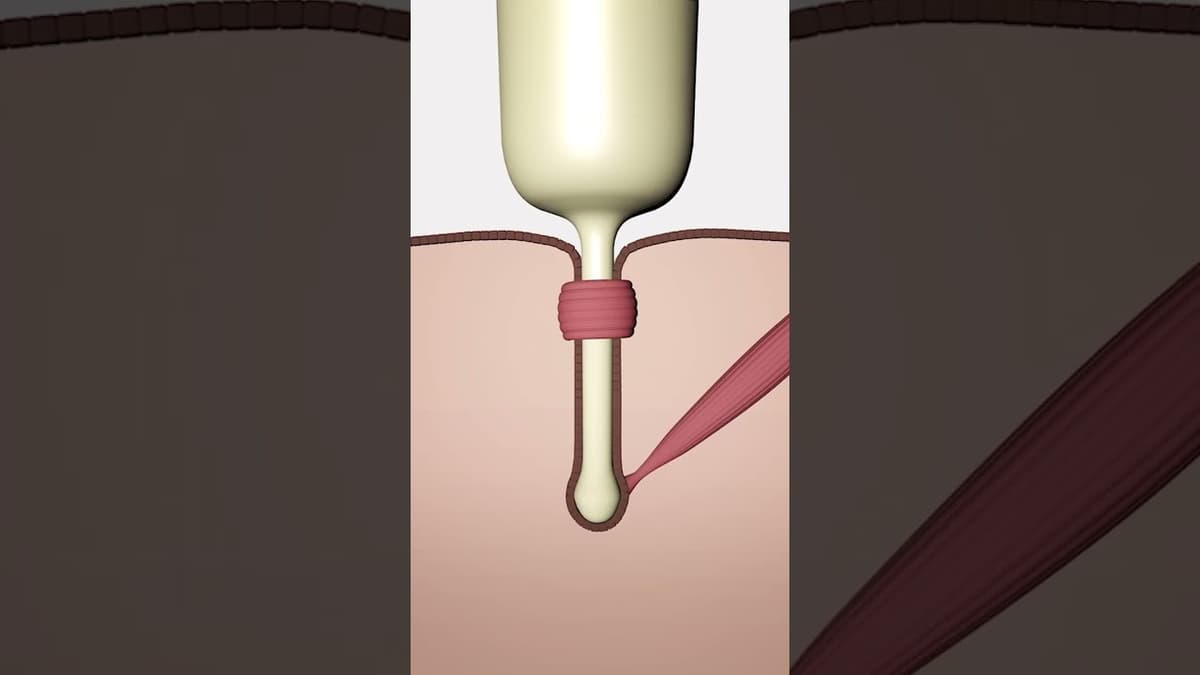
What Happens When You Get Slapped by a Porcupine’s Tail | #DeepLook #Shorts
The short video demystifies the porcupine’s defensive repertoire, focusing on the often‑overlooked tail‑slap and the anatomy of its quills. It corrects the popular myth that porcupines launch quills like arrows, showing instead that the animal relies on bristling, a dense rosette of quills on its backside, and a vigorous tail swipe to keep threats at bay. Key biological details are highlighted: when threatened, the quills stand upright, and the tail delivers a sharp slap. The quill tips are engineered with microscopic backward‑facing barbs, which embed securely in any tissue they pierce. These barbs fan out during removal, making extraction both painful and technically challenging for medical responders. The narrator punctuates the explanation with memorable lines—"She didn't shoot her quills out. That's a myth"—and visual comparisons, noting that a quill tip is sharper than a hypodermic needle. The video also warns that multiple quills lodged in vulnerable spots, such as the mouth, can pose serious health risks. Understanding these mechanics matters for hikers, wildlife professionals, and emergency physicians. Accurate knowledge reduces panic, informs proper first‑aid protocols, and underscores the evolutionary sophistication of porcupine defenses.
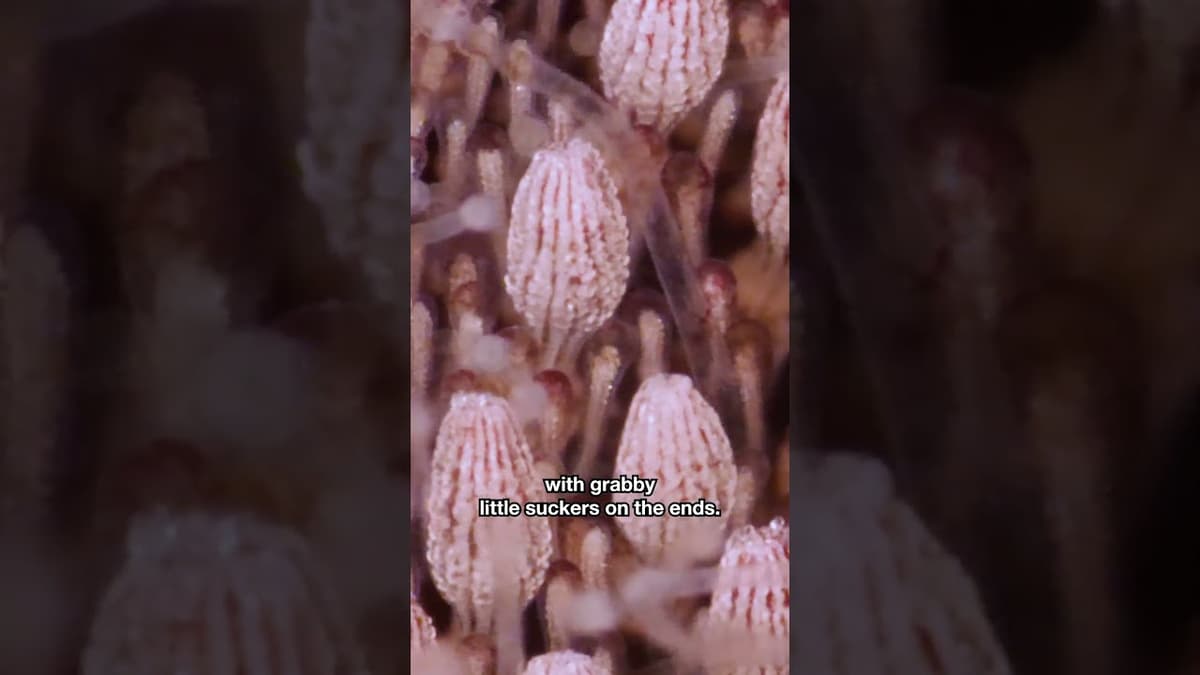
This Is What Sand Dollars Really Look Like | #DeepLook #Shorts
The short video pulls back the veil on sand dollars, revealing that the familiar round, flat disc is actually an empty husk – a delicate skeleton rather than a solid shell. Filmed off California’s coast, the footage shows Pacific sand...
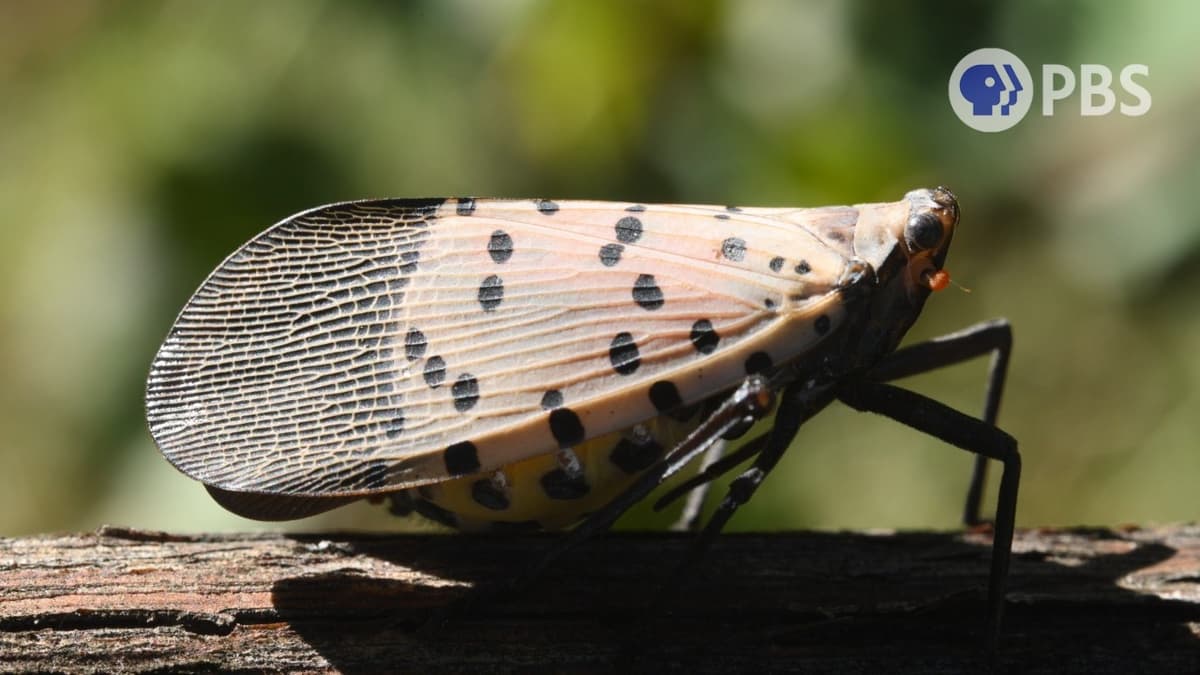
Spotted Lanternflies Are The Ultimate Party Crashers
The video explains how the spotted lanternfly, an Asian plant‑hopper, slipped into the United States in 2014 and is now an ecological and agricultural menace. Scientists trace the insects’ arrival to ornamental stones that carried egg masses from China to Pennsylvania....
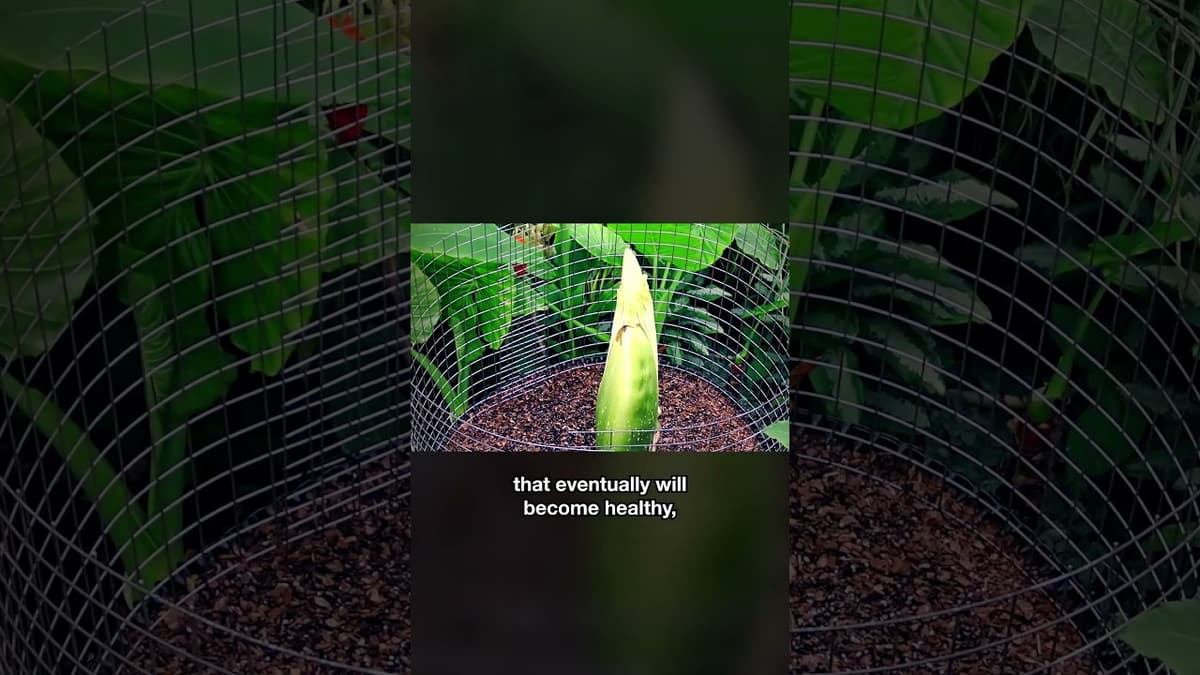
How a Corpse Flower Avoids Pollinating Itself | #DeepLook #Shorts
The video explains the reproductive strategy of the titan arum, or corpse flower, and how it avoids self‑pollination. Female flowers mature first, becoming sticky and receptive, while male flowers develop later. The plant emits a potent odor of more than 30...

We Made The Stuff That Makes Fireflies Glow In A Lab
The video explores bioluminescence, focusing on fireflies and a laboratory recreation of their glow. It explains how the chemical reaction—luciferin, luciferase, ATP and oxygen—produces cold light without heat, contrasting it with chemiluminescent reactions that emit hot light. Key data include that...

A Baby Dragonfly's Killer Lip Snatches Prey at Lightning Speed | #DeepLook #Shorts
The video spotlights the predatory prowess of dragonfly nymphs, specifically a darner species, whose underwater larval stage relies on a specialized mouthpart to seize prey. These nymphs spend months or years beneath the surface, growing wings that are initially useless...

Long Journeys of Tiny Spaceship-Shaped Sea Urchin Larvae | #DeepLook #Shorts
Sea urchin larvae, depicted as tiny spaceship‑shaped organisms, embark on a solitary drift through the open ocean, searching for a suitable substrate to settle and transform into the familiar spiny adult. The short video condenses the remarkable metamorphosis from fertilized...

Why Mammals Gave Up On Laying Eggs
The video explores why mammals, including humans, stopped laying eggs and shifted to live birth. It traces the evolutionary history from ancient marine broadcast spawners to the first egg‑bearing reptiles, then to the emergence of mammalian lineages that abandoned external...