
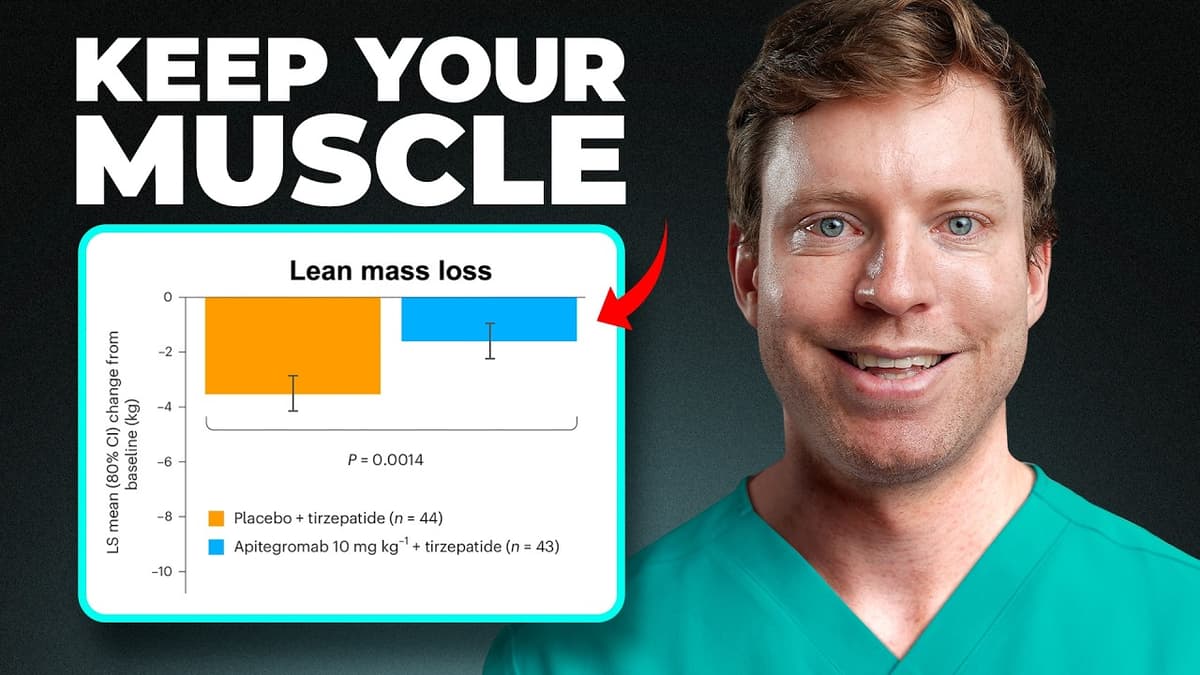
Everyone Is About to Become Lean and Muscly (New Evidence)
The video explains how myostatin inhibition, particularly with the drug apitegromab, could transform weight‑loss therapy by preserving and adding muscle while fat is shed. It critiques existing weight‑loss medications for causing muscle loss and outlines the biology of myostatin as a brake on muscle growth. The EMBRAZE Phase 2 trial showed that apitegromab, combined with a GLP‑1 agonist, produced significant lean‑mass gains and greater fat reduction than the GLP‑1 alone. Practical takeaways include dosing strategies and the potential for a new class of combination therapies.
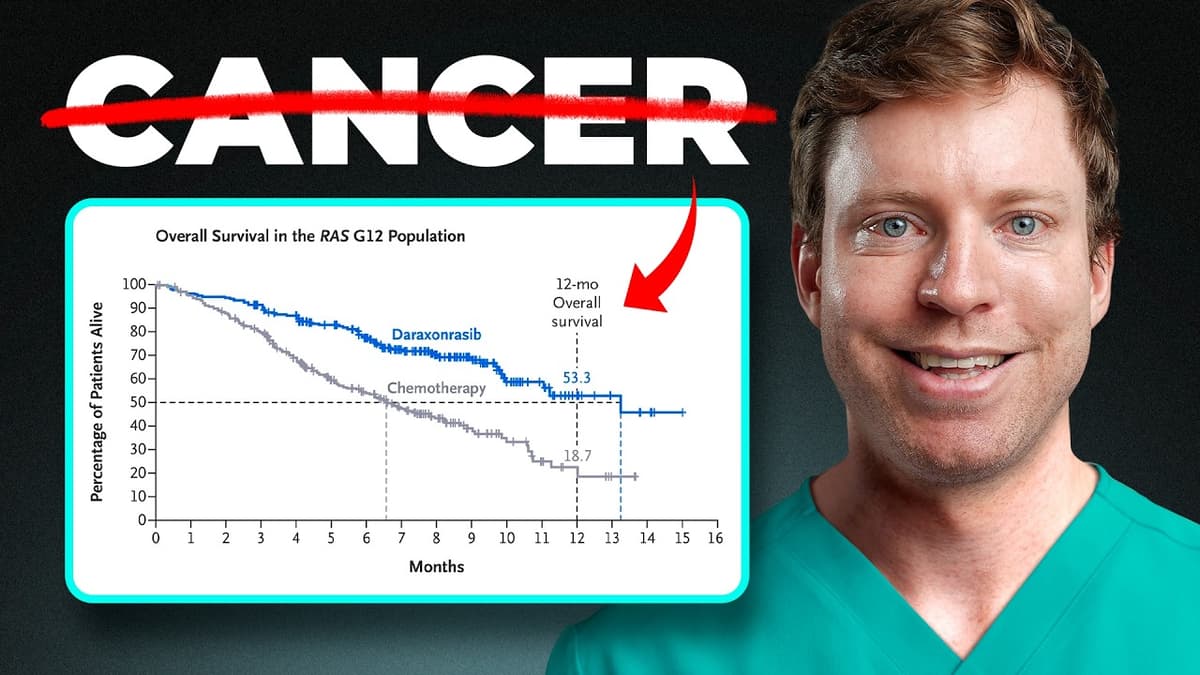
Why Cancer Doctors Stood and Applauded
The video highlights a landmark phase‑III trial of Directinib, a novel KRAS inhibitor, that elicited a standing‑ovation from oncologists because it finally cracks a target long labeled “undruggable.” In the study of 500 metastatic pancreatic‑cancer patients across six countries, oral Directinib...
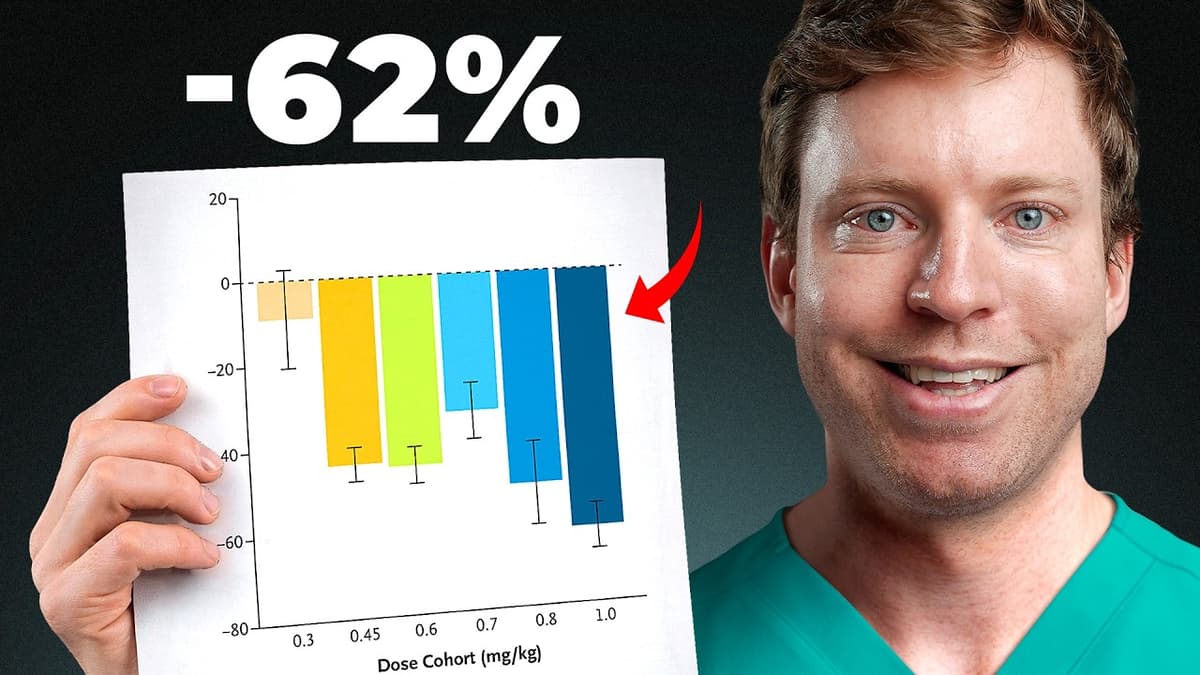
Did One Tiny Tweak Just Solve Heart Disease?
The video examines Verve Therapeutics’ breakthrough gene‑editing therapy, Verve 102, which uses a CRISPR‑derived base editor to permanently silence the PCSK9 gene in liver cells, aiming to eradicate the primary driver of atherosclerotic heart disease—elevated LDL cholesterol. In the latest NEJM‑published trial,...

The Low-Dose Peptide I Take
The video follows a 34‑year‑old general practitioner who injects 1.25 mg of tirzepatide weekly despite lacking diabetes or obesity, using the drug to tap into emerging evidence that GLP‑1 and GIP agonists confer health benefits beyond weight loss. Recent large‑scale trials—SELECT, FLOW,...
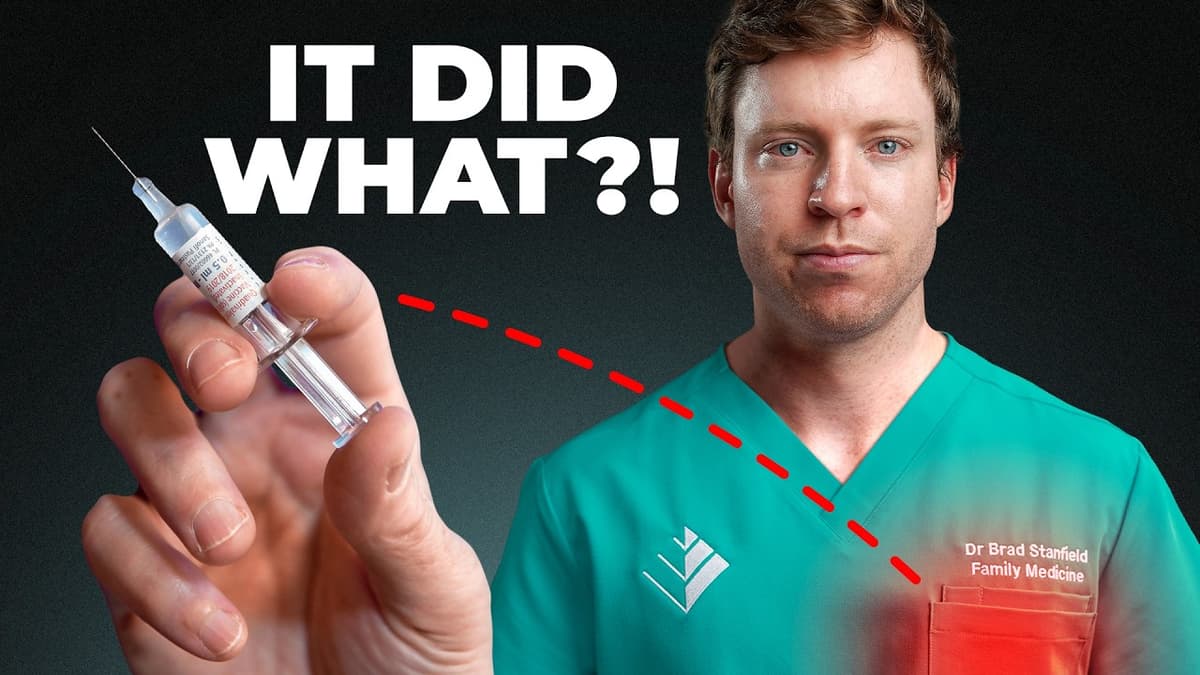
This Vaccine Is Quietly Doing Something to Your Heart
Recent research highlights that the shingles vaccine Shingrix, already approved for preventing herpes zoster, also appears to confer significant heart health benefits. Large‑scale meta‑analyses and real‑world studies report up to a 30% reduction in stroke and a comparable drop in...
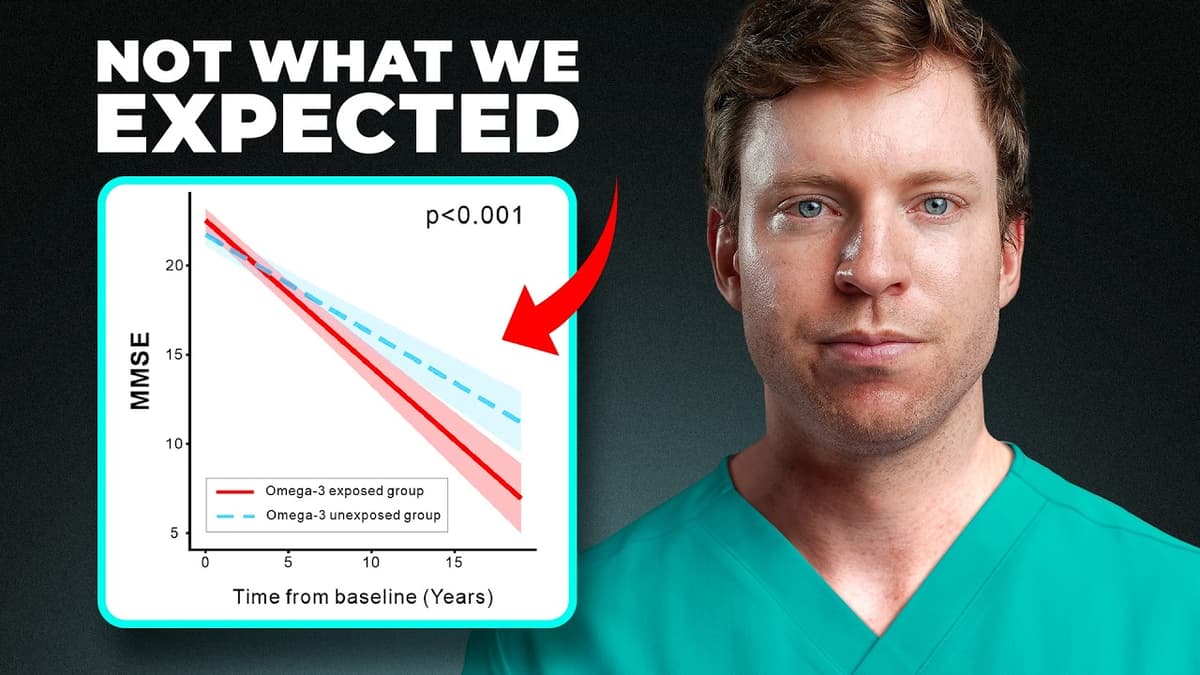
Concerning Omega-3 Brain Study
The video dissects a new longitudinal ADNI study that found older adults taking omega‑3 supplements experienced faster decline on every cognitive test over a median five‑year follow‑up. Researchers matched 273 supplement users with two non‑users each, controlling for age, sex,...
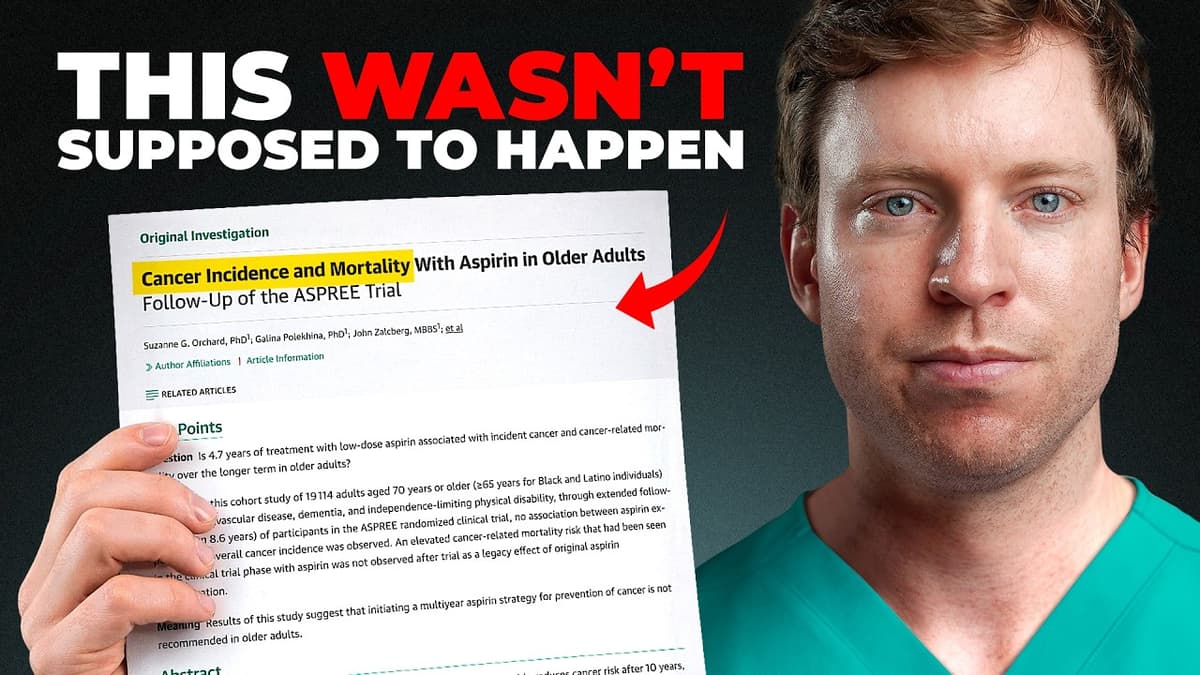
We Were Wrong About Aspirin (New Evidence)
The video examines how new randomized evidence overturns the long‑standing belief that daily low‑dose aspirin prevents cancer in otherwise healthy adults. Early observational studies and a 2010 meta‑analysis by Peter Rothwell suggested a one‑third reduction in cancer deaths, prompting the...
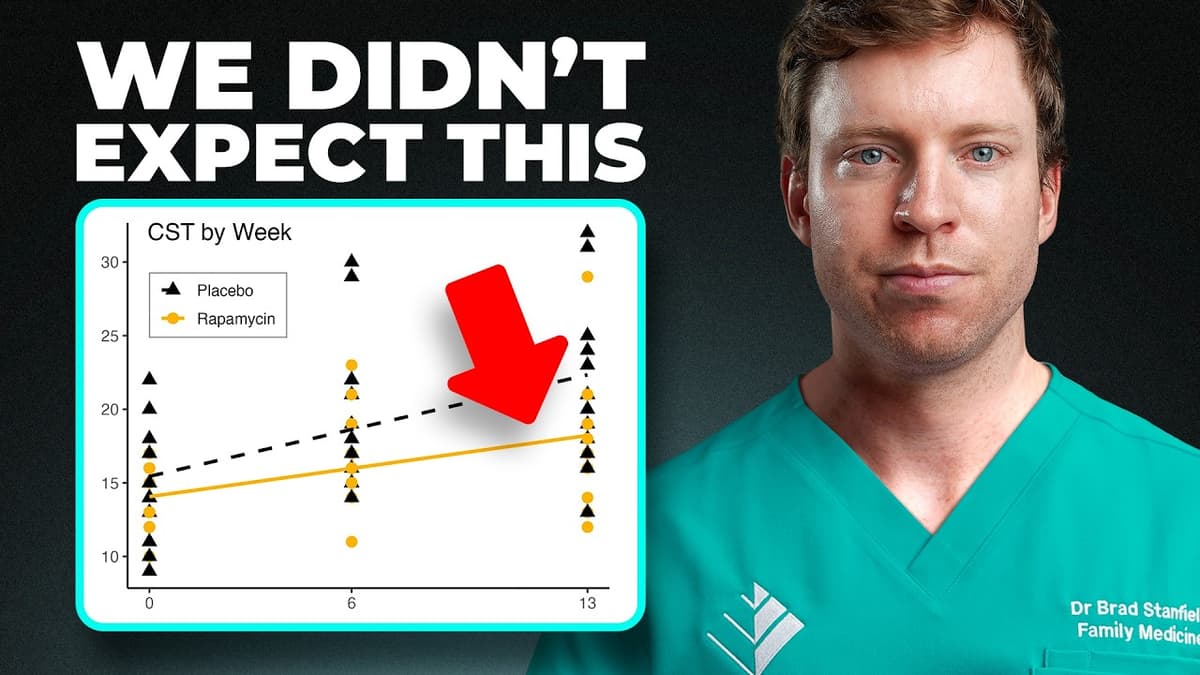
We Spent $724,637 Testing Rapamycin. What We Found Shocked Us.
The video details a five‑year, $724,637 crowdfunded clinical trial that tested whether weekly rapamycin, combined with home‑based cycling exercise, could improve muscle performance in adults aged 65‑85. Results were published in the Journal of Cexia Psychopenia and Muscle, and the...
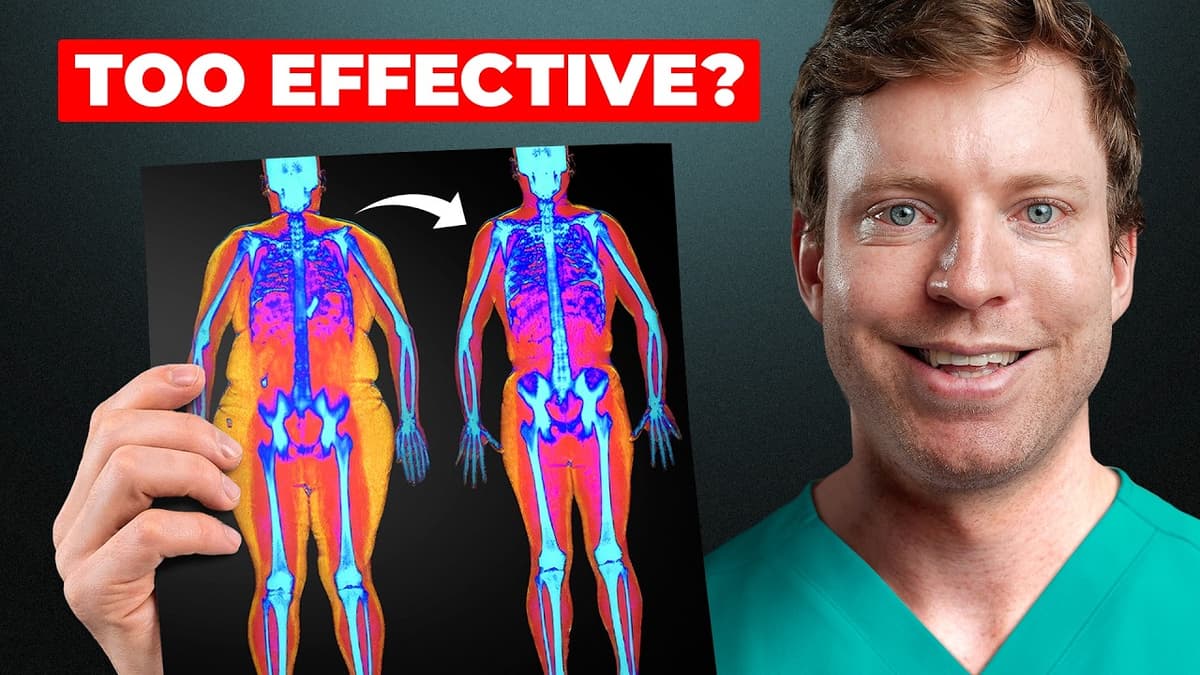
The 'Toxic' Hormone That Just Broke Every Obesity Record
The video examines retatrutide, Eli Lilly’s triple‑hormone receptor agonist that activates GLP‑1, GIP and glucagon. By turning on all three pathways, the drug has shattered obesity‑treatment records, delivering average weight losses of 24‑28% in phase‑3 trials—far exceeding the 15‑20% achieved by...
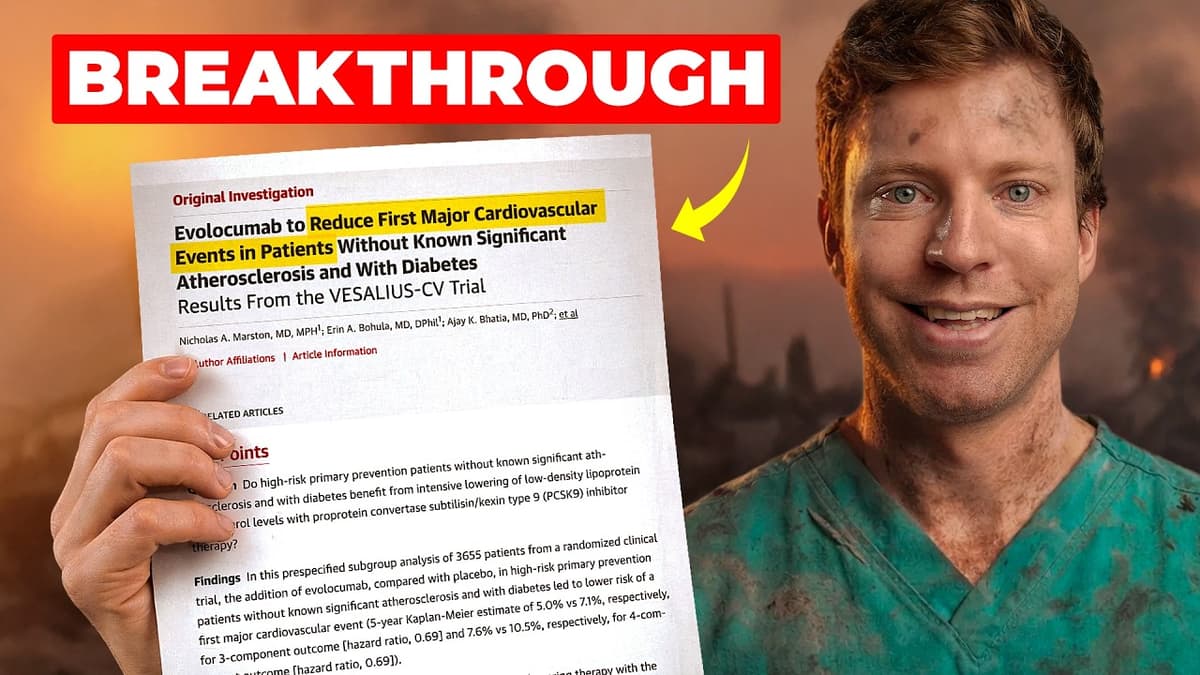
The 60-Year Cholesterol War Is Finally Over
The video chronicles the resolution of a six‑decade debate over cholesterol management, tracing its origins to a 2006 Dallas Heart Study discovery of a woman with an LDL of 14 mg/dL caused by PCSK9 loss‑of‑function mutations. Researchers realized that silencing PCSK9...
This $2 Remedy Beats Every Cold Medicine
The video examines three inexpensive, evidence‑based remedies—zinc acetate lozenges, saline nasal irrigation, and honey—that actually shorten the common cold, contrasting them with popular but ineffective supplements like vitamin C or echinacea. Clinical data show zinc acetate lozenges reduce illness length by...

The Anti-Aging Supplement Scam (New Evidence)
The video exposes how the Interventions Testing Program (ITP) debunks popular anti‑aging supplement claims by subjecting them to triple‑site mouse trials, highlighting recent findings that overturn hype around products like Aazanthin and calcium‑alpha‑ketoglutarate (AKG). In 2023 the ITP reported a 12 %...

New Study Says I Was Wrong About NMN and NR?
The video dissects the ongoing NMN versus NR debate, highlighting a recent Bergen study that touted a 2.3‑fold NAD boost from NR. While the author initially presents the headline claim, he quickly pivots to larger, more robust data that undercuts...

I Got a Full-Body MRI. Here's Why You Shouldn't.
The video examines the surge in commercial full‑body MRI scans, a market buoyed by celebrity endorsements and a luxury‑spa experience, despite explicit guidance from the American College of Radiology that advises against such routine imaging for asymptomatic individuals. It highlights...

Completely WRONG About Salt (New Study)
The video dissects a new umbrella review – essentially a meta‑analysis of meta‑analyses – that aggregates decades of randomized trials and observational studies on dietary sodium. The authors argue that the latest synthesis finally settles the long‑standing debate: lower...