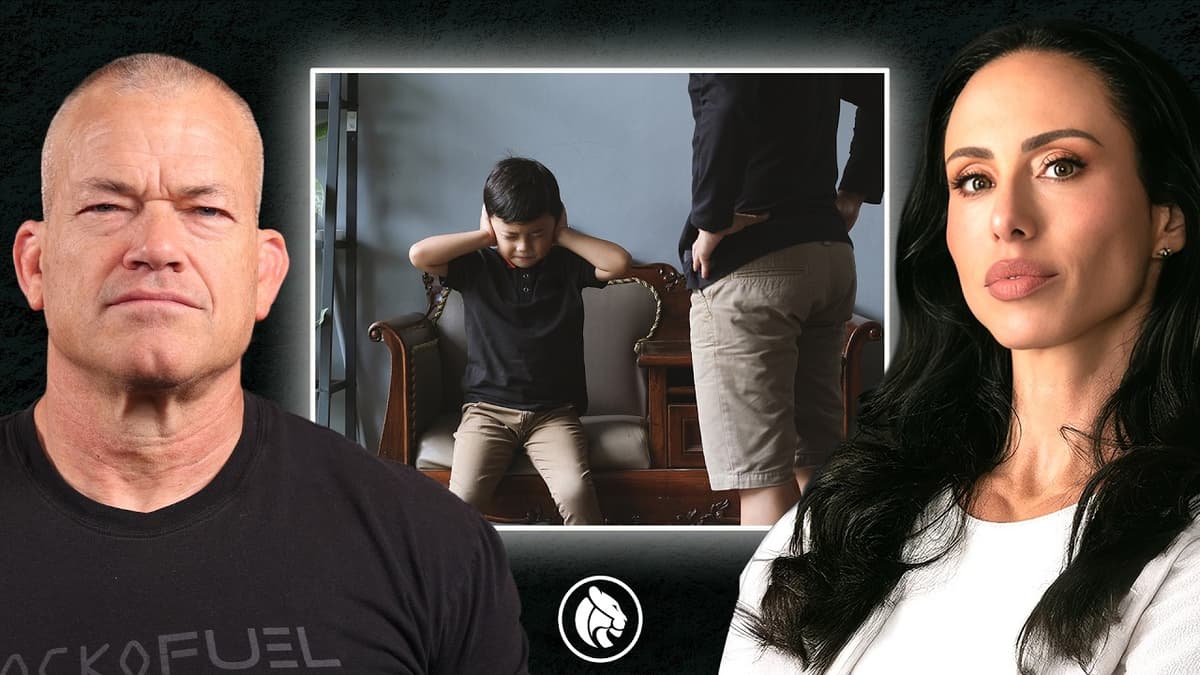
Jocko Willink - Stop Controlling Your Kids!
In a candid interview, former Navy SEAL Jocko Willink extends his well‑known leadership doctrine to the home, arguing that parents should stop micromanaging and instead treat children like junior team members. He stresses giving kids ownership—letting a four‑year‑old decide when to clean his room, granting “no‑curfew” freedom, and encouraging them to propose plans. This builds responsibility, self‑discipline, and intrinsic motivation. Trust is reciprocal; when children are trusted, they are more likely to be honest and seek guidance. Willink illustrates his points with anecdotes: his son’s spontaneous bike rides, his daughter’s desire to join cheerleading despite his initial bias, and a conversation where he listened rather than imposed his view. He notes that listening “not just hearing” turns a child’s input into shared decision‑making. The take‑away for parents and managers alike is clear: over‑controlling behavior stifles growth. By applying SEAL‑style decentralised command at home, families foster resilience, confidence, and better communication—qualities that translate directly into more effective teams and workplaces.
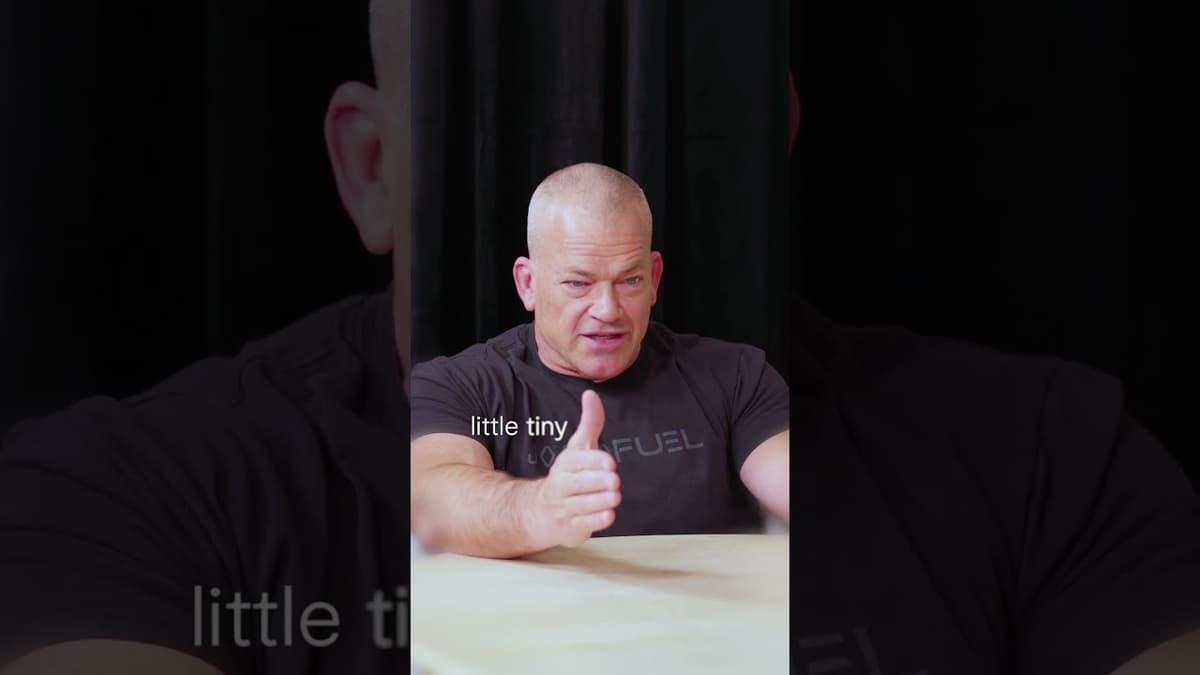
Why Kids NEED Failure to Become Strong Adults
The video argues that children must experience failure to develop adult strength; parents often view kids as extensions of themselves, fearing that a “non‑apex” child reflects poor parenting. It distinguishes nature from nurture, noting that while genetics set a baseline, the...
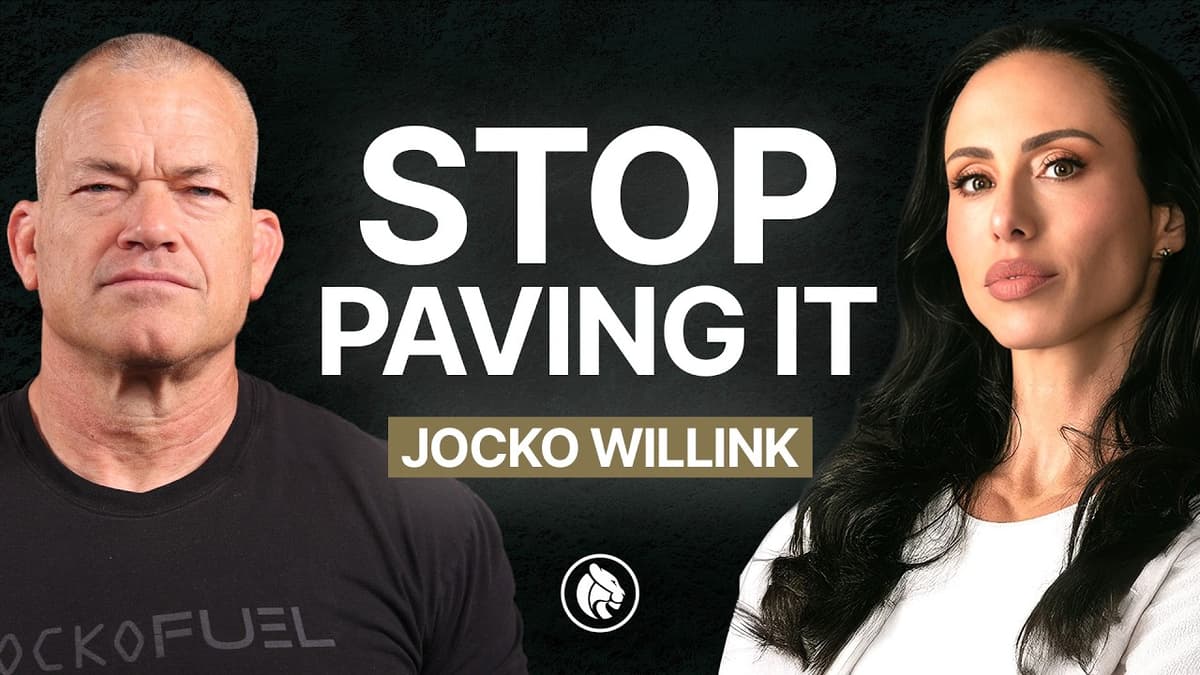
Jocko Willink: Stop Paving the Road for Your Kids | DLS #205
In the DLS #205 interview, former Navy SEAL Jocko Willink draws parallels between leadership and parenting, arguing that many parents treat their children as extensions of their own success. Willink stresses that kids are not a direct reflection of parental performance;...
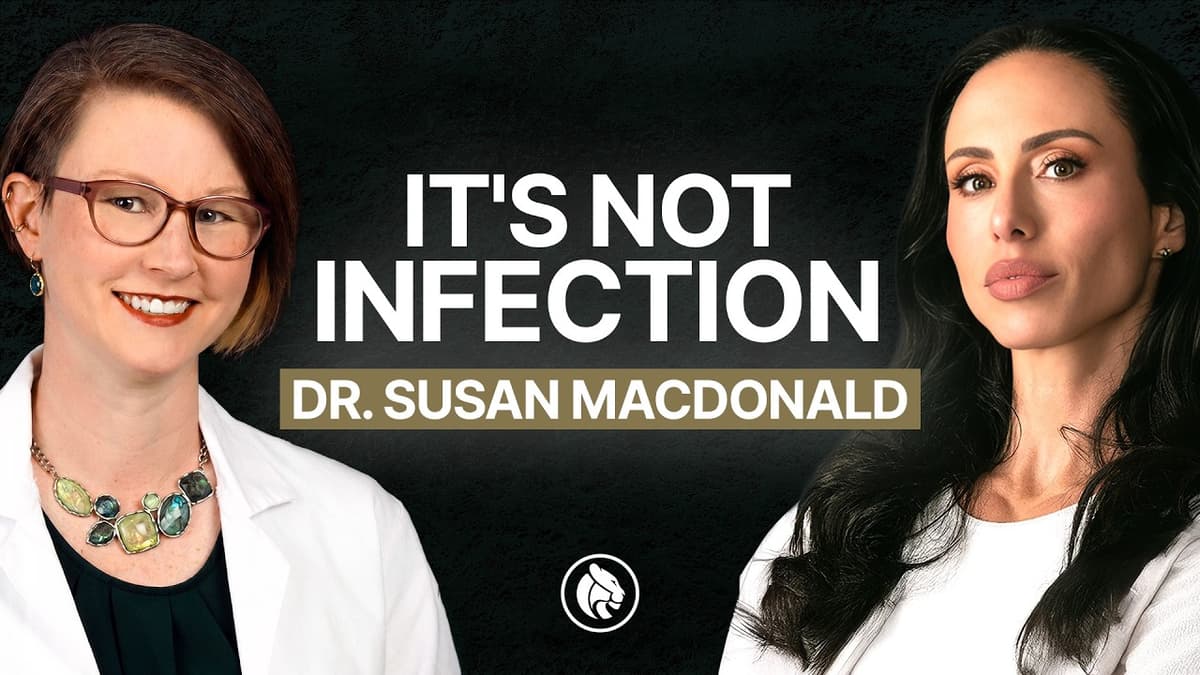
Doctors Are Removing Testicles for This | Dr. Susan Macdonald | GLS #204
The video features Dr. Susan Macdonald warning against the growing trend of orchiectomy for chronic testicular and pelvic pain, emphasizing that these conditions are typically neuropathic rather than infectious. She argues that the mind‑body connection and pelvic floor dysfunction are...
Muscle Is an Organ and Here's Why It Matters
The video reframes muscle from a mere contractile tissue to a metabolically active organ whose health underpins longevity. It argues that strength gains depend not only on training volume but on the muscle’s ability to generate energy. Central to this argument...
Mark Bell on Fat Vs. Carbs, What’s Really Making You Fat?
Mark Bell opens the conversation by redefining strength, emphasizing that it isn’t limited to powerlifting or classic gym lifts but includes gymnastics, calisthenics, and functional movement. He frames the discussion around the cultural shift toward performance‑enhancing drugs, noting that steroid...
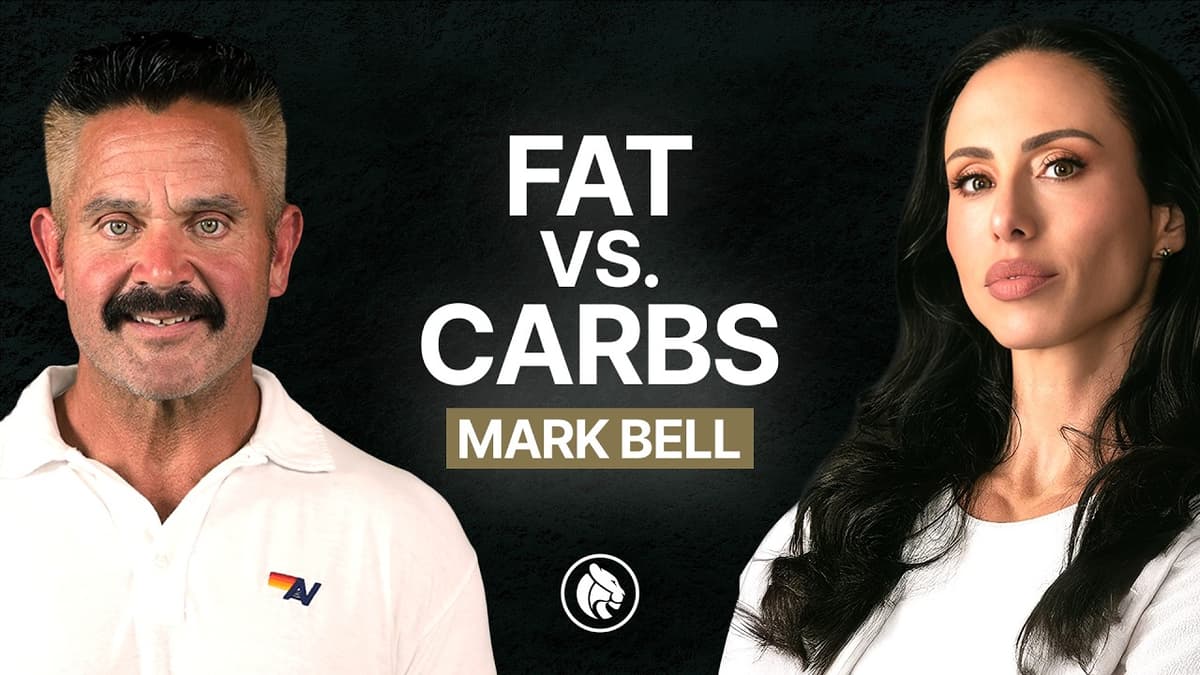
Mark Bell on Fat Vs. Carbs, What’s Really Making You Fat? | GLS #202
Mark Bell opens the conversation by redefining strength, arguing that it isn’t confined to heavy squats or bench presses. He emphasizes that strength manifests in gymnastics rings, calisthenics, daily movements, and even simple home‑based exercises, challenging the narrow gym‑centric view...
Why Are You Training but Not Seeing the Strength or Recovery You Expect?
The video reframes muscle from a mere aesthetic tool to a metabolically active organ that underpins longevity and overall health. It argues that traditional strength training overlooks the crucial role of muscle energy production. The speaker highlights emerging research showing that...
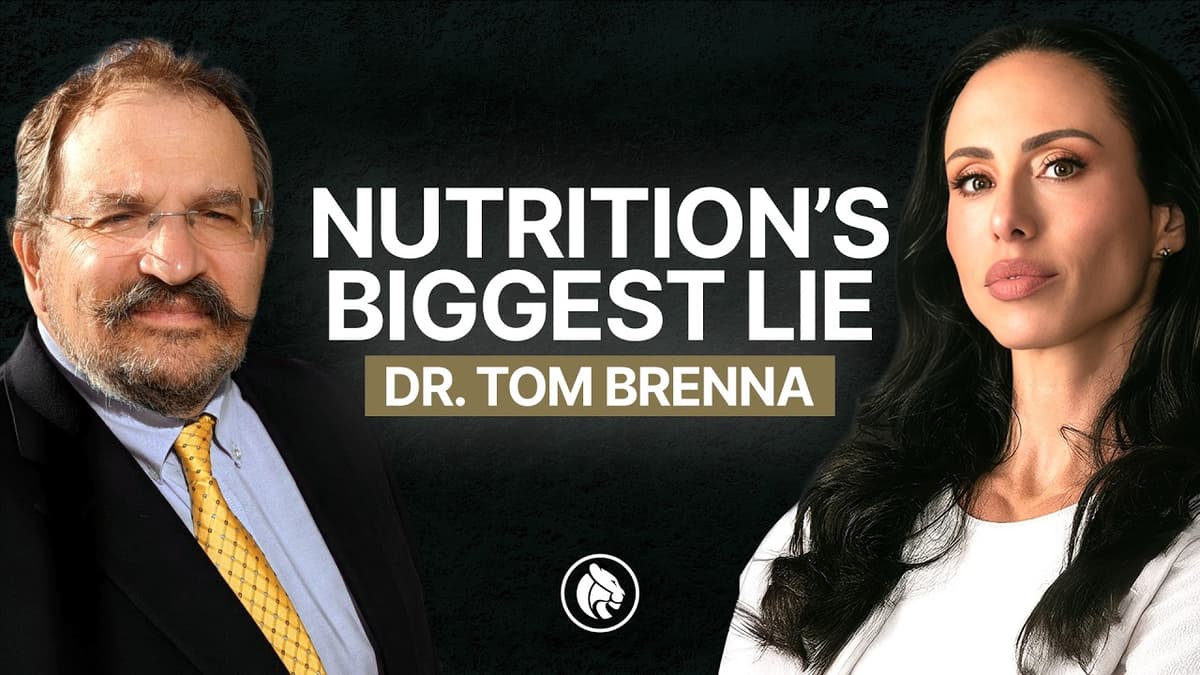
The Truth About Saturated Fat, Omega-3 Fatty Acids and Total Mortality | Dr. Tom Brenna | GLS #200
The interview with Dr. Tom Brenna centers on the controversy surrounding saturated fat, omega‑3 fatty acids, and the way national dietary guidelines have shaped public perception. Brenna argues that long‑standing warnings against fish consumption during pregnancy are unfounded and that...

What Scientists Get Wrong About Ultra-Processed Food Research | Dr. David Allison
Dr. David Allison uses a conversational interview to question the prevailing narrative around ultra‑processed foods, arguing that the term’s utility hinges on who is using it and why. For scientists probing social perceptions, the label may be a useful heuristic,...