
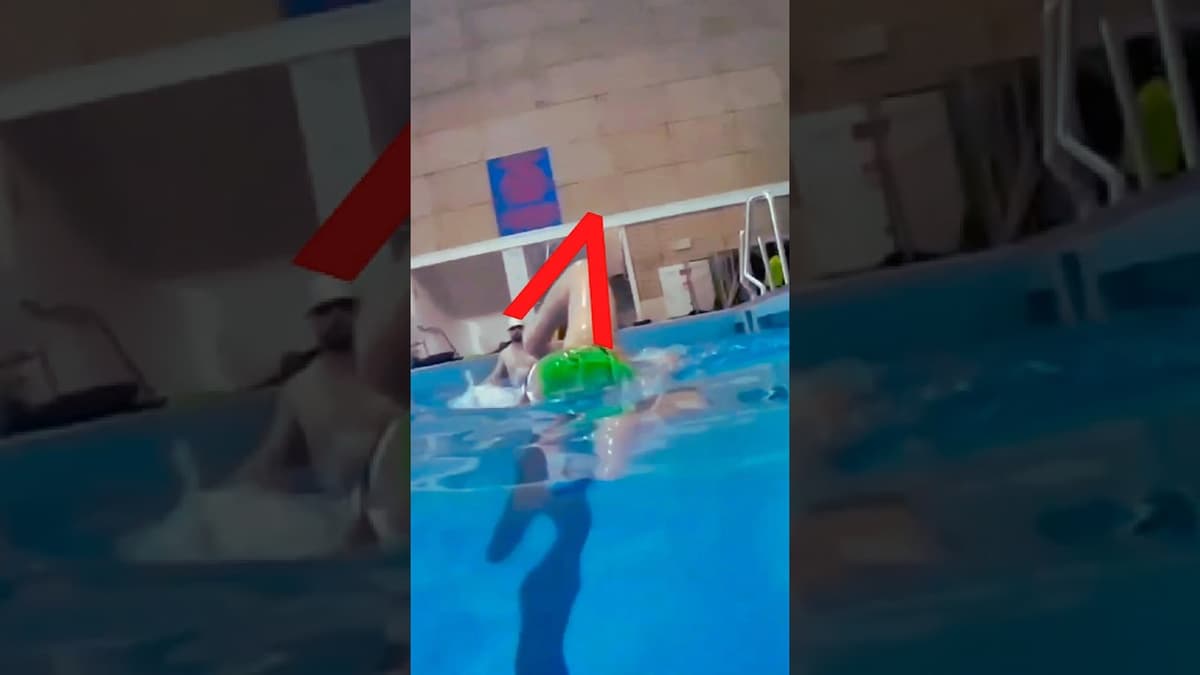
Let the Hand Travel Slightly Wider over the Water so the Shoulder Stays Relaxed...
The video focuses on refining the over‑water arm recovery in freestyle swimming, urging swimmers to let the hand travel slightly wider to keep the shoulder relaxed. A hand path that stays too close to the body can jam the shoulder, limit arm control and even trigger pain. By widening the recovery—especially the hand—the motion becomes an open, under‑arm sweep that preserves mobility and power. The instructor points out that drills like the “zipper drill,” which forces the thumb up the side, are overly restrictive. Instead, he demonstrates a wide fingertip‑drag drill, where swimmers drag their fingers while maintaining generous distance from the torso. Adopting this wider recovery reduces injury risk, enhances stroke efficiency, and gives coaches a simple cue to improve swimmers’ long‑term performance.
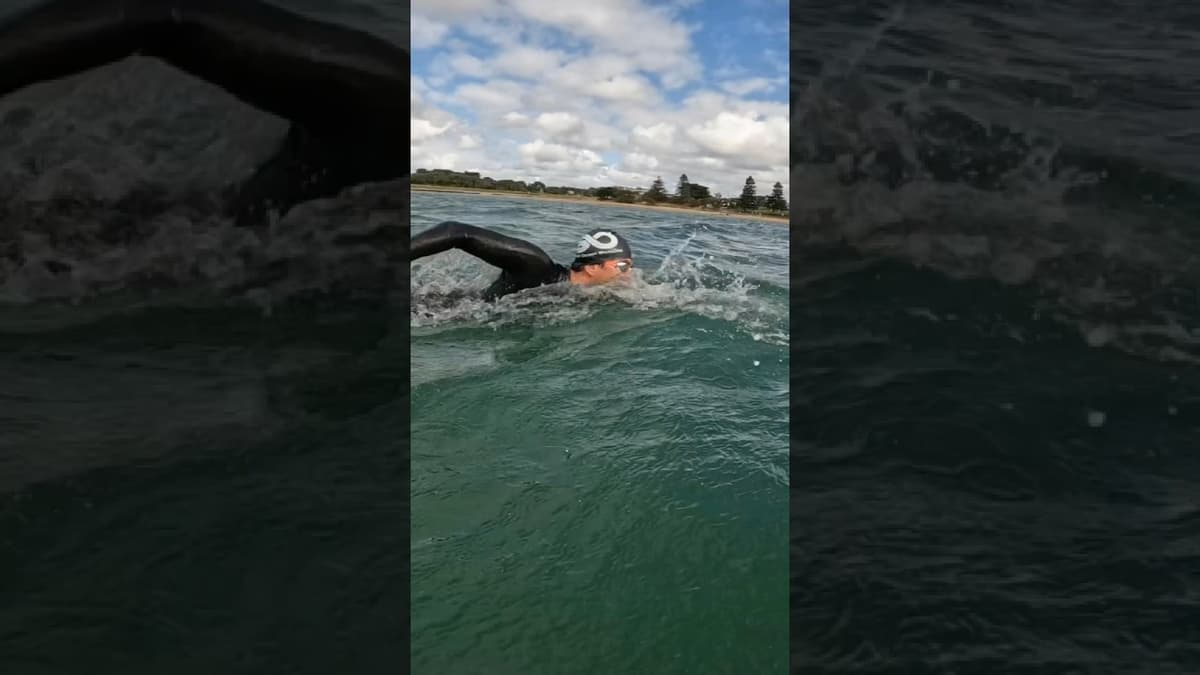
Faster in the Pool ≠ Faster in Open Water
The video explains that open‑water swimming rewards technique and strategy more than sheer speed, contrasting sharply with pool racing where raw pace dominates. Athletes who excel at drafting, sighting, and course navigation can compete effectively even against swimmers who post...
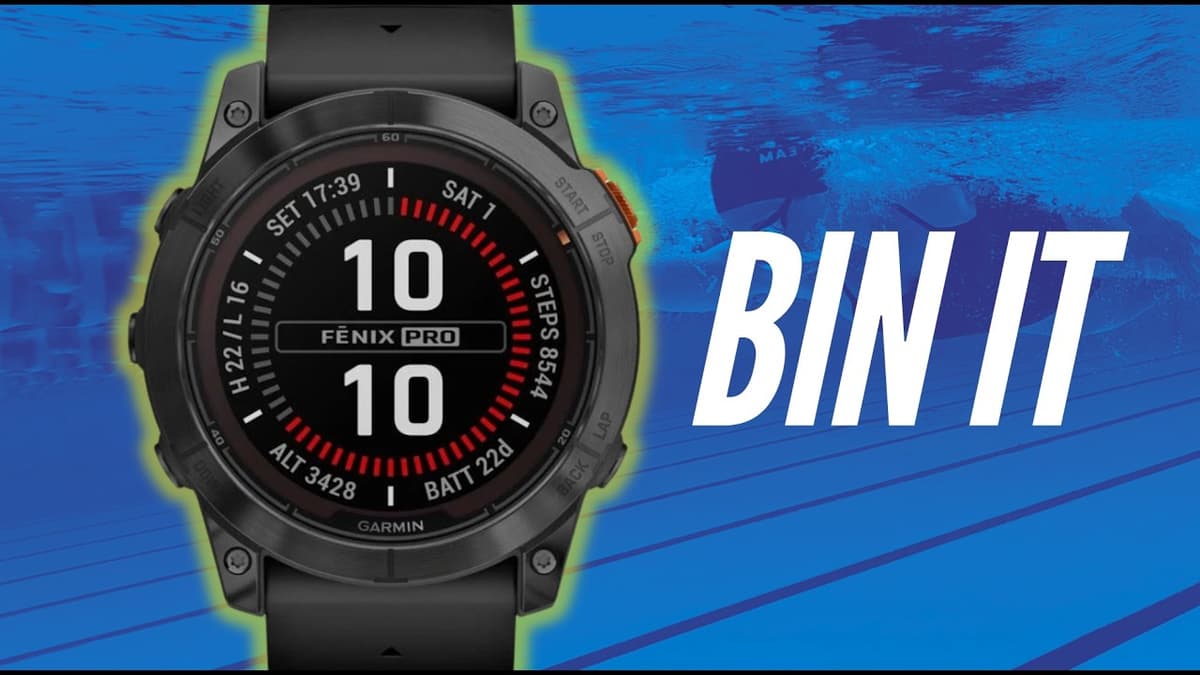
Once You Ignore Your Watch, You'll Get Faster
The video argues that relying on a wrist‑watch during pool training pulls swimmers out of the present moment, impairing the tactile feedback that drives efficient technique. By constantly checking split times, athletes become preoccupied with numbers rather than the feel...
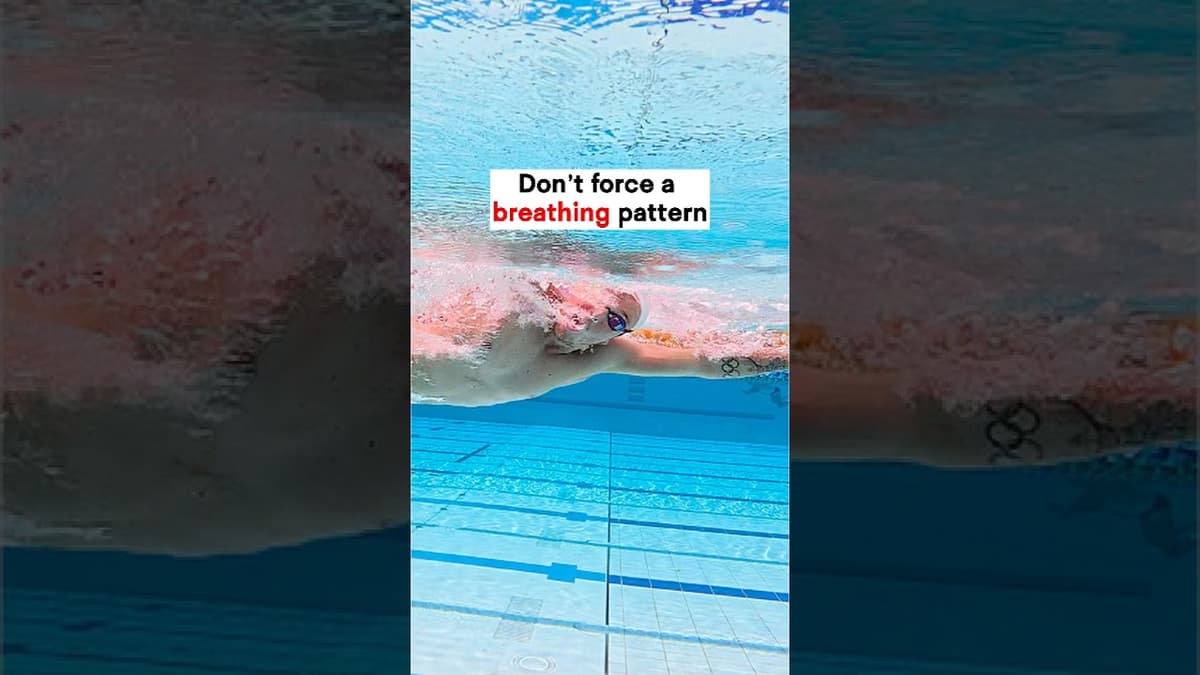
Don’t Force a Breathing Pattern Breathe as Often as You Need.
The video challenges the common rule‑of‑thumb that swimmers must breathe every three or four strokes. It argues that the primary goal should be adequate oxygen intake, urging athletes to breathe as often as required, especially when sprinting or racing. Bilateral breathing...
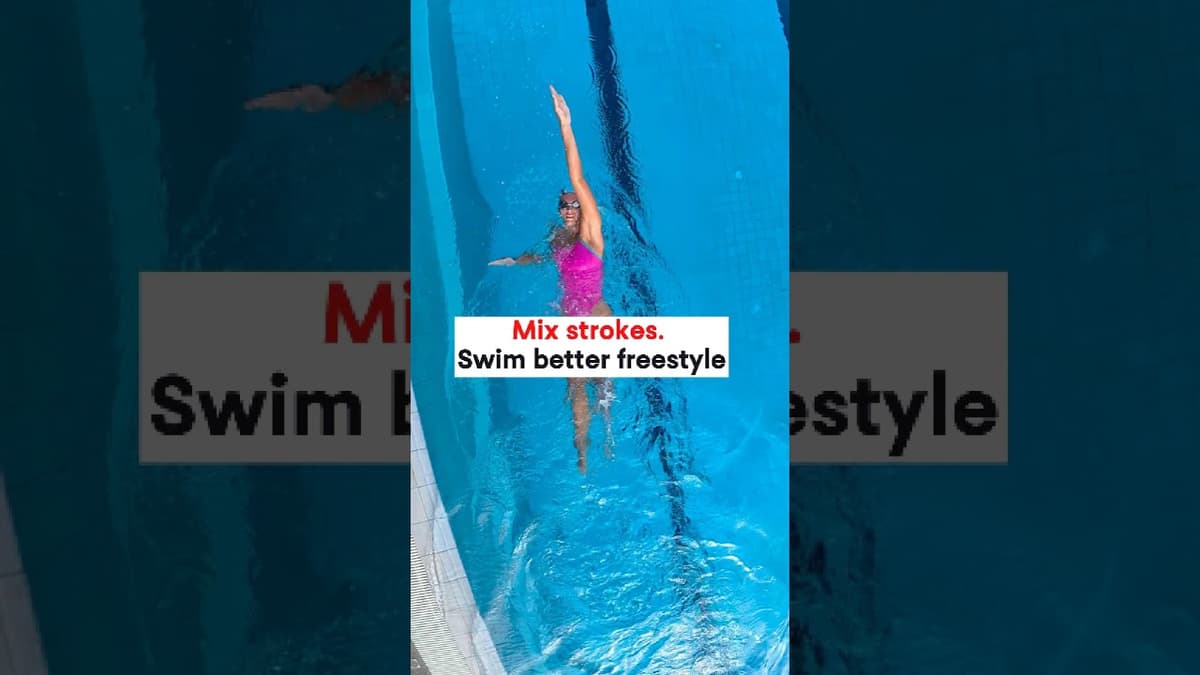
Add Backstroke or Breaststroke for Recovery and Better Feel in the Water.
The video advises swimmers to add backstroke or breaststroke into their workouts, not just for variety but as a deliberate micro‑habit that supports recovery and overall technique. Mixing these strokes gives the lats a break, balances muscle use, and can actually...
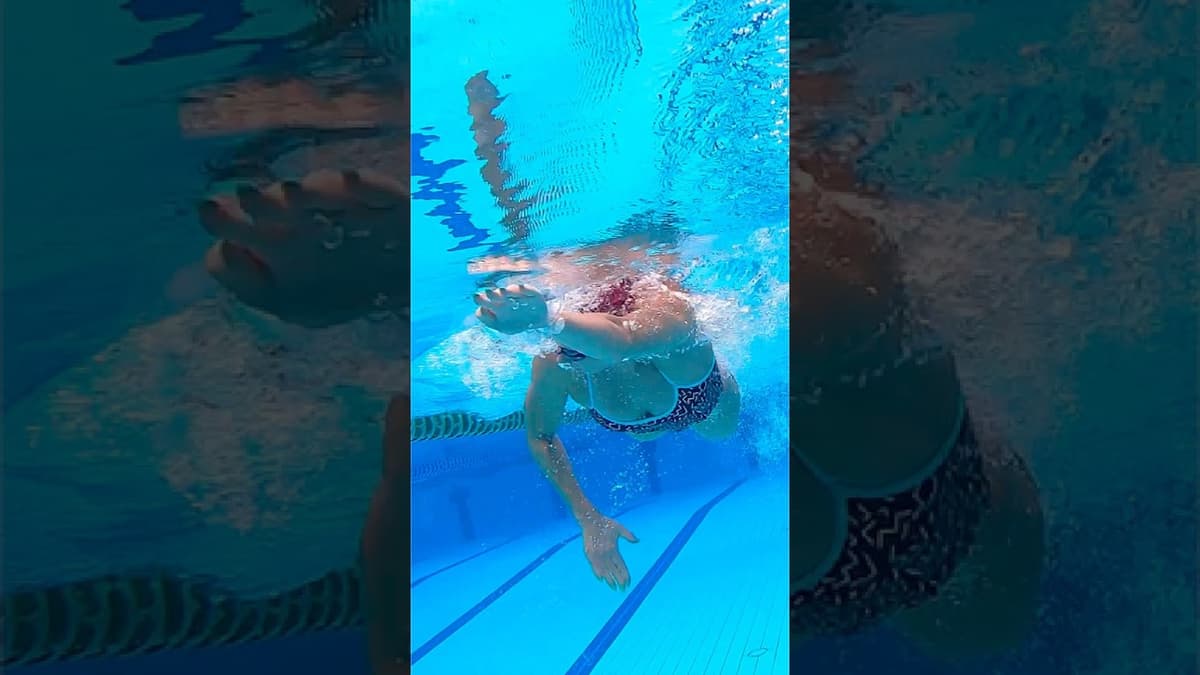
Send in Your Swim Video and Get Expert Feedback!
The video invites swimmers to submit their own footage for professional critique, demonstrating a hands‑on coaching approach that focuses on stroke mechanics. The coach highlights several technical adjustments: elbows should open slightly wider than the shoulders during the recovery phase, fingertips...
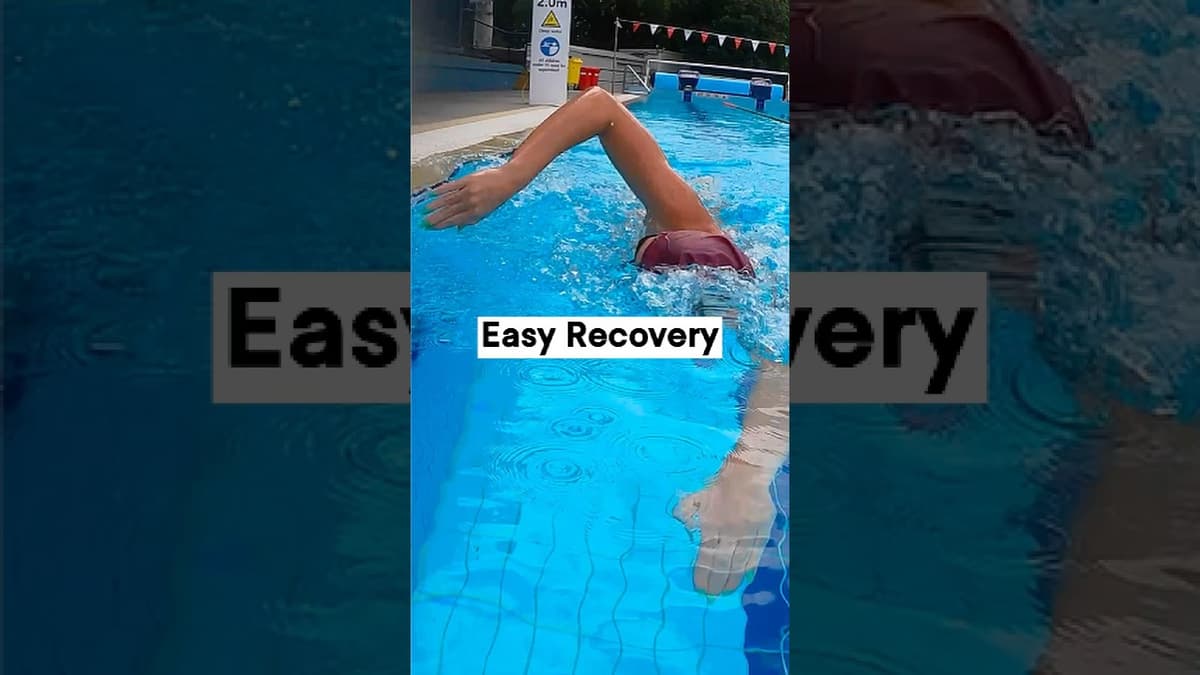
Rotate Enough to Easy Recover, but How Much, Everyone Is Different...
The video addresses the mechanics of shoulder rotation during the over‑water recovery phase of swimming, emphasizing that adequate rotation is essential for a relaxed, efficient arm swing. It warns against a flat, overly wide recovery that can jam the shoulder,...
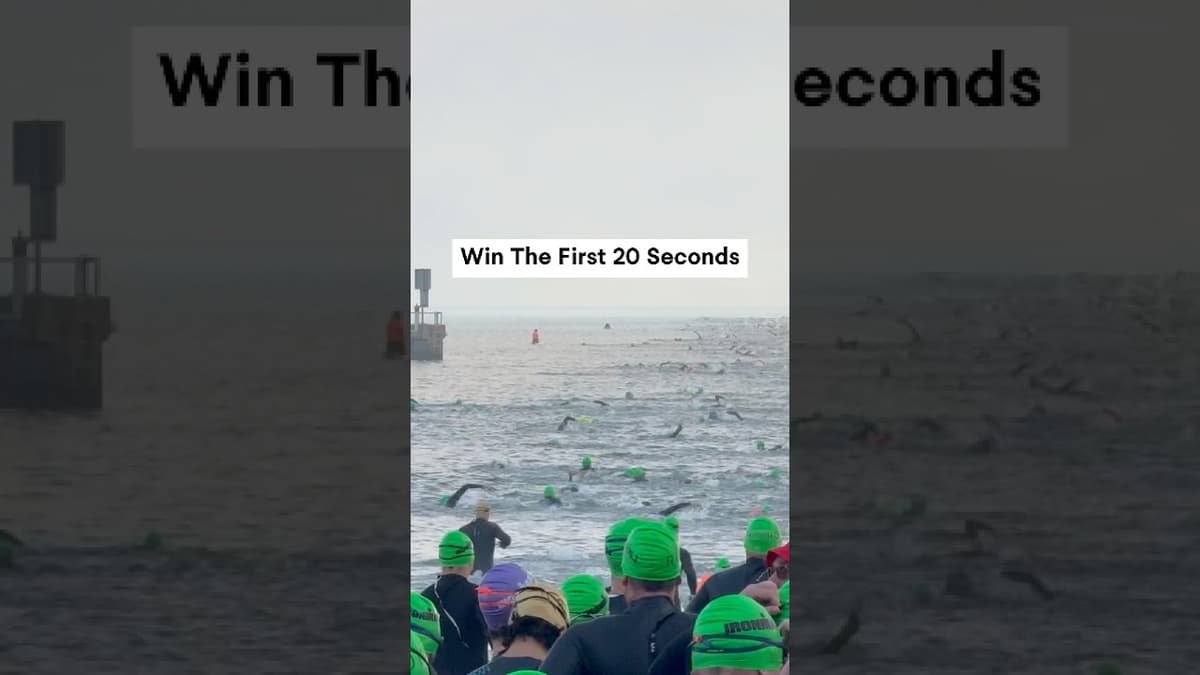
Get This Swim Start Right and You Can Save Free Seconds Before You Even Start Swimming.
The video explains how a proper beach‑start technique can shave precious seconds from a triathlon swim segment. Athletes are urged to lift their feet high and swing them outward as they sprint toward the water, while keeping elbows wide to raise...

How To Conquer The English Channel When You Live In The Desert with Brendan Cullen
The Effortless Swimming podcast featured Brendan Cullen, a 52‑year‑old sheep and cattle station manager from the Australian outback, who completed the English Channel in 2022 despite growing up far from any pool or coastline. Cullen’s journey began with a chance...
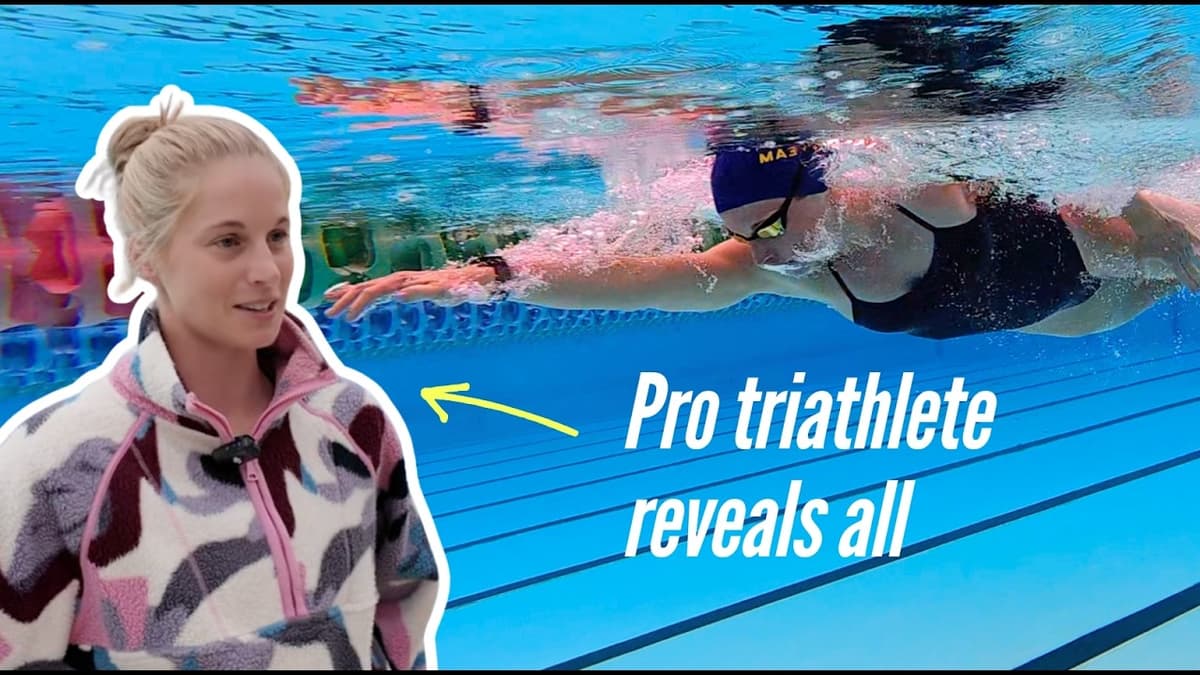
Secrets To Fast Freestyle with Steph Clutterbuck
The video features professional triathlete Steph Clutterbuck dissecting the mechanics behind her viral freestyle, moving beyond Instagram clips to explain how she consistently posts top‑10 swim splits at world‑class events. Clutterbuck emphasizes that head position must adapt—lower in the pool, higher...
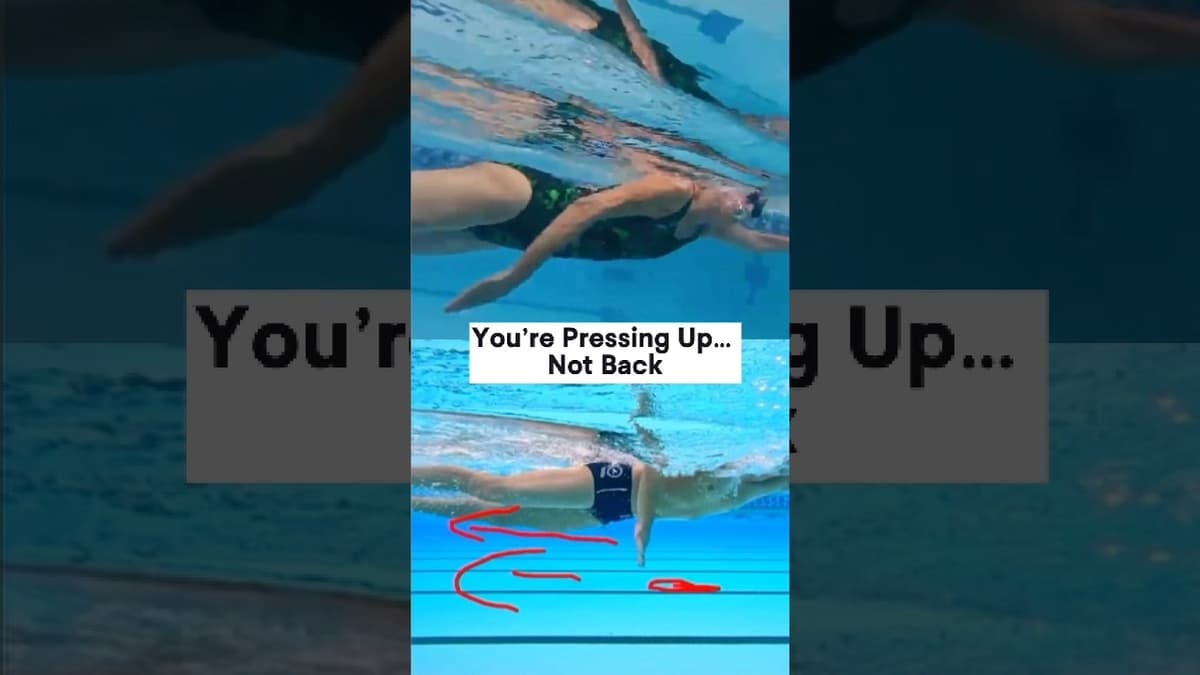
Think Tricep Extension and Press Back Toward the Hip so the Press Back Drives the Forward Reach
The video breaks down a specific rowing cue: think of the triceps extension and press back toward the hip at the peak of the stroke to maximize propulsion. Instead of lifting the hand upward, the athlete should drive the water...
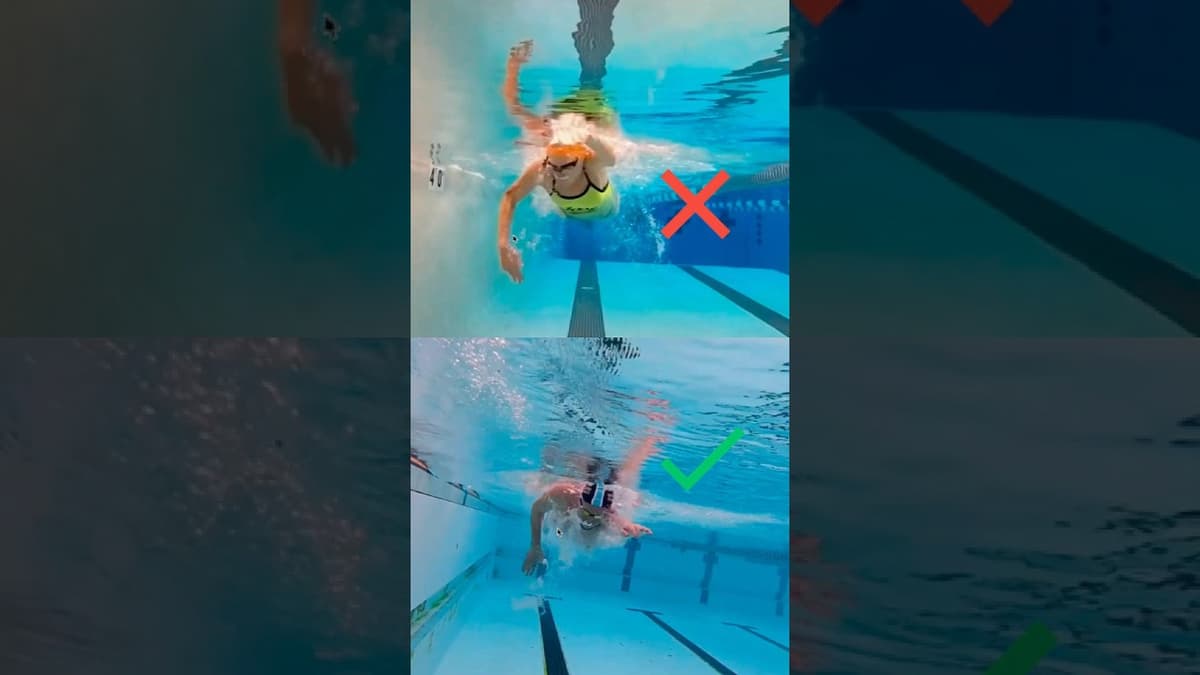
Let the Arm Close in Through the Back Half so You Can Use the Tricep and Lats More Effectively
The video focuses on a subtle but powerful swimming adjustment: drawing the arm close to the torso during the back half of the pull. By narrowing the space between the upper arm and the body, swimmers can better harness triceps...
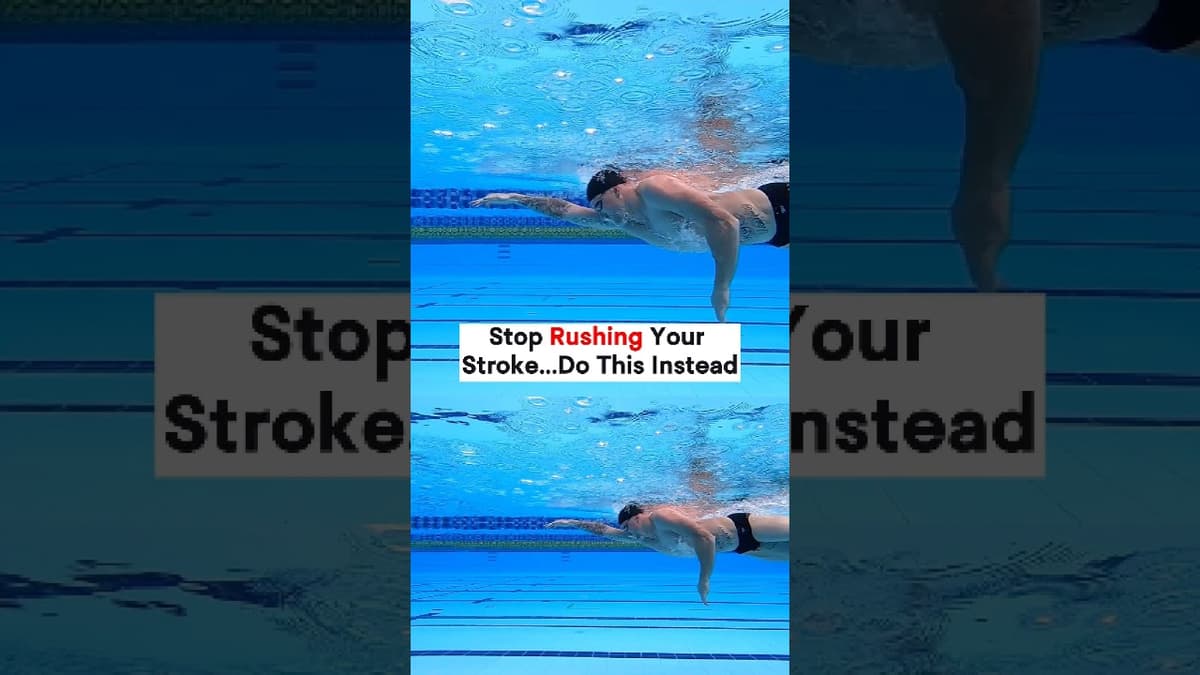
If Your Stroke Feels Rushed, Try This
The video teaches swimmers a straightforward mental cue—counting "1 2 3" repeatedly—to establish a steady freestyle rhythm. By internalizing this simple pattern before stepping into the pool, athletes can synchronize their arm pull, breathing, and body roll without relying on...
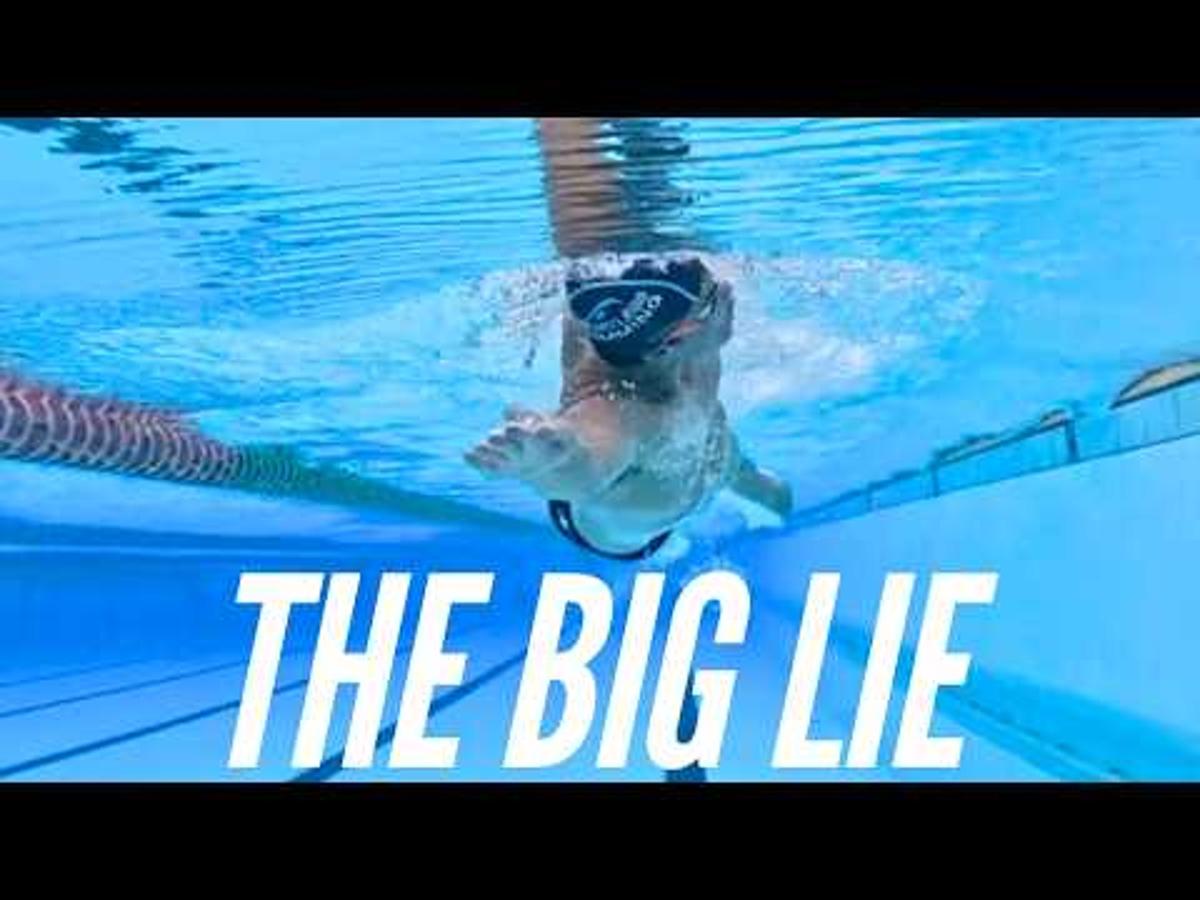
Why You've Been Taught To Over-Rotate
The video tackles a pervasive flaw among novice swimmers: excessive body rotation, or over‑rotation, which compromises balance and power. It contrasts the flat‑body approach—where hips and shoulders stay level—with the opposite extreme of rotating 90°, explaining why both extremes hinder...
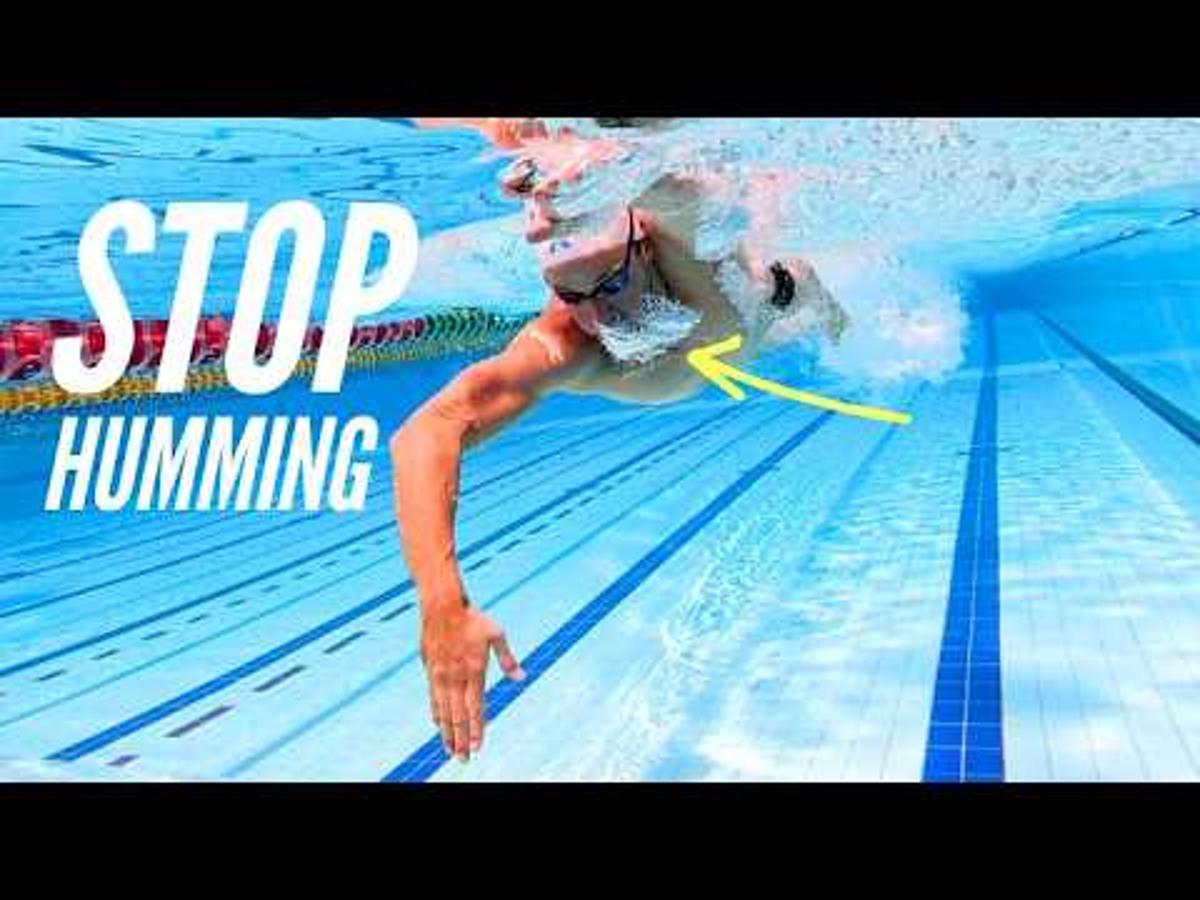
The Real Reason You Are Out Of Breathe
The video addresses why swimmers who have logged six months or more of training still gasp for air before reaching the 50‑meter mark, pinpointing breathing rhythm and body position as the hidden culprits. The coach explains that an immediate, full exhale...