

Can EVs Be Hacked? Chinese EVs, Connected Cars & the Real Cybersecurity Risk
The video examines whether electric vehicles are uniquely vulnerable to hacking, and why the recent Canadian ban on Chinese EVs has sparked a broader debate about the security of all connected cars. Since 2015, researchers have demonstrated remote exploits such as the Jeep Cherokee hack, where wipers, climate control and even transmission speed were commandeered over the internet. Subsequent findings, including a 2020 Nissan Leaf vulnerability, show that the issue transcends powertrains; roughly 90 % of new cars sold in Canada have a cellular or satellite link, and 47 % are permanently online, turning every vehicle into a data‑rich computer. The speaker proposes three safeguards: a physical “kill switch” that disconnects the vehicle’s radio hardware, a consumer bill of rights that mandates a disclosed software‑support lifespan and open‑source patches, and regular, random third‑party security audits rather than one‑time compliance tests. Implementing these measures would give owners tangible protection, reduce regulatory uncertainty, and preserve confidence in EV adoption while preventing privacy abuses and potential safety breaches that could arise from unchecked connectivity.

EV Motors Aren’t Done: Inside the Next Wave of EV Drive Units
The webinar hosted by Monroe & Associates dives into the often‑overlooked heart of electric cars – the motor and drive unit – while framing the discussion with recent battery cost trends. Turnbull highlights that sodium‑ion chemistry is now in mass production,...

Why Electric Trucks Could Beat Diesel Sooner Than Expected
The video argues that diesel‑fuel trucks are losing ground as fuel prices surge and become erratic, while electric trucks are reaching cost‑parity and operational viability, especially in Ontario’s freight‑heavy corridors. Volatility has pushed diesel prices up nearly 50 % in recent months,...

Are EVs Still Clean on a Dirty Grid?
Electric vehicles remain cleaner than internal combustion cars over their lifetimes, but the carbon footprint of charging varies widely by location, time of day, season and how a grid sources and trades electricity. Electricity Maps provides real-time, regionally granular data...

Who Controls the EV Future?
The video asks who really controls the electric‑vehicle future, arguing that control lies not in raw‑material ownership but in the industrial middle of the supply chain. Analyst Mike Bernard explains how China has built a dominant position in refining, chemical...
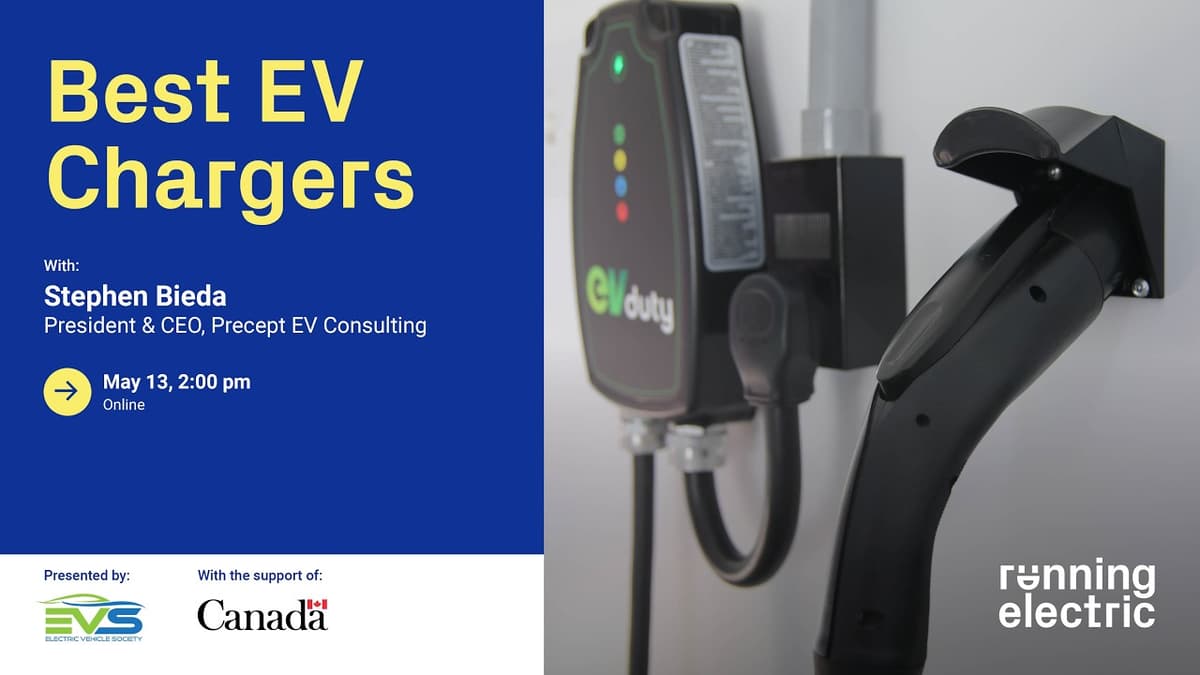
Choosing The Best EV Home Charger
The webinar, led by EV‑infrastructure veteran Steven Bea, walks Canadian homeowners through the often‑overlooked complexities of selecting and installing a residential electric‑vehicle charger. Bea emphasizes that the right charger hinges on a clear understanding of the home’s electrical panel size,...

The Next Generation EV Batteries
The presentation by Dr. Toby Bond of the Canadian Light Source examines how next‑generation electric‑vehicle batteries are moving from laboratory hype to production‑scale reality. He outlines the chemistries already in cars today and highlights the technologies poised to reshape range,...

EV Charging Surge in Canada?
The video examines Canada’s fast‑charging landscape, showing near‑10,000 ports nationwide as of March 2026 and a 30 % yearly expansion since 2020. Most charging still occurs at home, but public fast chargers are crucial for road‑trippers and apartment dwellers. Ontario, Quebec and British...

EVs vs Gas, $30,000 Cheaper?
Clean Energy Canada released an updated analysis, presented by Trevor Melanson, that quantifies the total cost of ownership for electric vehicles versus conventional gasoline models across Canadian households. The new MyCleanBill.ca tool lets users input province, home type, and vehicle...

EV Battery Damage Real World Data
The video examines real‑world electric‑vehicle battery health against laboratory‑derived charging limits. While earlier research, cited by Dr. Don, advised keeping state‑of‑charge (SOC) below 75% to protect chemistry, the presenters analyze field data to test that guidance. By comparing two usage cohorts...
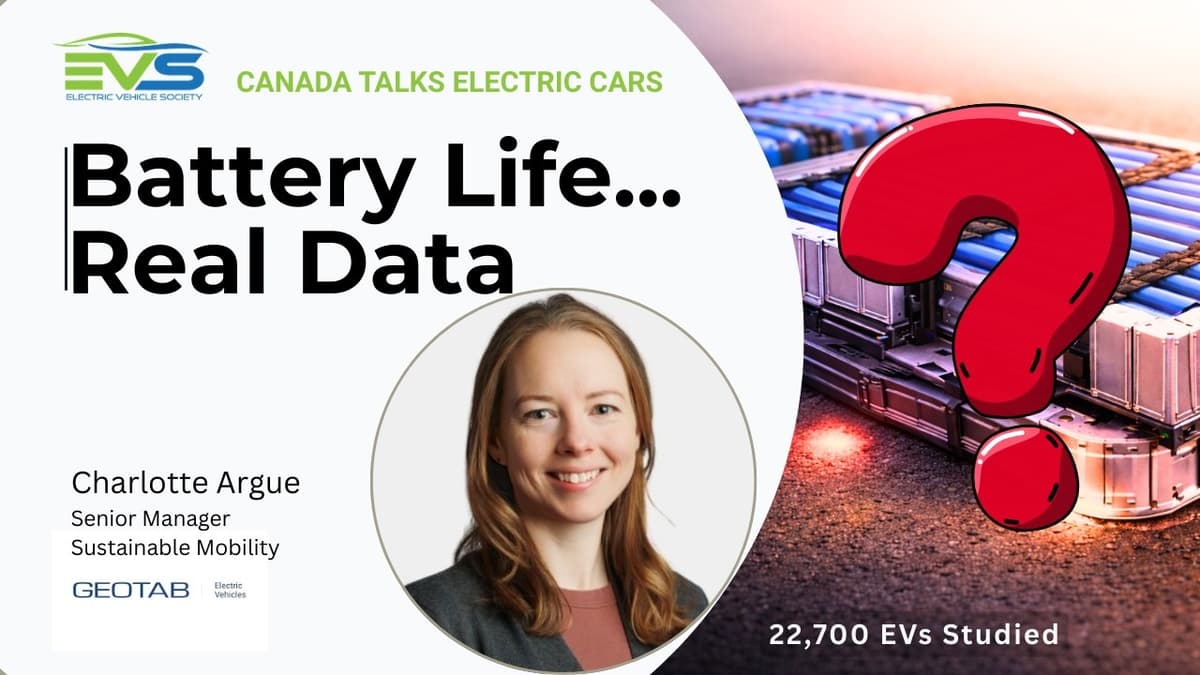
Battery Life... The Real Data
The video presents Geotab’s latest analysis of electric‑vehicle battery health, covering more than 22,700 EVs across 21 models. Charlotte Argu explains how the company uses telematics to calculate state‑of‑health from real‑world charging and driving events, rather than relying on manufacturer‑reported...

Are We at an EV Tipping Point?
The video examines whether the North‑American electric‑vehicle market has reached a tipping point, using Canada as a case study and insights from EV‑charging expert Brody Hodgson. It frames the discussion around three pillars—policy support, total‑cost‑of‑ownership parity, and expanding model availability—while...