
Recent Posts
Video•Feb 25, 2026
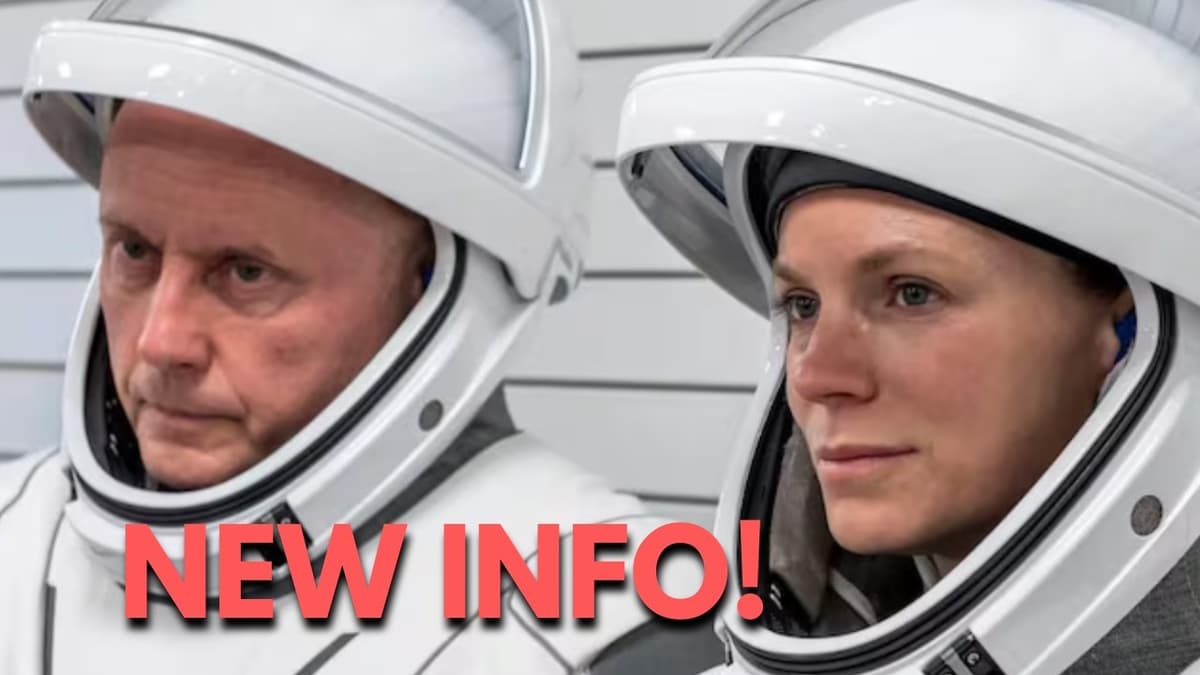
NASA Reveals Which Astronaut Had Medical Emergency on ISS
The video reports NASA’s official identification of astronaut Mike Frink as the crew‑11 member who suffered a medical event aboard the International Space Station, prompting an early return of the entire expedition. NASA explained that the condition, while serious, was stabilized by fellow crew members and flight surgeons, but the station lacks the advanced imaging needed for definitive diagnosis, leading to a coordinated early splash‑down on Jan. 15 rather than an emergency deorbit. The agency’s statement highlighted Frink’s 58‑year‑old veteran status—nine spacewalks, 549 days in orbit, fourth‑most for a NASA astronaut—and noted his ongoing post‑flight rehabilitation at Johnson Space Center, underscoring the human limits of long‑duration missions. This marks the first medical‑driven evacuation in the ISS’s 25‑year history, raising questions about onboard medical capabilities and contingency planning, while the video also updates on unrelated delays to the SLS rollout and a tentative April launch window for SpaceX’s Starship.
By Ellie in Space
Video•Feb 13, 2026
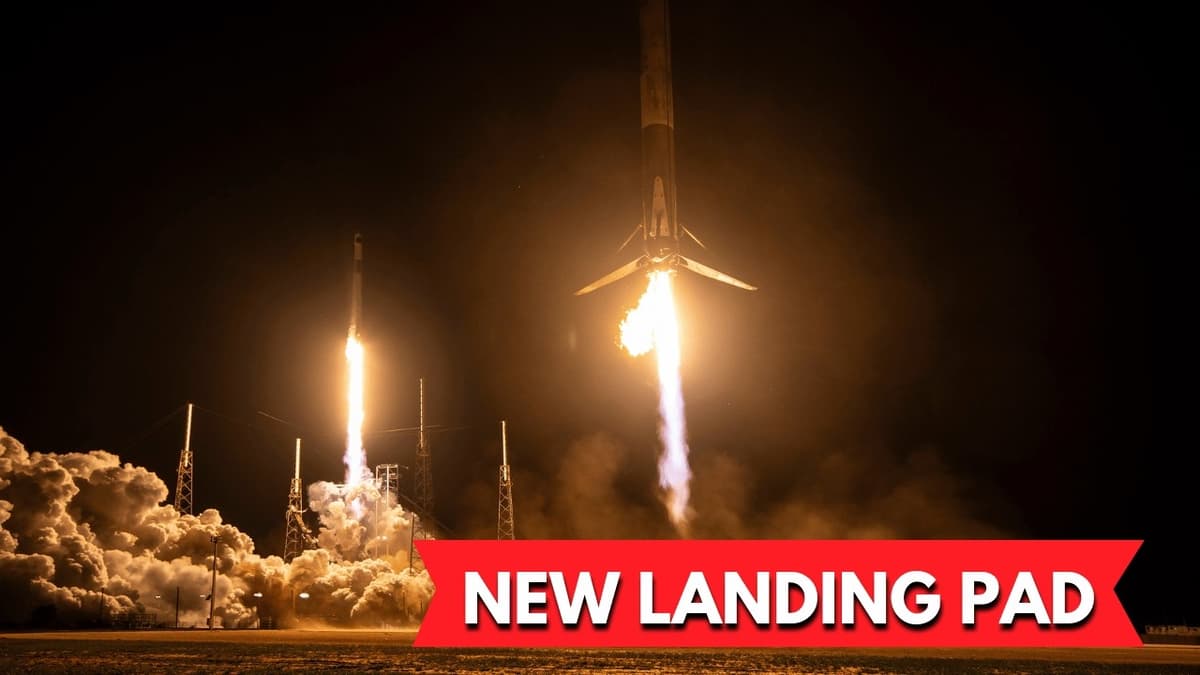
Crew 12 Launches, New Landing Pad Debuts, and Mr. Beast Is Going to Put Someone in Space!?
SpaceX’s Crew‑12 mission lifted off, delivering a Russian cosmonaut, two NASA astronauts and an ESA astronaut to the International Space Station, ending a month‑long period when the outpost operated with only three crew members after the first ever medical evacuation....
By Ellie in Space
Video•Feb 11, 2026
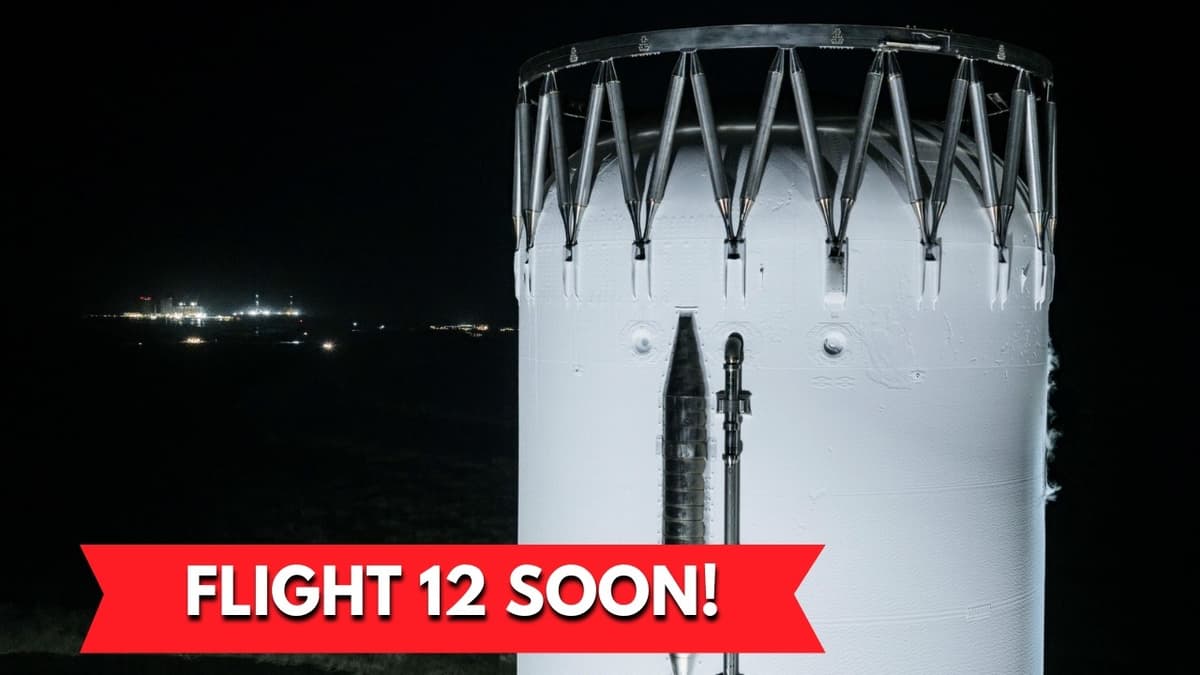
SpaceX Passes Major Milestone for Starship, Plus Tesla Kept Me Safe From Crash!
SpaceX announced the successful completion of cryogenic‑proof operations on its Super Heavy V3 booster, marking a critical step toward the anticipated Flight 12 launch, now targeted for early March. The test, conducted on February 10, validated the redesigned propellant system and structural...
By Ellie in Space
Video•Feb 11, 2026
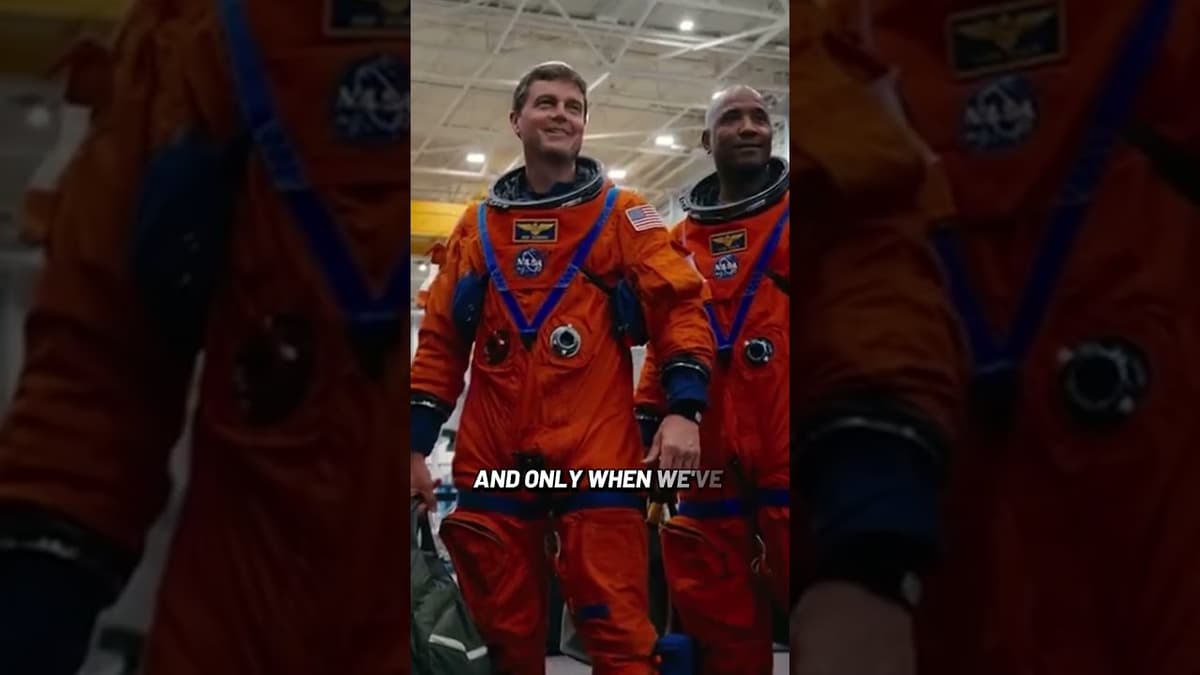
NASA Administrator Shares How to Balance Safety First with a Ticking Clock #nasa #moon #artemis
NASA Administrator emphasized the tension between a "safety‑first" mindset and the ticking clock driving the Artemis program, noting that while safety cannot be compromised, deadlines for returning humans to the Moon are pressing. He outlined how NASA internalizes lessons from past...
By Ellie in Space

Video•Feb 6, 2026
NASA Finally Clears iPhones for Crewed Missions!!!
NASA announced that modern iPhones are now cleared for use on upcoming crewed flights, starting with Crew‑12 and the Artemis 2 lunar mission. The move replaces the aging 2016 Nikon DSLR and decade‑old GoPro cameras that were slated for the Artemis 2...
By Ellie in Space
Video•Feb 6, 2026
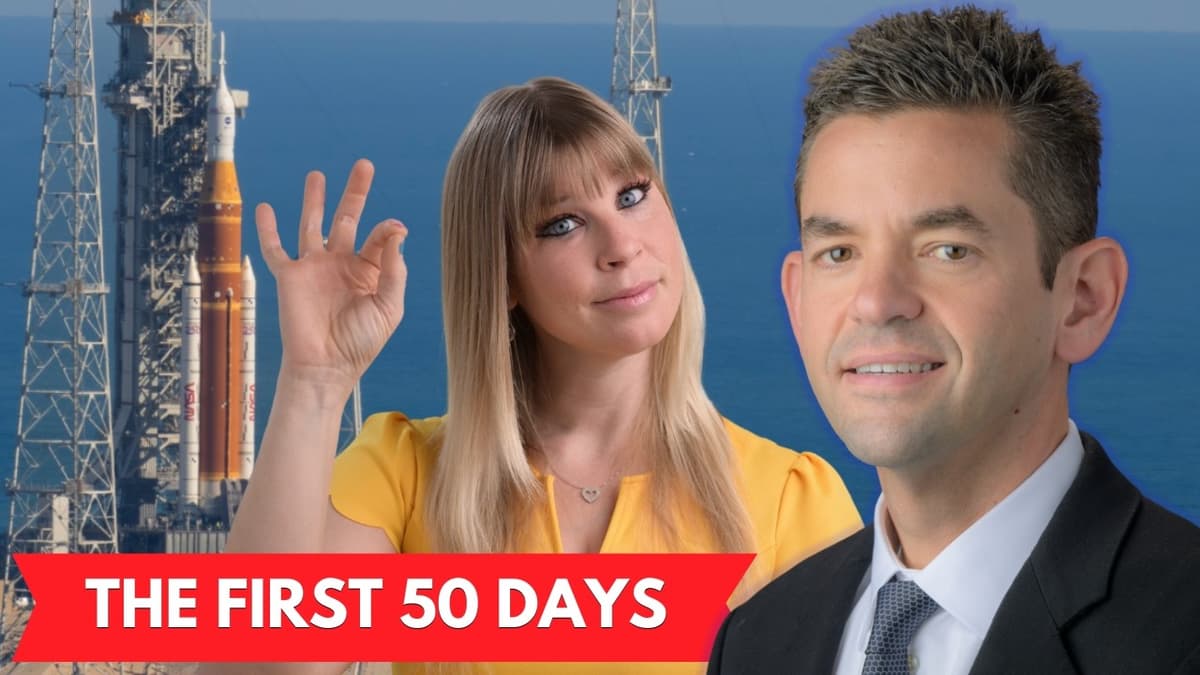
My Talk With Jared Isaacman: 50 Days as Head of NASA
Jared Isaacman’s first 50 days as NASA’s administrator have been marked by an intense, 18‑hour‑a‑day work cadence as he confronts the agency’s most pressing challenges, from the Artemis lunar program to internal workforce dynamics. He has toured every NASA center,...
By Ellie in Space
Video•Jan 8, 2026
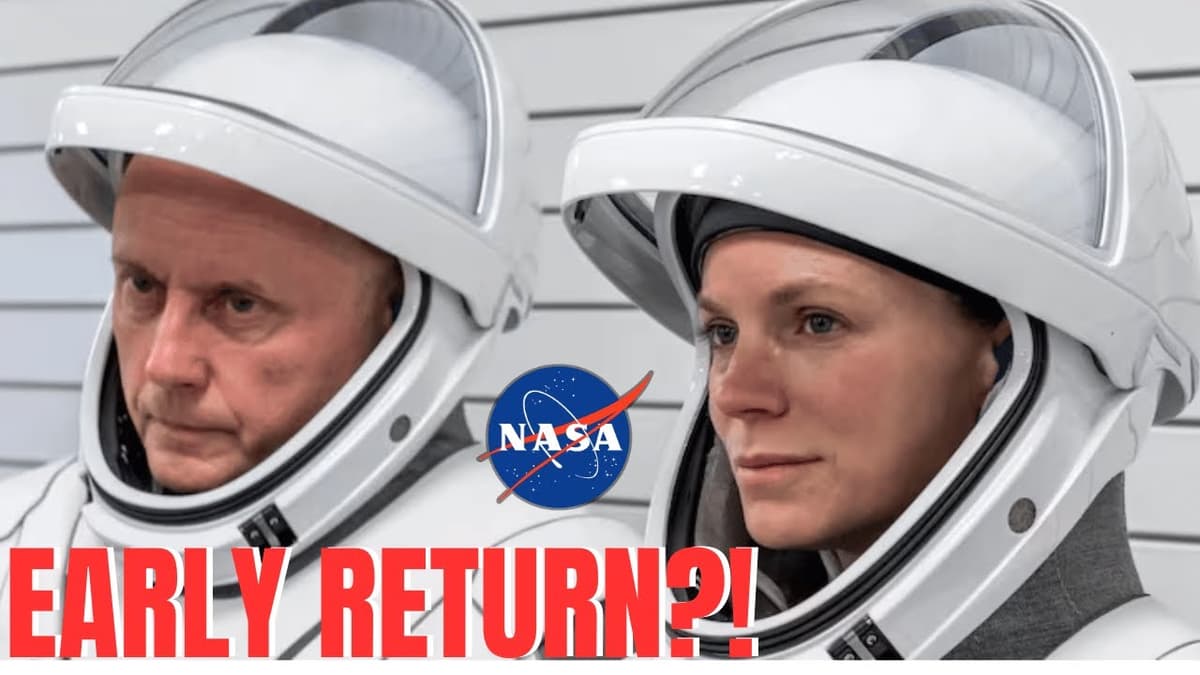
Spacewalk Canceled, Medical Issue Prompts Rare Talk of Early ISS Crew Return
NASA is weighing an unprecedented early return for International Space Station Expedition 11 after canceling a planned Thursday spacewalk, citing an unspecified medical issue affecting one crew member. The decision marks a rare public acknowledgment of a health concern in...
By Ellie in Space
Video•Jan 6, 2026
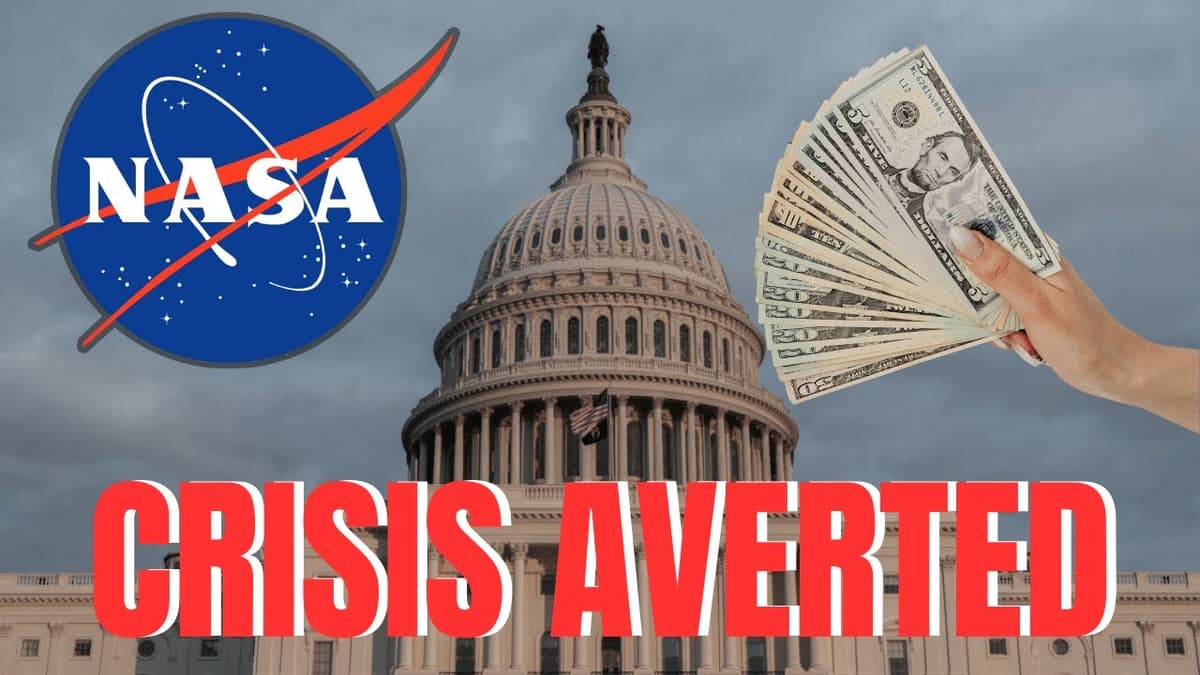
NASA's Budget Not a Complete Disaster, Bad News for Mars Sample Return
Congress approved a FY2026 appropriations bill that allocates $24.4 billion to NASA, a figure far above the White House’s $18.8 billion request and only slightly below the agency’s recent spending. The legislation, part of a “mini‑bus” package with NOAA and NSF, signals...
By Ellie in Space

Video•Jan 5, 2026
Why Is #starlink Lowering All of Its Satellites? 🛰️ #spacex #elonmusk
Starlink announced a constellation-wide altitude shift, moving roughly 4,400 satellites from a 550‑kilometer shell to a 480‑kilometer orbit by 2026. The plan, outlined by VP of Starlink engineering Michael Nichols, is framed as a safety‑first reconfiguration coordinated with regulators, other...
By Ellie in Space