Video•May 5, 2026
Fantasy Guide ⚙️ Steampunk, Gaslamp, and Silkpunk Fantasy
The video serves as a primer on three closely related fantasy sub‑genres—steampunk, gas‑lamp, and silkpunk—explaining how each is defined and where they diverge. Gas‑lamp is positioned as a historically rooted, urban fantasy with supernatural elements, while steampunk leans toward retro‑futuristic technology and industrial revolution motifs. Silkpunk, by contrast, draws on Asian cultural motifs and natural materials such as silk, paper, and bamboo, creating a distinct aesthetic from the Eurocentric roots of steampunk.
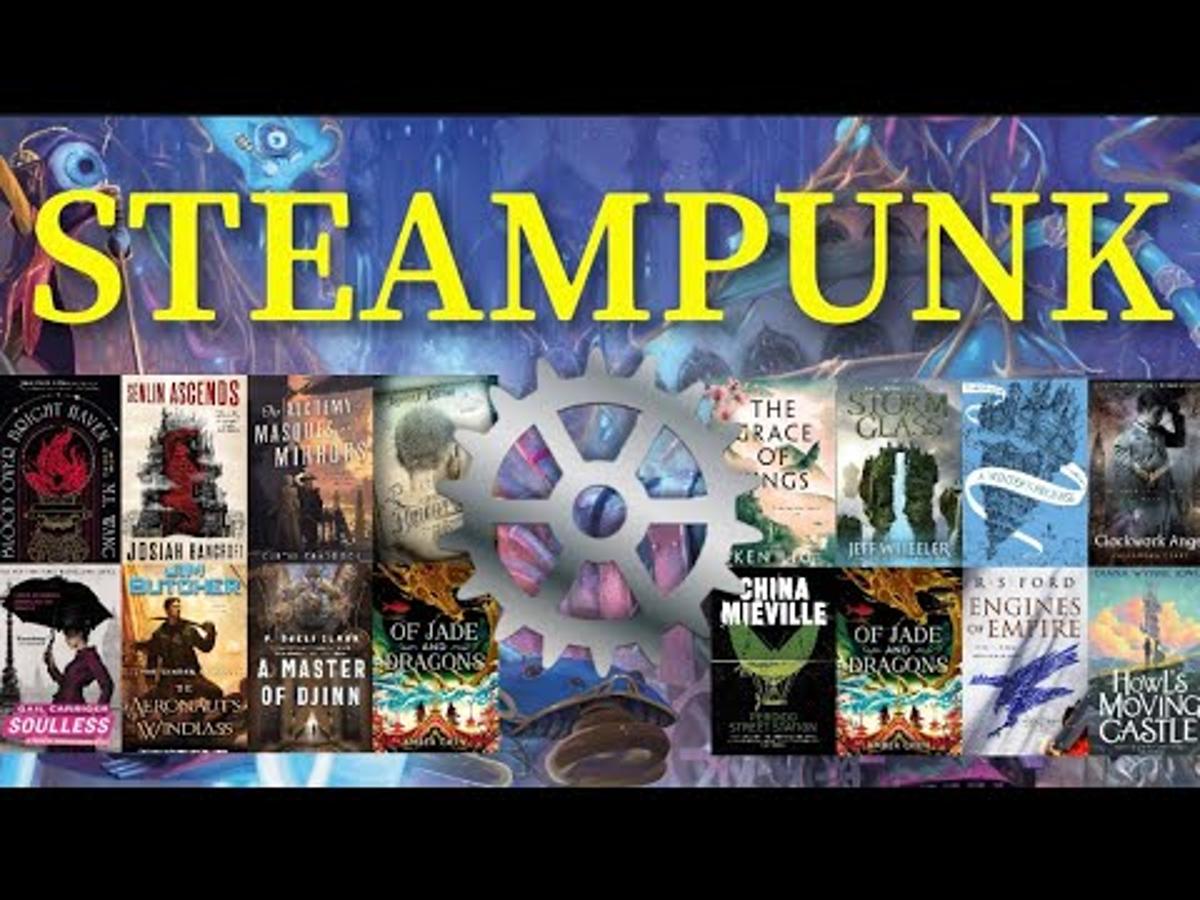
Key insights include the importance of sub‑categorization: the creator breaks down each genre into fairy‑tale, new‑weird, romance, arcane‑punk, noir mystery, historical, flint‑lock, and action‑adventure buckets. By mapping specific titles—Grace of Kings, Misborn Era 2, Purto Street Station, Soulless, and Legacy of Brightwash—into these niches, the guide shows how genre‑bending works in practice, mixing elements like detective noir with magical urban settings or combining steampunk tech with new‑weird horror.
Notable examples illustrate the fluid boundaries: Misborn Era 2 blends flint‑lock weaponry, magic, and detective tropes; Purto Street Station exemplifies new‑weird absorbing steampunk aesthetics; and Soulless demonstrates pure gas‑lamp urban fantasy with vampires and demonic entities. The presenter also stresses visual media—anime, games, and shows—as vital for conveying the distinctive look, especially for audiences with aphantasia, and highlights how casual usage of the terms often blurs academic precision.
The implications are clear for creators and publishers: understanding these nuanced distinctions enables more targeted marketing, clearer reader expectations, and richer world‑building. By treating the sub‑genres as umbrella categories with internal sub‑bends, creators can experiment without alienating fans, while readers gain a roadmap to discover stories that match their aesthetic preferences.