
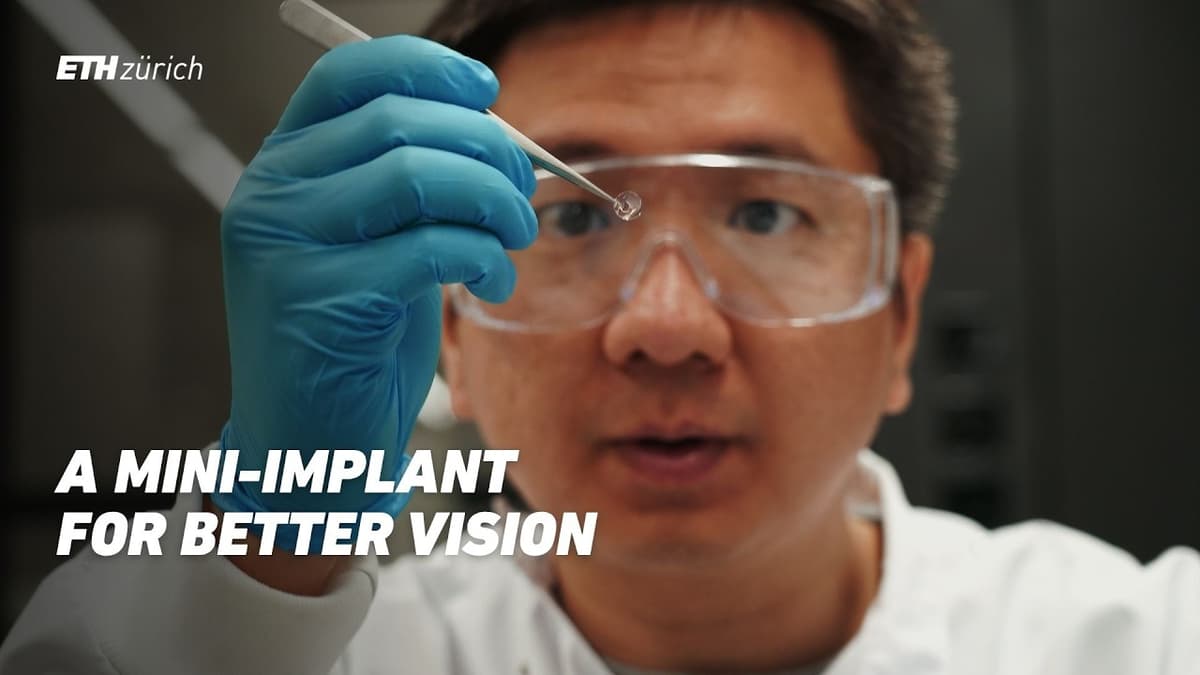
A New Treatment for Keratoconus: Lab-Made Hydrogel Implant Could Restore Vision
A team at ETH Zurich has unveiled a lab‑made hydrogel corneal implant designed to treat advanced keratoconus, a progressive thinning disease that currently forces most patients to await scarce donor tissue. The synthetic gel replicates the biomechanical and optical properties of the native cornea, allowing it to be inserted via a standard laser procedure, unfold, and assume the correct curvature. By eliminating the need for human donors, the material promises scalable manufacturing and lower price points. Material scientist Shuo Li, whose family includes ophthalmologists, highlighted successful animal trials that demonstrated safe implantation and stable visual outcomes. He emphasized that the implant’s design was driven by the global 98 % donor‑tissue shortage. If the upcoming pilot clinical study confirms safety and efficacy, the technology could shift keratoconus treatment from a transplant‑dependent model to an off‑the‑shelf solution, potentially restoring vision for millions and reshaping the ophthalmic device market.
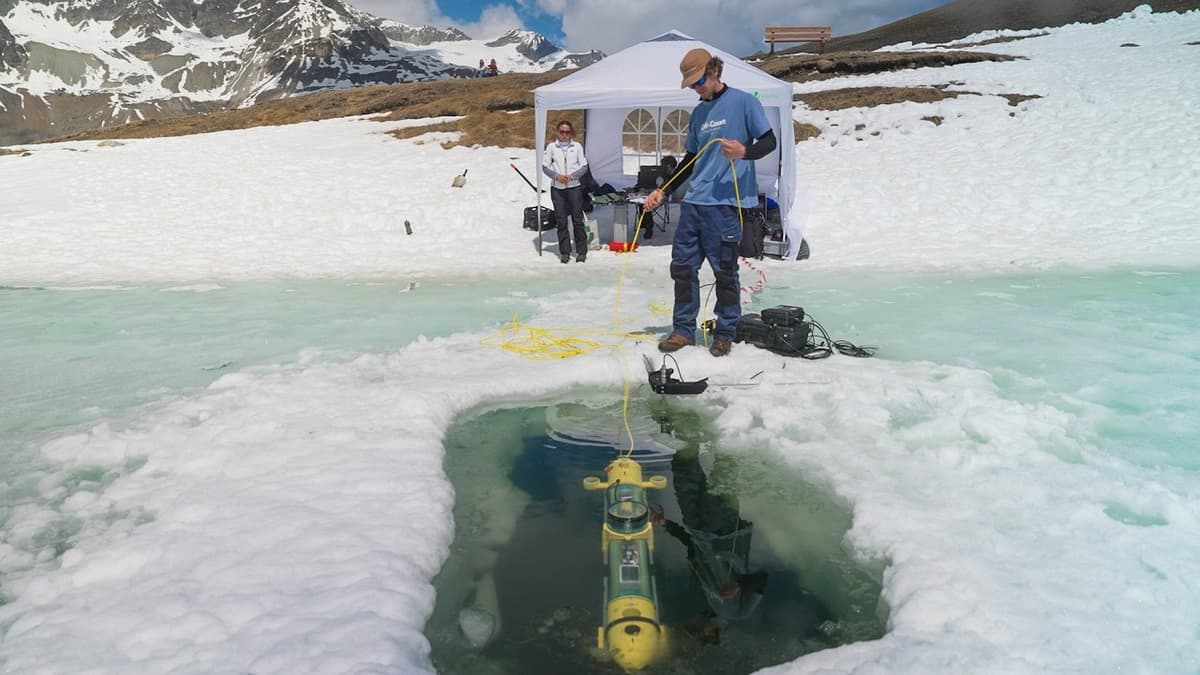
Underwater Robot Measures Ice Thickness
The video showcases a Zermatt test of an underwater robot designed to measure ice thickness from below, eliminating the need for personnel to step onto potentially hazardous ice surfaces. The robot, nicknamed Polaris, is housed in a torpedo‑shaped shell containing electronics,...
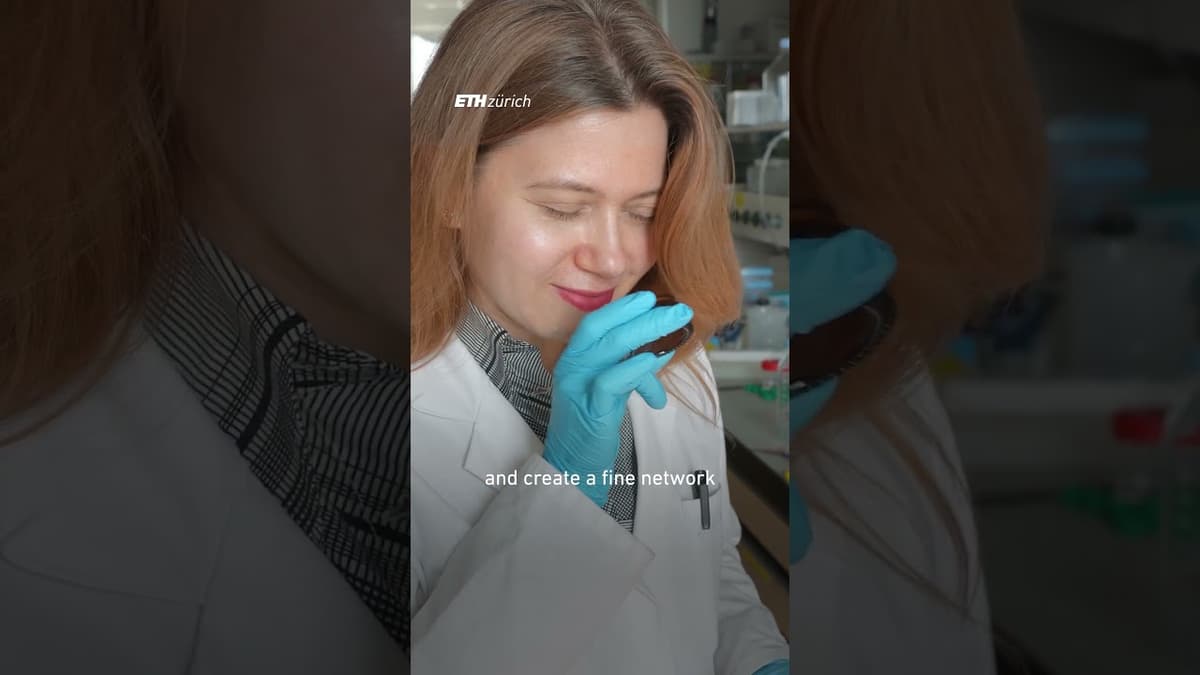
How a Scientist Turns Plant Oils Into Skincare Gels
The video introduces Olexir’s breakthrough technology that converts liquid plant oils into solid‑like skincare gels using a self‑assembling oleogelation process. By leveraging plant‑derived proteins, the method creates a fine network that traps oil molecules, delivering stability, reduced greasiness, and a...
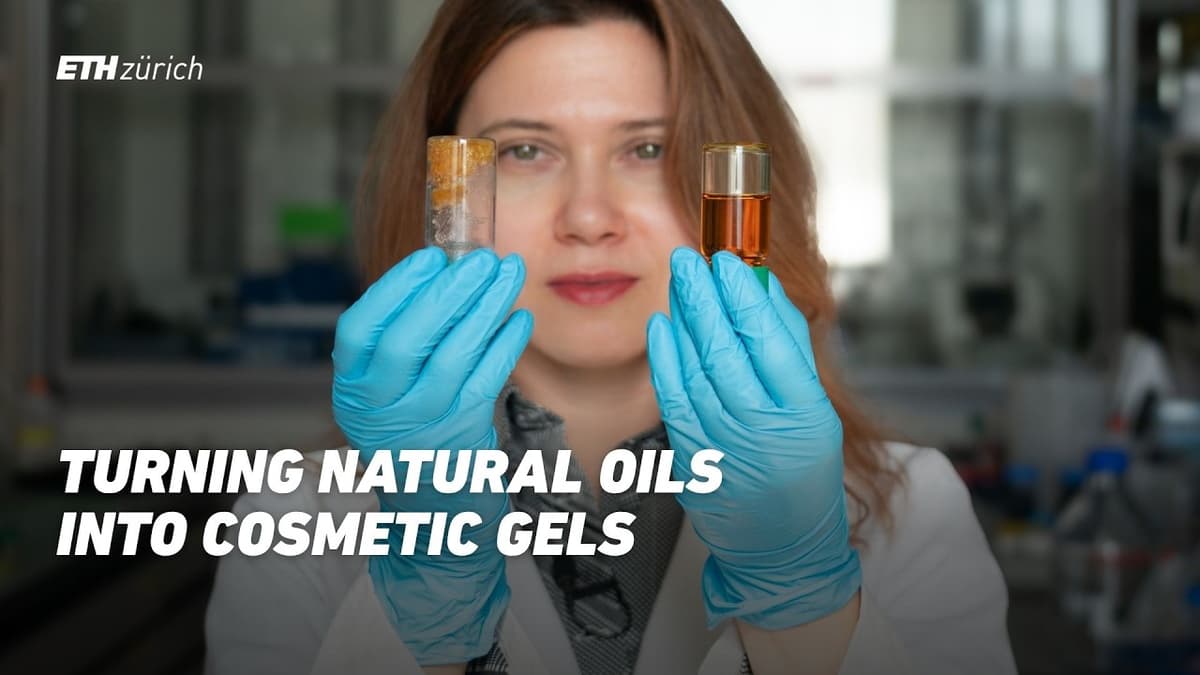
How a Scientist Turns Plant Oils Into Skincare Gels
The video introduces Olexir’s oleogelation technology, which uses plant‑derived proteins to transform liquid oils into stable, leave‑on skincare gels. By harnessing a self‑assembly process, the protein network traps oil molecules, preventing separation and greasiness while eliminating the need for synthetic,...
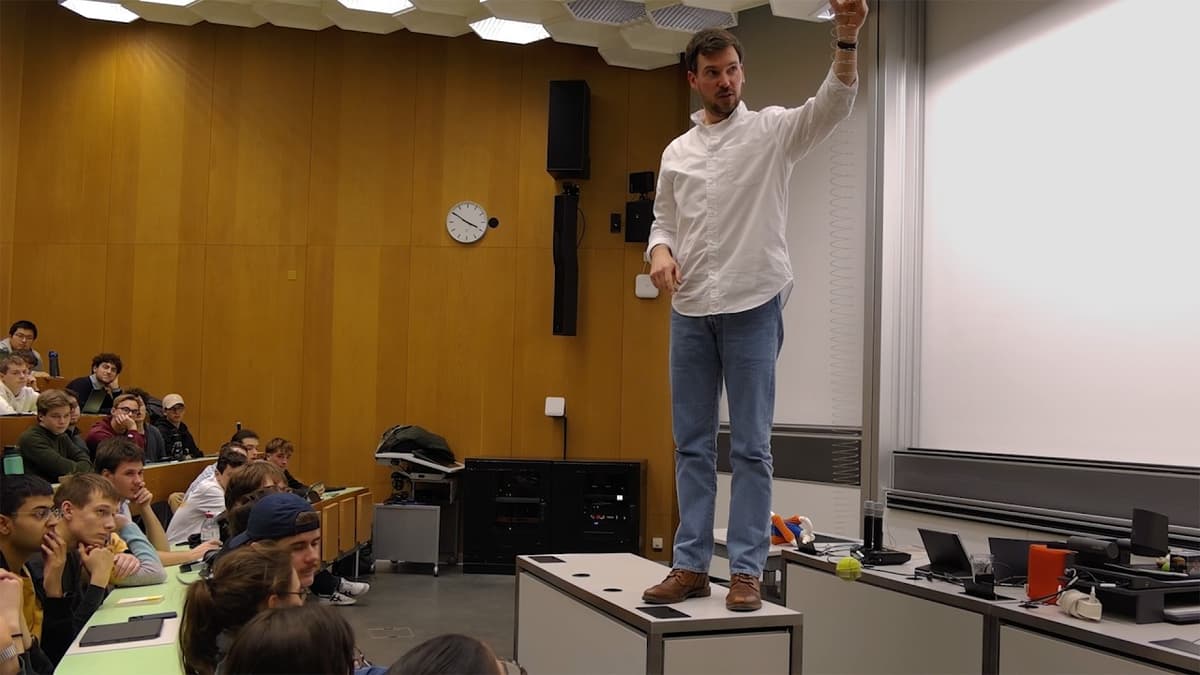
Making Dynamics Easier for 700+ Students (AI, Weekly Practice & 99% Participation)
The video outlines a redesign of ETH’s large‑scale dynamics course, enrolling over 700 engineering students, to combat the subject’s inherent complexity. By introducing voluntary electronic homework each week and interactive learning tools, the instructors aim to keep students continuously engaged...
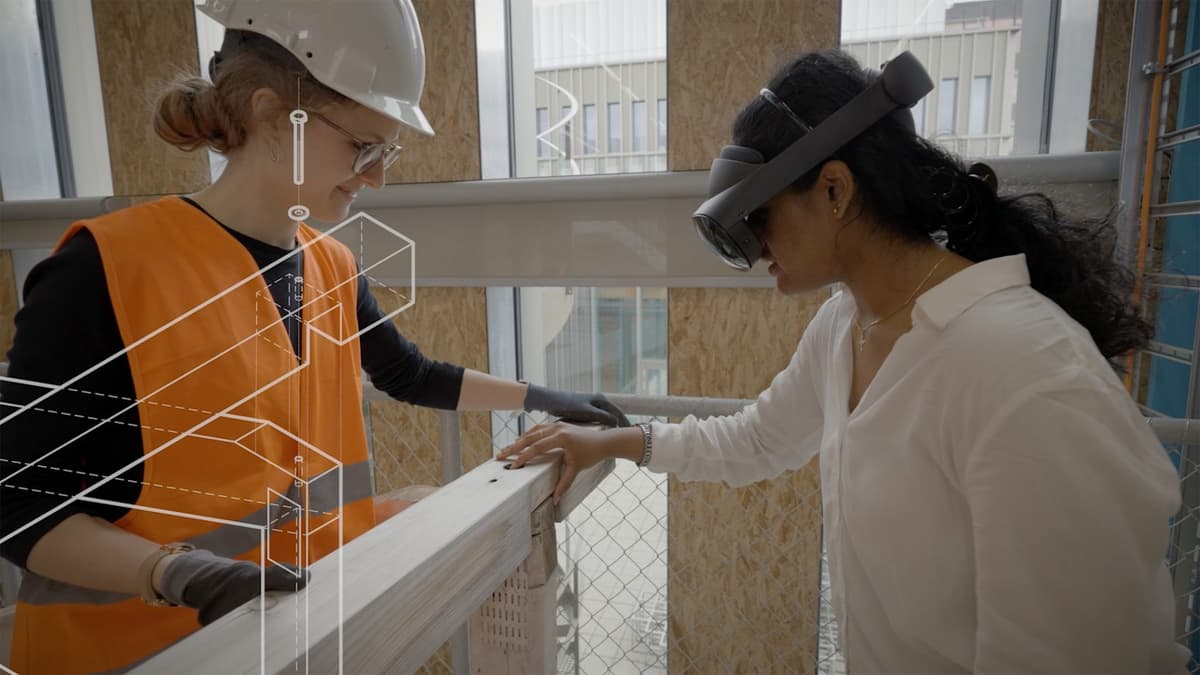
Building the Future From the Past: Circular Design Meets Digital Innovation
The video introduces a university course that fuses circular design principles with digital transformation to tackle the construction industry's massive material consumption and waste. Students physically deconstruct existing structures, reclaiming components that feed into AI‑driven laser scans and digital material passports,...

Optohive – Swiss Neurotech for Mental Health and Precision Medicine
Optohive unveiled HiveOne, a Swiss‑engineered brain‑imaging platform that brings functional near‑infrared spectroscopy (fNIRS) out of the lab and into everyday settings. The company positions the device as a bridge between hospital‑grade precision and the practicality required for real‑world monitoring. HiveOne captures...

AITHON Robotics – How Robotic Drones Are Revolutionizing Infrastructure Maintenance
Aithon Robotics unveiled a hybrid aerial robot designed to transform how critical infrastructure is inspected and repaired. The company argues that two‑thirds of infrastructure budgets go toward upkeep, much of it in hazardous, hard‑to‑reach locations such as under bridges, inside...

AI: What Will Be Its Role in the Future of Education?
The video explores how artificial intelligence is poised to reshape education, shifting from a peripheral novelty to a core, supportive technology. Speakers argue that AI will not replace teachers but will serve as a surrounding tool that students and instructors...