
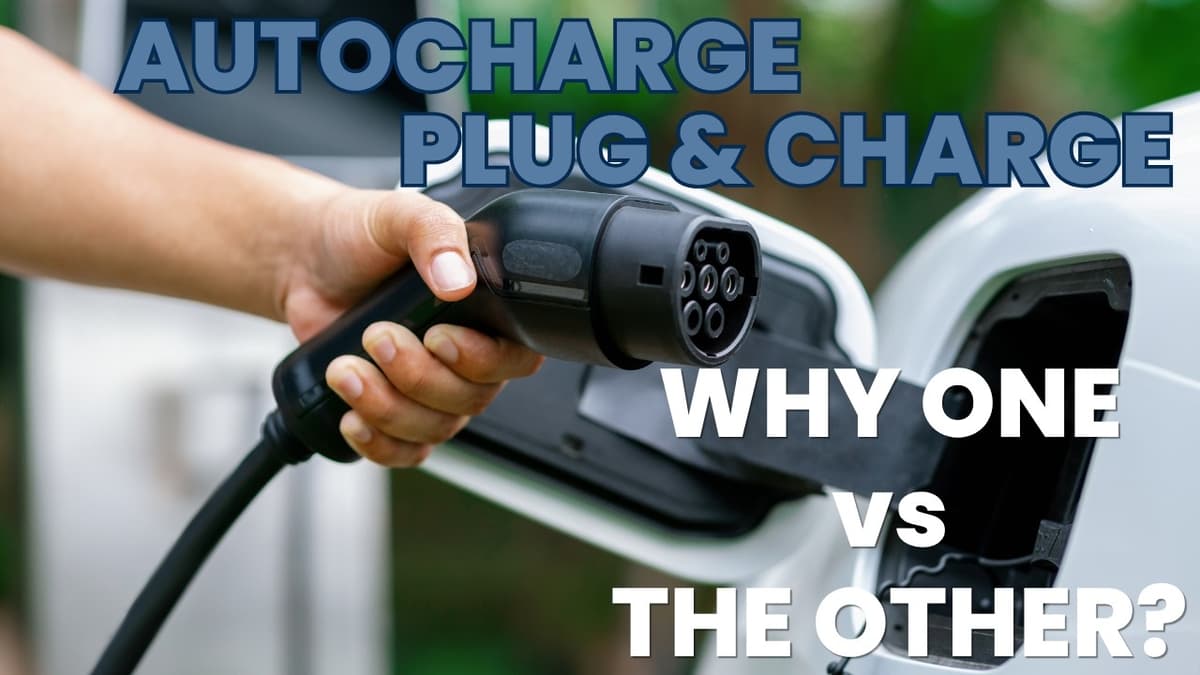
Sam Clarke on Autocharge vs Plug and Charge and Why CPOs Make a Choice.
The video discusses the distinction between auto‑charge and plug‑and‑charge technologies for EV charging stations, and why charge‑point operators (CPOs) must choose between them. Auto‑charge works by capturing a vehicle’s MAC address on first plug‑in, enabling subsequent sessions without a card. Plug‑and‑charge uses a certificate‑based handshake between vehicle and charger, supported mainly by newer models. Both suffer from interoperability issues—neither works universally across all makes, charger hardware, or networks. Sam Clarke notes, “Autocharge covers legacy vehicles, but plug‑and‑charge is the more sophisticated digital solution,” and stresses the need for industry‑wide standards. He also highlights that without a unified protocol, drivers may need to re‑configure settings when switching operators. Until regulatory or industry consensus creates a single onboarding flow, CPOs will continue to juggle both systems, and consumers will rely on contactless cards as a safety net. The lack of seamless experience could slow EV adoption and increase operational complexity.
Let's Look at How to Get Cheap Public EV Charging!
The episode examines how UK EV owners can secure cheap public charging, contrasting the nation’s high tariffs with lower‑cost models abroad. It explains why public rates are steep—large capital outlays for super‑hubs, standing and capacity charges, and a 20% VAT—while...
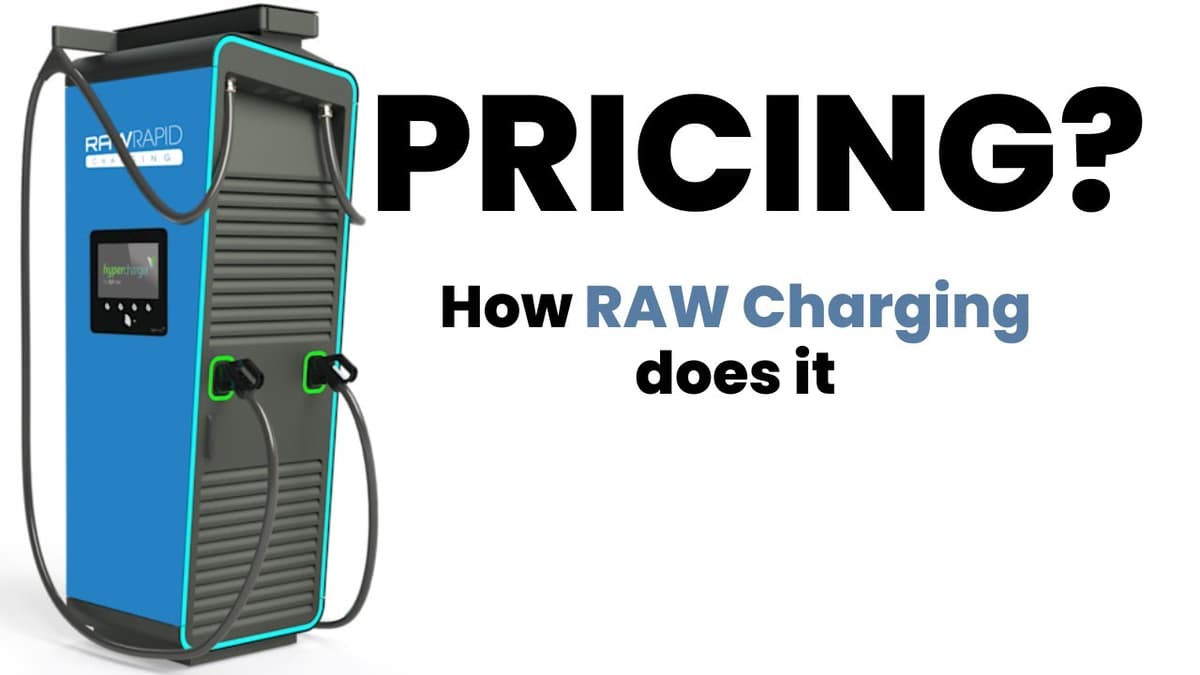
How Does a CPO Do Its Pricing?
The video examines how charge‑point operators (CPOs) determine pricing, weighing utilization against fixed‑cost recovery. Speakers note that CPOs carry large fixed costs, so higher session volume spreads expenses and allows lower per‑kWh rates. Yet simply cutting price does not automatically raise...
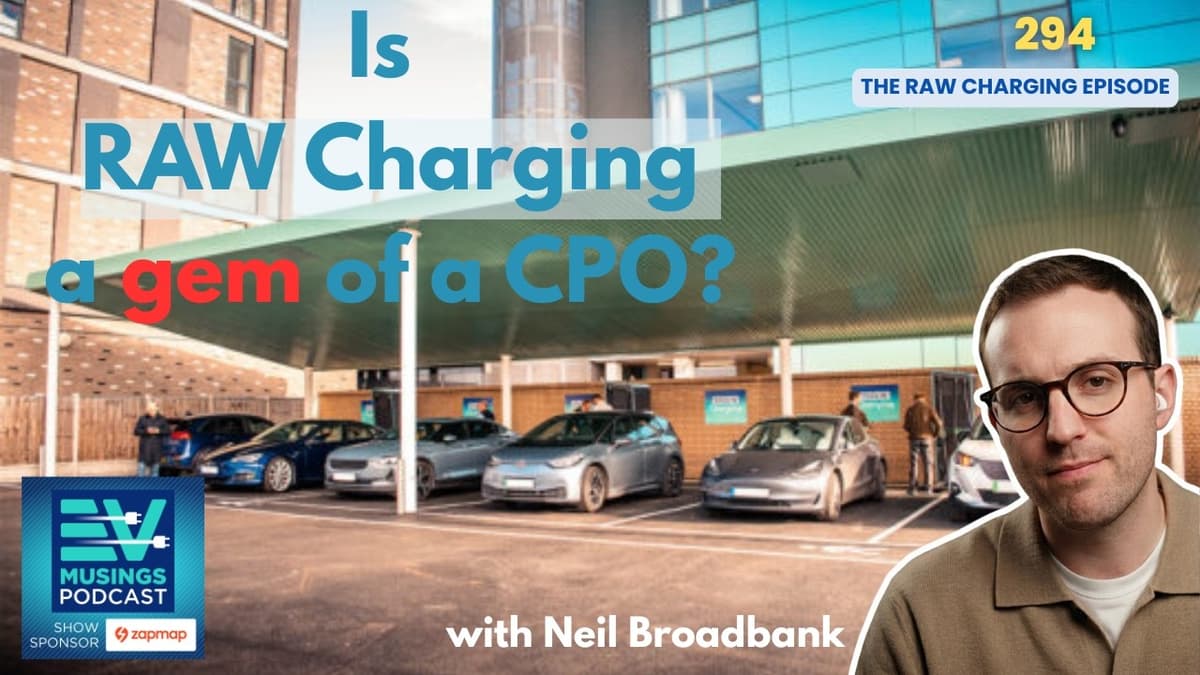
Why RAW Charging Might Be a Little Gem of a CPO
The podcast interview spotlights Raw Charging, a UK‑based charge‑point operator that has grown to over 2,500 charging locations, including 500 ultra‑rapid sockets. Co‑founder Neil Broadbank explains the company’s focus on destination charging—installing chargers where people already spend time—and its parallel...

Is This the EV That'll Really Get People Into EVs?
The video reviews the ION V, the newest Chinese‑made SUV entering the UK market under the Cherry brand. It highlights the vehicle’s 75 kWh LFP battery delivering a WLTP‑rated 317‑mile range, 180 kW fast‑charging capability, and a standard heat pump that protects...
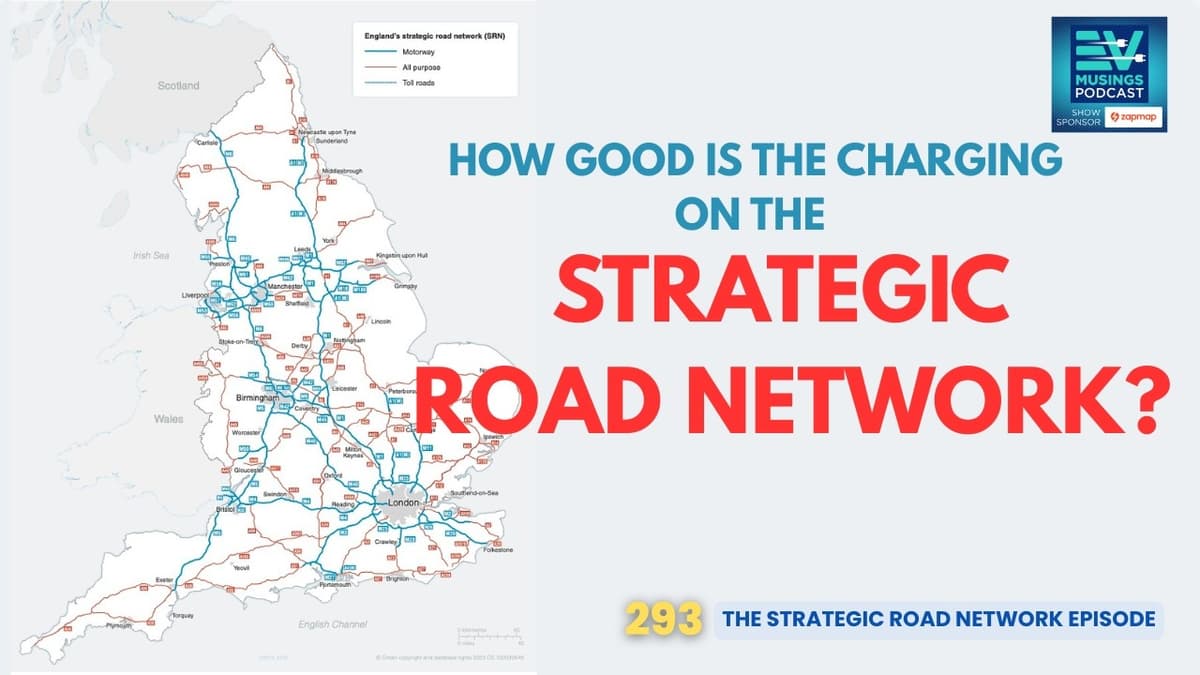
How Strategic Is the Charging on the Strategic Road Network?
The episode examines how electric‑vehicle charging is evolving on England’s Strategic Road Network, zeroing in on the M1 corridor. It contrasts the rapid expansion of ultra‑rapid chargers—particularly Apple Green’s 400 kW units at Leicester Forest East and other Welcome Break sites—with the established...
EVED Confusion Deters Movers
The UK government is preparing to introduce a 3‑pence‑per‑mile electric vehicle excise duty (eVED), a mileage‑based tax aimed at EV owners. Critics argue the levy arrives amid strong incentives for electric adoption, creating a contradictory policy mix. The proposal’s timing...