

Video•Mar 11, 2026
A World War? Iran War Draws in More than Regional Rivals • FRANCE 24 English
The France 24 debate focused on the rapidly expanding conflict that began with Israel and the United States targeting Iran’s leadership, now spilling into the Strait of Hormuz and jeopardizing the flow of roughly one‑fifth of the world’s petroleum. U.S. forces have already struck Iranian civilian ports, while Iran’s drones threaten commercial shipping and regional airports, prompting concerns over a global energy shock. Panelists highlighted how the disruption creates a short‑term windfall for Russia, which is scrambling to sell discounted crude to fill the gap left by Iranian output. Kremlin officials, including President Vladimir Putin, promised to supply oil and gas to reliable partners in Asia and Eastern Europe, hoping to plug budget deficits caused by Western sanctions. At the same time, the Trump administration is weighing a partial easing of sanctions on Russian oil to calm gasoline prices ahead of the U.S. election. Ukraine entered the discussion by offering its low‑cost drone‑intercept technology to Gulf states battling Iranian Shahed attacks, positioning Kyiv as a strategic tech partner. Experts warned that the cost‑ineffective reliance on Patriot missiles in the Gulf mirrors Ukraine’s own challenges, underscoring the need for Ukrainian expertise in detection and tactics. Meanwhile, European leaders cautioned against re‑importing Russian oil, fearing a strategic blunder despite public pressure to lower energy costs. If the Middle‑East confrontation continues to widen, it could erode NATO cohesion and force Western capitals to choose between energy security and geopolitical alignment. The interplay of oil markets, sanctions policy, and emerging drone warfare may reshape global alliances and set the stage for a broader, de‑regionalized conflict.
By FRANCE 24 English

Video•Mar 11, 2026
Citi, StanChart Evacuate Dubai Offices, HSBC Closes Qatar Branches as Fears Grow • FRANCE 24
The video reports a rapid escalation of Iran’s missile and drone campaign across the Gulf, culminating in two unmanned aircraft crashing near Dubai International Airport and prompting multinational banks to shutter or evacuate regional offices. The security shockwave forced Citi,...
By FRANCE 24 English
Video•Mar 10, 2026
Oil Prices Fall, Stocks Rise as Trump Says Military Goals ‘Pretty Well Complete’ • FRANCE 24
Donald Trump’s assertion that the Iran‑related “Operation Epic Fury” is “pretty well complete” sent oil benchmarks tumbling from Monday’s $120‑plus highs, while equity markets in Asia and Europe rallied sharply. Brent and WTI fell sharply, prompting a 5%‑plus gain in the Nikkei...
By FRANCE 24 English
Video•Mar 10, 2026
Trump Says Iran War Could End 'Soon', But Threatens Iran over Oil Disruption • FRANCE 24 English
Donald Trump addressed the ongoing Iran‑U.S. conflict for the first time since hostilities began, asserting that American forces have effectively dismantled Iran’s naval capabilities and warning that the war could end quickly if Tehran backs down. He highlighted that more...
By FRANCE 24 English
Video•Mar 7, 2026
Former KDPI Deputy Secretary-General Asso Hassan Zadeh Speaks to France 24 • FRANCE 24 English
In a France 24 interview, former KDPI deputy secretary‑general Asso Hassan Zadeh outlined the Kurdish political agenda amid the widening Iran‑Israel‑US confrontation. He rejected the “separatist” label applied to Iranian Kurdish parties, insisting their program seeks full national rights for Kurds inside a...
By FRANCE 24 English
Video•Mar 6, 2026
Asia Holds Its Breath as Iran War Drags on • FRANCE 24 English
The Access Asia segment examines how the escalating US‑Israeli war on Iran reverberates across Asia, from Beijing’s diplomatic calculus to the precarious situation of millions of migrant laborers in the Gulf. While China brokered a historic Iran‑Saudi détente three years...
By FRANCE 24 English
Video•Mar 2, 2026
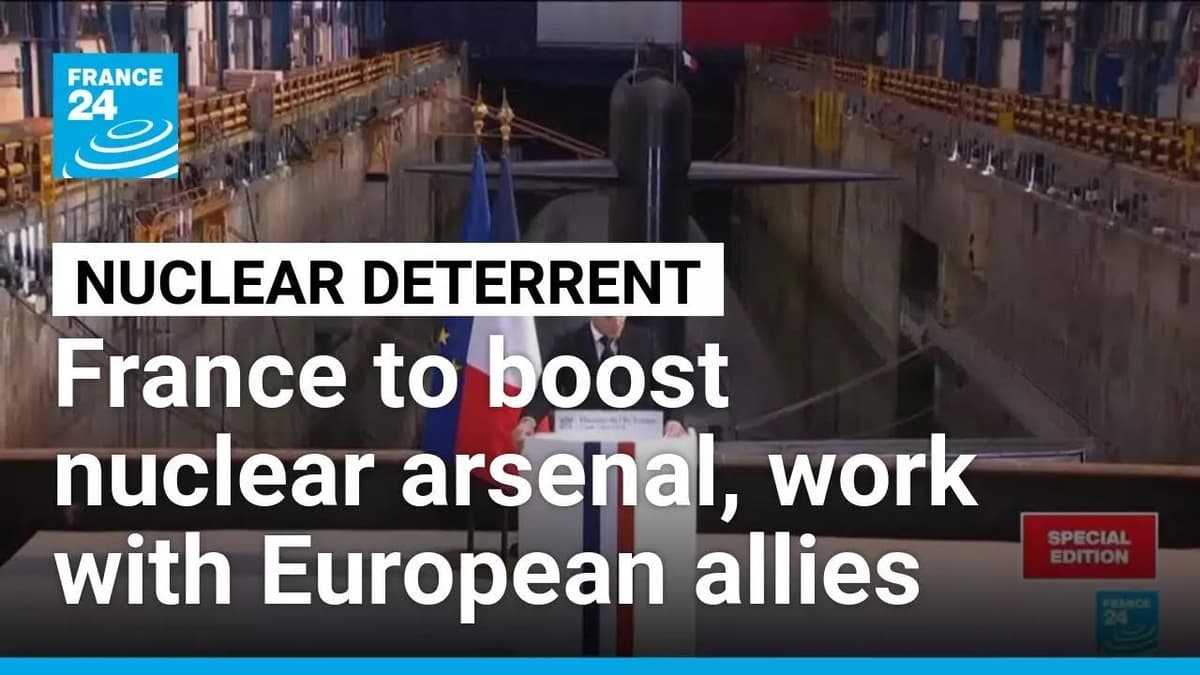
France to Boost Nuclear Arsenal, Could Deploy Atomic Weapons to European Allies • FRANCE 24
French President Emmanuel Macron visited a military base to unveil a major update to France’s nuclear doctrine, saying eight European countries — including Germany, Britain and Poland — have agreed to participate in an advanced deterrence scheme that could allow...
By FRANCE 24 English

Video•Mar 2, 2026
Iran Shuts Down the Strait of Hormuz. What More Can It Do? • FRANCE 24 English
Following weekend strikes by the US and Israel and a retaliatory move by Iran, Tehran has effectively shut the Strait of Hormuz, halting maritime traffic and leaving more than 150 tankers anchored on either side. The disruption sent Brent crude...
By FRANCE 24 English
Video•Mar 2, 2026
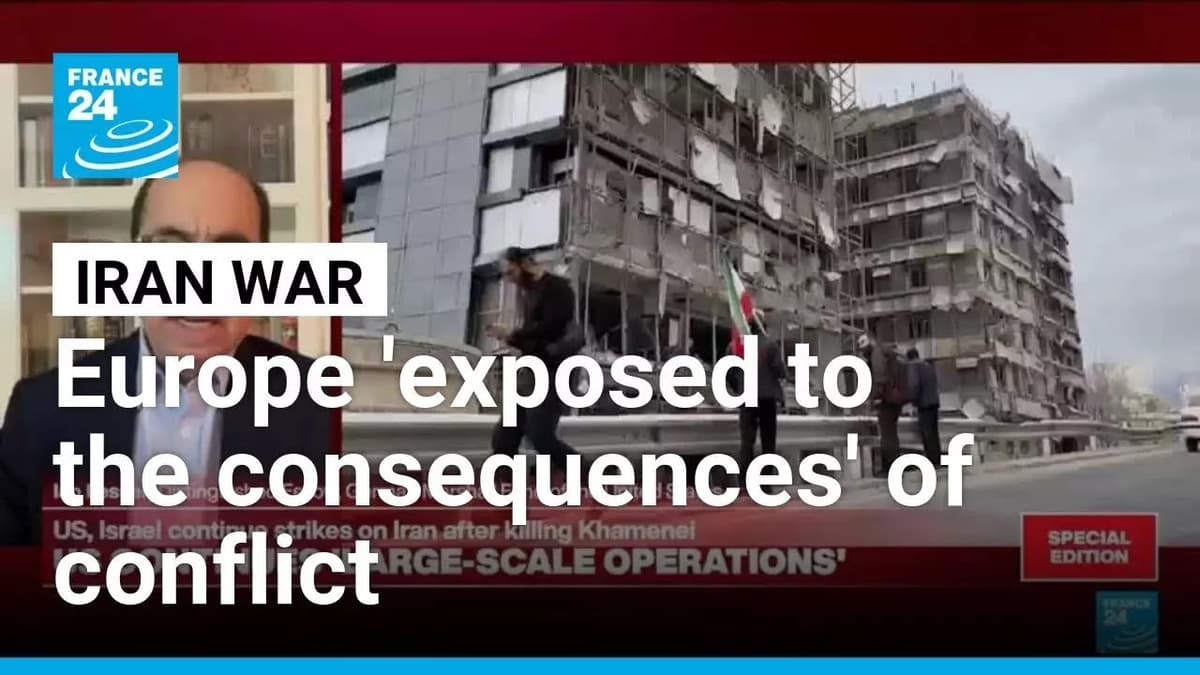
Europe 'Exposed to the Consequences' Of US-Israel's Conflict with Iran • FRANCE 24 English
Ian Les of the German Marshall Fund warned the Israel–Iran confrontation risks rapid escalation and broader geographic spread, citing recent strikes that reached Cyprus and attacks launched from southern Lebanon by Iranian proxies. He said Europe is directly exposed —...
By FRANCE 24 English
Video•Mar 2, 2026
Europe 'Very Likely' To Get Dragged Into Conflict After UK Base in Cyprus Hit • FRANCE 24 English
A drone strike attributed to Iran hit a British military base on the island of Cyprus, prompting EU alarm that the conflict with Iran could pull European states into hostilities. France signalled readiness to defend Gulf states and Jordan and...
By FRANCE 24 English
Video•Mar 2, 2026
Reports Suggest Gulf States Running Out of Interceptor Missiles • FRANCE 24 English
Reports indicate Gulf states such as Qatar and the UAE may be running low on interceptor missiles after defending against Iranian strikes, prompting searches for diplomatic off-ramps possibly involving former US president Donald Trump. Israeli leaders signal a protracted campaign...
By FRANCE 24 English

Video•Mar 2, 2026
From Air Strikes to Boots on the Ground? US-Israel Campaign Against Iran Escalates • FRANCE 24
U.S. and Israeli forces have escalated military action against Iran following the killing of Iran’s supreme leader, conducting strikes the U.S. says target nuclear and missile sites while President Trump has left open the possibility of deploying ground forces. The...
By FRANCE 24 English
Video•Mar 1, 2026
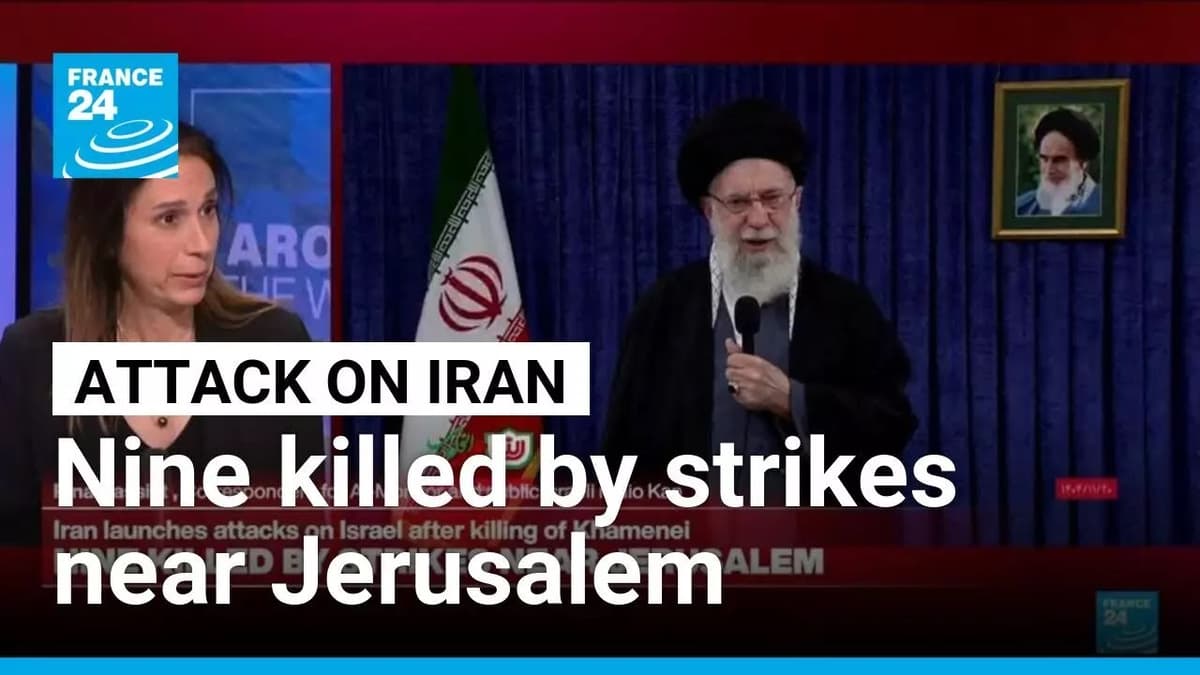
Iran Launches Attacks on Israel: Nine Killed by Strikes Near Jerusalem • FRANCE 24 English
The video reports Iran’s latest missile barrage on Israel, which struck the ultra‑orthodox town of Bamesh near Jerusalem, killing at least nine civilians, including children, and wounding dozens. The attack follows Israel’s covert operation that eliminated a high‑value target, Ali...
By FRANCE 24 English

Video•Mar 1, 2026
US-Israeli Attacks in Iran: The UK Denies Involvement in Strikes • FRANCE 24 English
The United Kingdom publicly addressed a wave of Iranian missile and drone attacks that followed recent US‑Israeli strikes on Iran, emphasizing that British forces were not involved in the retaliation. Defense Minister John Healey reported missiles landing within a few...
By FRANCE 24 English
Video•Feb 26, 2026
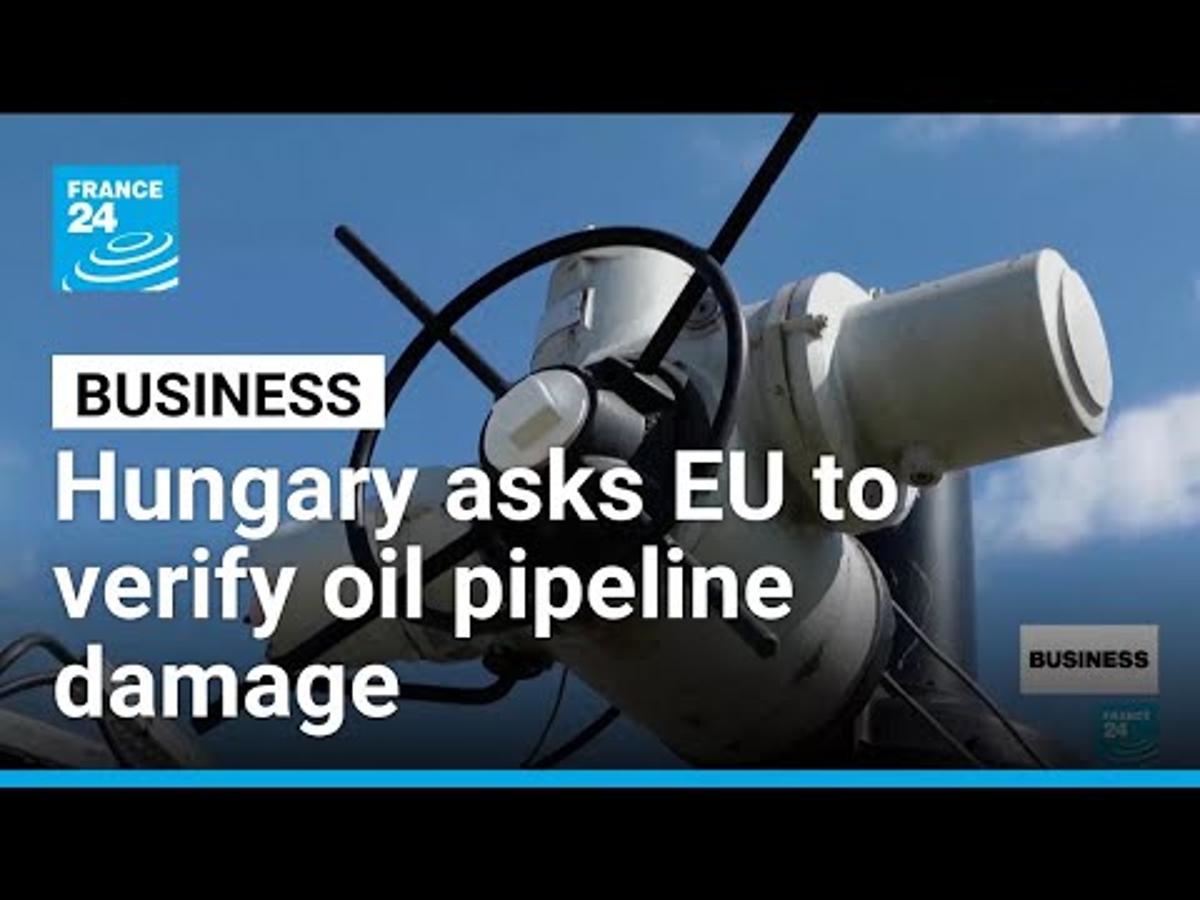
Hungary Steps up Rhetoric over Russian Oil Disruption • FRANCE 24 English
Hungary’s prime minister Viktor Orban has asked the European Union to launch a fact‑finding mission into recent disruptions of the Druzhba pipeline, which still supplies Russian crude to Hungary and Slovakia. Orban accused Ukraine of deliberately threatening Hungary’s energy security in...
By FRANCE 24 English