2026 CoCoSys Annual Review
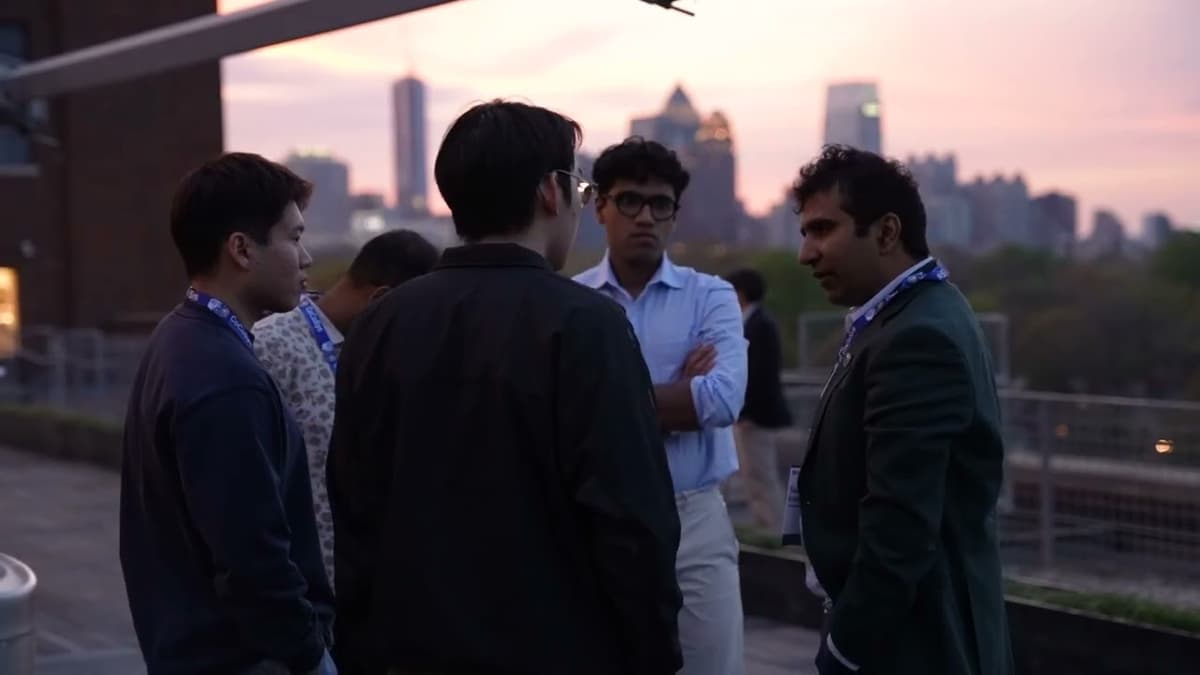
The 2026 CoCoSys Annual Review outlined the company’s strategic pivot toward neurosymbolic probabilistic models, a hybrid approach that blends symbolic reasoning with statistical learning to tackle problems that pure large‑language models cannot solve. Leadership emphasized three pillars: advancing trustworthy AI, continuing legacy model‑aggregation methods, and cultivating the next generation of AI talent through a tri‑sector program that unites industry, academia, and government. Highlights included the debut of custom hardware prototypes designed to accelerate neurosymbolic workloads, and a testimonial from a former Kokosis participant who credited the program for securing an assistant‑professor role and expanding collaborative networks. If successful, these initiatives could reshape AI research priorities, accelerate deployment of more reliable systems, and create a pipeline of skilled professionals ready to commercialize neurosymbolic technologies.
METEOR M2-X Satellite Downlink Project Demonstration
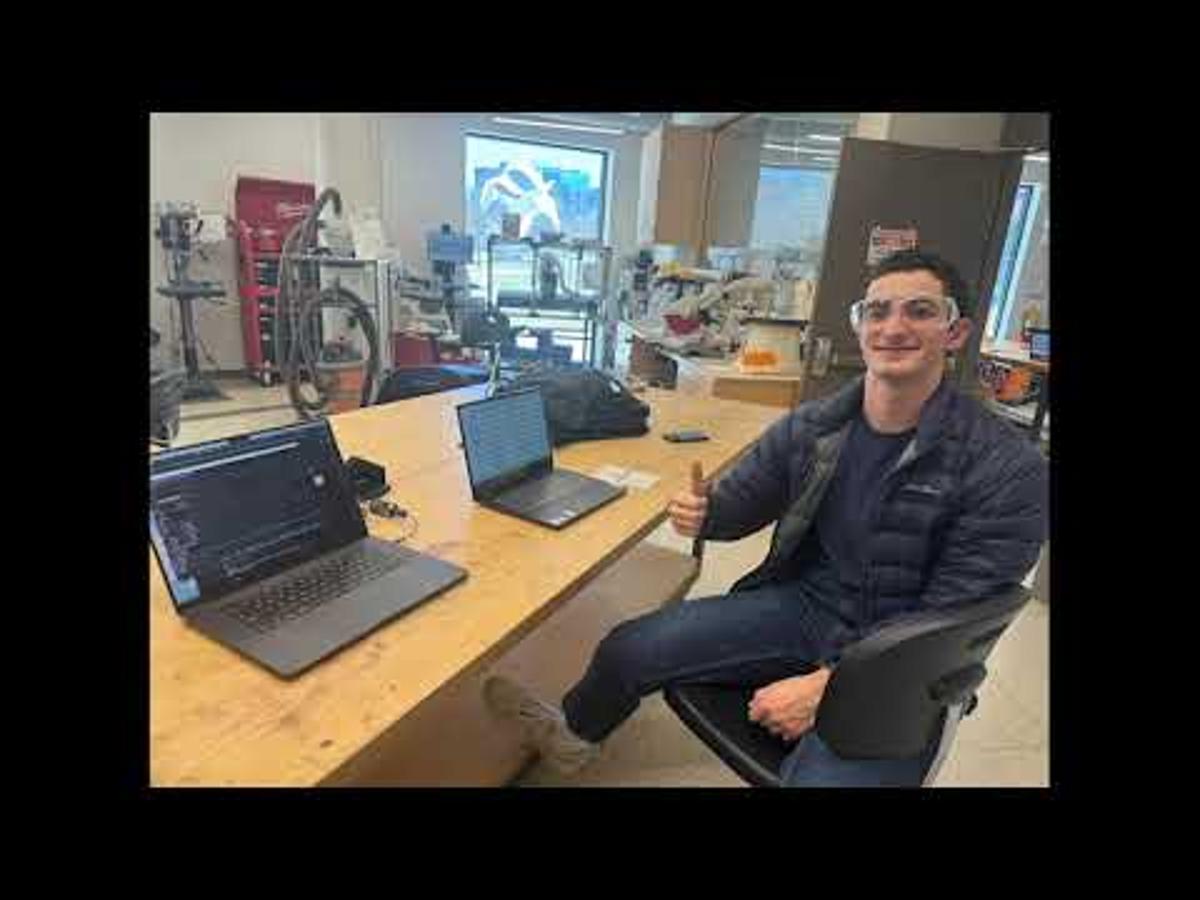
The video showcases a Georgia Tech student project that built a sub‑$50 DIY ground station to receive real‑time low‑rate picture transmission (LRPT) from the Meteor‑M2 weather satellites orbiting at roughly 800 km. By repurposing metal coat‑hangers into a V‑dipole antenna tuned...
SAM Language and Processor Project Demonstration
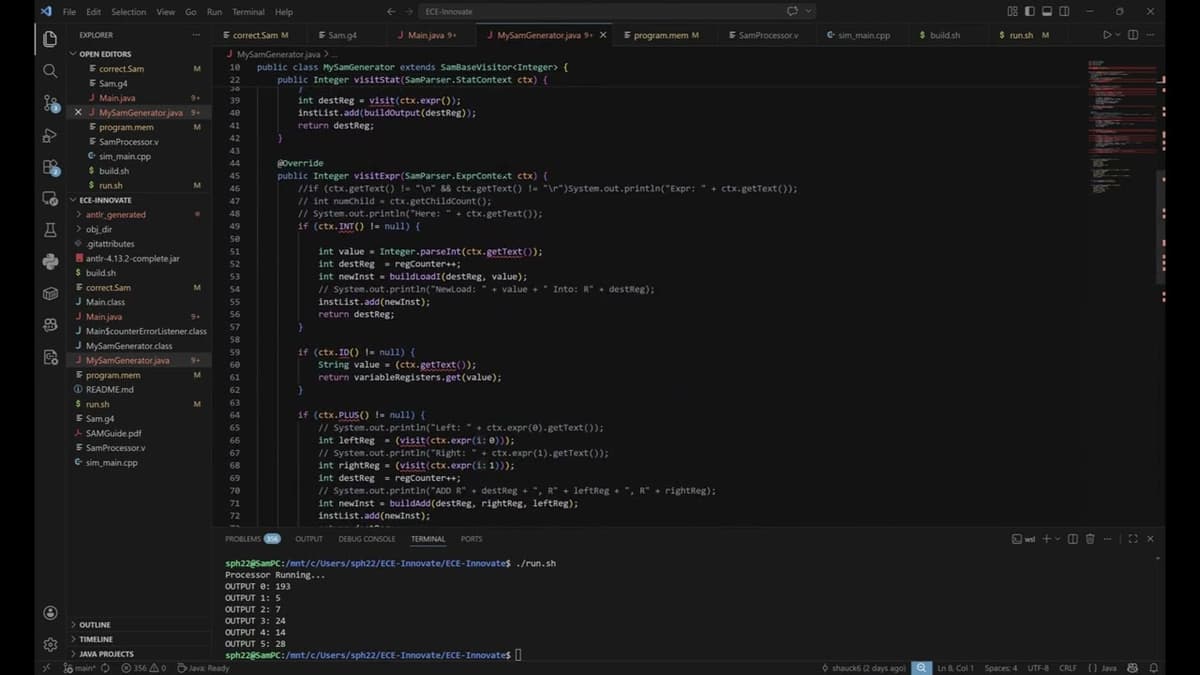
The video showcases a complete prototype of the SAM programming language and its dedicated processor, built for the ECE Thread Innovate Challenge. The presenter walks through the language’s grammar, which supports basic arithmetic expressions and variable assignments, and demonstrates how...
Autonomous Rescue & Inspection System Project Demonstration
The video showcases the Autonomous Rescue and Inspection System (AIS), a differential‑drive rover designed to navigate hazardous, structurally compromised environments. Built around an ESP32 controller, the platform integrates a multimodal sensor suite—including an MQ‑6 gas sensor, ultrasonic rangefinder, and MPU‑6050...
The Development of Metalorganic Chemical Vapor Deposition for Traveling on the Alloy Road
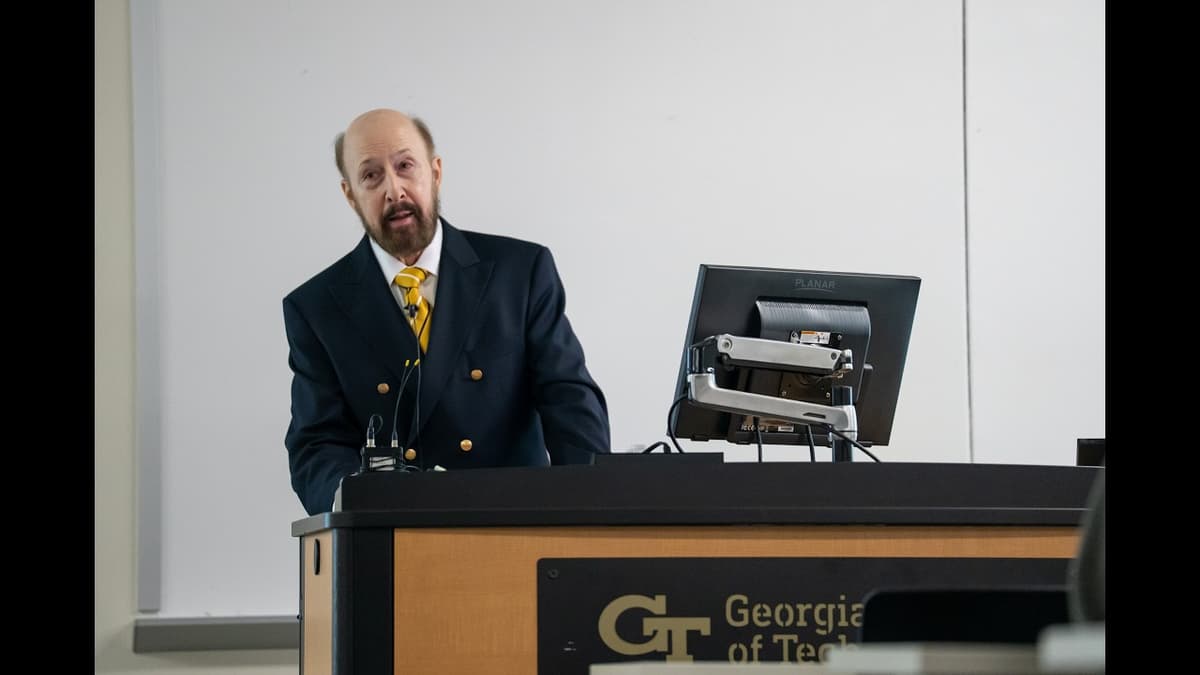
Professor Russell Dupri’s lecture traced the 59‑year evolution of metal‑organic chemical vapor deposition (MOCVD) from a hand‑built Rockwell reactor in the 1970s to today’s multi‑kilometer‑scale Extron systems. He framed this technical journey as a “traveling on the alloy road,” highlighting...