
Video•Mar 7, 2026
Tariffs: What Comes Next with Paul Krugman and Scott Lincicome
The GZERO World podcast examined the fallout from the Supreme Court’s February decision that President Trump lacked authority to impose tariffs under a declared national emergency. With that avenue closed, the administration invoked the obscure Section 122 of the 1974 Trade Act to impose new across‑the‑board duties, prompting a debate between Nobel laureate Paul Krugman and trade analyst Scott Lindome about the legality and practicality of this workaround. Krugman argued that the Section 122 tariffs are “as clearly illegal as the AIPA tariffs, if not more so,” noting that the statute requires a balance‑of‑payments deficit that the United States does not have. Lindome countered that the statute does grant tariff power, but the factual trigger is missing, leaving courts to decide whether the executive can act without a genuine deficit. Both agreed the legal uncertainty will likely push refund disputes to lower courts for years, while the Congressional Budget Office estimates the tariffs generate roughly 1% of GDP in revenue – about 16% of the federal deficit – a modest but politically salient sum. The conversation highlighted real‑world consequences: consumers face higher prices, and the leverage that threatened tariffs once gave the president bargaining power, yet few concrete trade agreements have materialized. Krugman cited personal anecdotes of pantry stockpiling, while Lindome referenced KO Institute polling showing Americans’ superficial nationalist sentiment collapses when faced with higher costs. Both noted that despite political rhetoric, trade volumes remain robust and globalization persists at the business level. Looking ahead, the experts warned that the tariff saga adds volatility to an already tense midterm election cycle. Lawmakers may be reluctant to relinquish tariff revenue, but the broader economic trade‑off—higher prices, reduced efficiency, and uncertain foreign‑investment commitments—could erode support for the administration’s trade agenda. The episode underscores how legal challenges to executive trade power can reshape policy, market expectations, and electoral calculations.
By GZERO Media

Video•Mar 3, 2026
What Comes Next? US-Israel War with Iran | Quick Take
The video examines speculation that the Trump administration is considering a bold move to seize Iran’s Kharg Island, the primary hub for 80‑90 percent of the nation’s oil exports, as tensions between the United States, Israel, and Iran intensify. It...
By GZERO Media

Video•Feb 28, 2026
US & Israel Strike Iran | Quick Take
The United States and Israel have conducted coordinated airstrikes aimed at crippling Iran’s nuclear infrastructure and possibly targeting senior officials. The attacks mark the first overt military action against Tehran’s program, signaling a shift from diplomatic pressure to kinetic engagement....
By GZERO Media

Video•Feb 28, 2026
Iran at War with Carnegie’s Karim Sadjadpour
Ian Bremmer interviews Carnegie’s Karim Sadjadpour on Iran’s precarious position, highlighting the regime’s internal fragility as many elites, including parts of the Revolutionary Guards, await Ayatollah Khamenei’s death while fearing revolt. Sadjadpour notes that the status quo is unsustainable, yet...
By GZERO Media
Video•Feb 17, 2026
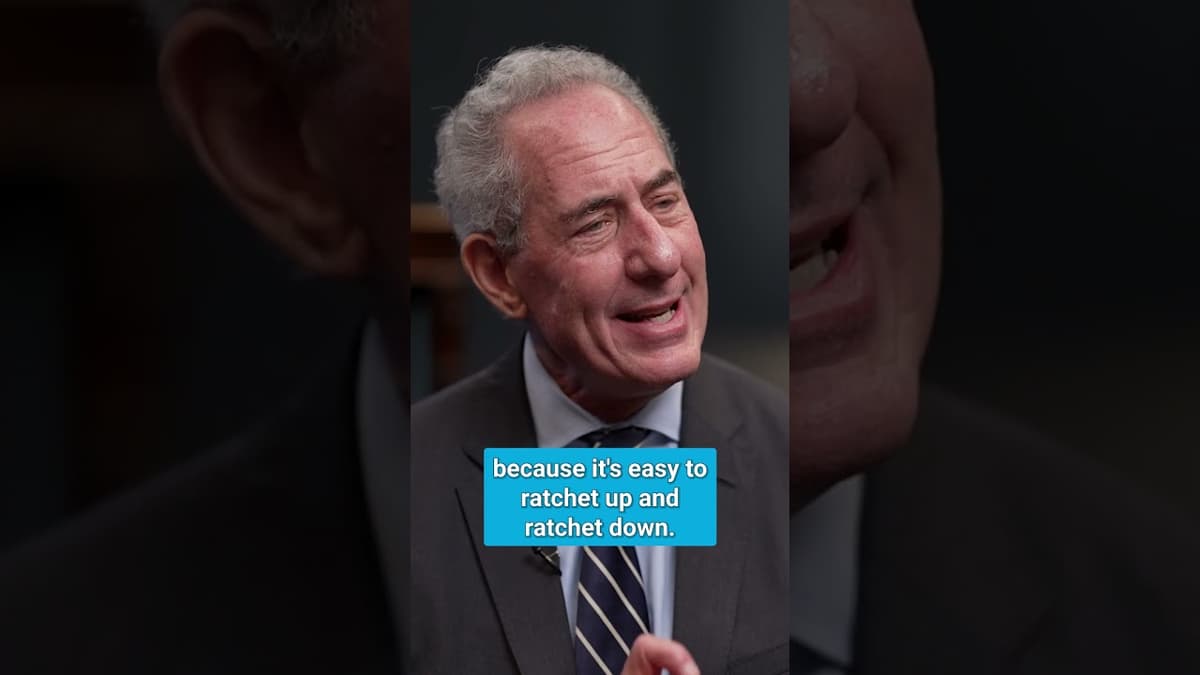
For Trump's Tariffs, Leverage Is King | GZERO World
The video examines how the Trump administration turned tariffs into a universal bargaining chip, using them not only for trade disputes but also to pressure allies on political and security issues. By sidestepping the World Trade Organization’s dispute‑settlement mechanism, the president...
By GZERO Media

Video•Feb 15, 2026
MSC CEO: Europe Should Lead on Ukraine | Global Stage
European shipping giant MSC CEO argues that Europe must take the initiative on Ukraine, criticizing the Trump administration’s deal‑making stance and urging a sovereign‑focused approach. He warns that reliance on U.S. proposals leaves Europe without a seat at the negotiating table,...
By GZERO Media
Video•Feb 15, 2026
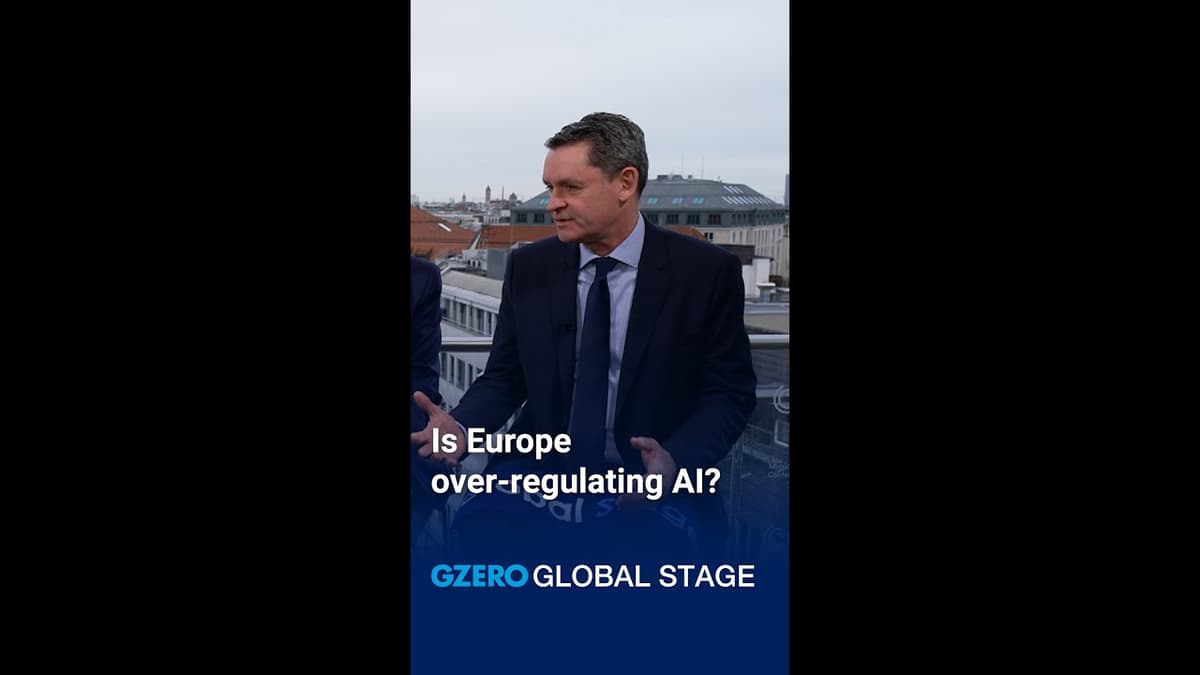
Is Europe Over-Regulating AI? | Global Stage
The video addresses growing concerns that Europe’s regulatory framework is outpacing the development of artificial‑intelligence technology, making it harder for global AI providers to serve European customers. The speaker highlights the EU’s AI Act, which sets standards and milestones that...
By GZERO Media

Video•Feb 13, 2026
LIVE PREMIERE: Global Stage: Live From the Munich Security Conference
Speakers at a live Munich Security Conference discussion warned that the world has become disorderly and multipolar, with NATO still relevant but at risk if it cannot rapidly integrate new technologies into its posture. Panelists highlighted accelerating cyber and hybrid...
By GZERO Media
Video•Feb 13, 2026
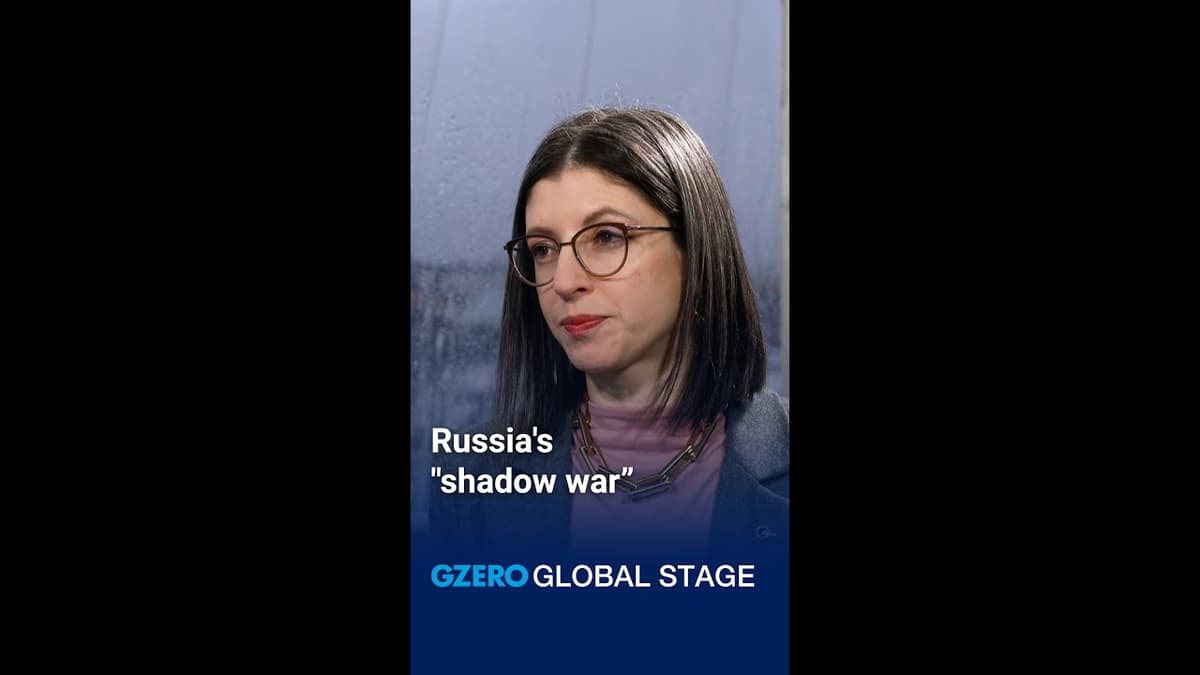
Russia's "Shadow War" | Global Stage
Russia’s conflict in Ukraine is framed not merely as a territorial dispute but as a strategic campaign to subjugate Kyiv and erode Europe’s cohesion. The speaker argues that Moscow views Ukraine as a gateway to weaken the continent, linking the...
By GZERO Media