
Not What You Might Think...
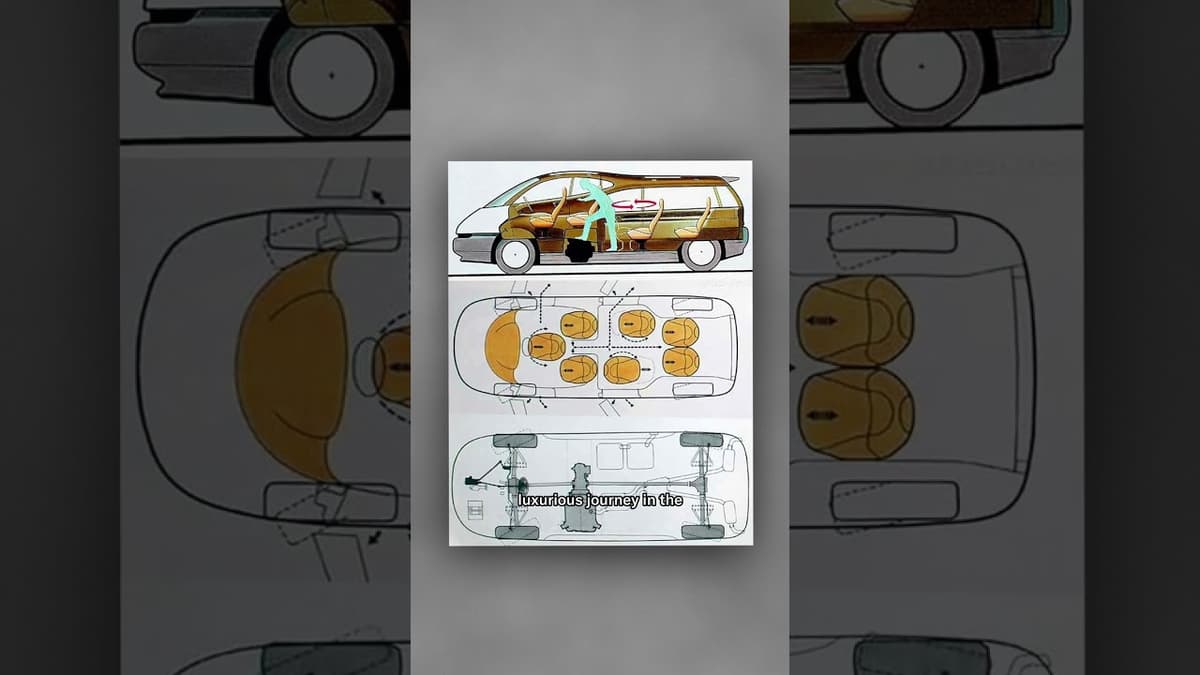
The video spotlights the Ital Design Columbus, a 1992 concept vehicle that combined a BMW M70 V12 with a mid‑engine, all‑wheel‑drive architecture and a centrally located driver’s seat. Dubbed a double‑decker minivan, the 19‑foot‑long, 7‑foot‑tall machine was built to celebrate the 500th anniversary of Christopher Columbus’s 1492 voyage, embodying an over‑engineered vision of the American dream on wheels. Key specifications include a five‑speed manual transmission, seating for up to nine passengers, and a chassis that could accommodate massive leather chairs equipped with individual TV monitors, temperature controls, and the ability to swivel or be removed entirely. The interior’s opulence contrasted sharply with its utilitarian form, creating a paradoxical blend of luxury and practicality that few concept cars have attempted. The presenter humorously notes that many viewers might mistake the Columbus for a McLaren F1, underscoring how its dramatic design cues—central driving position and V12 power—evoke high‑performance supercars despite its minivan silhouette. Only a single fully functional prototype was ever constructed, and the vehicle never progressed beyond the factory floor, leaving its exact market viability a mystery. Although it never reached production, the Columbus remains a striking example of how concept cars can push the boundaries of automotive design, challenging conventional vehicle categories and inspiring future designers to explore bold, cross‑segment ideas.

What if There Was a Racing Series with Virtually No Rules?
The Canadian-American Challenge Cup (Can‑Am) ran from 1966‑1974 as a SECA‑sanctioned series that imposed virtually no technical limits—only wheel‑covering bodywork, a passenger‑size cockpit, and basic safety rules. Without constraints, engineers pushed horsepower from roughly 550 hp in early McLaren M1Cs to...

From an Energy Drink to an F1 Team. How Did We Get Here?
The video chronicles Red Bull’s transformation from a modest 1980s energy drink into a global motorsport powerhouse, highlighting how the brand leveraged unconventional marketing to become an F1 team owner. Rather than competing with soda giants on ad spend, co‑founder...