
Recent Posts

Video•Feb 27, 2026
Have RAM and GPU Prices Peaked?
The Harbor Unboxed Q&A focuses on whether RAM and GPU prices have peaked, citing data from Tweakers that shows a noticeable dip in late‑January pricing for 32 GB DDR5‑6000 kits and RTX 50‑series cards. The hosts argue that the modest price correction is not a market recovery but a symptom of collapsing consumer demand, as most enthusiasts balk at current cost levels. Key data points reinforce this view: motherboard shipments have fallen roughly 50% since December, while Amazon reports a 60% YoY drop in CPU sales. Retailers confirm sluggish movement of remaining inventory, including scarce RTX 570 Ti stock, and express reluctance to place new orders until demand stabilises. The broader PC ecosystem—SSDs, DRAM, and even motherboards—faces a similar sales slump, limiting manufacturers' ability to leverage economies of scale. Notable quotes illustrate the situation: one analyst notes, “Prices are leveling out because nobody’s really buying DDR5 and graphics cards at these absurd prices.” Another adds, “If the AI data‑center build‑out stalls, the component market could see a further downturn.” These observations highlight both the immediate sales weakness and the looming risk from the delayed AI infrastructure rollout. The implications are mixed. Short‑term price stability may persist, but manufacturers could be forced to cut margins or lower MSRP to clear inventory, risking further profit erosion. DRAM and SSD producers, heavily dependent on high‑priced DDR5 modules, may see revenue shrink, while motherboard makers could face existential pressure if sales remain halved. Ultimately, the market’s health hinges on broader macro factors, including the timing of AI data‑center deployments and any resurgence in consumer PC upgrades.
By Hardware Unboxed
Video•Feb 26, 2026
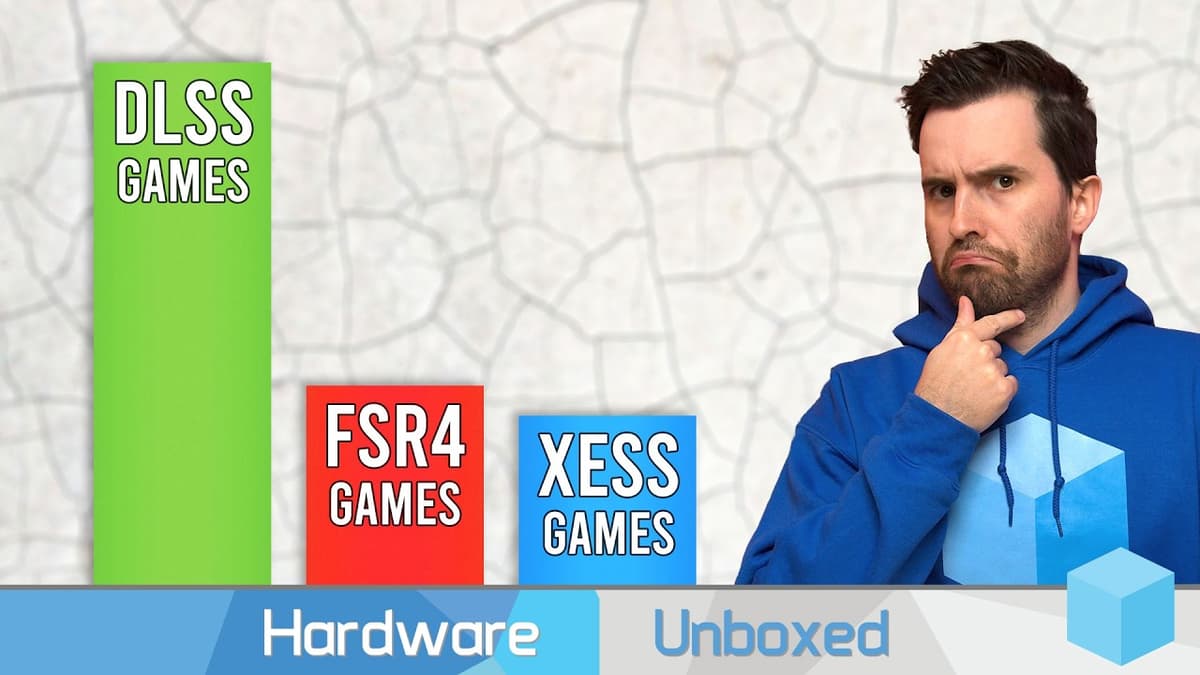
Wait, AMD's Really This Far Behind?
The Hardware Unboxed video pits AMD’s upcoming Radeon RX 9070‑XT, RX 9070 and RX 9060‑XT against Nvidia’s RTX 5090, 5080 and 5070 series using both 2025 projections and pre‑2025 data. Across synthetic and gaming benchmarks, Nvidia’s cards consistently deliver higher...
By Hardware Unboxed
Video•Feb 19, 2026
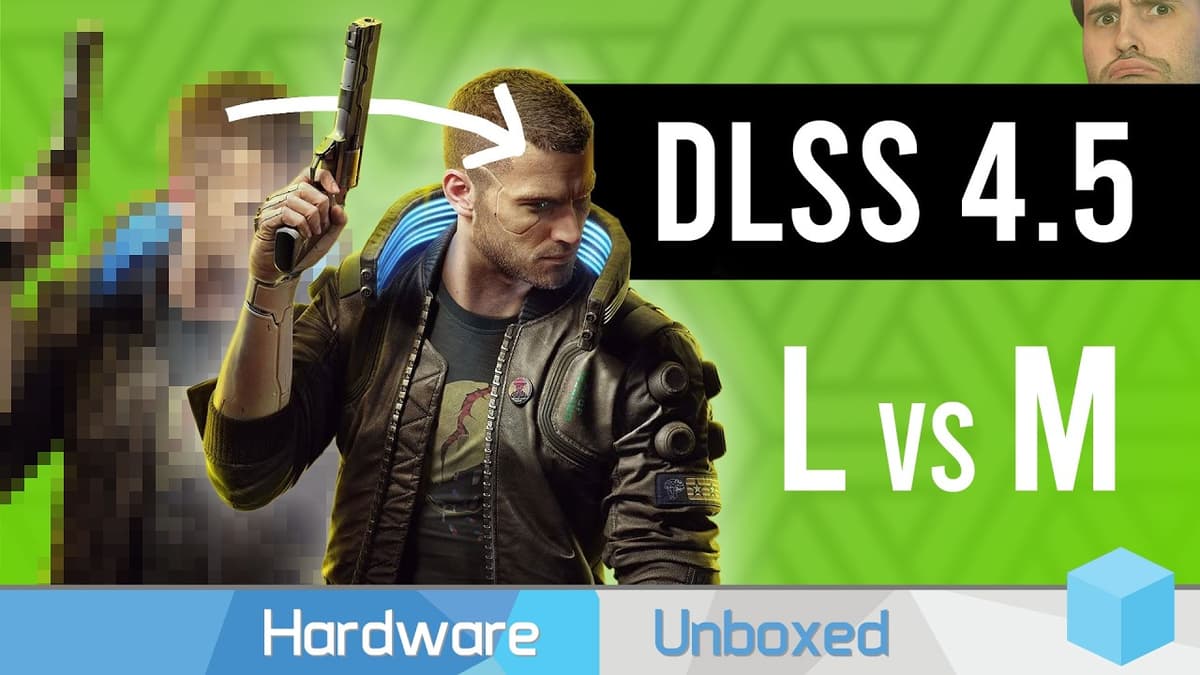
This Is The DLSS Configuration You Should Use
Nvidia’s DLSS 4.5 introduces two models—preset M (performance-oriented) and preset L (ultra-performance-focused)—and real-world testing shows preset L often delivers the best overall image quality across regular modes. Preset L tones down the oversharp, crunchy look of preset M while keeping...
By Hardware Unboxed

Video•Feb 10, 2026
Why Games Can’t Get Better Until 2030
The video, part of Harbor Unboxed Q&A, explores why gaming hardware improvements will stall until around 2030, focusing on current RAM and GPU shortages and how creators adapt. Tim and the host discuss DLSS 4.5's performance hit on legacy RTX cards,...
By Hardware Unboxed
Video•Feb 7, 2026
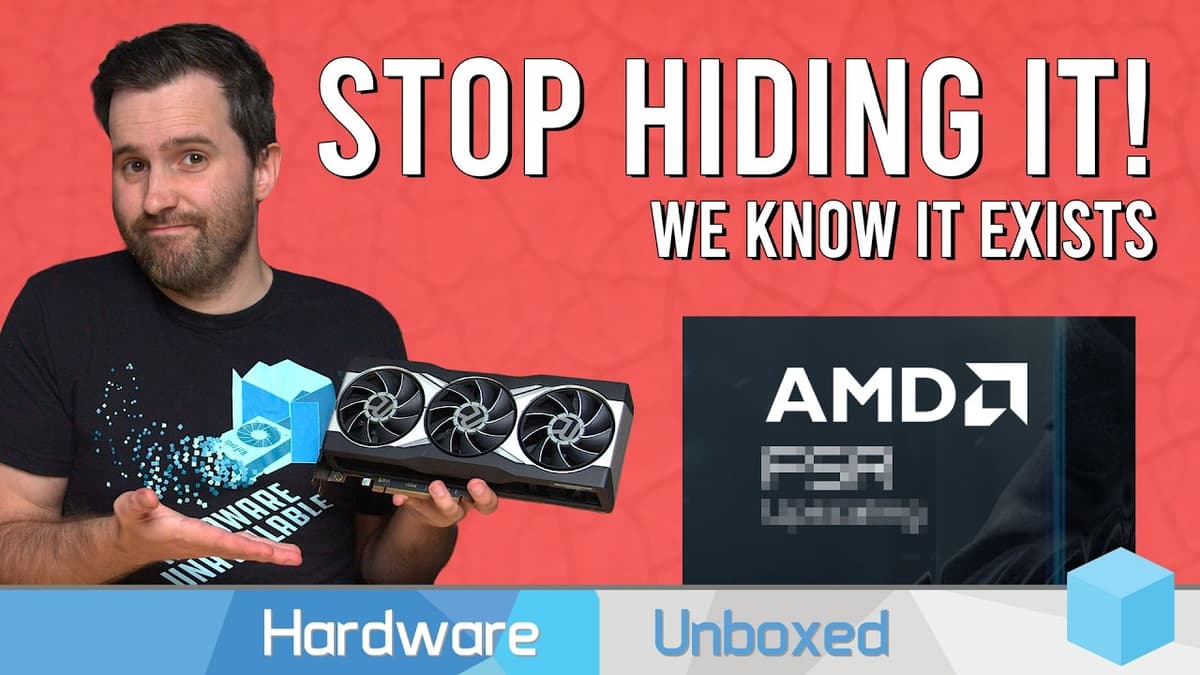
I'm Annoyed At AMD's Latest Radeon Blunder
The video calls out AMD for refusing to backport its latest upscaling technology, FSR4, to older Radeon GPUs. While the official version relies on FP8 hardware found only in the RDNA4‑based RX 9000 series, an accidental source‑code release in August 2025 revealed...
By Hardware Unboxed