

Was Ray Tracing a Scam?
The video questions whether hardware‑accelerated ray tracing has lived up to its hype, focusing on Nvidia’s RTX 20 series launch in 2018. Jensen Wong promised a generational leap that would make lighting “just work,” yet the author argues the reality fell short. Key data points include a scant library of ray‑traced titles—primarily Metro Exodus and Control—while most games either omitted the feature or offered it as a low‑impact optional toggle. Early DLSS implementations (DLSS 1.0) were ineffective, forcing users to lower resolution or graphics settings to achieve playable frame rates, especially at 1080p. The reviewer cites specific examples: noisy reflections in Battlefield 5, sub‑60 fps performance in Control even with medium settings, and competitive disadvantages in Fortnite where high‑quality ray tracing obscured enemy visibility. He also references community polls showing a strong preference for high FPS (100‑140 fps) over visual fidelity in fast‑paced shooters. The broader implication is that Nvidia’s marketing outpaced the hardware’s capabilities, eroding consumer trust and prompting gamers to prioritize performance over ray‑traced visuals. This dynamic shapes future GPU development, where scalable AI‑upscaling and efficient ray‑tracing cores must align with real‑world gaming demands.
Frame Generation Doesn't Fix Bad Performance!
The video calls out Lego Batman: Legacy of the Dark Knight for advertising 60 fps gameplay while actually rendering at 30 fps native and relying on frame‑generation to hit the advertised rate. The official PC specs list modest GPUs for 4K 60 fps,...
These GPUs Are... Cheaper Now?!
The video examines GPU pricing across ten countries, comparing the lowest in‑stock prices from November 2025, February 2026 and the latest April 2026 data. By using regional price‑comparison sites, the analyst paints a global picture of how AI‑driven demand and...

This Is How Intel Fell Behind
The video chronicles Intel’s flagship desktop CPUs from the 2017 Core i7‑7700K through the 10th‑gen Core i9‑10900K, illustrating how a series of incremental upgrades and strategic missteps allowed AMD to overtake the performance crown. Key technical points include Intel’s reliance on...
Crimson Desert Optimization (Part 2): New Settings, New Fixes, Intel GPUs Tested
Crimson Desert’s latest patch, version 1.03, brings a suite of updates that go beyond routine bug fixes. The most headline‑grabbing change is official support for Intel Arc GPUs, complete with Intel’s XCSS 3.0 upscaling and frame‑generation features, alongside new graphics...

Flagship Rematch: Ryzen 7 5800X3D Vs. Core I9-12900K (DDR4 & DDR5) Gaming Benchmarks
The video revisits the flagship gaming duel between AMD’s Ryzen 7 5800X3D and Intel’s Core i9‑12900K, testing each CPU with both DDR4‑3600 and high‑speed DDR5‑7200 memory. The creator updates earlier 2022 benchmarks, adding DDR4 data for the i9 to satisfy viewer demand and...

5070 Ti Roundup, The Reason Why They Cost So Much
The video walks through a comprehensive roundup of the RTX 5070 Ti graphics‑card lineup, highlighting why these GPUs have become notoriously expensive in 2026. After a rocky start to the year and a delayed super‑refresh, the creator finally secured nine sample cards...

Is AMD About to Catch Up? - Leaked FSR 4.1 Tested
The video examines a leaked AMD driver component that upgrades the company’s FidelityFX Super Resolution (FSR) from version 4.0.3 to a tentative 4.1 build. The author replaces the existing DLL, enabling side‑by‑side tests across several 4K performance‑mode titles and comparing...

Even If You Have DDR5, This Is How You Could Be Screwed
The video examines the fallout from the global DDR5 memory shortage, which has seen prices soar by more than four times in a few months and left many PC builders and upgraders without viable options. It uses a real‑world case...

Why Doesn’t AMD Radeon Get It?
The video centers on AMD’s Radeon ecosystem, specifically the lack of driver support for its handheld Z‑series APUs and how that reflects broader market positioning challenges. Host Tim and guests dissect why Lenovo’s Z‑series devices appear abandoned, noting that AMD...

Have RAM and GPU Prices Peaked?
The Harbor Unboxed Q&A focuses on whether RAM and GPU prices have peaked, citing data from Tweakers that shows a noticeable dip in late‑January pricing for 32 GB DDR5‑6000 kits and RTX 50‑series cards. The hosts argue that the modest price correction...
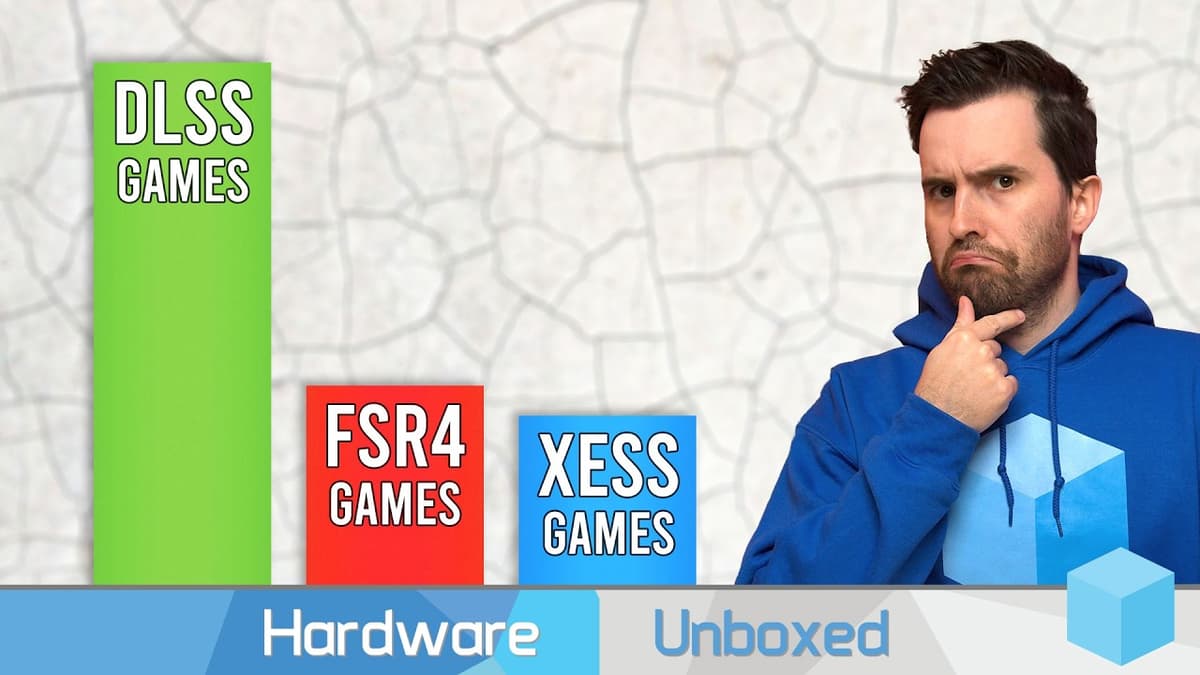
Wait, AMD's Really This Far Behind?
The Hardware Unboxed video pits AMD’s upcoming Radeon RX 9070‑XT, RX 9070 and RX 9060‑XT against Nvidia’s RTX 5090, 5080 and 5070 series using both 2025 projections and pre‑2025 data. Across synthetic and gaming benchmarks, Nvidia’s cards consistently deliver higher...
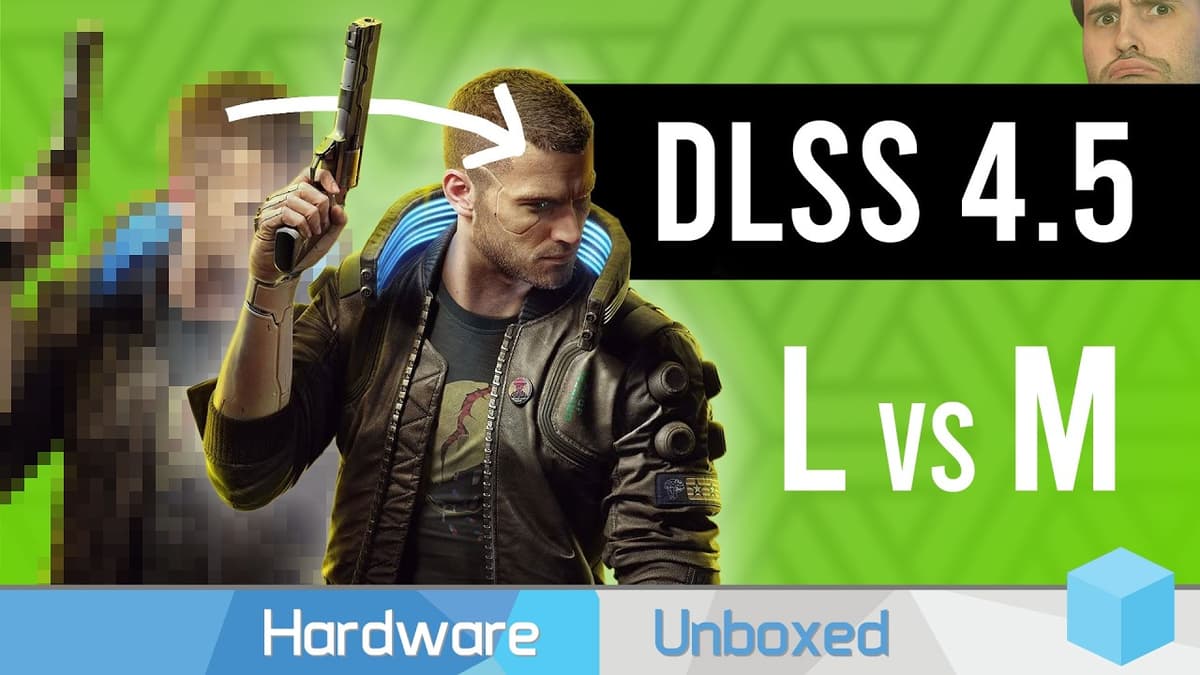
This Is The DLSS Configuration You Should Use
Nvidia’s DLSS 4.5 introduces two models—preset M (performance-oriented) and preset L (ultra-performance-focused)—and real-world testing shows preset L often delivers the best overall image quality across regular modes. Preset L tones down the oversharp, crunchy look of preset M while keeping...

Why Games Can’t Get Better Until 2030
The video, part of Harbor Unboxed Q&A, explores why gaming hardware improvements will stall until around 2030, focusing on current RAM and GPU shortages and how creators adapt. Tim and the host discuss DLSS 4.5's performance hit on legacy RTX cards,...

I'm Annoyed At AMD's Latest Radeon Blunder
The video calls out AMD for refusing to backport its latest upscaling technology, FSR4, to older Radeon GPUs. While the official version relies on FP8 hardware found only in the RDNA4‑based RX 9000 series, an accidental source‑code release in August 2025 revealed...