
Recent Posts
Video•Feb 27, 2026
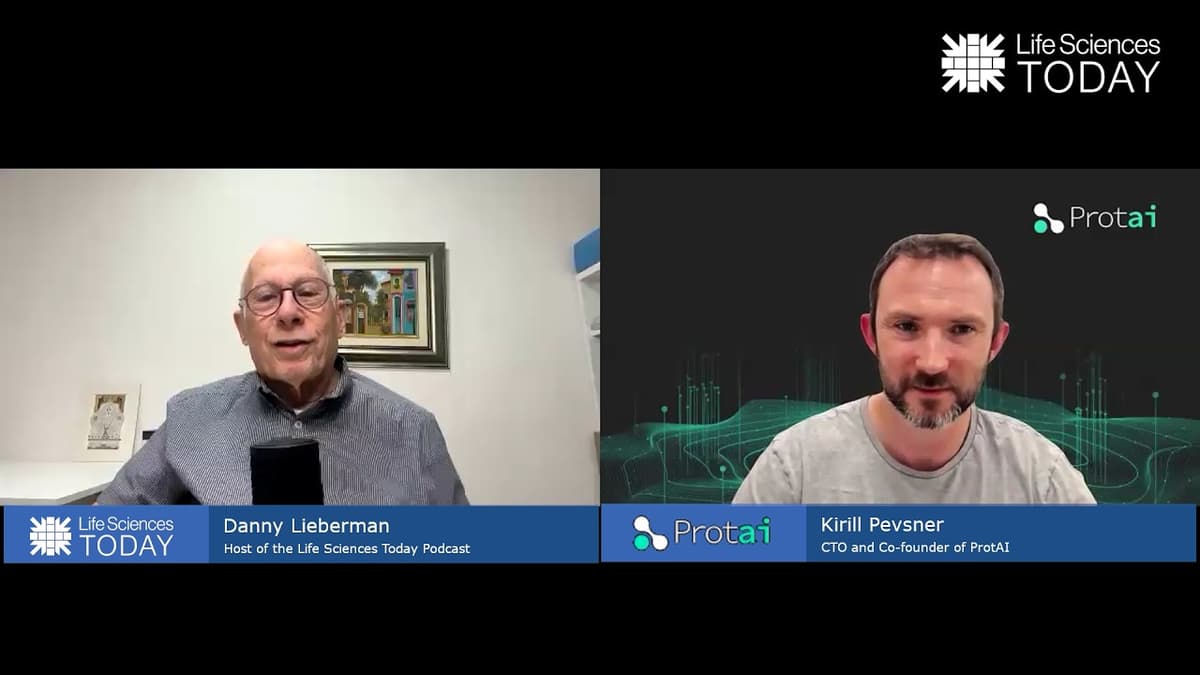
AI Insights in Pharma with Protai - Life Sciences Today Podcast Episode 50
In episode 50 of the Life Sciences Today podcast, host Danny Lieberman sits down with Carol Pesner, CTO and co‑founder of ProtAI, to discuss the company’s AI‑driven approach to drug discovery. ProtAI fuses structural proteomics with advanced artificial intelligence to generate sub‑atomic resolution models of target proteins, a capability they argue surpasses the average‑case performance of AlphaFold, the Nobel‑winning protein‑folding AI. The conversation highlights how this high‑resolution modeling enables rapid design of small‑molecule therapeutics, exemplified by their lead candidate for estrogen‑receptor positive breast cancer, which they expect to enter clinical trials within a year. By integrating proprietary proteomics data with AI, ProtAI claims to accelerate candidate selection from the industry‑standard three‑year timeline down to roughly twelve months, dramatically cutting cost and risk. Listeners hear concrete examples, such as the company’s internal pipeline progress and its collaborative licensing strategy with pharma and biotech partners. Pesner emphasizes that while AI informs decision‑making, experimental validation remains the ultimate proof, and the firm safeguards its advantage through unique in‑house datasets and chemical‑matter IP. The broader implication is a potential shift in the drug‑development ecosystem: technology firms that not only provide platforms but also bring drugs to market can capture greater value, challenge traditional R&D timelines, and offer pharma partners faster, more precise therapeutic candidates.
By Healthcare IT Today
Video•Feb 25, 2026
Healthcare Software Is Entering Its Rapid-Iteration Era.
The video marks a pivotal shift in health‑tech, declaring that generative AI and autonomous agents have reignited a wave of innovation previously dormant in the sector. Speakers argue that the industry is moving from a maintenance mindset to one focused...
By Healthcare IT Today
Video•Feb 24, 2026
Insight From Srinivas Velamoor on Next-Gen Engagement...
Srinivas Velamoor outlined a two‑pronged strategy to modernize patient engagement, arguing that health‑care must move from a fragmented, step‑by‑step model to a holistic, whole‑person journey. He likened the shift to the way physicians now rely on AI‑assisted tools, proposing an...
By Healthcare IT Today

Video•Feb 23, 2026
Roy Vincent Shares How E-Check-In + Document Parsing Speeds Care and Improves Safety...
Roy Vincent, chief product officer at the company, outlines a new e‑check‑in platform that lets patients complete intake forms online before stepping foot in a clinic. He notes that most facilities still rely on paper and fax, with roughly 70 % of...
By Healthcare IT Today
Video•Feb 23, 2026
Clinicians Don’t Need More reports.They Need Answers They Trust.
Clinicians are overwhelmed by reports and crave reliable answers that directly inform patient care. The speaker emphasizes that data and analytics alone are insufficient; they must be coupled with best‑practice standards and adaptive workflows to translate raw numbers into actionable...
By Healthcare IT Today
Video•Feb 19, 2026
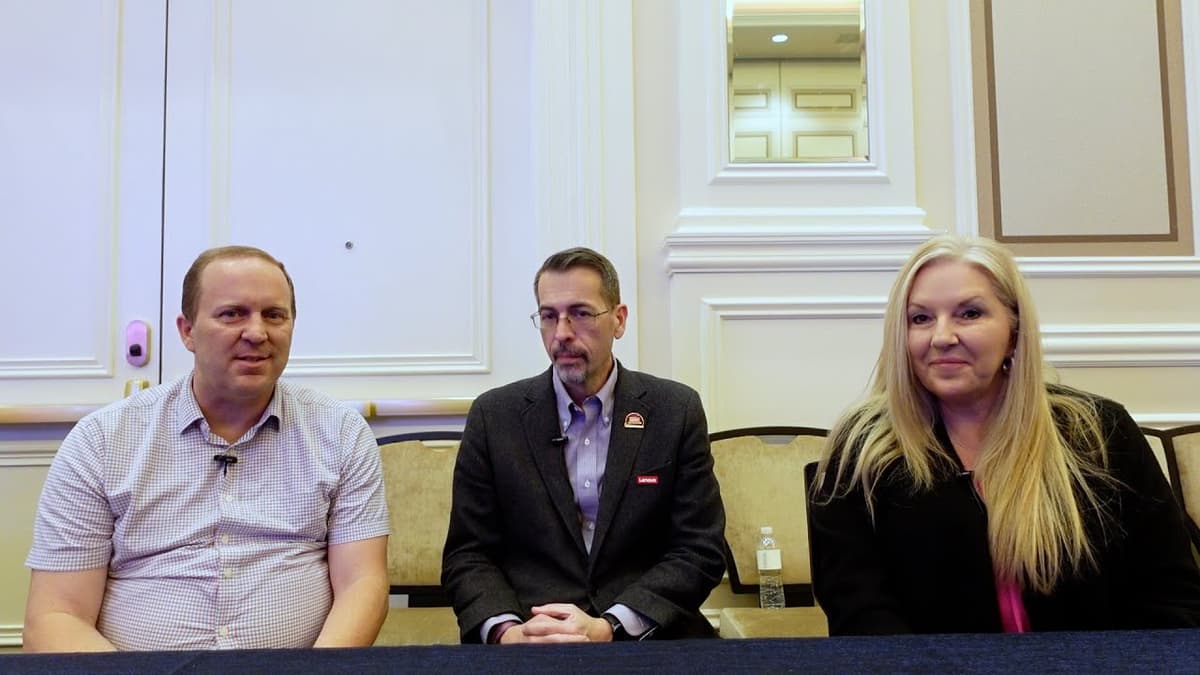
Lenovo and Duke Health Consider the Hospital of the Future
The interview spotlights a joint effort by Lenovo and Duke Health to design a "hospital of the future" in Cary, North Carolina, slated to open in three years. Rather than a static build, Duke frames the new facility as a...
By Healthcare IT Today

Video•Feb 17, 2026
Does Your Radiology AI Actually Work Here? HOPPR Has an Answer
The video introduces Hopper’s AI Foundry, a platform that lets radiology departments create and deploy hyper‑localized AI models instead of relying on generic, vendor‑wide solutions. Dr. Khan Sadiki explains that imaging techniques, scanner hardware, and patient demographics vary widely between...
By Healthcare IT Today
Video•Feb 12, 2026
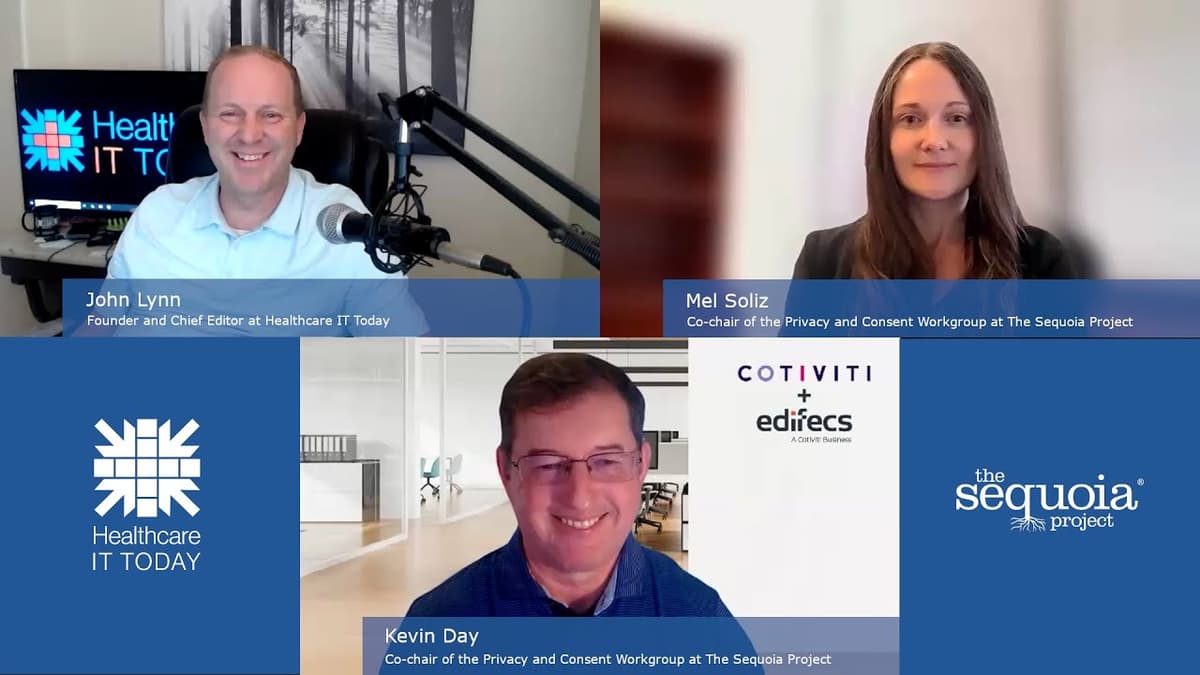
Guidance From The Sequoia Project on Computable Consent and Privacy
The Sequoia Project’s Privacy and Consent Work Group, co‑chaired by Kevin Day and Mel Sullies, is tackling the growing complexity of health‑data privacy. Their focus is on two pillars: computable consent—translating legal and patient‑specified permissions into machine‑readable rules—and data segmentation,...
By Healthcare IT Today
Video•Feb 11, 2026
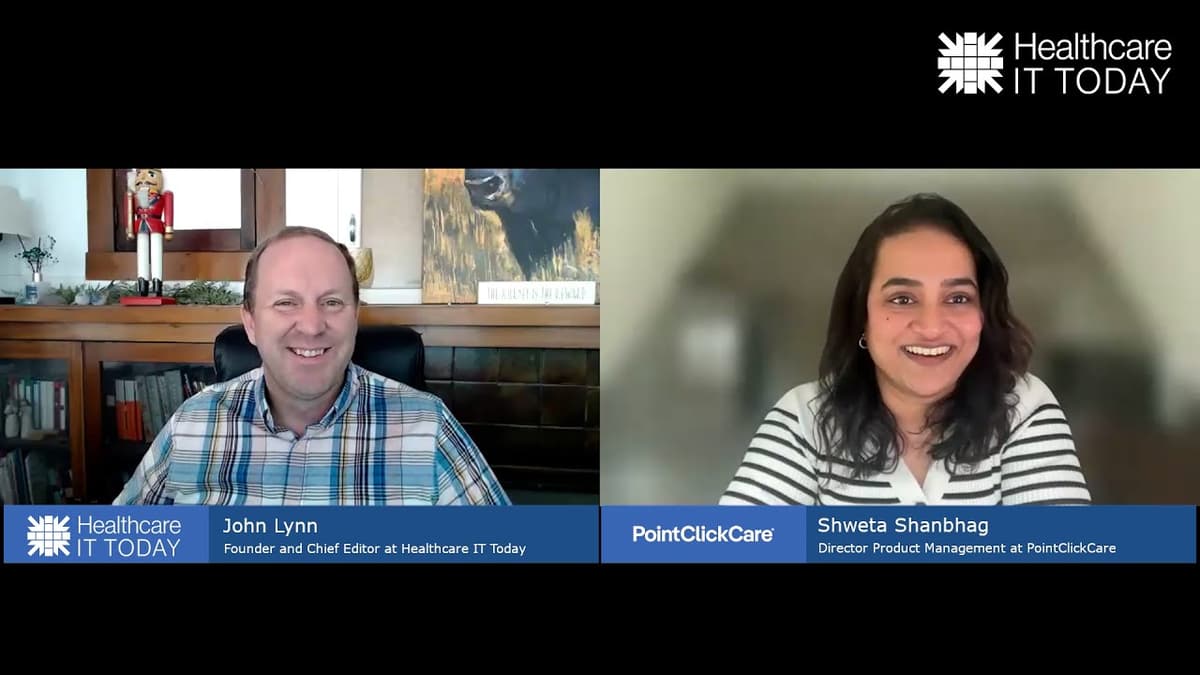
Data That's Timely and Insightful From PointClickCare
In this Healthcare IT interview, PointClickCare’s Director of Product Management Schweda Shambog discusses how timely, actionable data is reshaping post‑acute care. She explains the company’s evolution from a skilled‑nursing‑focused EHR to a platform that bridges acute and post‑acute settings, emphasizing...
By Healthcare IT Today
Video•Feb 10, 2026
How NextGen Healthcare's Ambient AI Helped Two Clinics Break the Cycle of Pajama Time
At the 2025 NextGen User Group meeting, leaders from two Kentucky federally qualified health centers — Juniper Health and White House Clinics — described how NextGen’s Ambient Assist AI scribe sharply cut after-hours “pajama time,” reduced clinician burnout, and improved...
By Healthcare IT Today
Video•Feb 10, 2026
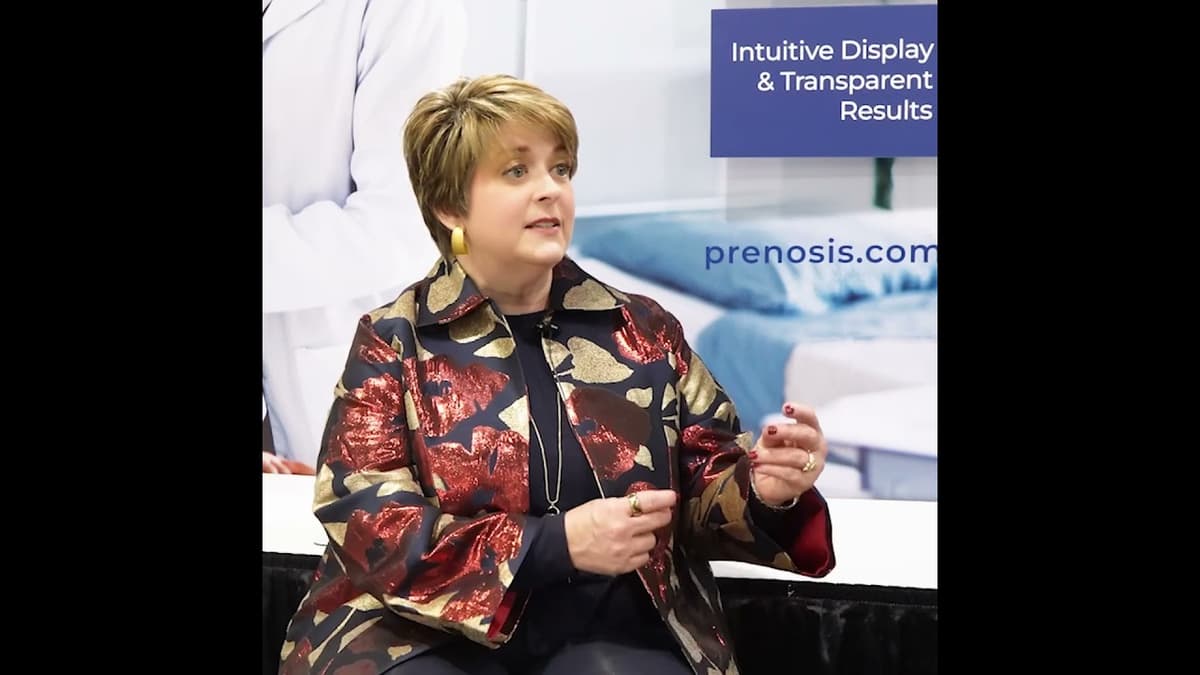
Clinicians Must Decide Now… but SEP-1 Compliance Is Judged After Discharge.
CMS has shifted SEP-1 sepsis bundle performance from a reporting requirement into value-based purchasing, exposing hospitals to payments or penalties based on compliance. National SEP-1 compliance averages roughly 65%, but clinicians face a crucial timing mismatch: they must decide in...
By Healthcare IT Today