
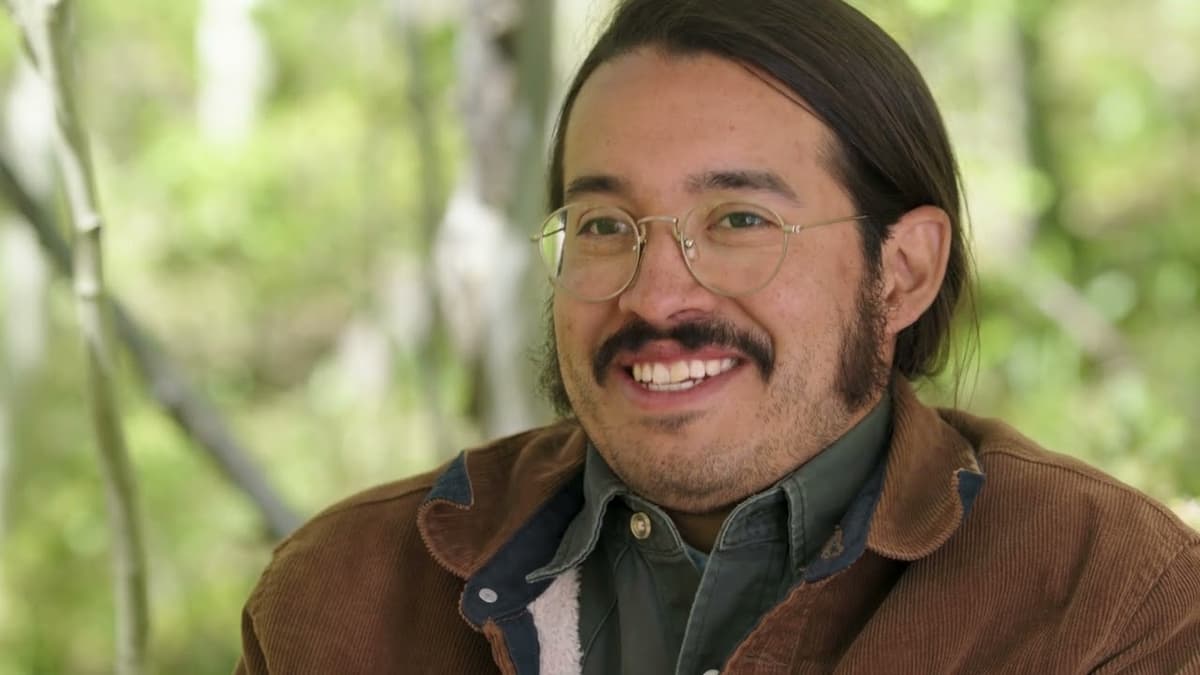
Mapping Migrations: The Bird Genoscape Project | HHMI BioInteractive Video
The Bird Genoscape Project leverages feather‑derived DNA to chart the full migratory routes of species such as yellow and Wilson's warblers. By replacing bulky radio or GPS tags with genetic markers, researchers can trace where birds breed, travel, and winter without harming tiny migrants. The workflow unfolds in three stages: field teams collect feather samples across breeding and wintering territories, laboratories isolate DNA and pinpoint single‑nucleotide polymorphisms (SNPs), and analysts match winter‑ground SNP signatures to breeding‑ground populations. These genetic fingerprints act as population‑specific barcodes, revealing that birds from different North American regions often winter in distinct locales in Mexico. Team members describe the process in vivid detail—playing male songs to lure warblers into nets, banding each bird, and cutting the feather tip for DNA extraction. The project underscores a stark reality: three billion North American birds have vanished in a single generation, and without knowing precise migratory links, conservation actions remain blind. The resulting genoscapes enable scientists to pinpoint where threats—habitat loss, pesticide exposure, or shifting precipitation patterns—impact particular populations. This precision informs targeted habitat protection, informs policy, and offers a proactive tool against climate‑driven declines.

The Biology of Skin Color | HHMI BioInteractive Video
The HHMI BioInteractive video explains how human skin color is a product of natural selection, not a moral attribute. It traces the evolution of melanin, the pigment that shields DNA from ultraviolet (UV) radiation, and shows how scientists used NASA’s...
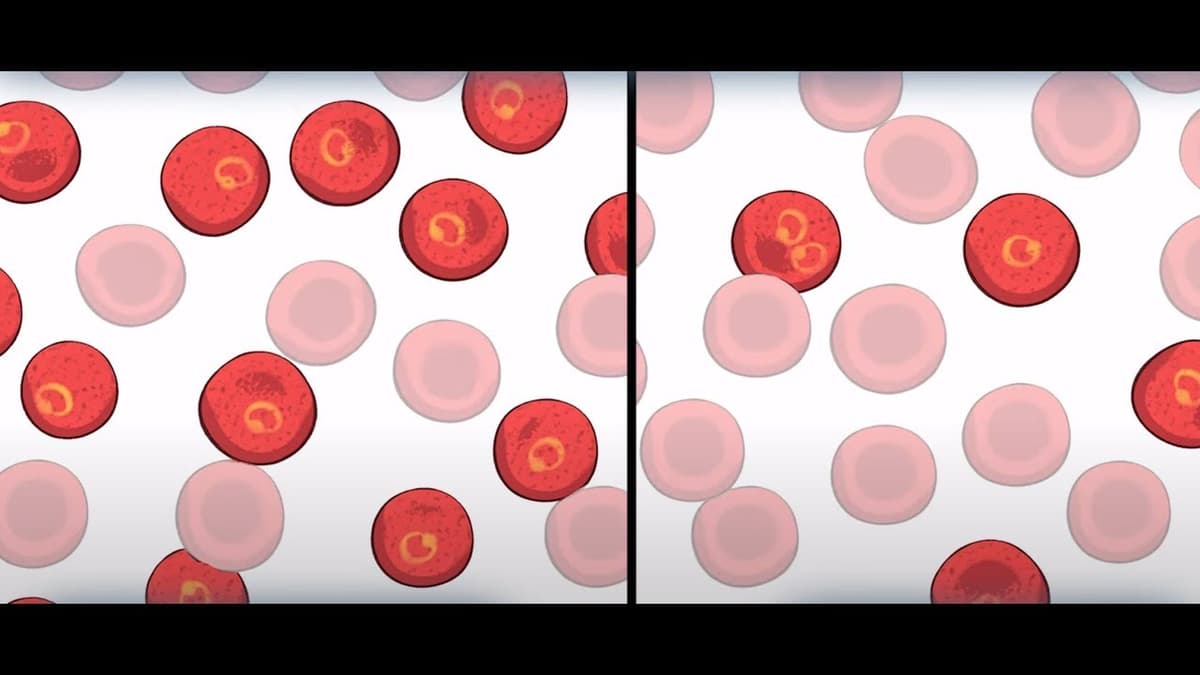
Sickle Cell: Natural Selection in Humans | HHMI BioInteractive Video
The HHMI BioInteractive video uses Morgan Grace’s personal story to illustrate why a seemingly harmful genetic mutation—sickle cell disease—remains common in certain human populations. It explains the molecular basis of the disorder, how a single‑base change in the hemoglobin gene...
Working with Self-Check Models
In this tutorial, educator Emit walks viewers through the self‑check functionality of Model Builder, a web‑based platform that lets students construct causal, conceptual, or stock‑and‑flow models. The feature works like a jigsaw puzzle: a pre‑designed model is disassembled into component...
Comparing Model Types
In this instructional video, Casey, an educator who leverages the BioInteractive Model Builder, walks viewers through the three distinct model types the platform can generate—conceptual, causal, and stock‑and‑flow—and explains when each is most appropriate for higher‑education biology courses. The tutorial defines...