
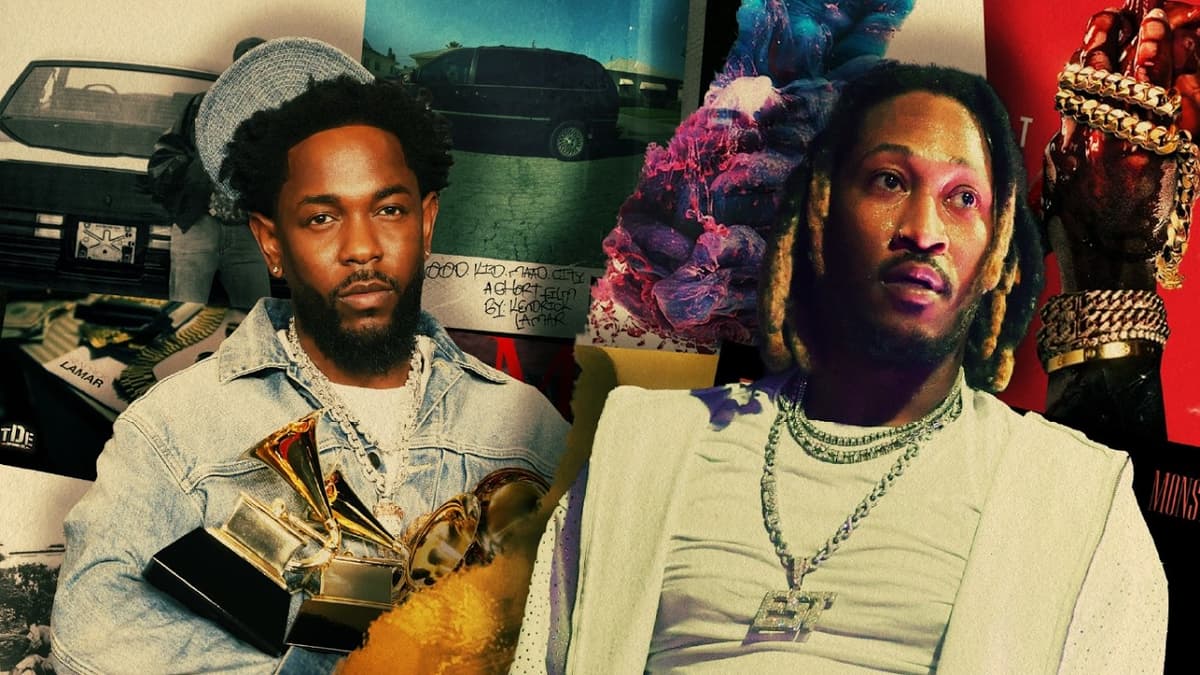
Future Vs. Kendrick: Who Has More Classics?
The video essay pits Atlanta trap heavyweight Future against Compton lyricist Kendrick Lamar, asking which artist boasts more ‘classics.’ It frames the question not as a simple popularity contest but as a probe into how hip‑hop culture judges lasting value—whether by sheer output, cultural saturation, or conceptual ambition. Future’s early‑2010s run—Monster, Beast Mode, 56 Nights, DS2, and the joint project HNIX—delivered six back‑to‑back releases that the narrator calls classics, illustrating a volume‑driven model where each mixtape feels album‑level. Kendrick, by contrast, produced four universally lauded albums—Good Kid, M.A.A.D City, To Pimp a Butterfly, and DAMN—each built as a cohesive narrative, suggesting a curation‑first approach. The essay cites Future’s transformation of trap into an emotional language, his partnership with producers like Metro Boomin, and his influence on mainstream mood, while highlighting Kendrick’s layered storytelling, political commentary, and Grammy recognition. It also notes that mixtapes function like albums for Future, whereas Kendrick’s tracks gain power only within album context. Ultimately, the debate underscores that legacy in rap is measured by different standards: cultural ubiquity versus artistic intent. Recognizing both paths helps industry executives, critics, and fans calibrate how they value catalog depth, award potential, and long‑term relevance in an era where algorithms can rewrite narratives overnight.
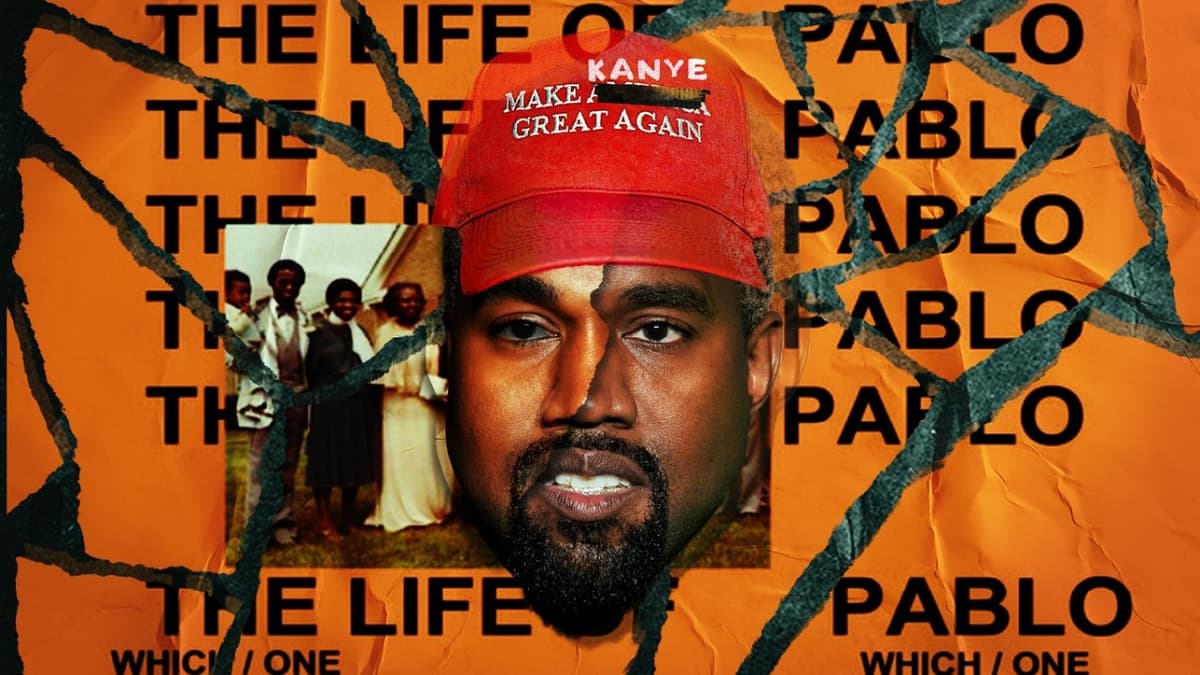
Why The Old Kanye Didn’t Survive Past “The Life Of Pablo”
The video examines why the “old Kanye” – the visionary, self‑aware artist behind My Beautiful Dark Twisted Fantasy – effectively ended with 2016’s The Life of Pablo. It traces Kanye’s trajectory from musical reinvention to a sprawling Yeezy conglomerate, noting how...