
Recent Posts

Video•Feb 23, 2026
Track YouTube Engagement Directly in Your CRM #shorts
The video showcases HubSpot’s new YouTube integration that streams channel comments directly into the CRM, allowing marketers to monitor engagement without leaving their sales platform. Users can filter to a single YouTube account, view each comment in real time, reply instantly from the CRM interface, and even tag or assign the comment to an existing contact record, eliminating the need to toggle between YouTube Studio and HubSpot. The presenter demonstrates searching for a contact, assigning a comment to a duplicate “me” record, and notes that the feature supports multiple team members, so anyone can jump in to answer queries promptly. By consolidating social media interactions into the CRM, companies can streamline response workflows, improve data hygiene, and gain richer insights into how YouTube viewers move through the sales funnel.
By HubSpot Hacks (Simple Strat, independent)

Video•Feb 23, 2026
More Goal Templates Available in HubSpot #shorts
HubSpot’s latest update expands its goal‑setting suite, adding a broader set of pre‑built templates to help users define 2026 objectives more precisely. The new library now includes templates for leads created, notes or activities, calls, tasks and other lifecycle metrics, alongside...
By HubSpot Hacks (Simple Strat, independent)

Video•Feb 23, 2026
Lifecycle Date Tracking for Companies #shorts
HubSpot has extended its lifecycle‑stage date‑stamping feature from contacts to companies, allowing users to capture the exact day a firm enters and exits each stage of the sales funnel. Previously, only individual contacts had entry‑and‑exit timestamps, limiting account‑level analytics. The...
By HubSpot Hacks (Simple Strat, independent)

Video•Feb 23, 2026
Find and Replace Users in HubSpot #shorts
HubSpot has introduced a Find and Replace Users tool that scans the entire CRM for references to a departing employee and swaps them with a new owner in just a few clicks. Previously, admins had to manually edit workflows, meeting...
By HubSpot Hacks (Simple Strat, independent)

Video•Feb 23, 2026
Stop Rebuilding Static Segments From Scratch #shorts
HubSpot has introduced the ability to edit filters within static segments directly, eliminating the need to clone or rebuild lists from scratch. Previously, static lists were immutable snapshots, forcing marketers to create new copies for any change. The new in‑place...
By HubSpot Hacks (Simple Strat, independent)
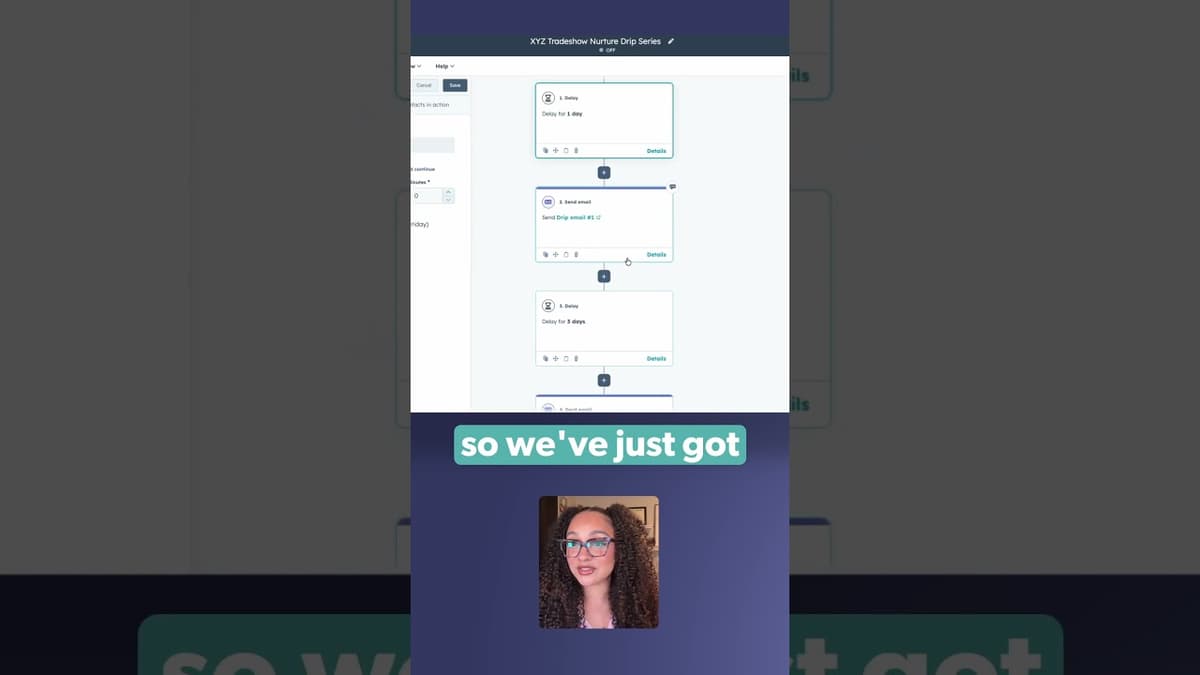
Video•Feb 23, 2026
Delay Workflows by Business Days in HubSpot #shorts
HubSpot has introduced a new feature that lets users delay workflow actions by business days instead of calendar days. The change applies to nurture campaigns and drip workflows, allowing marketers to schedule emails, tasks, and other actions more precisely. By...
By HubSpot Hacks (Simple Strat, independent)