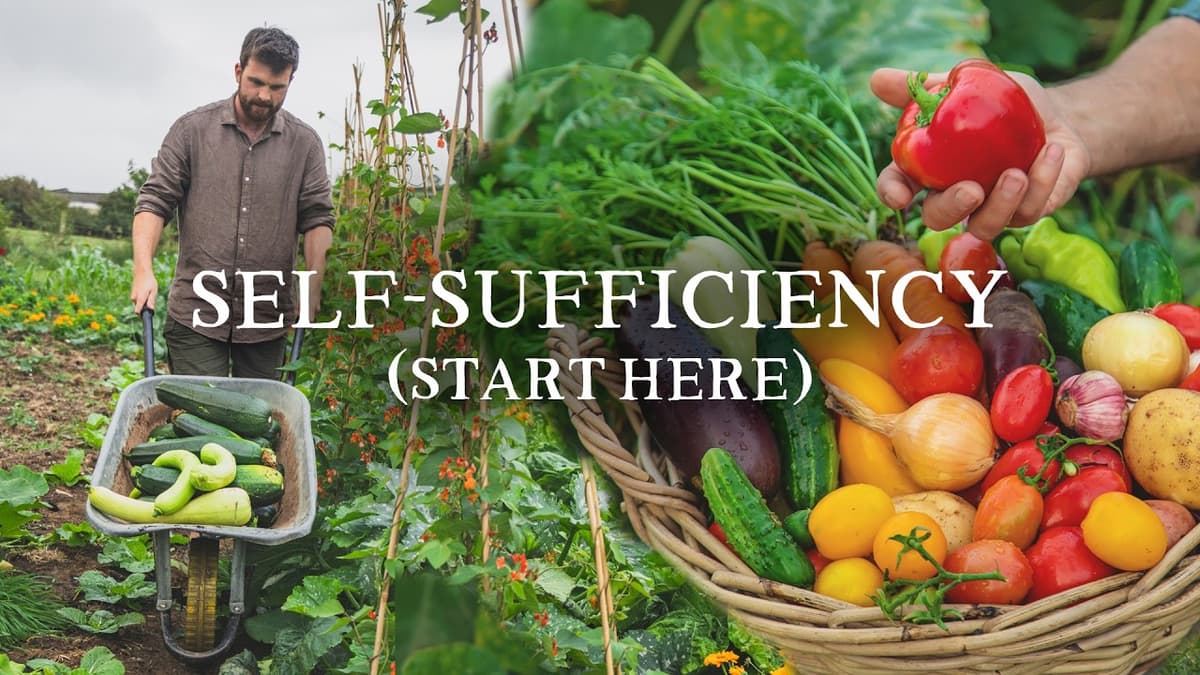
Watch This If You Want to Be Self-Sufficient
The video introduces a "portion‑based gardening" framework that lets home growers translate garden space into concrete meal servings. By defining a standard portion—such as three medium beetroots or two medium leeks—the presenter walks through a step‑by‑step calculation: weekly consumption, weeks of harvest, total portions, and finally the number of plants needed, with a 10‑15% buffer for variability. This method replaces guesswork with clarity, enabling gardeners to plan precisely how many seeds or seedlings to sow for a desired seasonal menu. Key data points include the beetroot example, where two weekly portions over sixteen weeks require roughly 110 plants, and the kale estimate of twelve portions per plant across winter months. The speaker also highlights the multi‑harvest potential of crops—beet leaves, potato tops, and onion greens—further boosting food output per square meter. Practical tips such as weighing a typical serving (e.g., 250 g of new potatoes) help translate weight into plant counts, while the concept of "insurance" guards against poor yields. Notable quotes emphasize the mindset shift: "Clarity is the whole point of this system" and the analogy that self‑sufficiency is a marathon, not a sprint. The presenter urges beginners to set modest goals—like a garden‑only week in September—or to focus on a single herb such as rosemary, illustrating how small, incremental victories build momentum toward broader food independence. The broader implication is that even limited urban spaces can supply a family’s vegetable needs when growers adopt systematic portion planning and combine incremental milestones with crop‑focused strategies. By treating gardening as a quantified supply chain, households can reduce supermarket dependence, improve food security, and enjoy fresher, home‑grown meals year‑round.
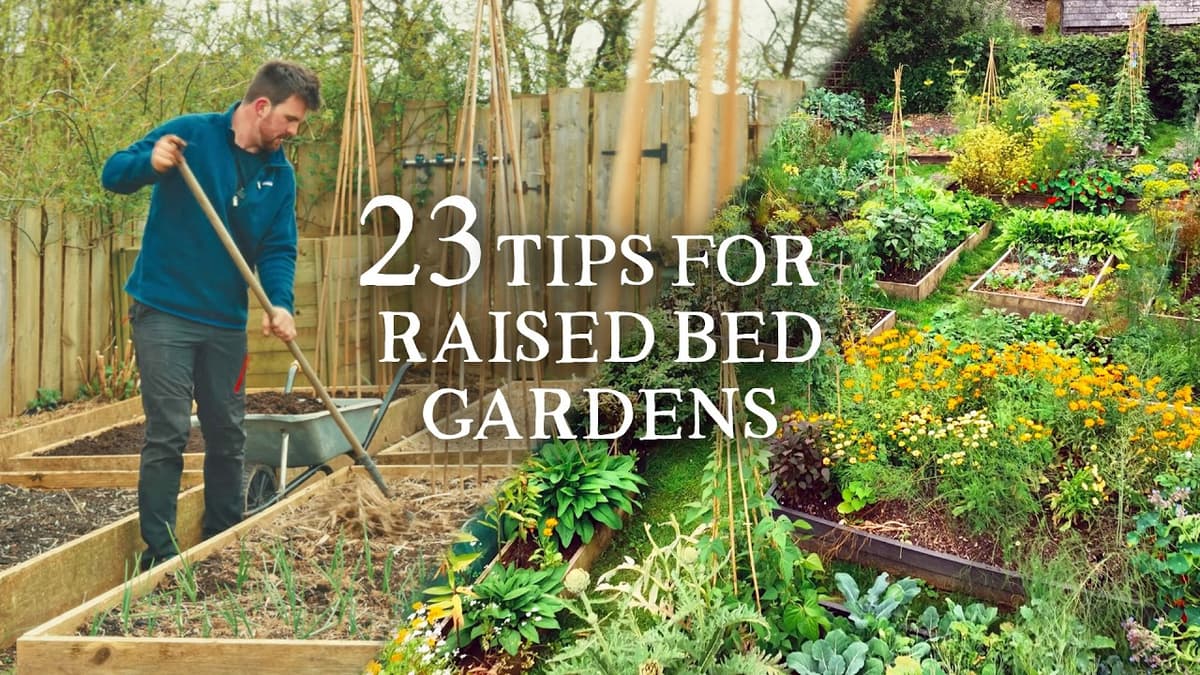
23 Raised Bed Gardening Tips I Wish I Knew Sooner
The video walks viewers through 23 practical raised‑bed gardening tips, aimed at beginners and seasoned growers alike, emphasizing how to design, plant, and maintain compact, high‑yield beds. The host recommends limiting bed width to 1.2 m (4 ft) and length to about 3 m...
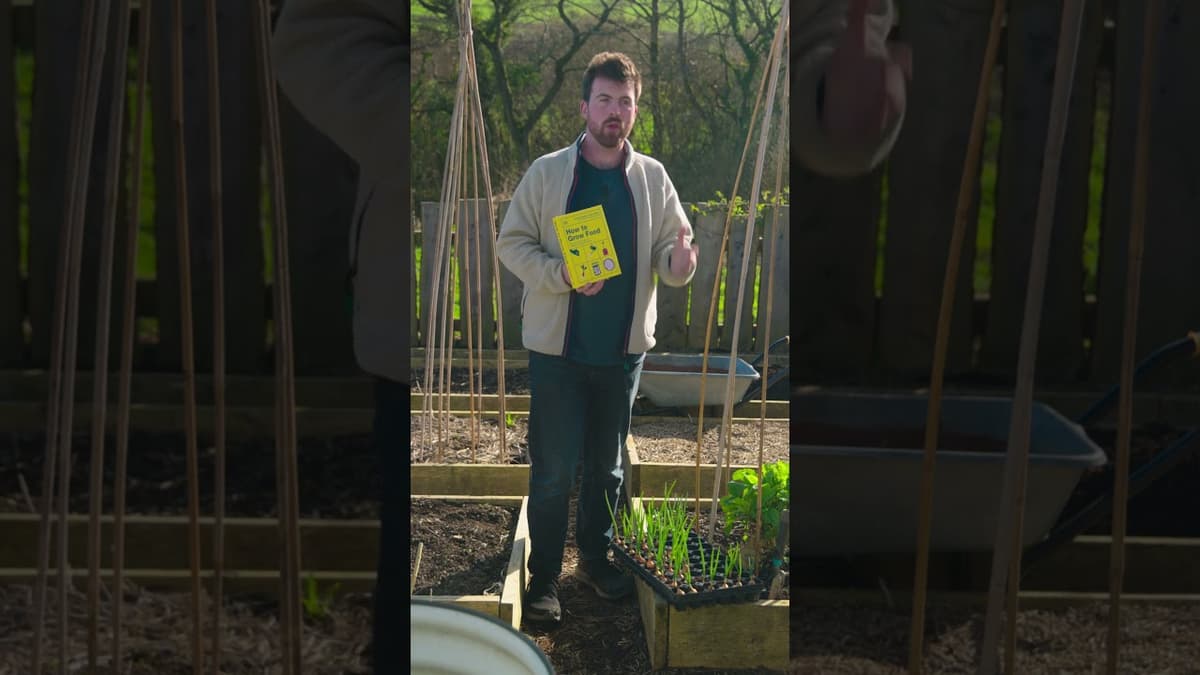
Tomorrow Is a Big Day! #howtogrowfood
Tomorrow marks the nationwide delivery of a small yellow book to more than a thousand households, a milestone the creators celebrate as a ‘big day.’ The announcement underscores the scale of the pre‑order campaign and the logistical effort behind getting...
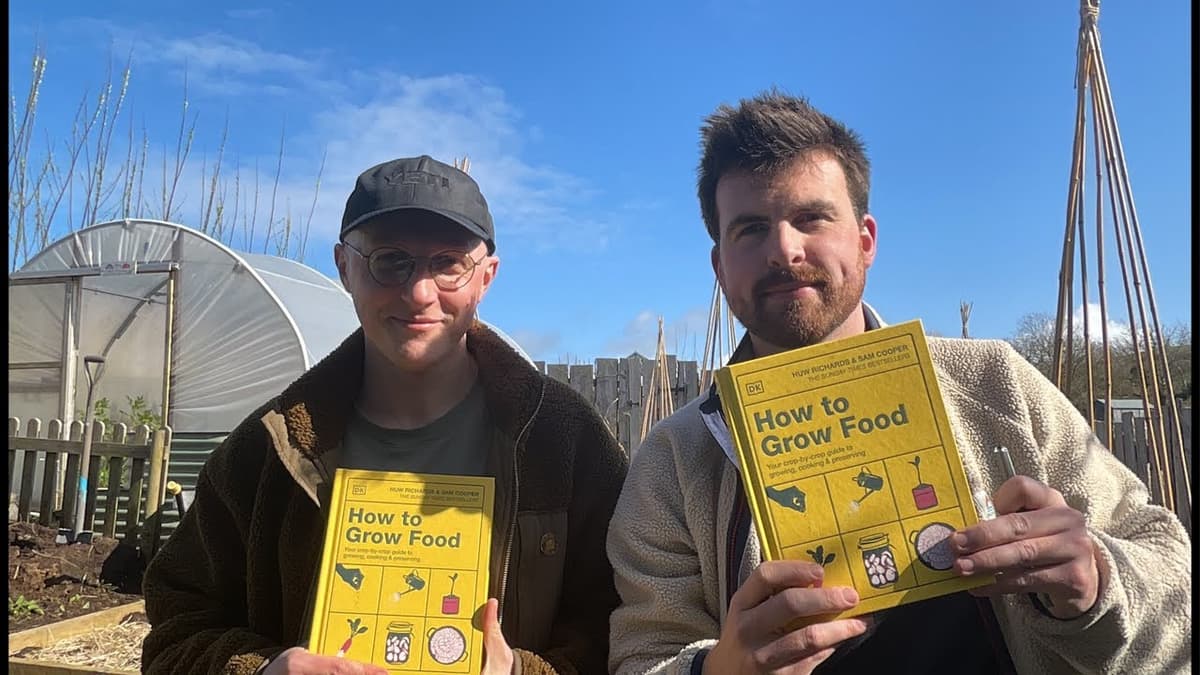
How To Grow Food | Livechat Special with Huw Richards and Sam Cooper
The live‑chat special with Huw Richards and Sam Cooper served as a launch platform for their new guide, “How to Grow Food.” Using Starlink‑enabled video, the duo fielded questions from an international audience while walking viewers through their garden...
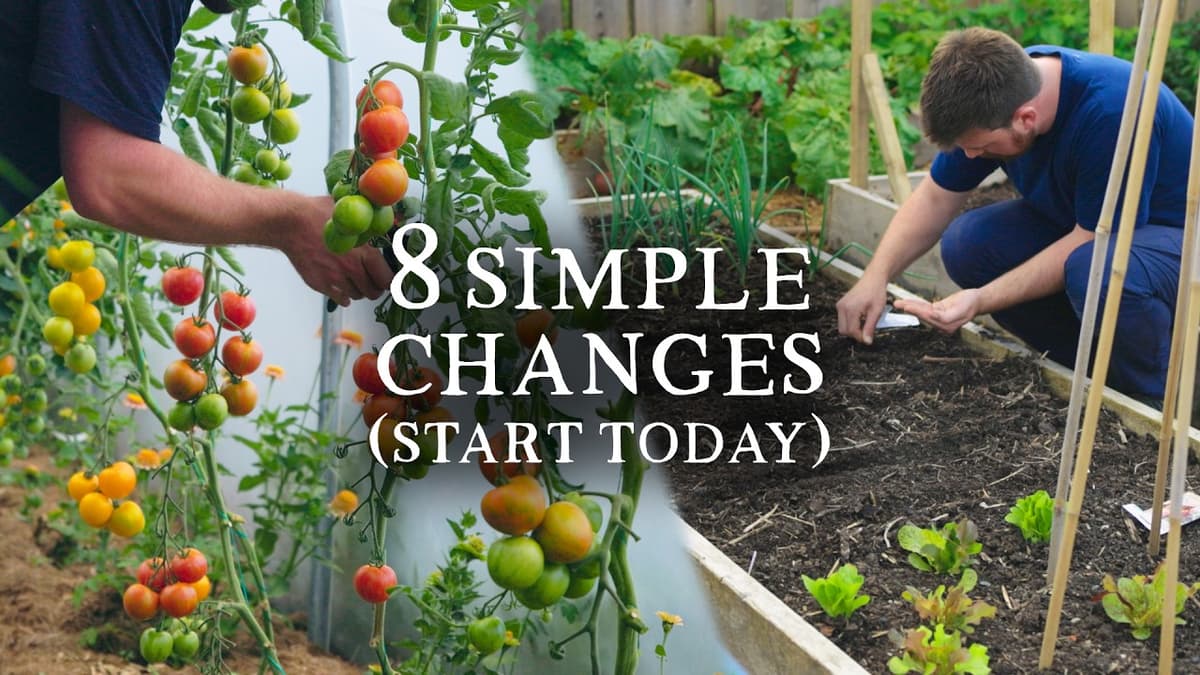
8 Small Changes to MASSIVELY Increase Your Vegetable Harvests
The video walks viewers through a series of modest, actionable tweaks that collectively promise a dramatic lift in vegetable yields. Drawing on concepts from the creator’s forthcoming book, "How to Grow Food," the presenter frames gardening as a collection of...
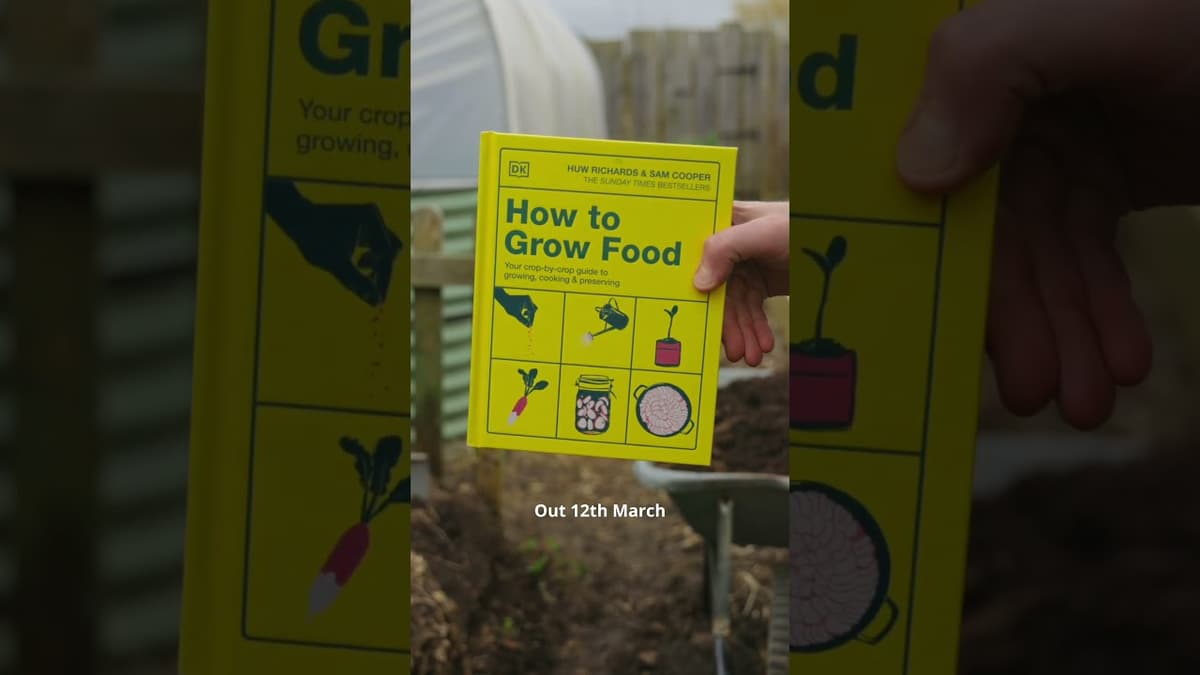
Is Growing Food Complicated?
Growing your own food is often perceived as daunting, but the speaker argues it is merely complex—not complicated. By distinguishing between the two, the video sets up a framework where each gardening task—seasonal timing, sowing, transplanting, potting, watering—can be broken...
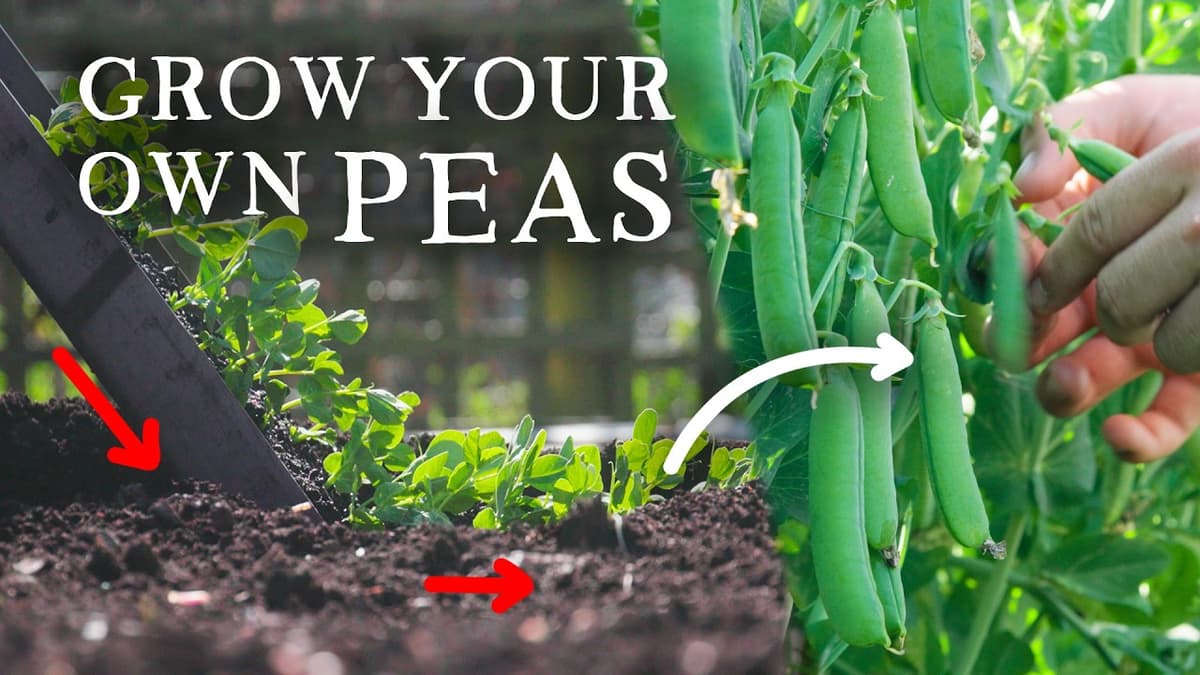
How to Grow Peas | 2 Simple Methods for Huge Harvests
The video demonstrates two low‑cost, high‑output methods for growing peas – using modular seed trays and repurposed rain gutters – as part of a broader self‑sufficiency guide. It emphasizes that peas are hardy from March onward in zones 5+ and can...

Why Compost Alone Won’t Build the Healthiest Soils
The video argues that while compost is a valuable amendment, it alone cannot create the healthiest soils. The presenter frames compost as a "precision tool" that supplies stable carbon, nutrients, and microbes, but it does not generate the dynamic energy...