
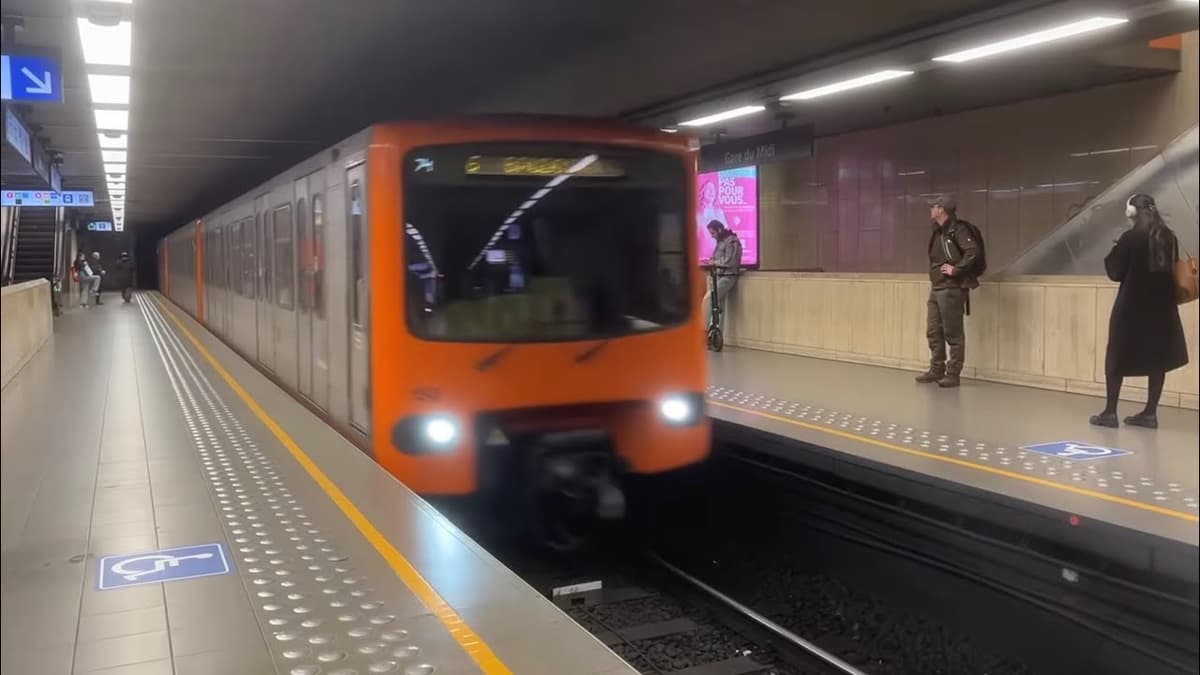
Brussels Metro Line 2: Make up Your Mind, Will You?
The video examines Brussels Metro Line 2, an inner‑city loop that has become a case study in how shifting political priorities and financial limits can turn a seemingly logical transit plan into a maze of half‑finished stations and confusing routing. Originally conceived in the 1970s as a pre‑metro—tram lines placed underground to boost capacity—the line opened its first segment in 1970, but funding cuts stalled progress until 1985. A policy reversal in 1986 prompted a rapid conversion, and the full metro opened on 2 October 1988, with subsequent extensions to Simony, Guardi di, Clemens‑so, and finally Garde West by 2009. The video highlights quirks such as Simony’s split platforms renamed multiple times, a hidden pre‑metro tunnel beneath Louise, and the mammoth skeleton displayed at Gardi di. It also notes that Line 2 shares tracks with Line 6 and that older M1‑M5 trains are being supplemented by modern M7 units. These complexities illustrate the pitfalls of retrofitting existing tram networks into heavy rail, underscoring the need for stable, long‑term planning. For commuters and investors, the line’s chronic overcrowding and potential future re‑splitting signal ongoing operational challenges and opportunities for capacity upgrades.
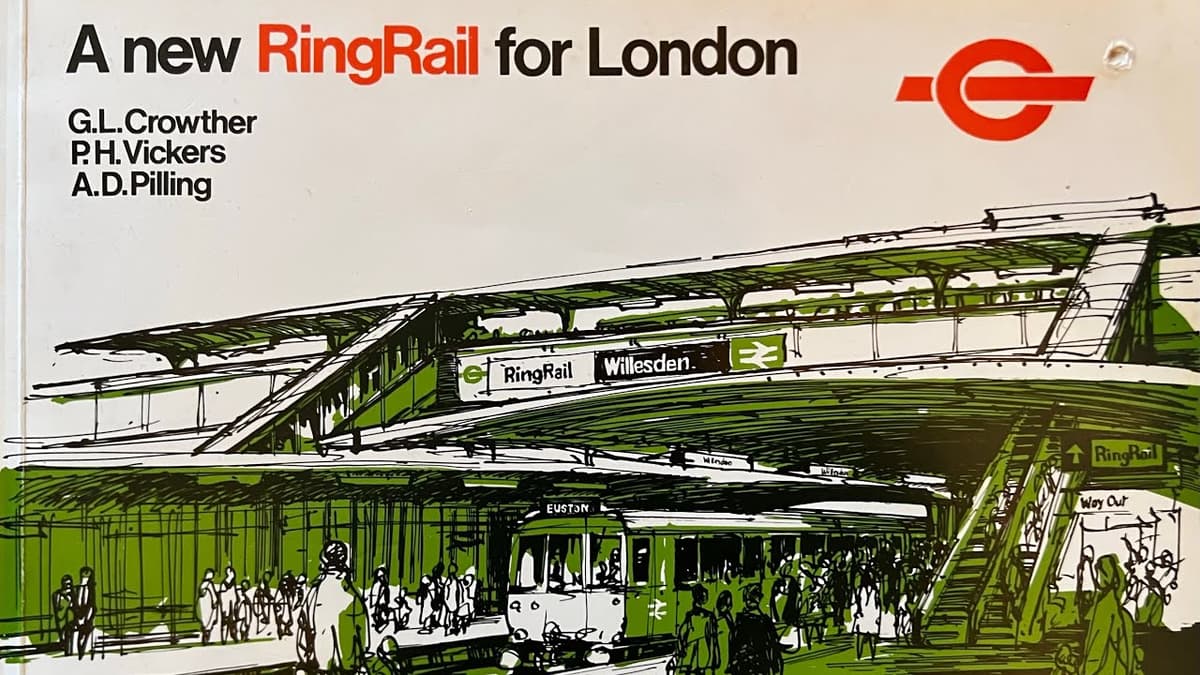
RingRail: The London Overground, but with Monorails and Heliports and Stuff
The video examines the 1973 Ring Rail proposal – an ambitious plan to stitch together London’s under‑used suburban railways into a continuous orbital line. Conceived as a low‑cost alternative to the controversial Ringways motorway scheme, the project sought to improve...
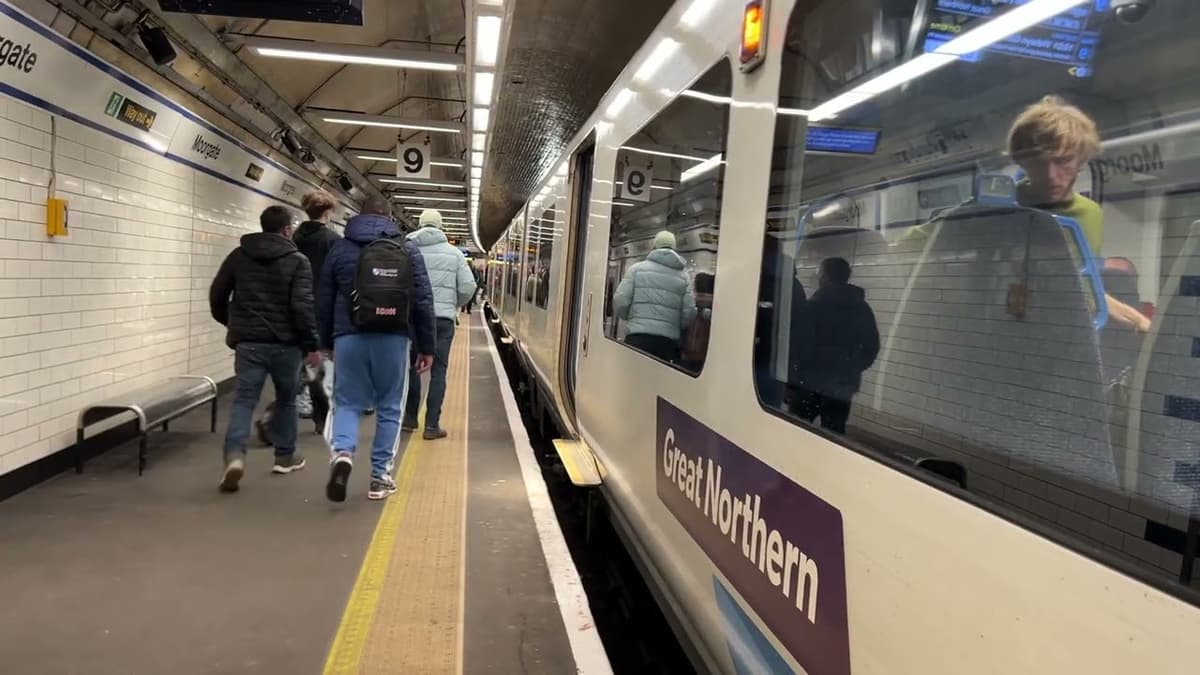
Moorgate and More
The video chronicles the tangled evolution of London’s Morgate station, from its 1865 opening as part of the pioneering Metropolitan Railway to its present role on the Elizabeth line. Named for a medieval city‑gate leading to the moors, Morgate began...
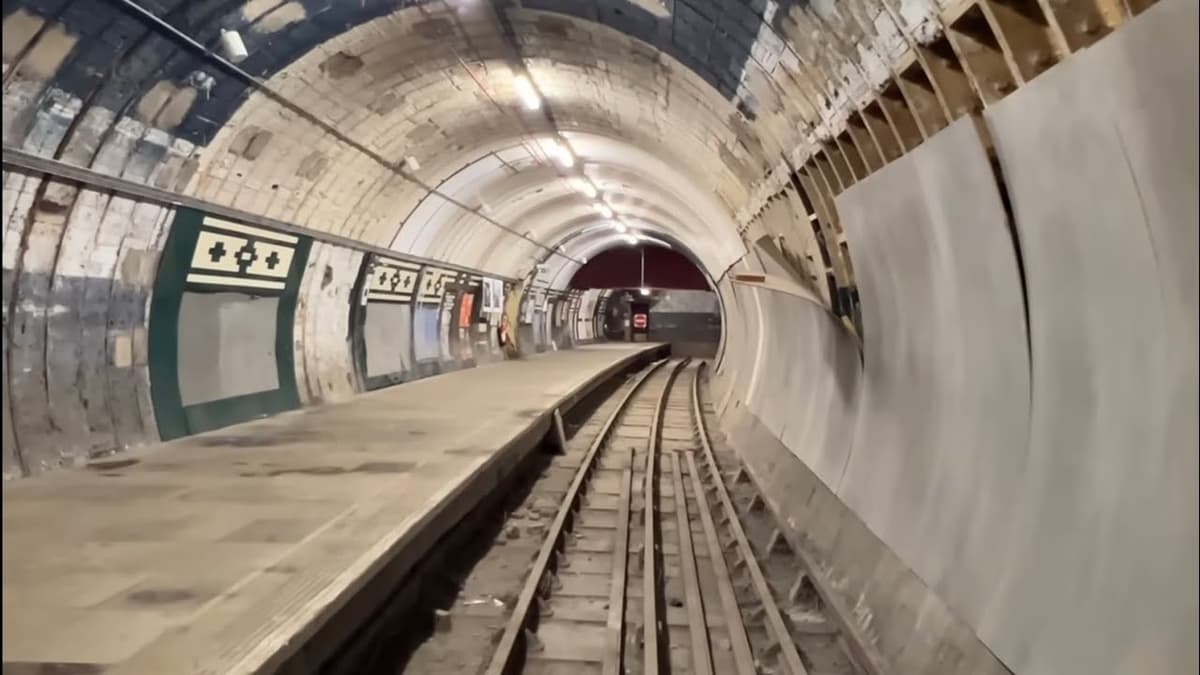
Will Aldwych Station Ever Reopen?
The video examines Aldwych (formerly Aldwick) station, the most famous abandoned tube stop in London, and explains why it is unlikely to reopen. Opened in 1907 as a short branch of the Piccadilly line, the station was built more as...
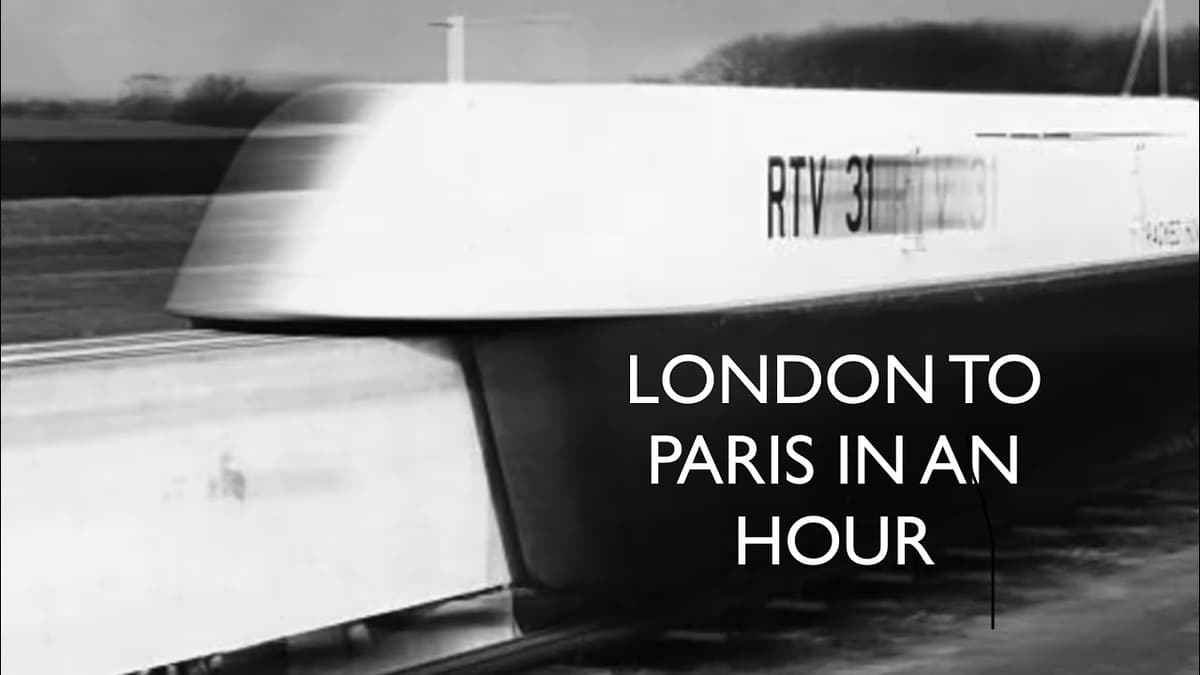
The Hovertrain to Paris
The video revisits the 1960s‑70s proposal to run a hover‑train across the English Channel, an intermediate technology between hovercraft and maglev that would glide on an air cushion and be propelled by a linear induction motor. Inventor Sir Christopher Cockerell, famed...
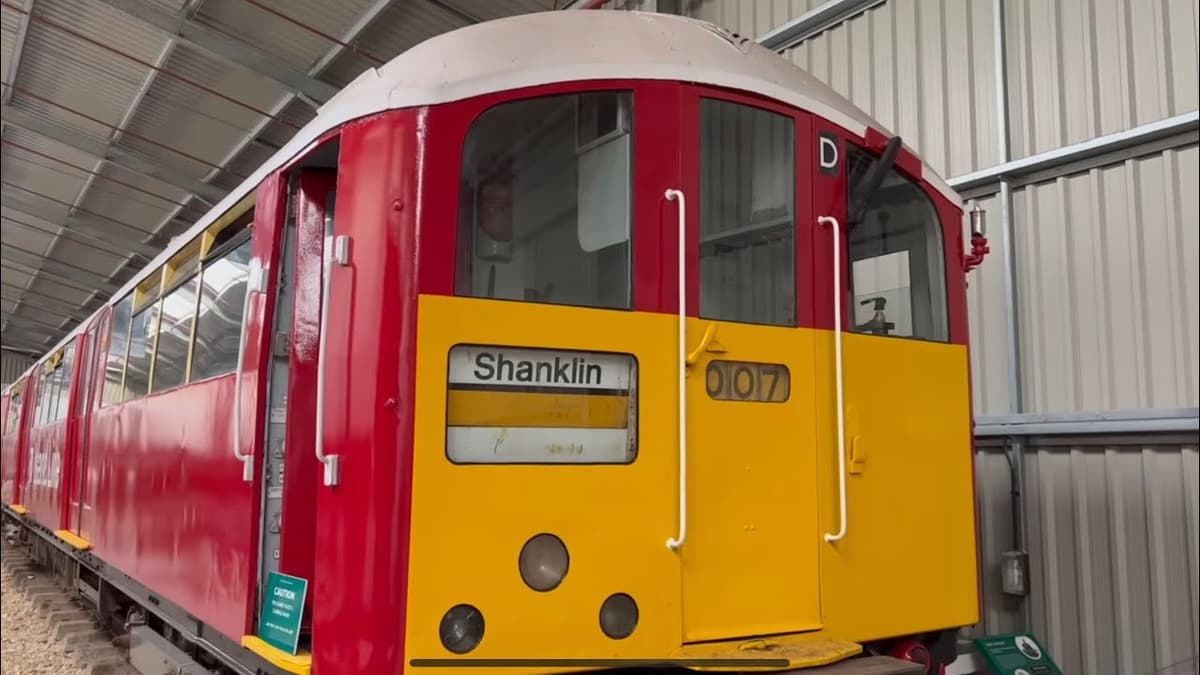
Is There an Iconic Tube Train?
The video asks whether any London Underground train has achieved the iconic status enjoyed by the Routemaster bus or the classic black cab, and sets out a working definition of “iconic” as widely recognised and symbolically representative. It surveys the tube’s...
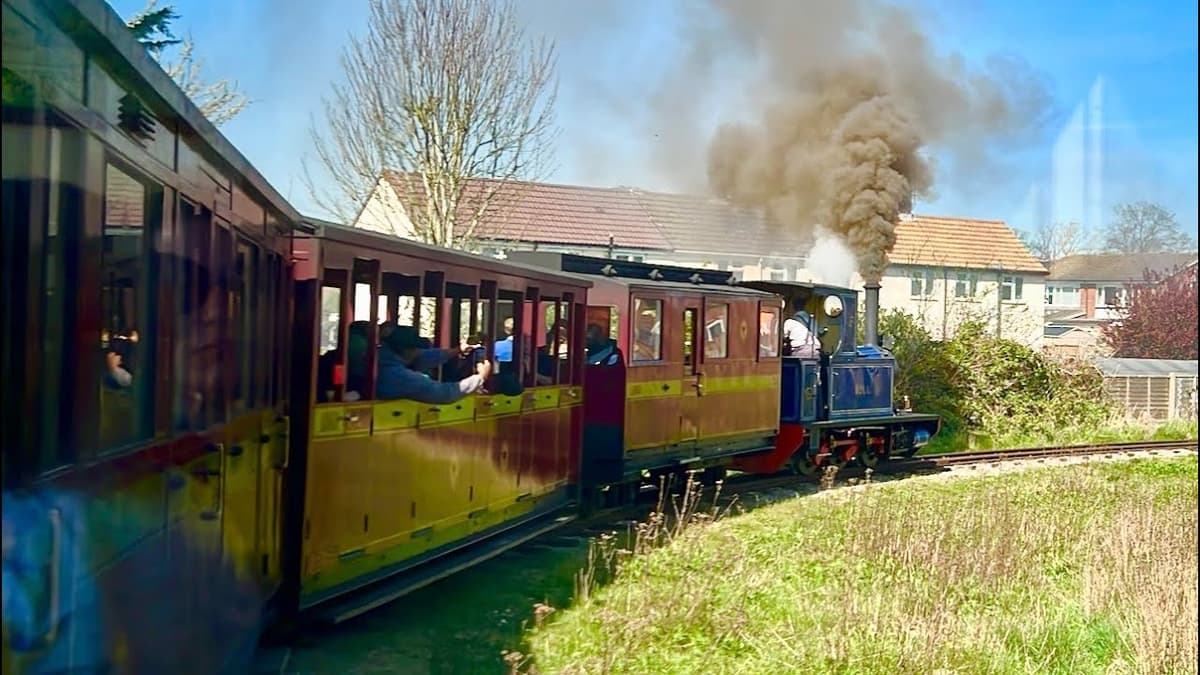
Sandpits and Tin Turtles at Leighton Buzzard
The video chronicles the Leighton Buzzard Light Railway, a narrow‑gauge industrial line born out of a World War I sand shortage. When Belgian sand imports ceased, local quarries needed a reliable way to move sand for metal casting, prompting the rapid...
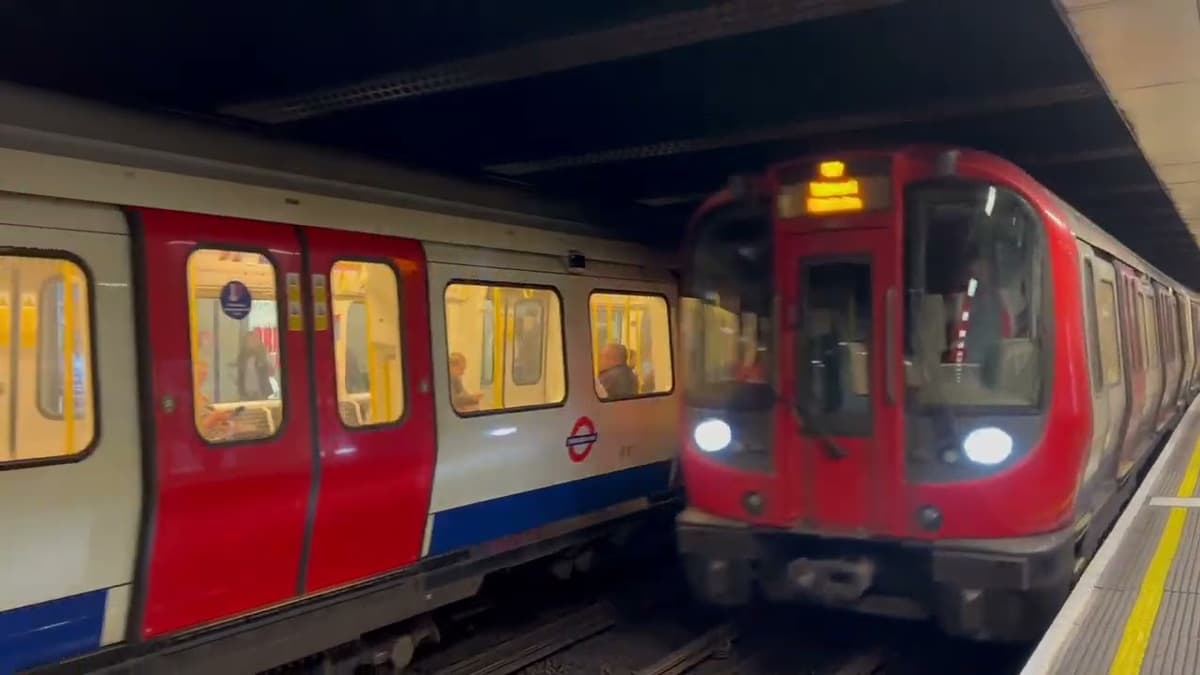
Funny Smells on the London Underground
The video examines Magnum’s recent multi‑sensory promotion on the London Underground, which paired traditional posters with recorded bite sounds and an attempted chocolate fragrance at King’s Cross St. Pancras. While visual advertising is commonplace on the tube, the addition of...
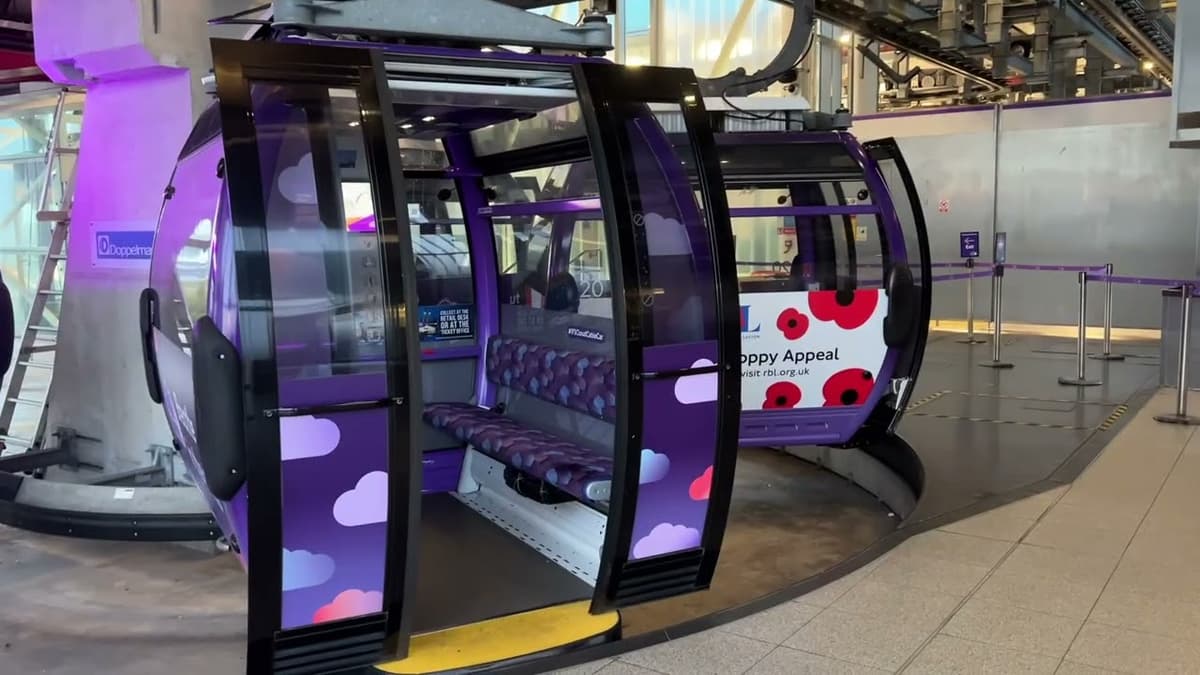
The True, Actual and True History of the London Cable Car
The video presents a tongue‑in‑cheek chronicle of London’s cable‑car system, claiming it is today’s busiest transport mode with 114 million daily riders. It traces the line’s origin to an 1886 patent by Vincent Cable and Jimmy Carr and the establishment of...
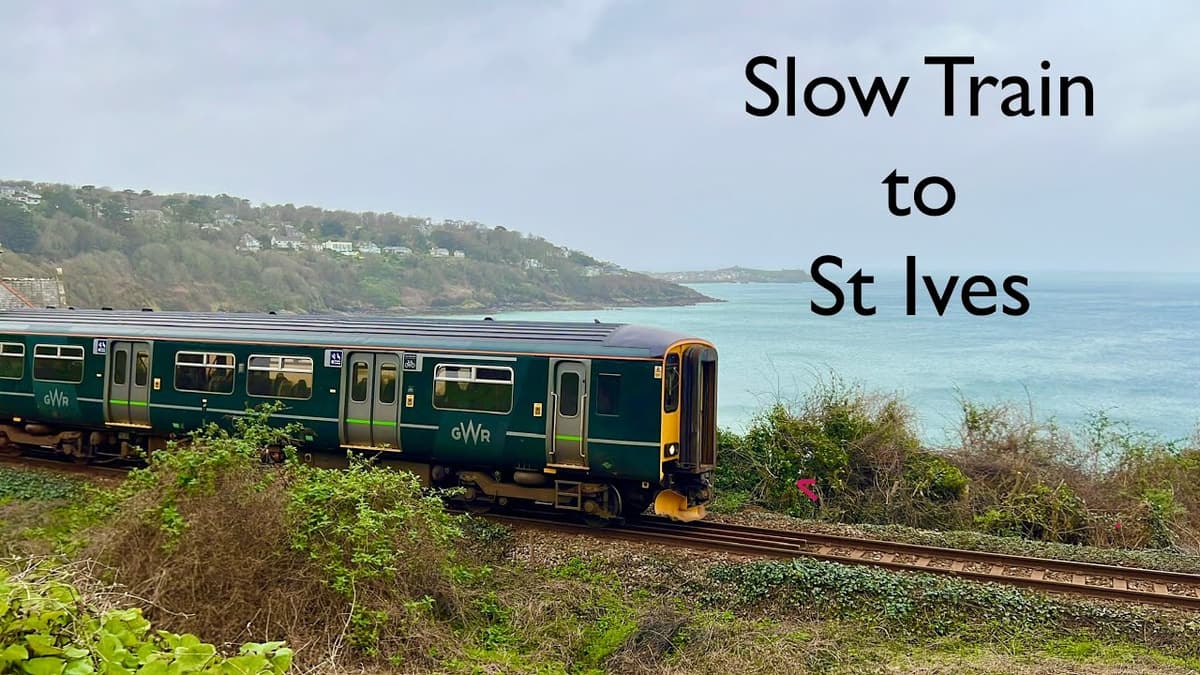
The Beautiful St Ives Bay Line
The video chronicles the St Ives Bay Line, a 4¼‑mile branch from St Earth to the coastal town of St Ives in Cornwall, detailing its protracted birth, engineering quirks and eventual role as a tourist artery. Initial proposals in the 1840s were repeatedly rejected...
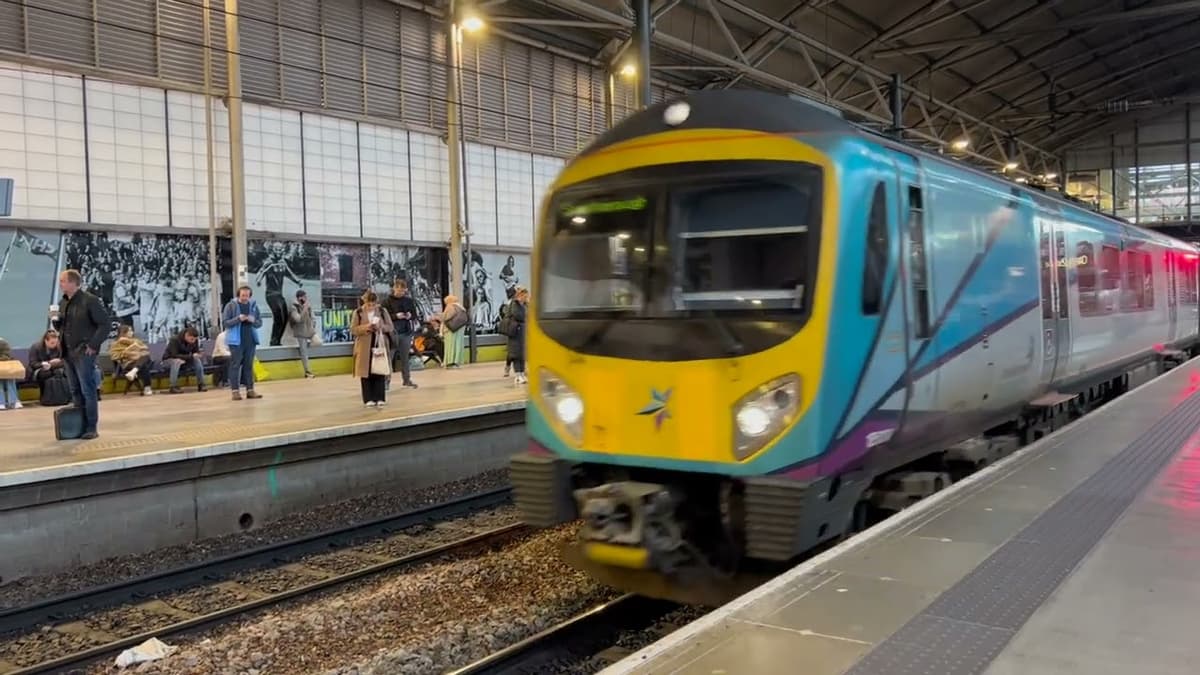
Refunds on the Railways?
The video spotlights the British rail system’s chronic punctuality problems and the cumbersome “delay‑repay” scheme, while previewing Great British Railways’ plan to overhaul ticketing and refunds by 2027. The presenter cites staff shortages, signaling faults and soaring fares that often make...
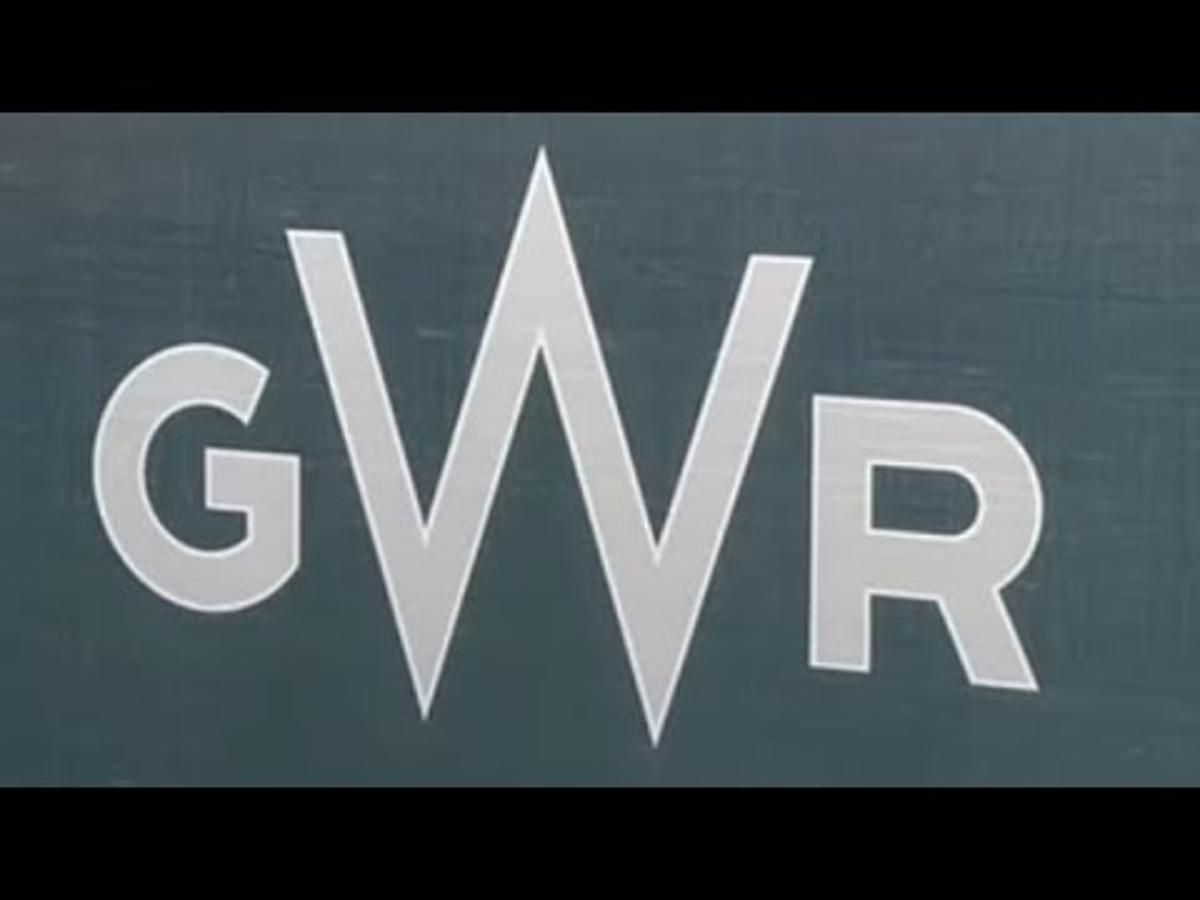
The Secret of the Great Western Railway Logo
The video unpacks the seemingly simple mystery behind Great Western Railway’s distinctive logo, focusing on the oversized “W” that harks back to a 19th‑century emblem. While today’s operator shares the name with the famed Victorian railway, it is essentially a...
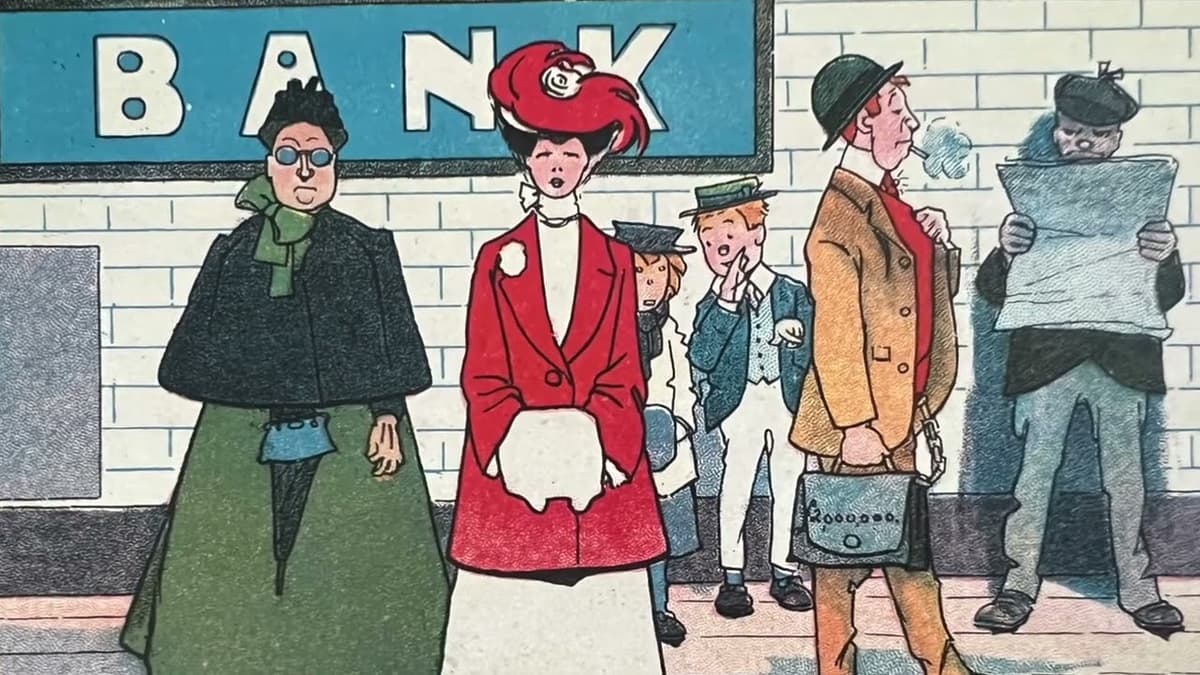
The London Underground's Over-Designed Stations
The video examines why the London Underground relies on substantial surface buildings rather than the minimalist pavement entrances common in other historic metros. It traces the system’s origins to the 1863 Metropolitan Railway, where early ticketing demanded a staffed booking...
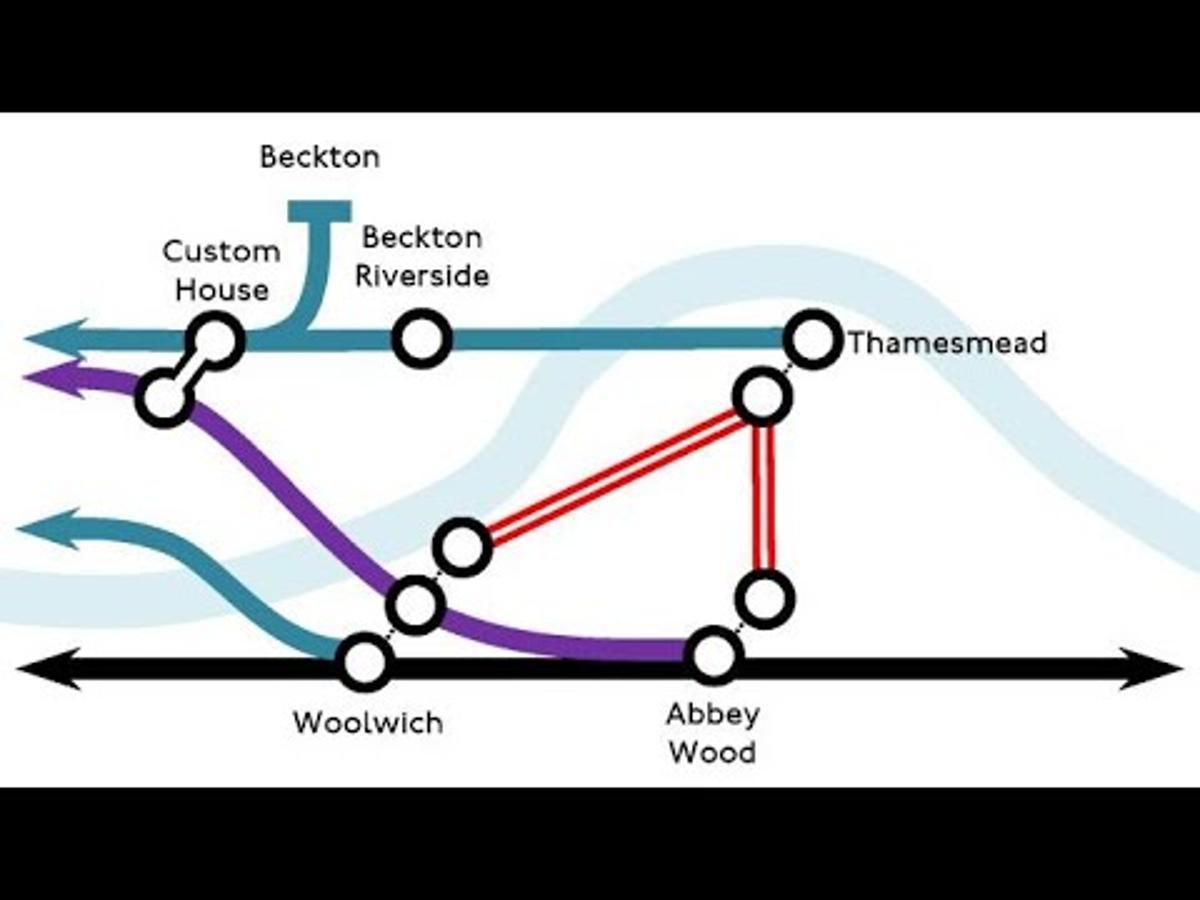
Extending the DLR to Thamesmead: But Why?
The video examines TfL’s latest proposal to push the Docklands Light Railway three kilometres eastward into Thamesmead, a post‑war “new town” that has lived without a rail link for more than half a century. The author notes that earlier schemes...
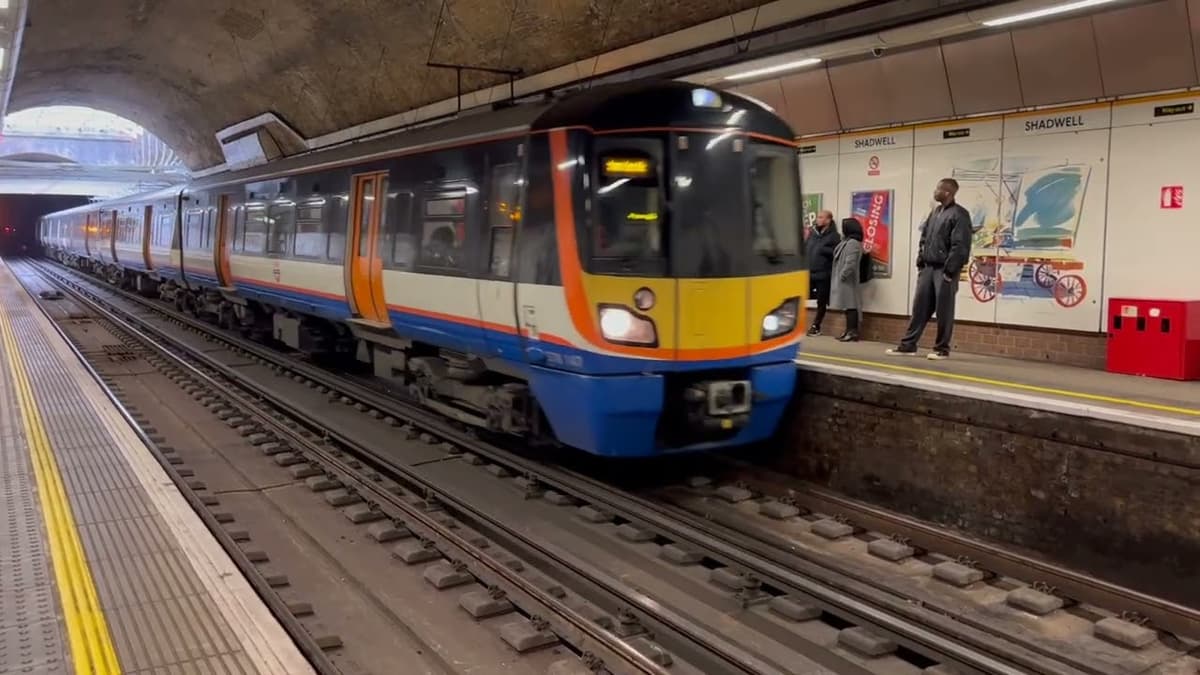
Free Public Transport: Good Idea/Bad Idea?
The video examines whether making urban public transport free is a viable policy, using London as the primary case study while referencing other cities that have experimented with the model. The presenter argues that fares are a major expense for commuters,...