
Recent Posts
Social•Feb 17, 2026
Three Lower Bounds Achieve Near-Exact Ground-State Energies
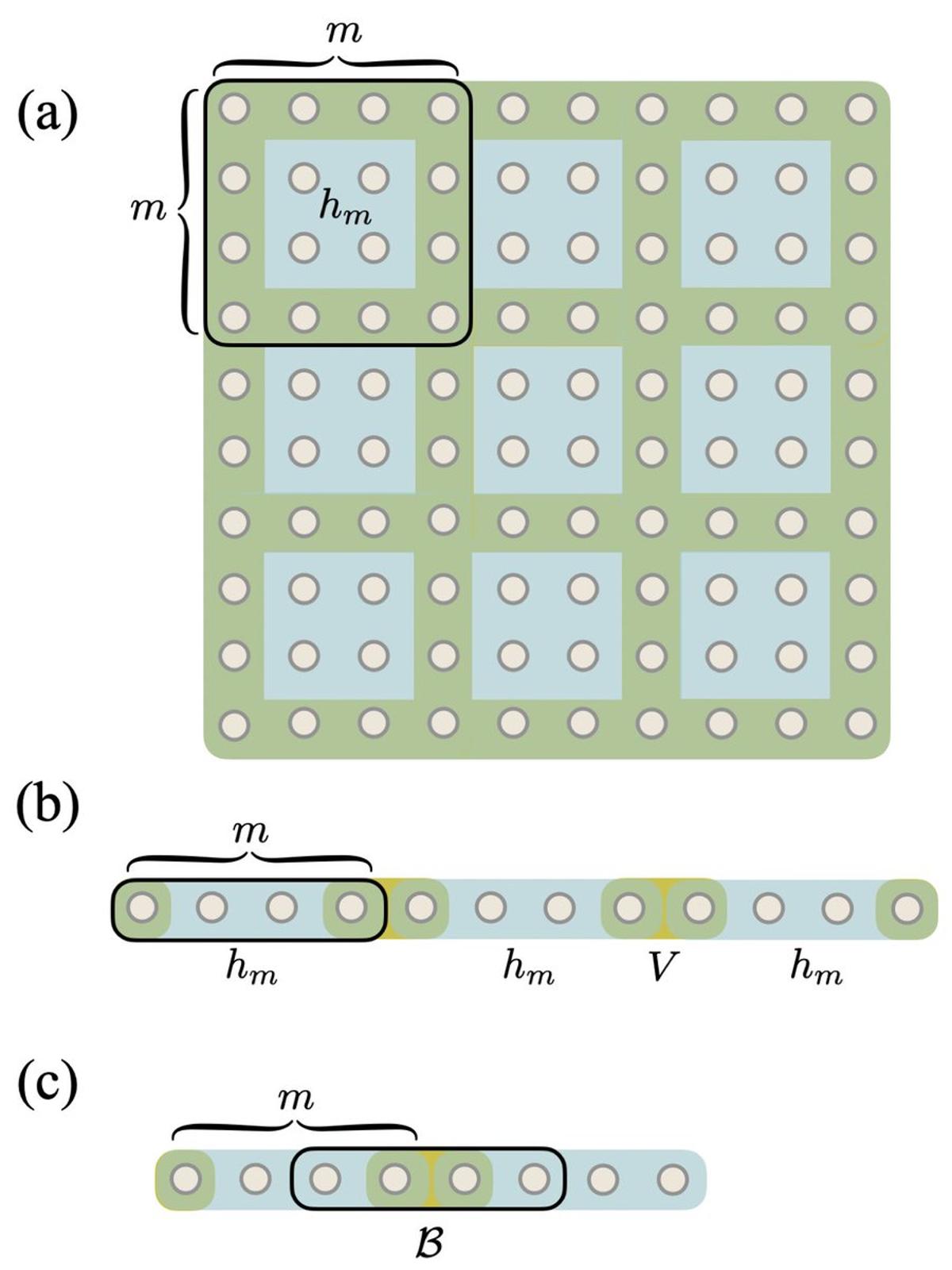
Variational #quantumalgorithms and classical variational methods, such as #tensornetwork techniques, provide upper bounds on ground-state energies. However, to meaningfully assess their performance and reliability, these results should be complemented by efficiently computable lower bounds. https://t.co/Fxs5ORiqcW This work demonstrates that three distinct types of lower bounds—the (i) Anderson bound, an (ii) algebraic bound, and an (iii) improved Anderson bound based on semidefinite programming—approximate the ground-state energy up to at most a small constant error per site.
By Jens Eisert

Social•Feb 13, 2026
New Methods Certify Photonic Quantum States Amid Indistinguishability
Photons are indistinguishable, and this makes certification - as it is relevant for photonic state preparations and computing - a subtle issue. We introduce methods and a mindset for certification of linear optical quantum state preparation that work in the...
By Jens Eisert
Social•Feb 12, 2026
Quantum Software Alliance Launches Site to Accelerate Practical Computing
Quantum software is essential to make quantum technology work. The #QuantumSoftwareAlliance is a network of research institutions focused on making quantum computing practical through software, with an emphasis on co-design, algorithm discovery, verification, benchmarking, and interoperability. The web page is now...
By Jens Eisert
Social•Feb 11, 2026
Local Stoquastic Hamiltonians Remain MA-Hard to Solve
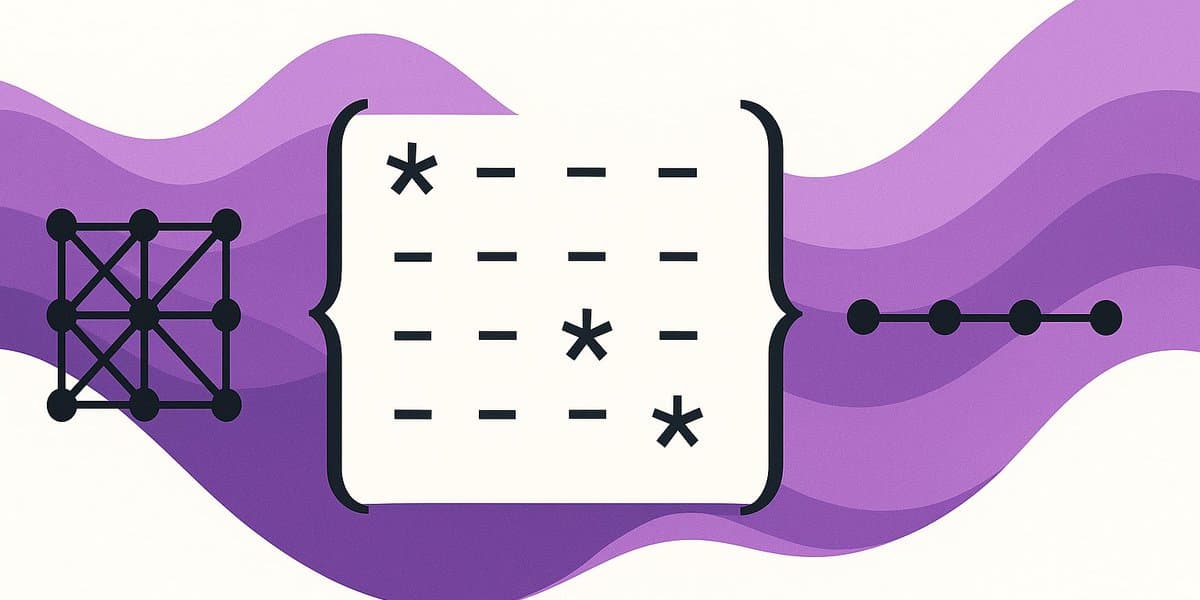
Stoquastic Hamiltonians avoid the sign problem in Monte Carlo simulations, so they are often viewed as the easy corner of many-body physics. We show that this intuition fails. https://t.co/zo2Si0xw35 Even under strict physical structure, estimating the ground-state...
By Jens Eisert
Social•Feb 5, 2026
Quantum Computing Enters Practical Era with New Breakthroughs
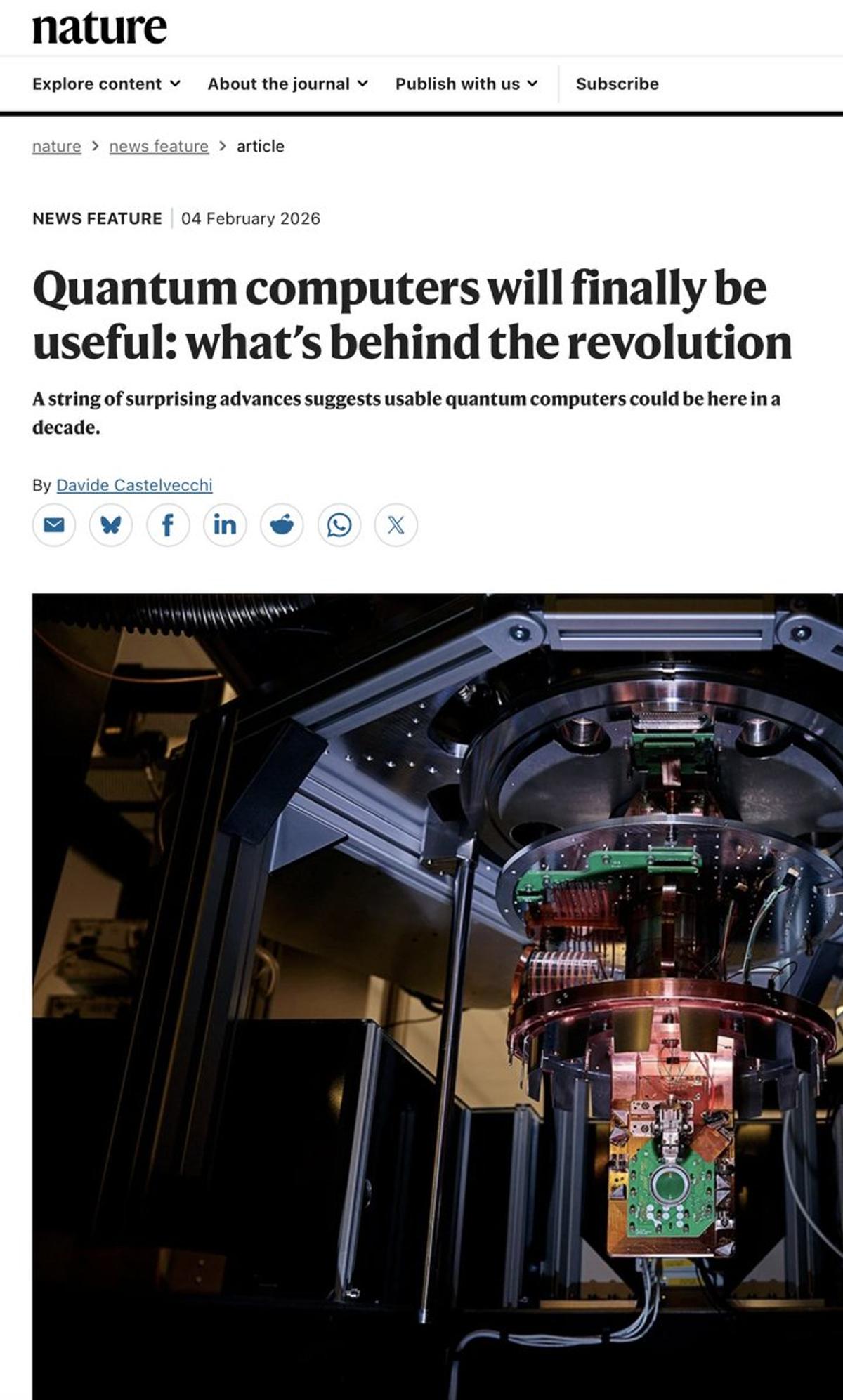
Quantum computers will finally be useful: What's behind the revolution. https://t.co/jfR0QVkWxU An interesting read and good article in @Nature by @dcastelvecchi. https://t.co/iQZYLMQK3Z
By Jens Eisert
Social•Jan 30, 2026
Quantum Software Alliance Highlights Software’s Role in Computing
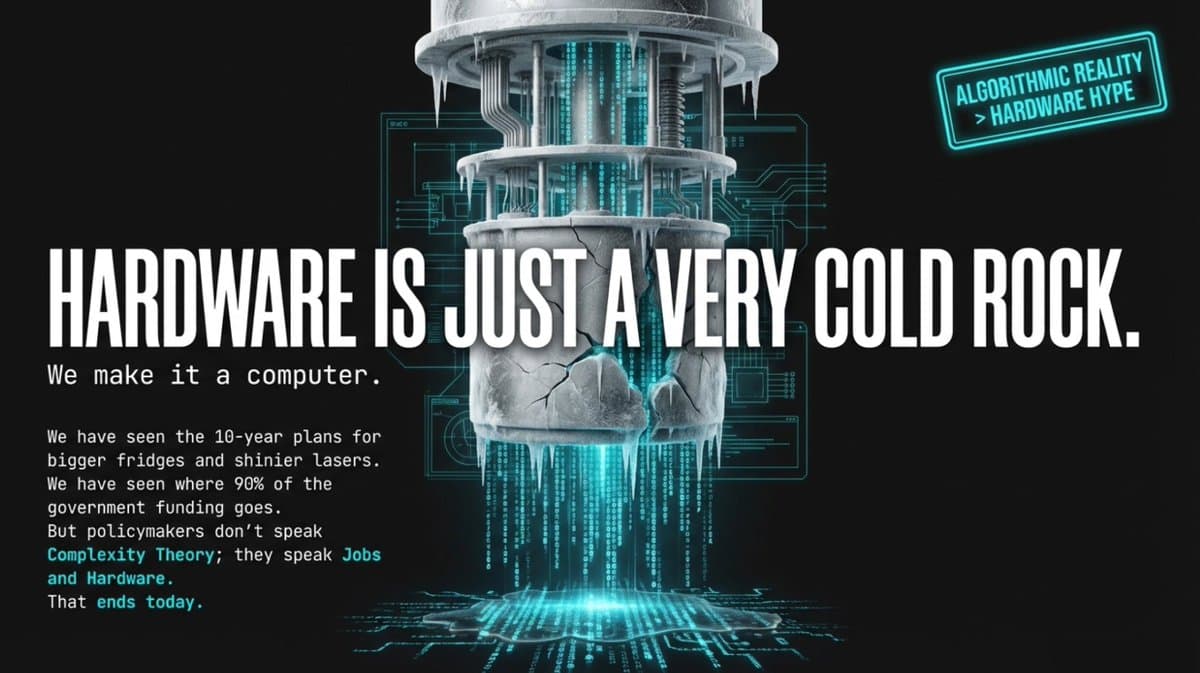
At the rump session of #QIP2026, @ElhamKashefi announced the #QuantumSoftwareAlliance, stressing the importance of research and development of quantum algorithms and software, concomitant with quantum hardware development. A quantum computer needs both hardware and software. This is just a cute...
By Jens Eisert
Social•Jan 27, 2026
Efficient Quantum Operations Reshape Entanglement Theory
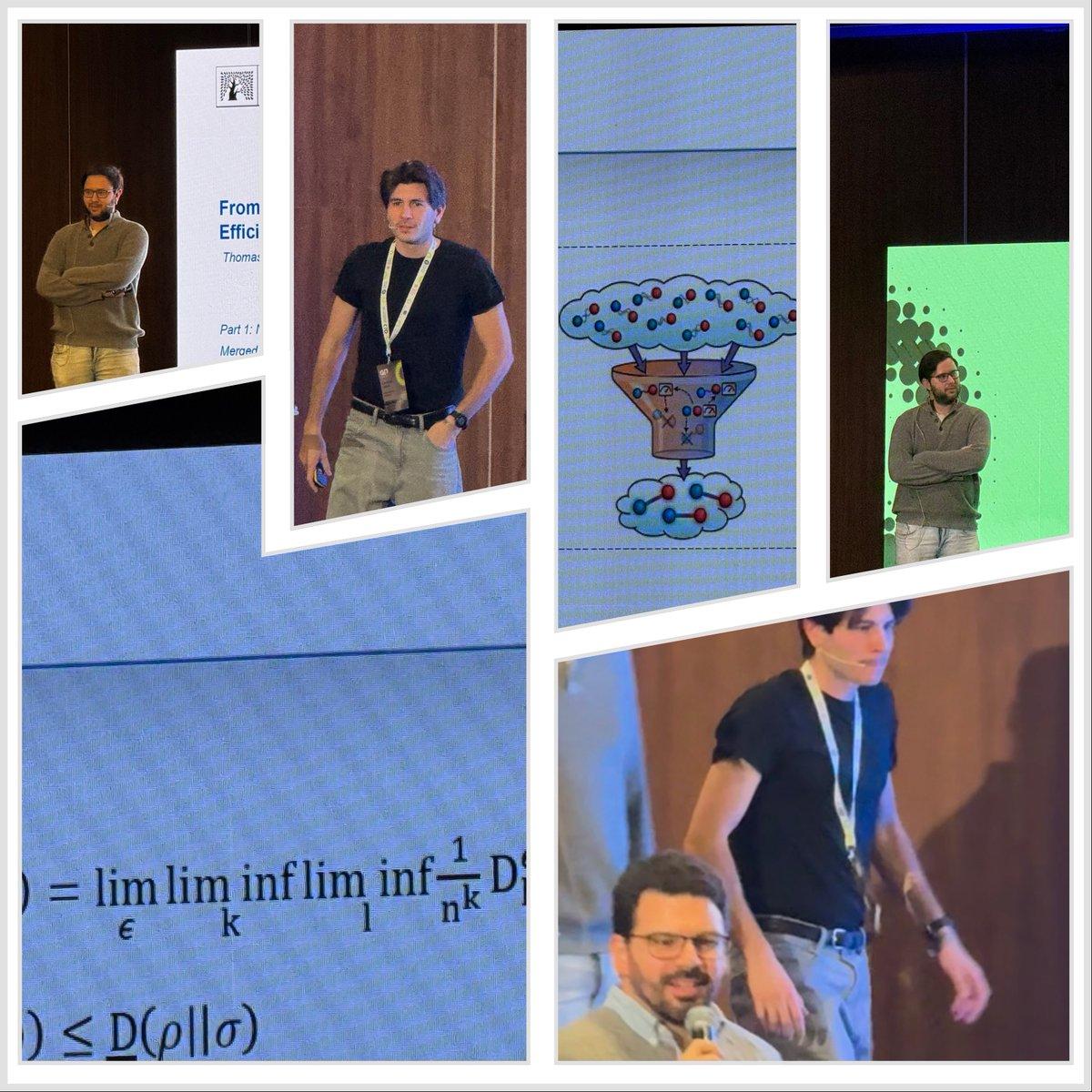
A wonderful and highly compressed medley on the consequences for quantum information theory when one is limited to computationally efficient steps at #QIP2026, impressively delivered by Lorenzo Leone and Thomas Hahn. If somebody had told me years ago that quantum...
By Jens Eisert

Social•Jan 26, 2026
Lorenzo Leone Clarifies Clifford Commutant Research at QIP2026
At #QIP2026, Lorenzo Leone gives a wonderfully clear talk about out work on the Clifford commutant. https://t.co/GAmLOJFMsQ https://t.co/WaBmbW2G63
By Jens Eisert
Social•Jan 26, 2026
Quantum Combs Extended to Continuous‑time Field Limit
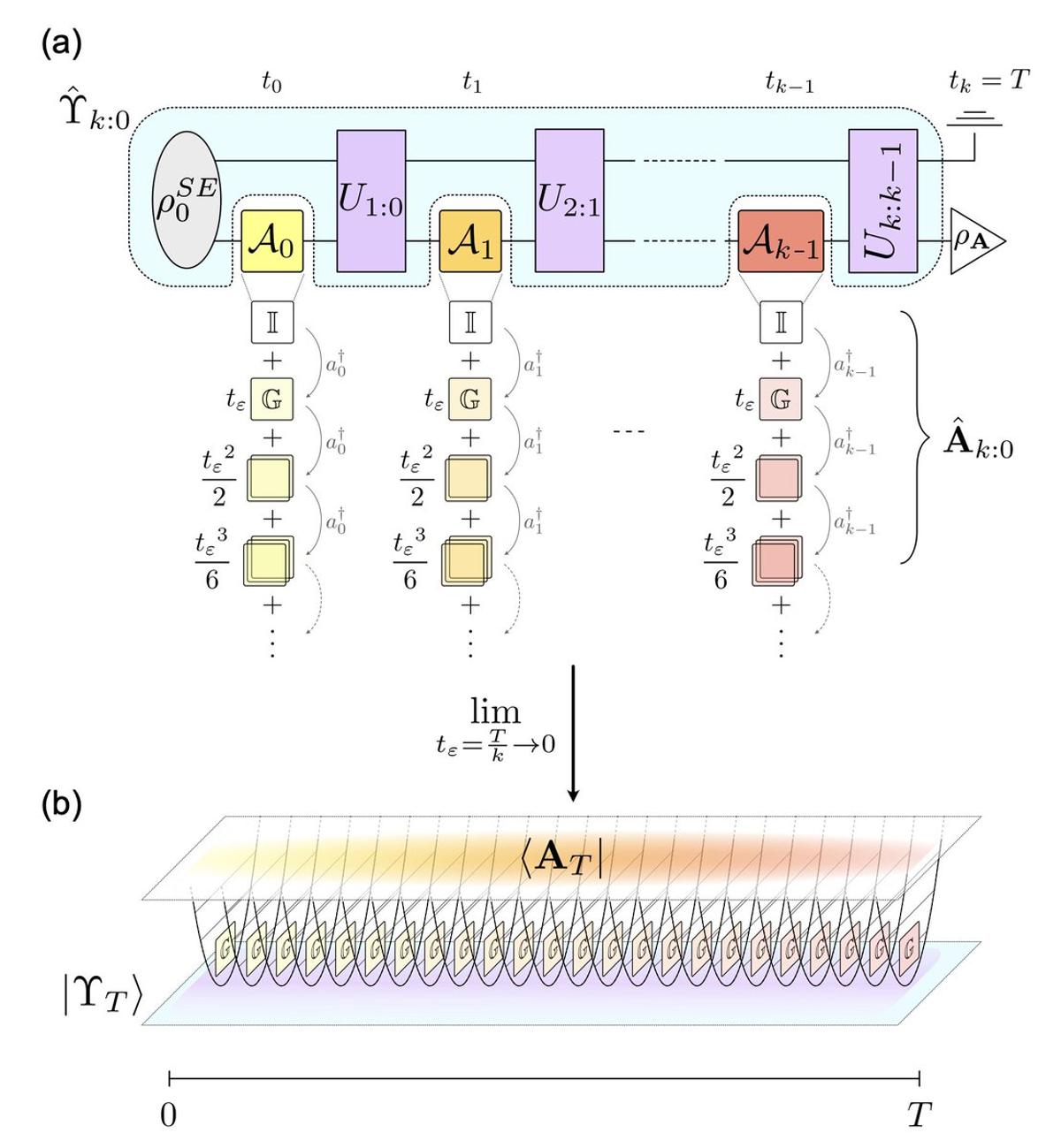
Formalising an operational continuum limit of quantum combs Quantum combs or quantum process tensors naturally capture multitime processes in quantum mechanics. We bring such combs to the continuum limit, capturing quantum fields. https://t.co/Kof534d3He Concretely, quantum #combs are powerful conceptual tools for capturing multi-time...
By Jens Eisert
Social•Jan 23, 2026
Efficient Decoding Redefines Quantum Channel Capacities, Reveals Separation
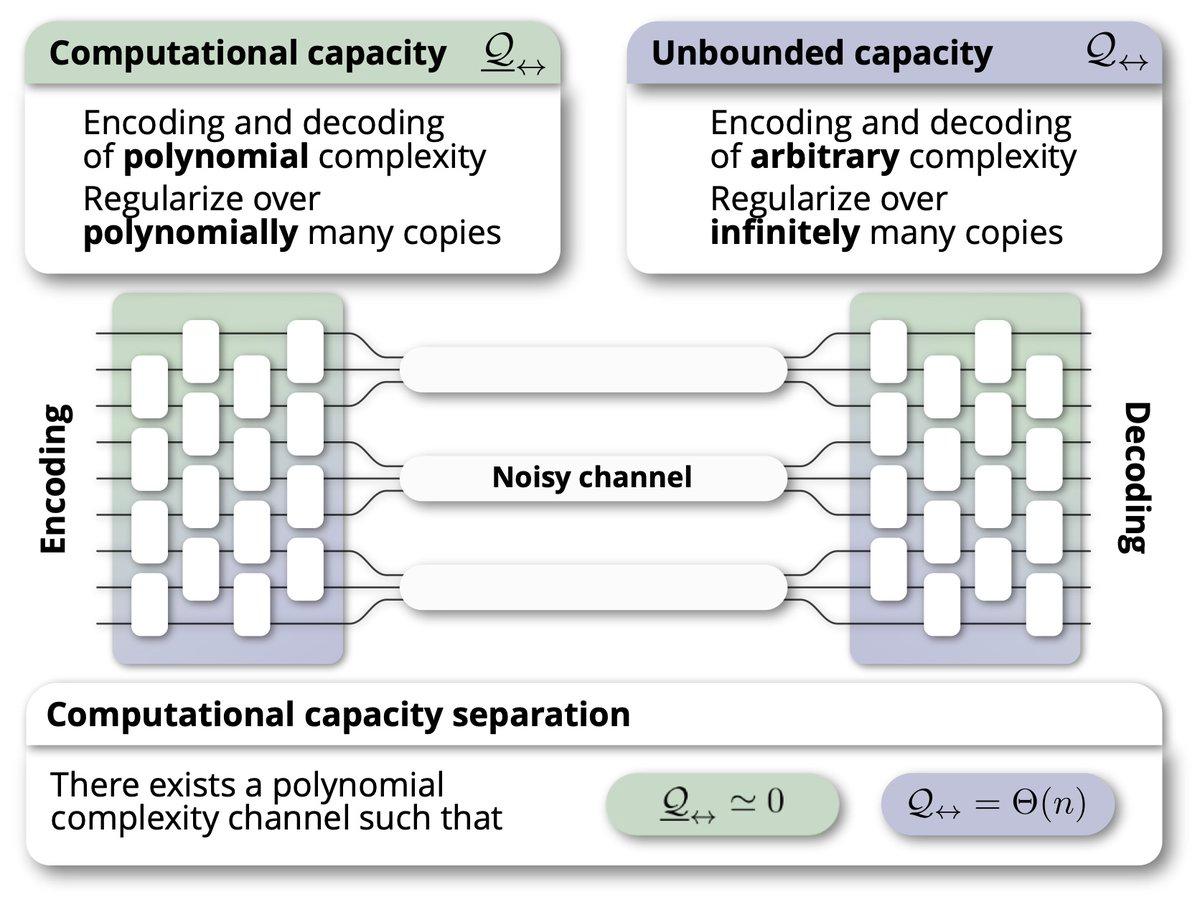
This is a paper I very much like, for its foundational and somewhat "rebellious" character: We show that notions channel capacities are strongly altered if one simply assumes that all operations one can implement are efficient. https://t.co/WAe4Et1SDy To the point, #quantumchannelcapacities are...
By Jens Eisert
Social•Jan 20, 2026
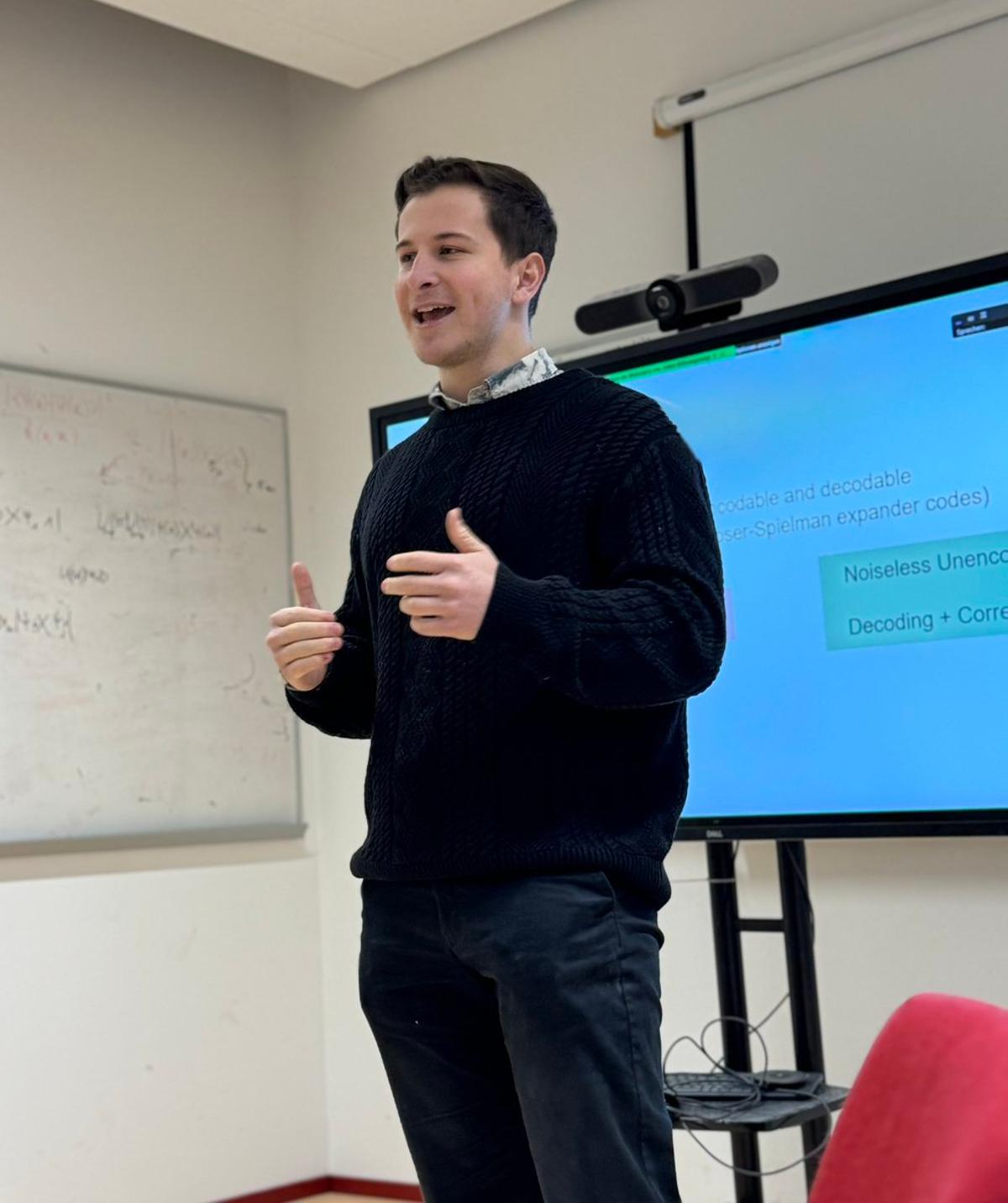
Adam Wills Joins to Explore Quantum Error Correction
What a pleasure to have @adam_wills1 visiting us for this week to discuss notions of #quantumerrorcorrection. https://t.co/07pCKcT4pv
By Jens Eisert
Social•Jan 20, 2026
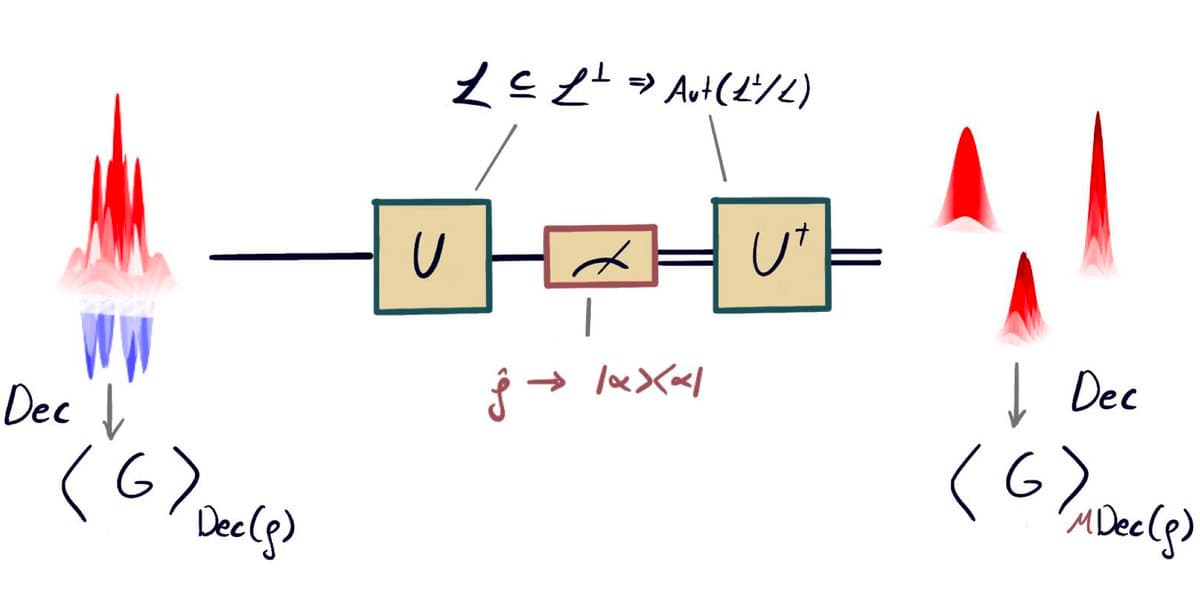
Shadow Tomography of GKP Logical Subsystems via Twirled Measurements
Chasing shadows with Gottesman-Kitaev-Preskill codes https://t.co/n2Ez7A6Ehz We explore a research question at the intersection of #quantumerrorcorrection and #quantumlearningtheory. Concretely, we consider the task of performing shadow tomography of a logical subsystem defined via the Gottesman-Kitaev-Preskill (#GKP) error correcting code. Our protocol does...
By Jens Eisert

Social•Jan 17, 2026
Deep Dialogue on Quantum Futures and Science Outreach
It has been a great pleasure—and both fun and insightful—to speak with Thomas Ramge about the future of quantum technologies, broader aspects of science and technology, and what makes science so exciting in the first place. I especially appreciate the...
By Jens Eisert