
Recent Posts
Social•Feb 19, 2026
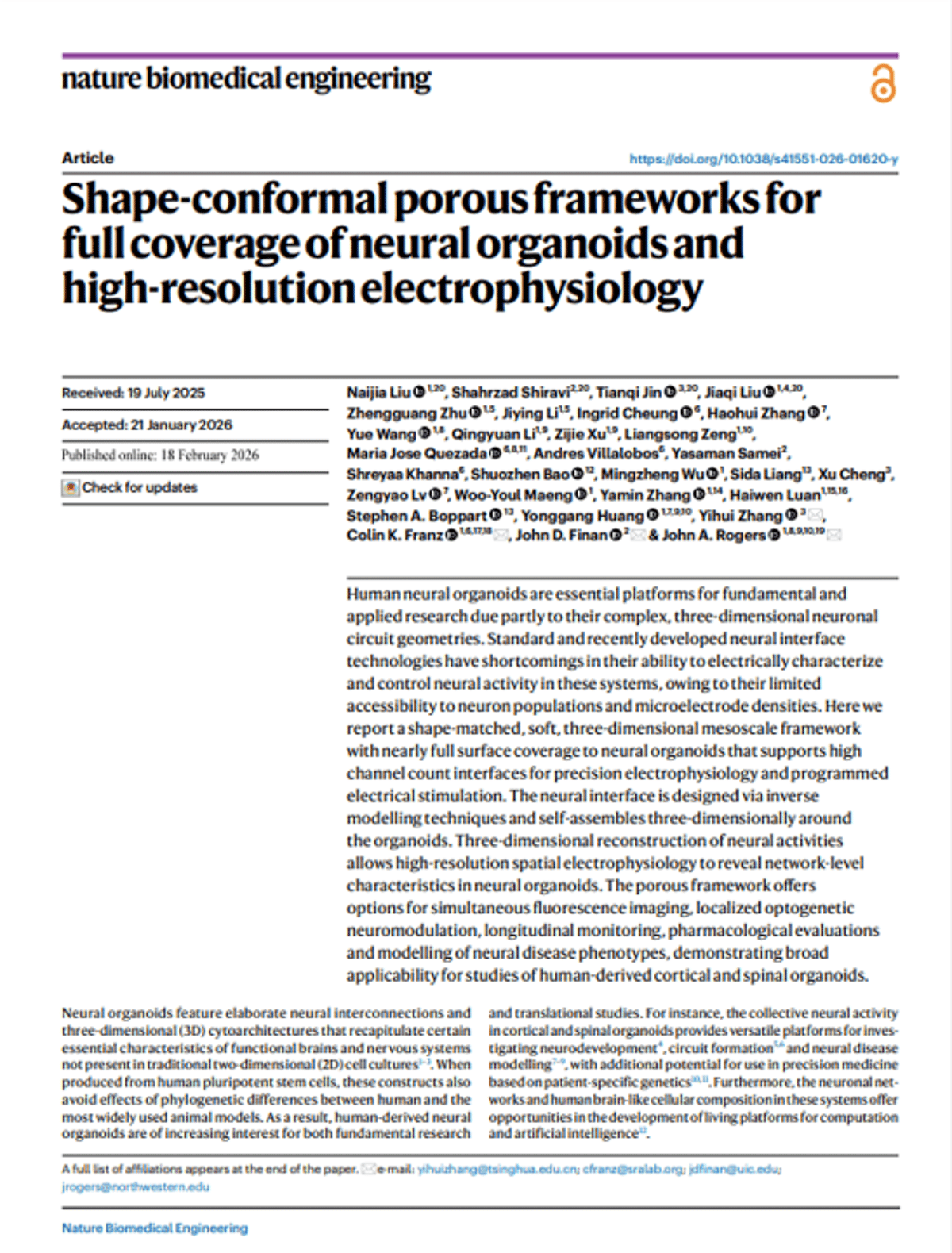
Shape‑conformal 3D Frameworks Enable Full‑surface Neural Organoid Electrophysiology
If you’re interested in organoid biology and/or 3D bioelectronics, then check out our paper published today in Nature Biomedical Engineering, titled ‘Shape-conformal porous frameworks for full coverage of neural organoids and high-resolution electrophysiology,’ at https://t.co/Y7MzvRQKTm. This work introduces a technology that enables advanced electrophysiological characterization and modulation of neural activities through shape-matched, soft, 3D mesoscale frameworks with nearly full surface coverage to neural spheroids with millimeter and sub-millimeter diameters. The result provides, for the first time, high channel count interfaces for precision electrophysiology and programmed electrical stimulation in these and related small-scale tissue constructs. Hundreds of individually addressable microelectrodes enable single unit neuronal recording of network-level activity across the entire surfaces of organoids, as well as direct 3D reconstruction of neural activities for spatial electrophysiology, as demonstrated for both human cortical and spinal organoids. The engineering science that underpins these unique features spans across a combination of strategies in deterministic 3D assembly, material architectures through computational inverse modelling, and confined growth techniques. These features, together with capabilities in programmed electrical stimulation, simultaneous fluorescence imaging, and longitudinal recording, are of particular value for broad organoid research, as demonstrated here for pharmacological studies, localized optogenetic stimulation, neural circuit manipulation, and modelling of neural disease phenotypes. Big thanks to Dr. @naijia_liu99833 (a postdoc in our group here at @NorthwesternU) for his essential leadership across all aspects of this project, with important collaborations involving mechanical engineers in the groups of Prof. Yihui Zhang (former joint postdoc with Prof. Yonggang Huang, now on the faculty at @Tsinghua_Uni ), Prof. John D. Finan (at @thisisUIC) and Prof. Yonggang Huang, along with neuroscientists and clinicians in the group of Prof. @colin_franz (at @AbilityLab)! Thanks also to @amanda_mo for a nice write-up on our work for Northwestern News, at https://t.co/v0G8V04byZ.
By John A. Rogers
Social•Feb 12, 2026
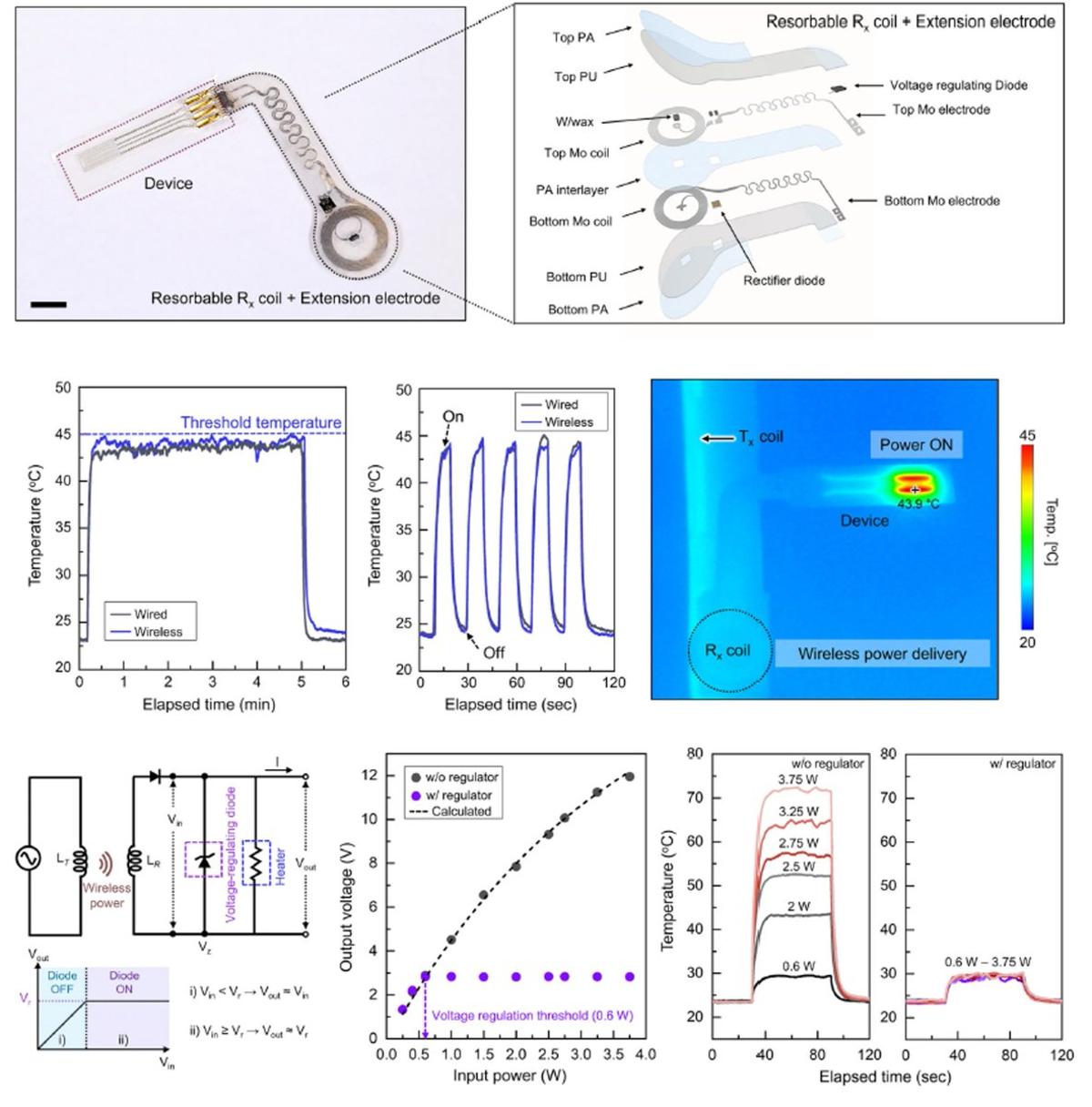
Bioresorbable Implant Uses Heat to Block Pain
Our latest paper appeared today as a cover (inside front) feature article in Advanced Functional Materials, titled “A Bioresorbable Neural Interface for On-Demand Thermal Pain Block.” The focus is on a bioresorbable, implantable form of neural electronics that supports precisely...
By John A. Rogers
Social•Feb 4, 2026
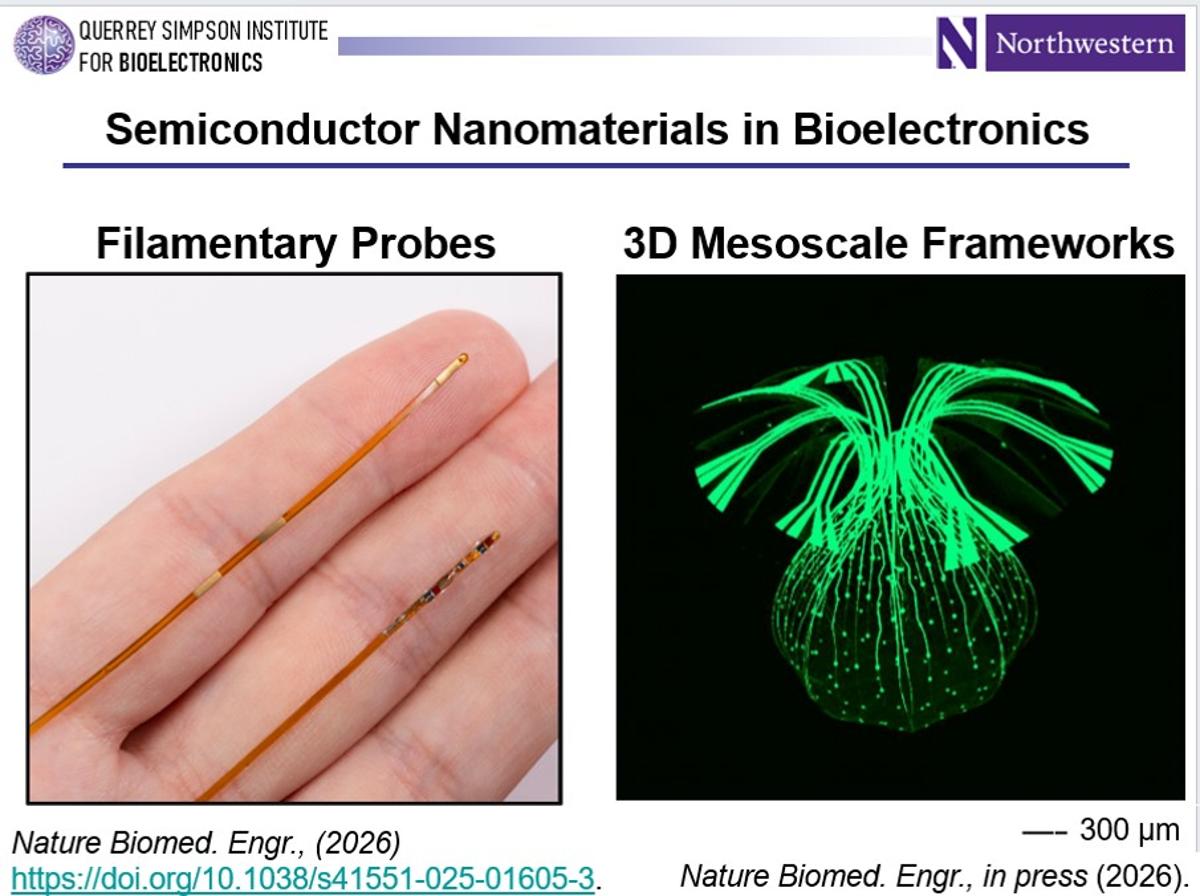
Editor Shares Insights at Nanotech Conference Plenary
Wrapping up two days at the 10th biennial International Conference on Nanoscience and Nanotechnology here in Sydney, Australia. Highly engaging event, where my participation involved serving on a panel discussion with other journal editors and delivering a plenary presentation on our...
By John A. Rogers