Psychological Safety Saves Lives: Lessons From Mine Rescue
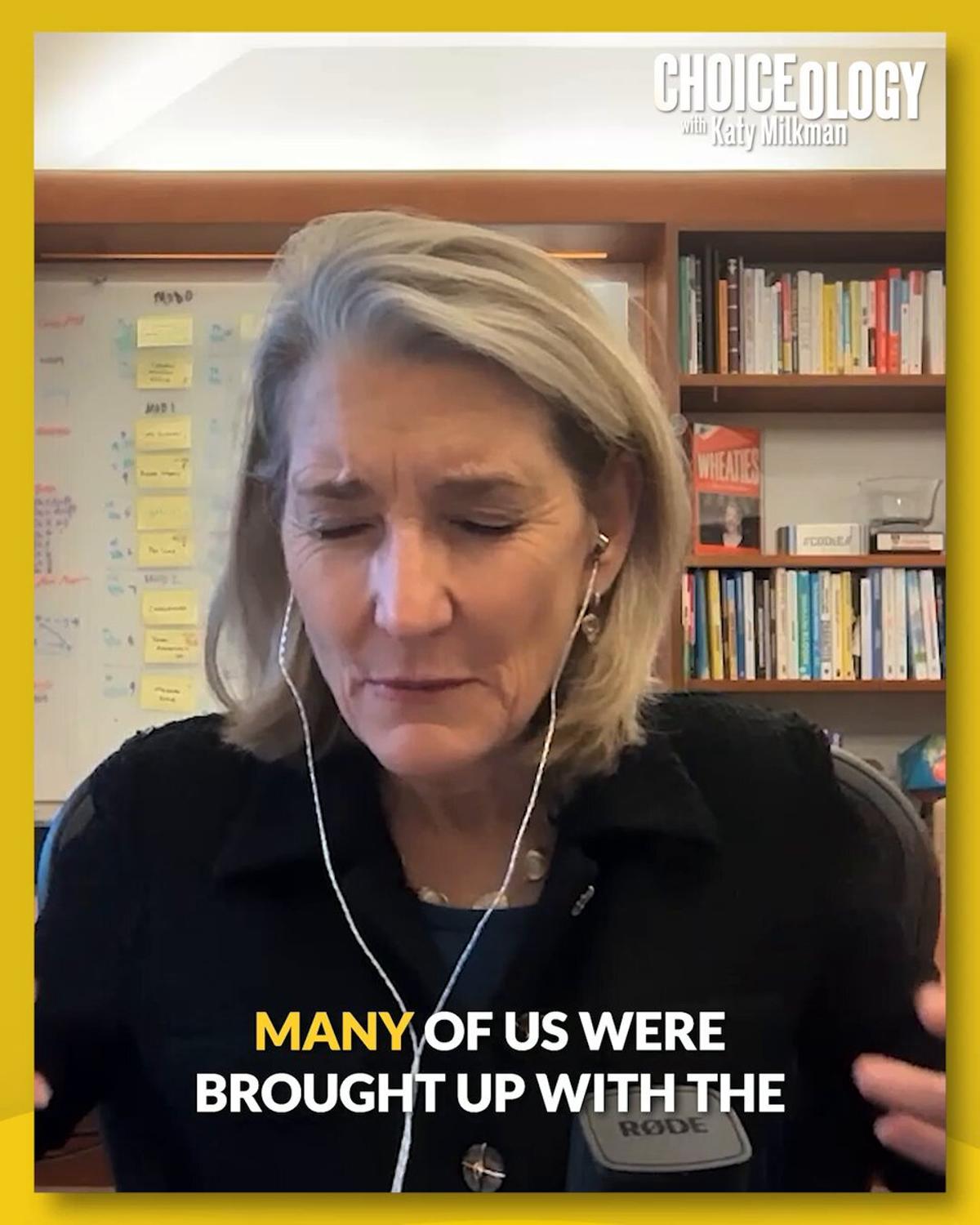
Prof. @AmyCEdmondson of @HarvardHBS has spent her career studying why people don't speak up at work and what it costs us when they stay quiet. Her groundbreaking research on "psychological safety" explains what it takes to elicit candor. And it's the focus of our latest #Choiceology episode, which features an extraordinary story that puts the stakes in sharp relief: the 2010 San Jose mine collapse, and the rescue mission that saved 33 lives. Amy is one of my academic heroes, and I think you'll find her insights as illuminating as I did. 🎧 Listen here: https://t.co/nYbyOmWKVD
Personal Economic Turmoil Shapes Our Risk Appetite
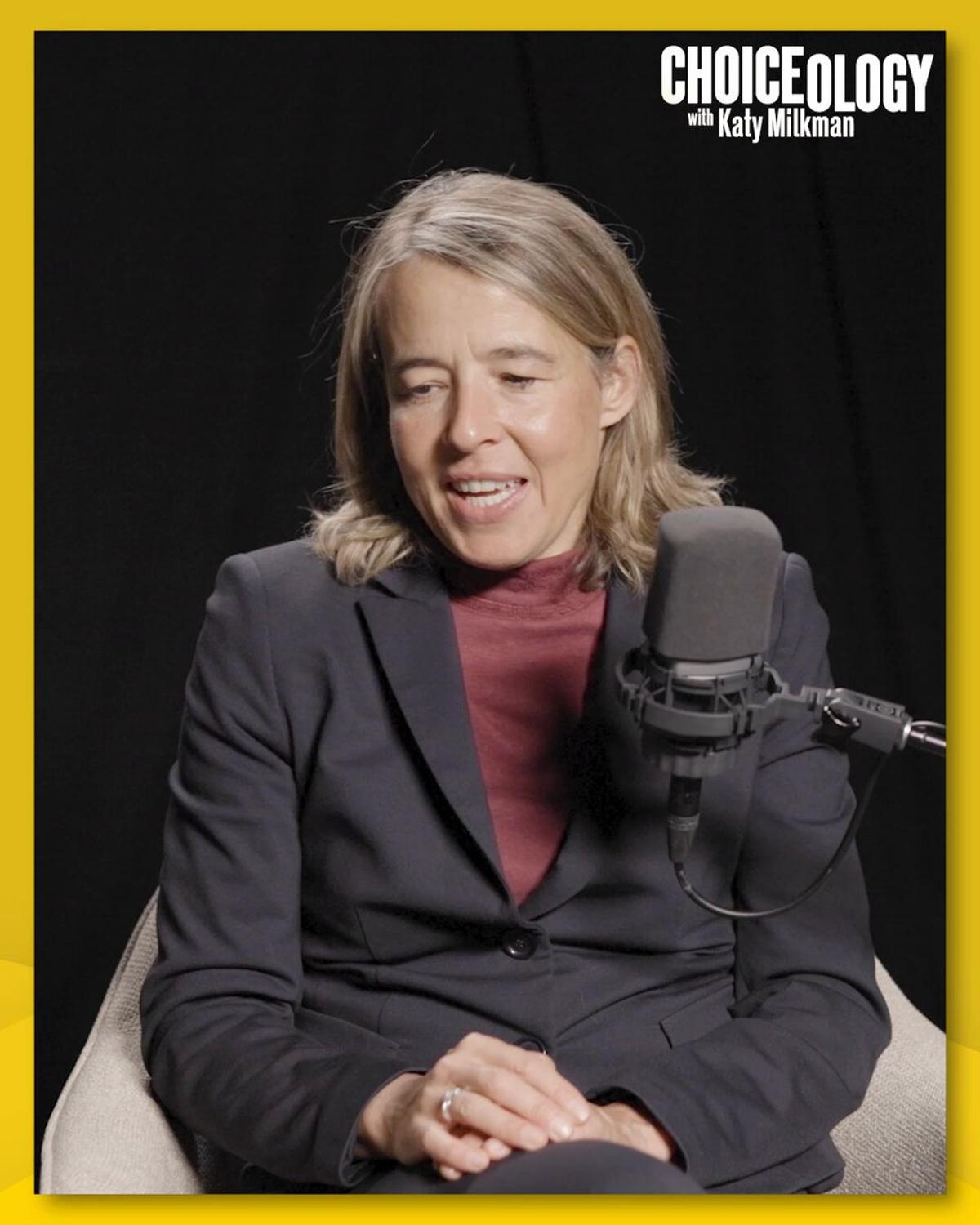
What is "the experience effect"? Prof. @umalmend of University of California, Berkeley has shown that the economic conditions we experience (say, a stock market crash or period of hyperinflation) leave a lasting impact on our appetite for risk. Rather...
Prioritizing Time Over Money Increases Happiness, Research Shows
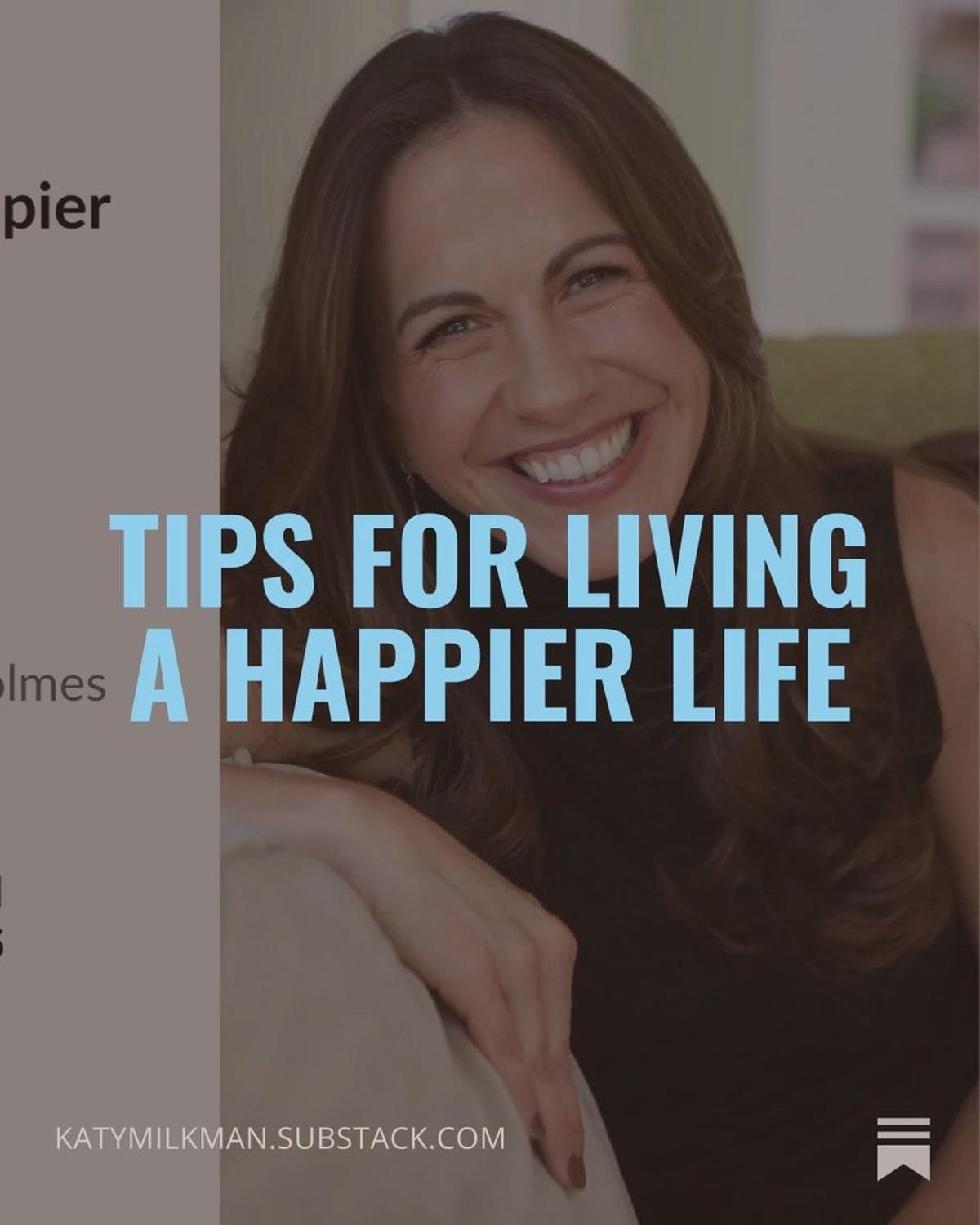
Learn what research says about why a focus on time over money can boost your happiness: https://t.co/SjjrACUqvF https://t.co/33xGxHVBZD
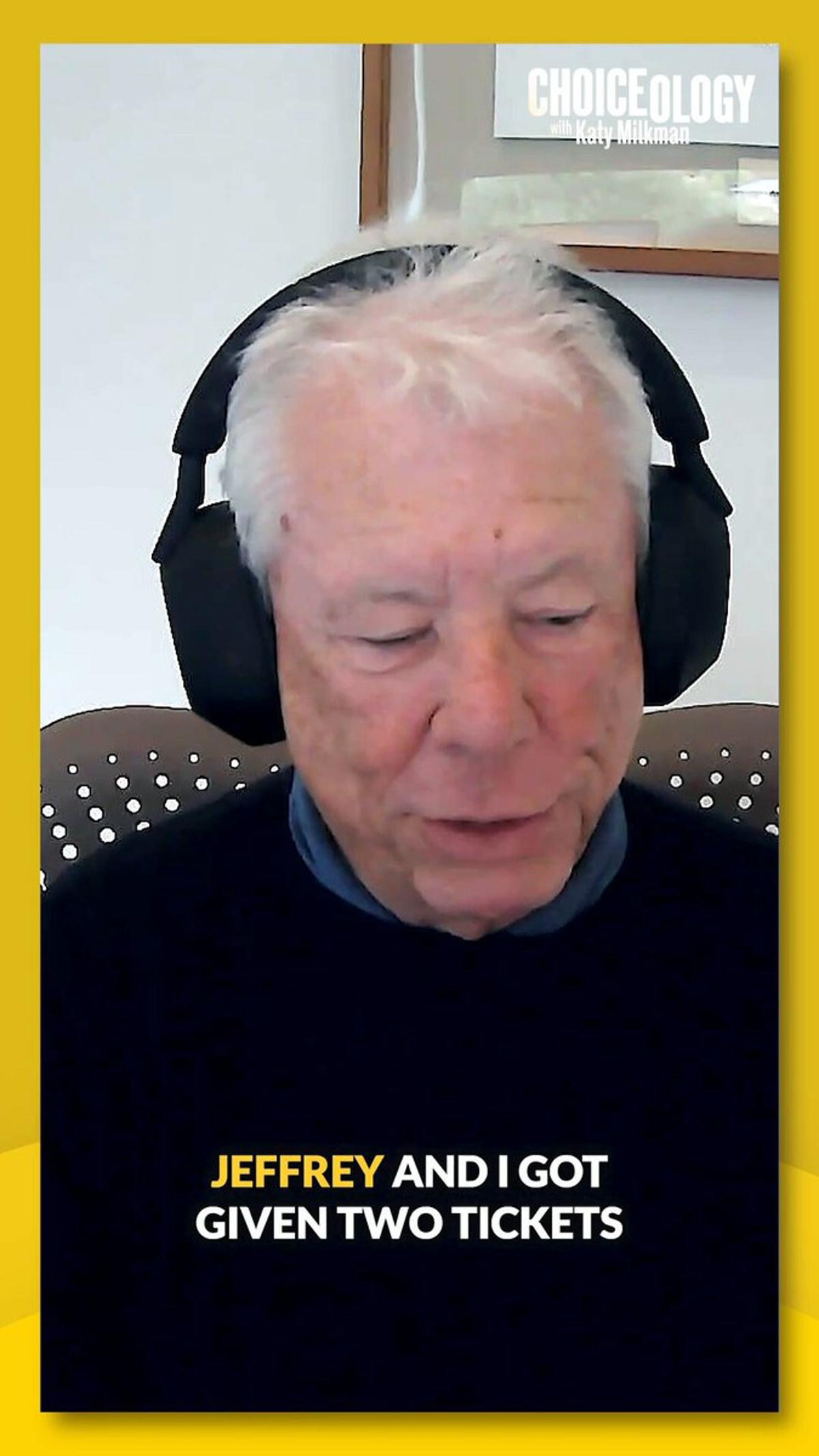
Sunk Cost Fallacy Undermines Wise Decisions, Thaler Explains
What is the sunk cost fallacy, and how might it muck with your ability to make wise choices? I talked with the great @R_Thaler about this bias and how it's covered in his terrific new book THE WINNER'S CURSE (co-authored...

Use Duke Professor’s Checklist to Make Better Decisions
How can you improve your decisions? In this Q&A with Duke Prof. Jack Soll, you’ll find a checklist you can use to boost the quality of important choices. https://t.co/K4AXjqBbgN https://t.co/XHtFvj8gL4

Algorithm vs Human Advice: Which Do We Trust?
Which advice would you trust more: advice from an algorithm or advice from another person? To launch a brand new season of the #Choiceology podcast, I interviewed @Georgetown Prof. Jenn Logg about her research on algorithm appreciation. Have a listen: https://t.co/rmN4fsiC23...