Cattle Market Update: 800-Pound Steers Hit $4.00 Per Pound | Cattle Market Update
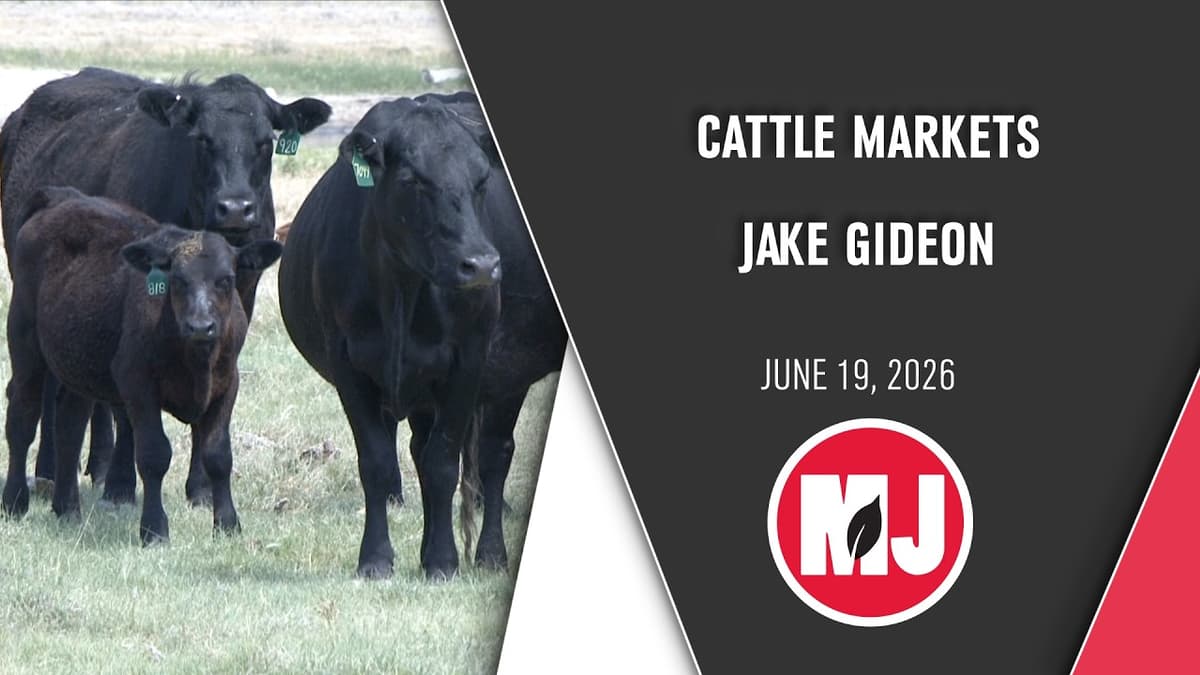
The video from the Ranch Expo features Jake Gideon, co‑owner of Burwell Livestock Market, discussing current cattle market conditions. He notes that the market has been unusually active this summer as producers respond to drought‑driven feed shortages. Prices remain strong across categories. 800‑pound steers fetched $4.00 per pound, one of the highest recent rates. Fall calves are hitting premium levels, and younger cows sold for $5,100 per head, with mid‑$4,000s common for other cows. The drought has forced many producers to sell more cattle earlier than planned, boosting volume at the market. Gideon emphasizes the value of “true price discovery” at a livestock market, contrasting it with private offers that may undervalue animals. He mentions a recent inch‑70 rain event and the trend of northern producers grazing meadowland to reduce costly hay purchases. The tight supply and elevated prices signal continued profitability for cattle producers but also raise feed‑cost pressures for downstream processors. Market participants will watch for further price moves, though Gideon expects only modest upside.
Over the Top Dicamba Application Restrictions | May 01, 2026
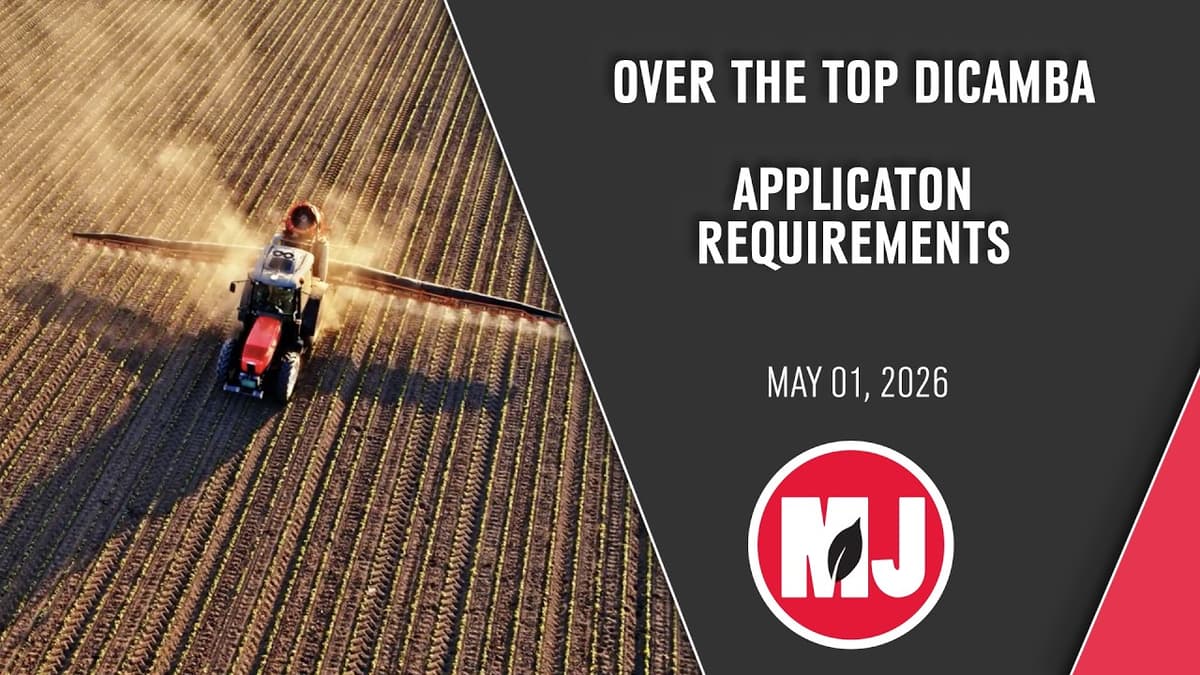
The Nebraska soybean sector is gearing up for the 2026 growing season with the re‑approval of over‑the‑top dicamba products for dicamba‑tolerant soybeans. The EPA has granted a two‑year pilot registration, allowing growers to apply the herbicide again after a hiatus. The...
Turning Row Crops Into Forage | April 24, 2026
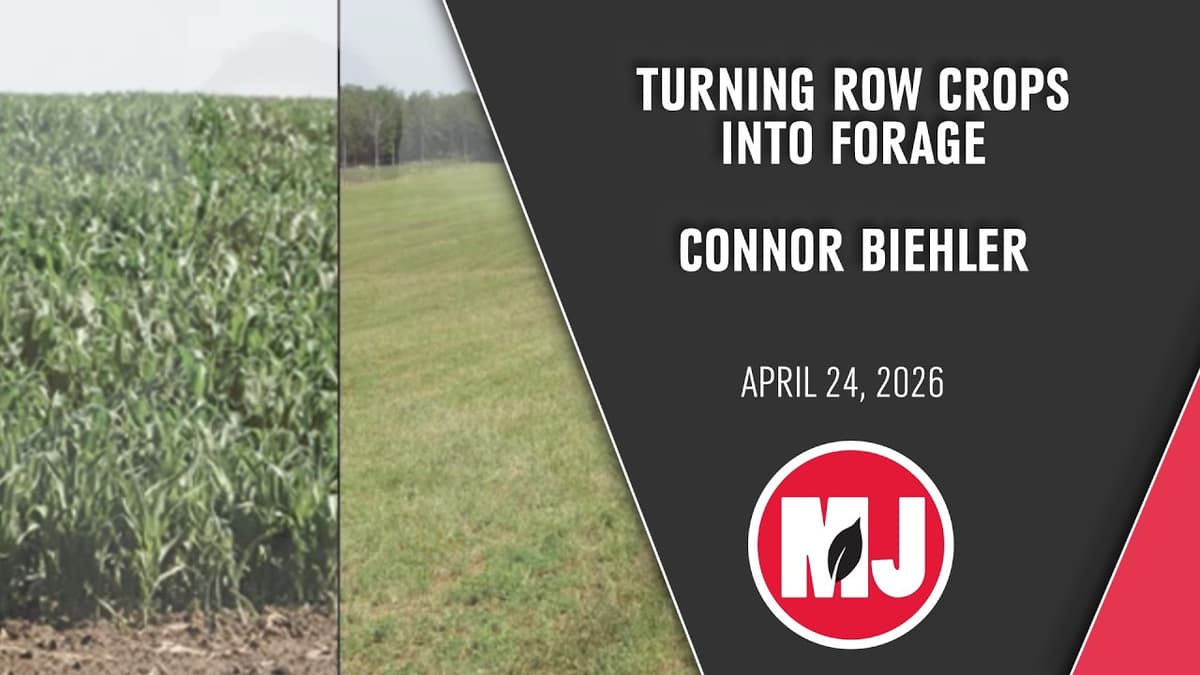
The video addresses how soaring cattle prices and constrained inventories are squeezing margins for producers who manage both crops and livestock. It proposes converting traditional row‑crop acres to summer annual forages as a risk‑management tool, especially as input costs—particularly nitrogen—remain...
Soybean Seed Treatment | Jenny Brhel | April 24, 2026
Nebraska Extension and local producers released new on‑farm research evaluating soybean seed‑treatment economics as input costs rise and margins tighten. Across 11 site‑years (2023‑2025) the studies found growers could save $13.5‑$28 per acre by reducing or eliminating seed treatments. Insecticide treatments...
How Can Sorghum Impact Your Operation | Steve White | April 17, 2026
The video spotlights Nebraska growers weighing sorghum as a drought‑resilient alternative to corn and soybeans for the 2026 season. Farmers cite sorghum’s low seed cost—$8‑$16 per acre—and minimal fertilizer demand as a hedge against soaring input prices. Its superior water‑use efficiency...

NASA and Agriculture | April 03, 2026
The video spotlights NASA’s expanding partnership with the agricultural sector, revisiting a conversation from the Commodity Classic event. Director Karen explains that NASA’s Earth science division has been supplying data to farmers for six decades, but the past five years...