
True Longevity Requires Nature, Not Quick‑Fix Vibes
Don't confuse vibes for progress. Nothing you can buy today will get you >1 year of life. We need to engage Mother Nature in a game wits to discover true longevity treatments.
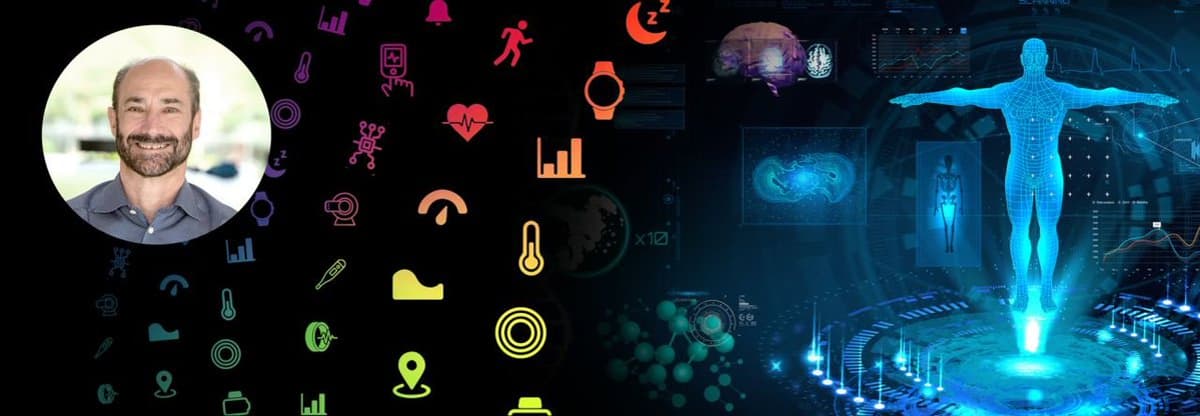
Wearables Could Power AI-Driven Aging Research
Wearables are now abundant enough to generate population-level health data outside of clinical trials. So when will all this data produce progress? When we address the gaps between wearable data and what we need to understand disease. They measure physiology continuously, but...
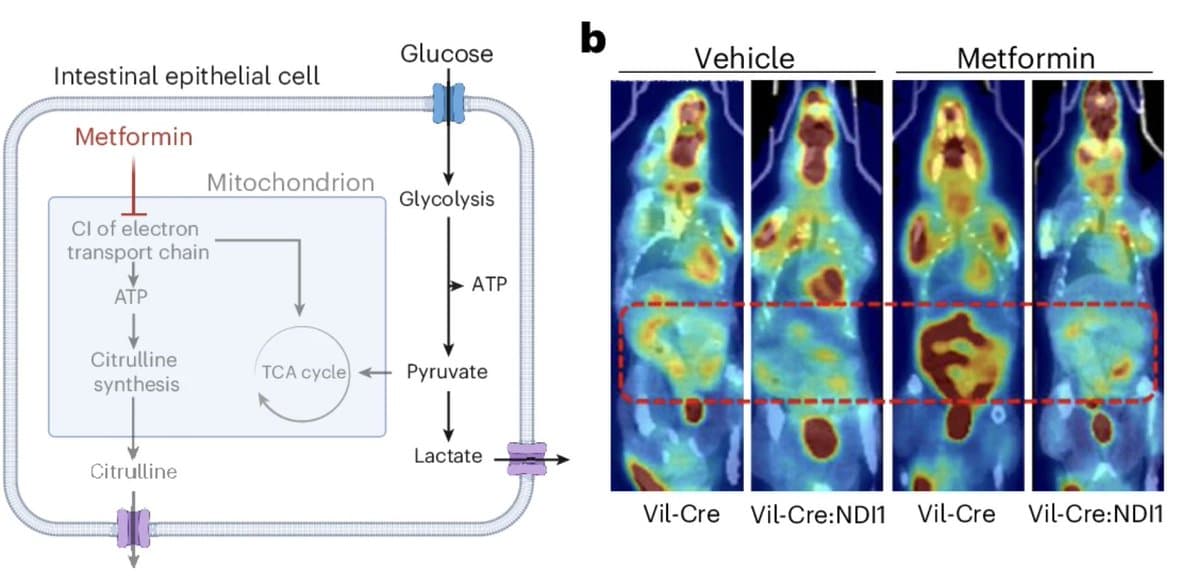
Metformin May Lower Glucose via Gut, Not Liver
New paper on a proposed mechanism for how metformin lowers glucose, in Nature Metabolism. For such a widely used drug, the picture has been surprisingly murky. We've thought metformin works in the liver by enhancing glucose metabolism/utilization. But biodistribution and new...
Science Journalism's Optimism Skews Longevity Coverage
Appreciate the gift link from Eric. Disagree on conclusion though - if you accept that science journalism is always optimistic, this was solid coverage of longevity by @susandominus. Should have mentioned @newlimit though, and named Cynthia Kenyon.
Quick Turnaround: Good Longevity Trial News Arrives
I post about working around longevity clinical trials and an hour later @j_n_justice tells me good news about longevity clinical trials... 😍
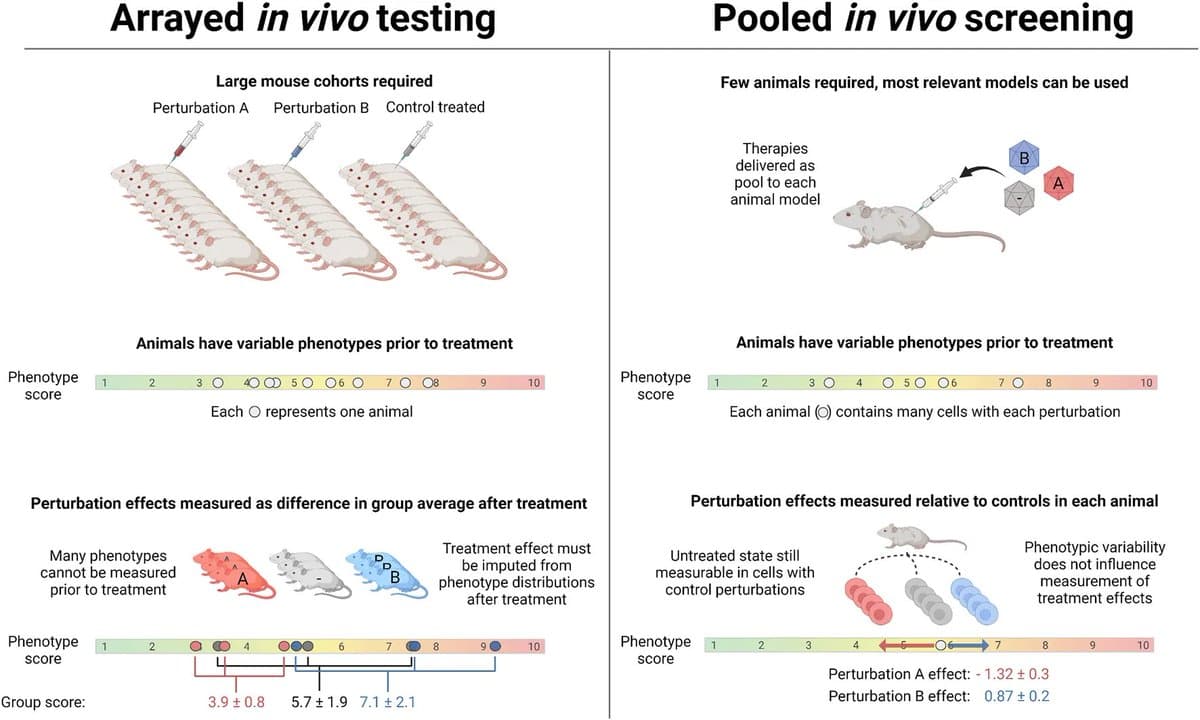
New Method Dramatically Cuts Inter‑animal Variability
"Second, and relatedly, this method dramatically attenuates inter-animal variability." Good time to resurface an old figure: https://t.co/VgRlZrurPE
Scaling Cheap In‑Vivo Causal Testing for Age‑Related Diseases
AI has made hypothesis generation in bio cheap. Anyone can get an answer to ‘could this play a role in my disease’, but how do we go from ‘could’ to ‘does’? The scarce resource now is causal evidence to test hypotheses...

Scalable Hypothesis‑testing Datasets Will Drive Biology’s AI ROI
Which AI-enabling datasets will bring the biggest ROI in biology? One type will be "ways to confirm hypotheses at scale". @GordianBio is building atlases of how every expressed gene target affects organs suffering diseases of aging.
Choose the Right Design, Not One‑Size Truth
n=1 is can work for cancer and infectious disease, but often you need a clinical trial. We need to always be asking what the best tool is to get to truth. Don't assume that one experimental design is always correct. And don't...

Analyzing Causal Datasets to Uncover Disease and Aging Mechanisms
Now lets do this for the datasets that contain causal information on how diseases and aging work

AI-Driven Biology Faces Jagged Data Frontier; Initiative Leads
AI accelerating bio is going to be a jagged frontier driven by availability of relevant data. This is a fantastic initiative to get ahead of that. (see also what OAIF @JacobTref is doing).