
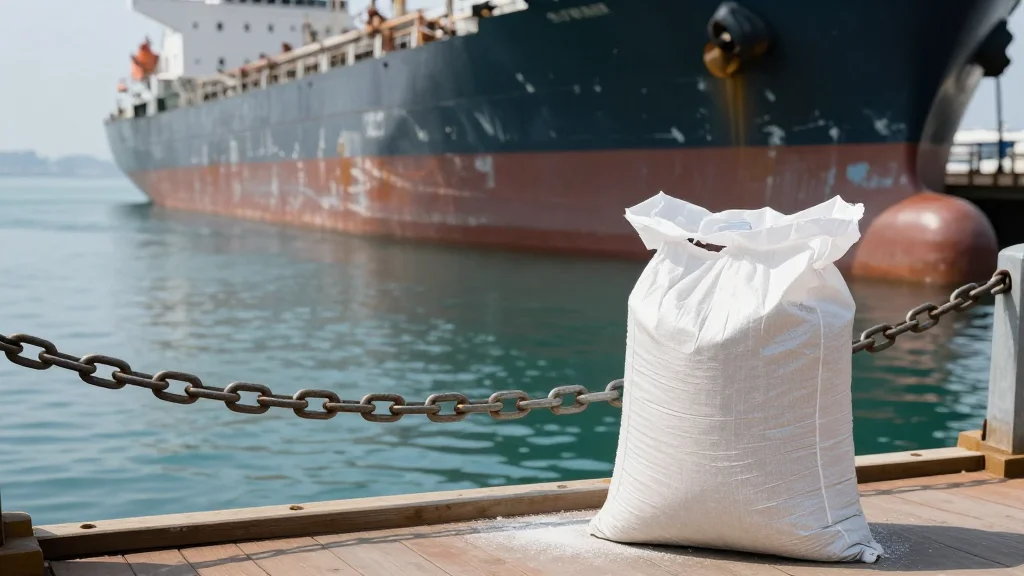
Hormuz Closure Triggers Global Trade Shifts and Fertilizer Push
The Strait of Hormuz has been closed for 65 days. At around 90 days, the shock turns global. Structural adjustments are on the way: trade routes are shifting, stockpiling is rising, and nations are boosting efforts to produce fertilizer domestically. https://t.co/KkArFKmCXC
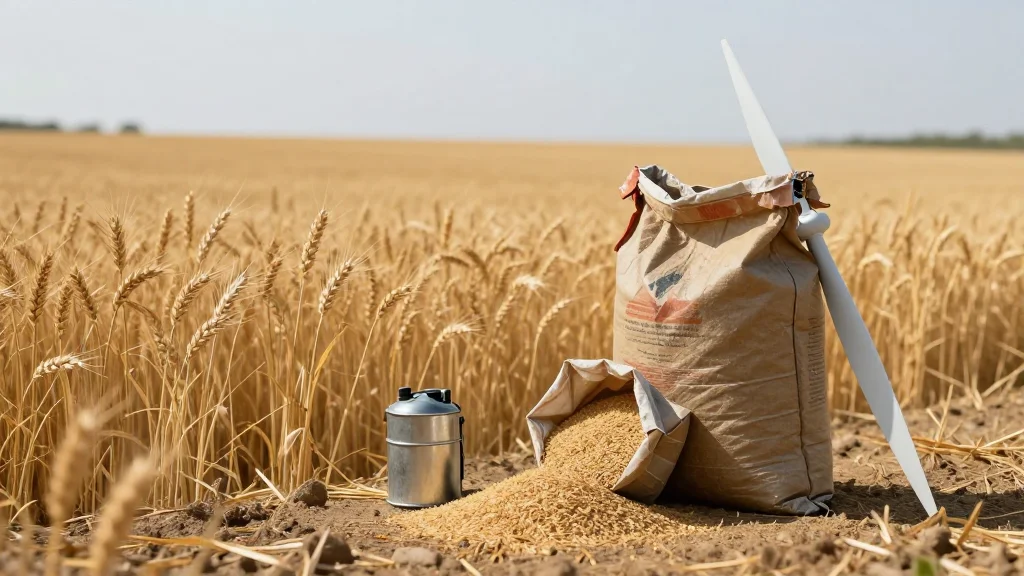
Cascading Agrifood Shocks Demand Predictive Modeling for Resilience
Agrifood crises aren’t linear. Risks cascade over time. Example: @FAO's Hormuz analysis shows how energy shocks ripple through fertilizer, productivity and food security. Modeling can predict crises and identify policy combinations that boost resilience. https://t.co/xeHzPqdSuB
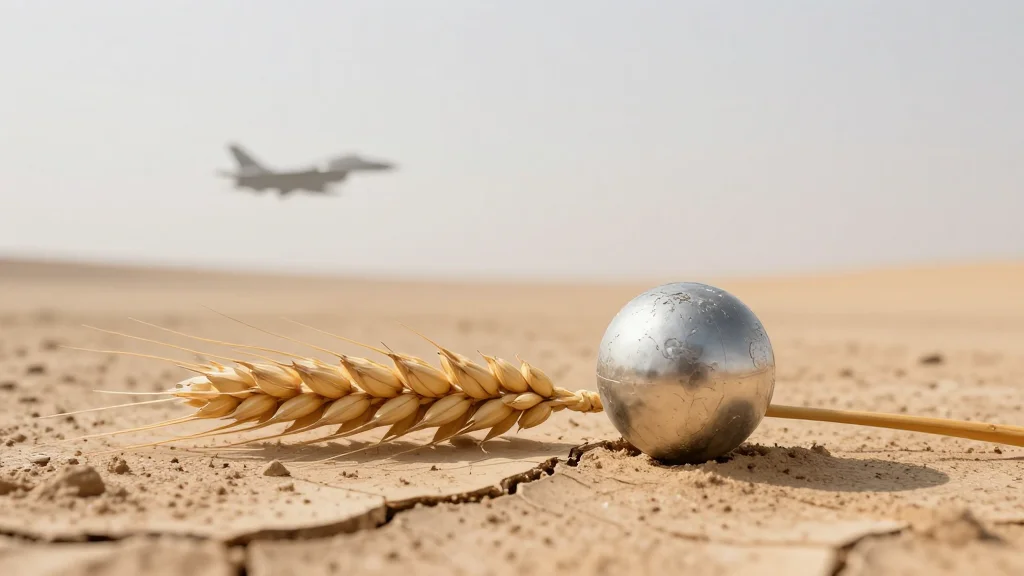
Middle East Conflict Sparks Looming Global Food Crisis
My latest on how the conflict in the Middle East is threatening a global food crisis https://t.co/J5zkfEobhr
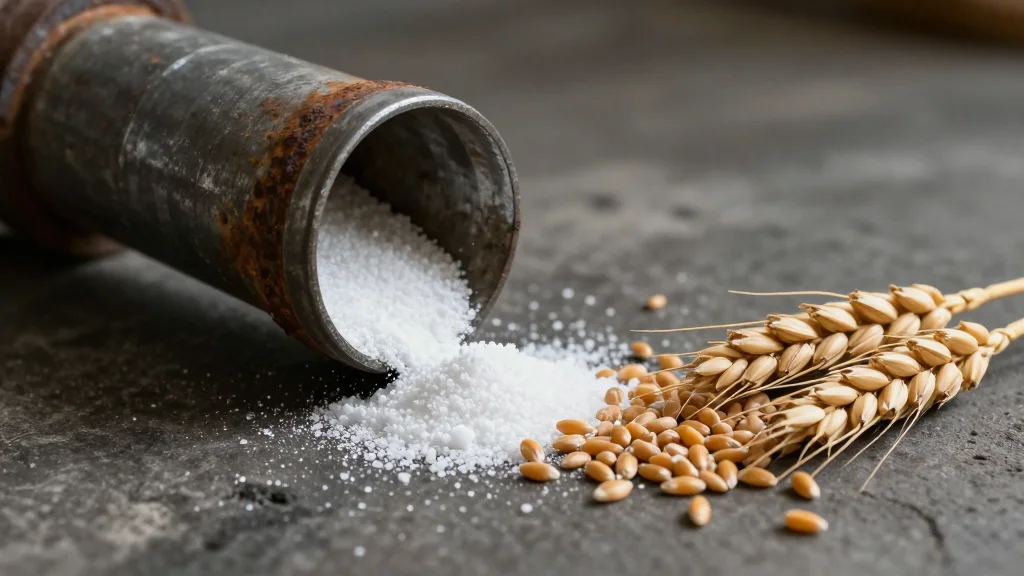
Critical 0‑90 Days Determine Food Crisis or Stagflation
The supply gap is just beginning. If a peace deal comes within days, we’re still in a critical 0–90 day window: markets could absorb the shock, fertilizer flows resume, and a global food crisis be avoided. If not, risks escalate...
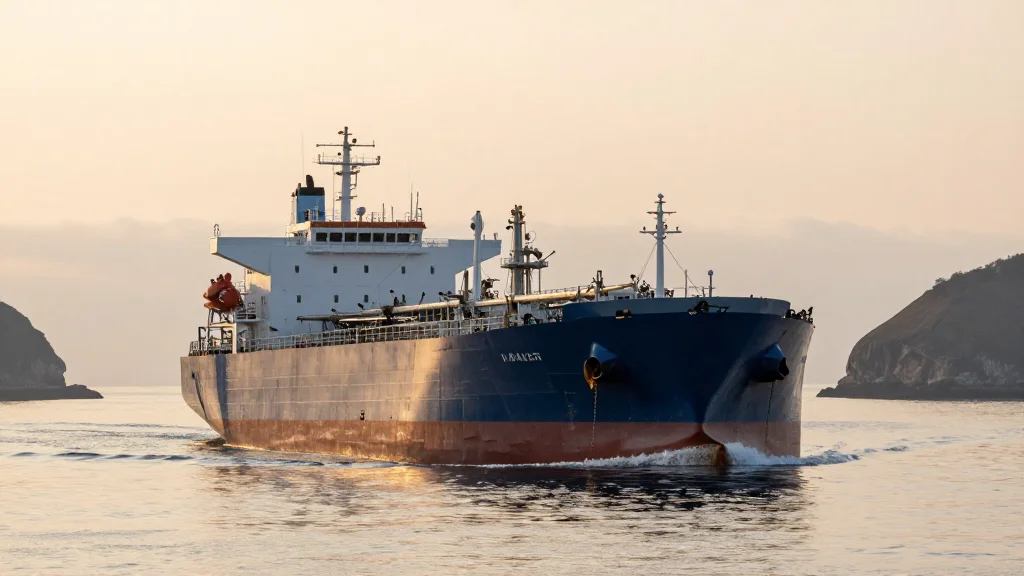
Supply Gap Emerging as Last Hormuz Tankers Arrive
The tanker companies I spoke to last week confirmed that the last vessels that moved out of the Strait of Hormuz before the closure have reached their destinations at the end of March -- meaning the real supply gap is...
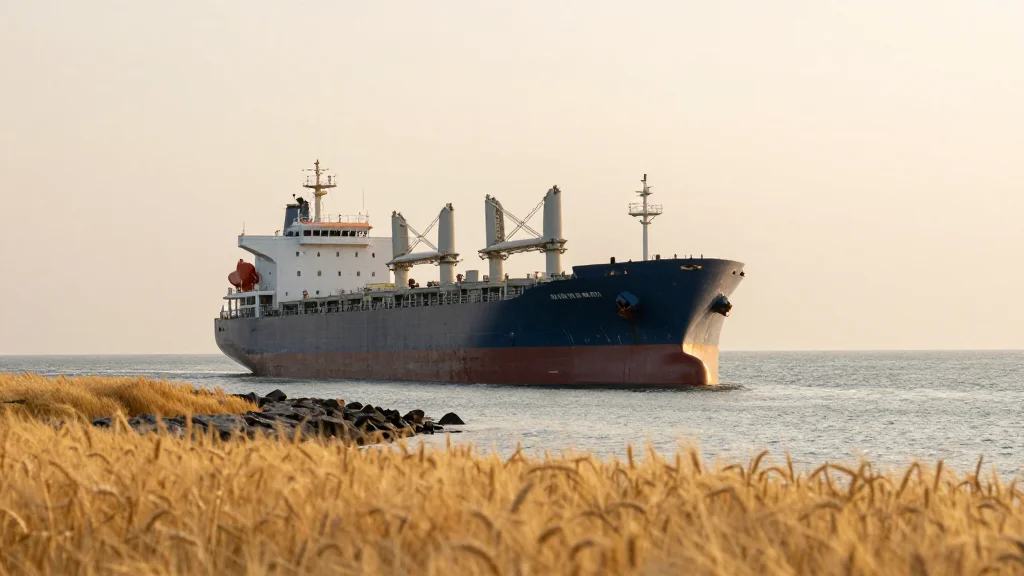
Hormuz Blockage Fuels Fertilizer Crisis; Policy Aid Needed
Ships still aren’t moving through the Strait of Hormuz. Fertilizer delays are forcing farmers to pay more or cut use. They need timebound, targeted help. With right policy and diplomacy, nations can still avert a global food crisis. Watch our...

Media Mentions Drive Food Price Volatility, Demand Transparency
Media coverage doesn’t just reflect food markets; it shapes them. Even one extra news mention can amplify price swings, fueling volatility and leading to costly policy mistakes. So it's critical to strengthen market transparency and risk communication. https://t.co/ZaleYvfJLS

Food Prices Stable Now, Risk Rising Post‑2026 Conflict
Food prices are stable for now, supported by sufficient availability & high stocks, with only marginal inflation across major economies. But if the conflict persists, risks shift forward: higher input costs or shift to other crops will push prices up...