Video•Feb 11, 2026
These Aren't the Ob/Gyn Droids We're Looking For
The video highlights Alabama’s acute shortage of obstetric‑gynecologists in many rural counties and the state’s experimental response: deploying robotic ultrasound systems to scan pregnant patients remotely.
Ultrasound imaging is vital for high‑risk pregnancies—cervical‑length measurement, fetal growth monitoring, and still‑birth prevention—but traditional sonography demands highly trained specialists, a resource increasingly scarce as labor‑and‑delivery units shutter.
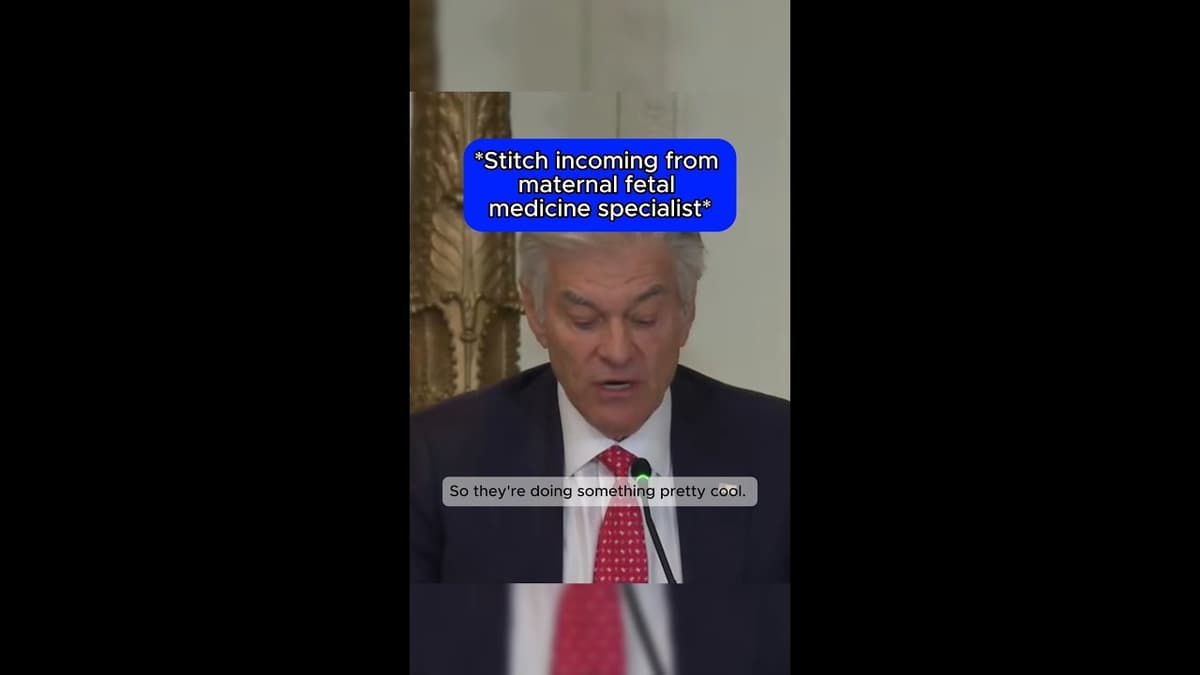
Dr. David Hackne, a maternal‑fetal medicine specialist, critiques CMS administrator Dr. Amen‑Oz’s remarks that blend fear of automation with the political pressures on reproductive care, noting that tele‑ultrasound technology has matured enough to merit serious consideration.
If successful, robotic ultrasound could bridge care gaps in underserved regions, yet its impact hinges on regulatory support, reimbursement policies, and maintaining a skilled workforce to interpret images, shaping the future of rural maternal health.