Engineering Entrepreneurship at MIT
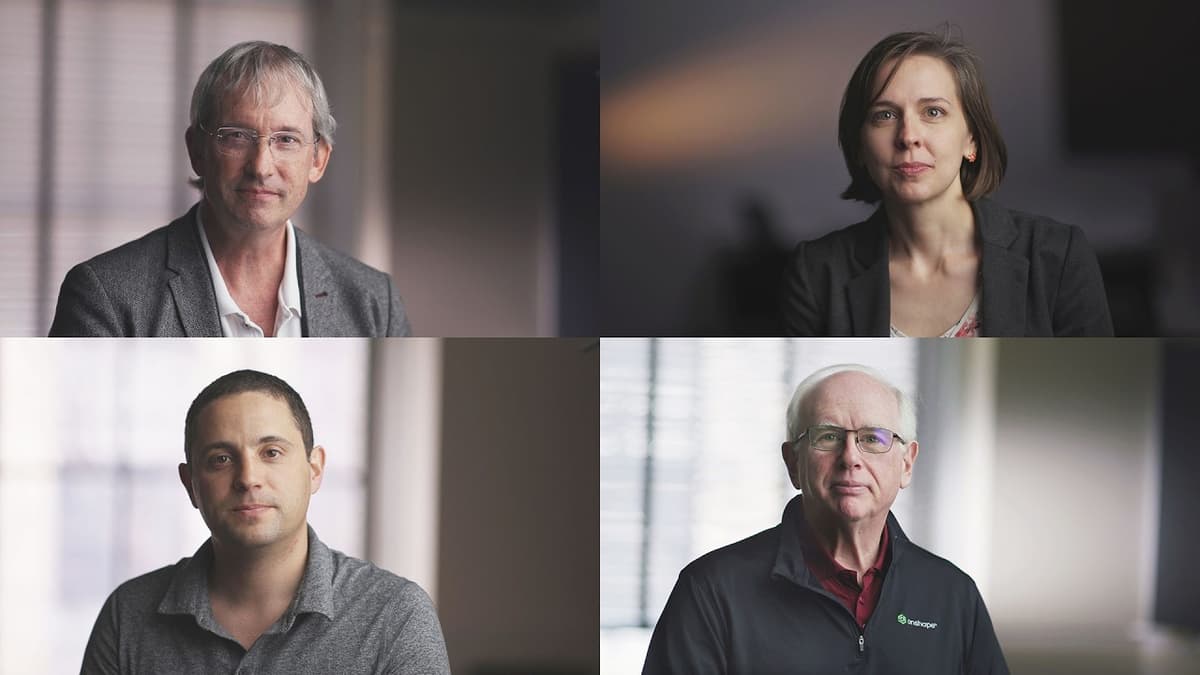
MIT's Engineering Entrepreneurship initiative showcases how the institute leverages its alumni network, dedicated coursework, and hands‑on labs to turn campus research into viable startups. Alumni like Colin Angle, Elise Strobach, and Maxim Lobovsky recount personal journeys, illustrating a culture that normalizes founding companies as a realistic career path. The program emphasizes three pillars: exposure to real‑world problems, iterative product development, and community mentorship. Students learn to translate mechanical and software innovations into marketable solutions, while faculty stress the importance of resilience amid the emotional volatility inherent to early‑stage ventures. Notable remarks include Angle's claim that iRobot’s PackBot saved thousands of lives, and Strobach’s reminder that “you don’t have to know everything to start.” Hirschtick’s observation that startups are the only entities consistently inventing new things underscores the ecosystem’s role as a perpetual innovation engine. For aspiring engineers, the initiative offers a clear roadmap to commercialize research, reducing the perceived risk of entrepreneurship. Industry partners benefit from a pipeline of technically proficient founders, while MIT reinforces its reputation as a crucible for high‑impact technology companies.
Building Hardcore Machines… and Breaking Them
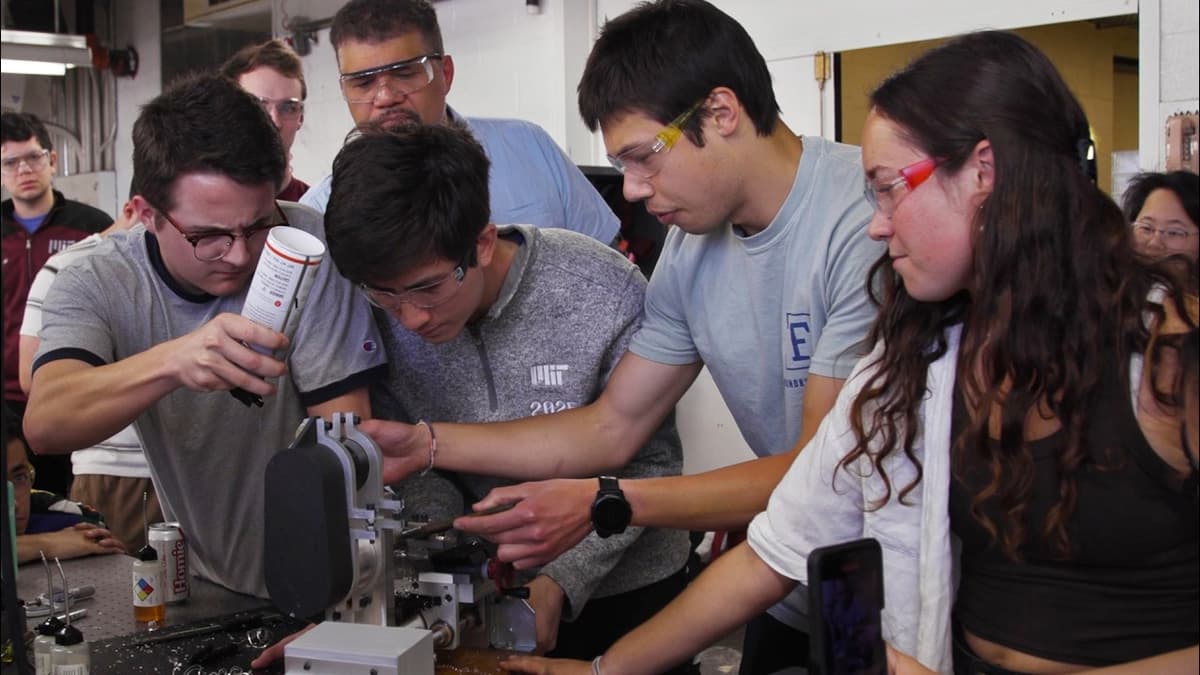
MIT’s Elements of Mechanical Design class challenges juniors, seniors and graduate students to design, fabricate, and test a high‑precision lathe from the ground up. Students apply the full mechanical‑engineering curriculum—mechanics, materials, dynamics, controls—to meet repeatability and accuracy specs, then face Marty...
Brain Waste Clearance
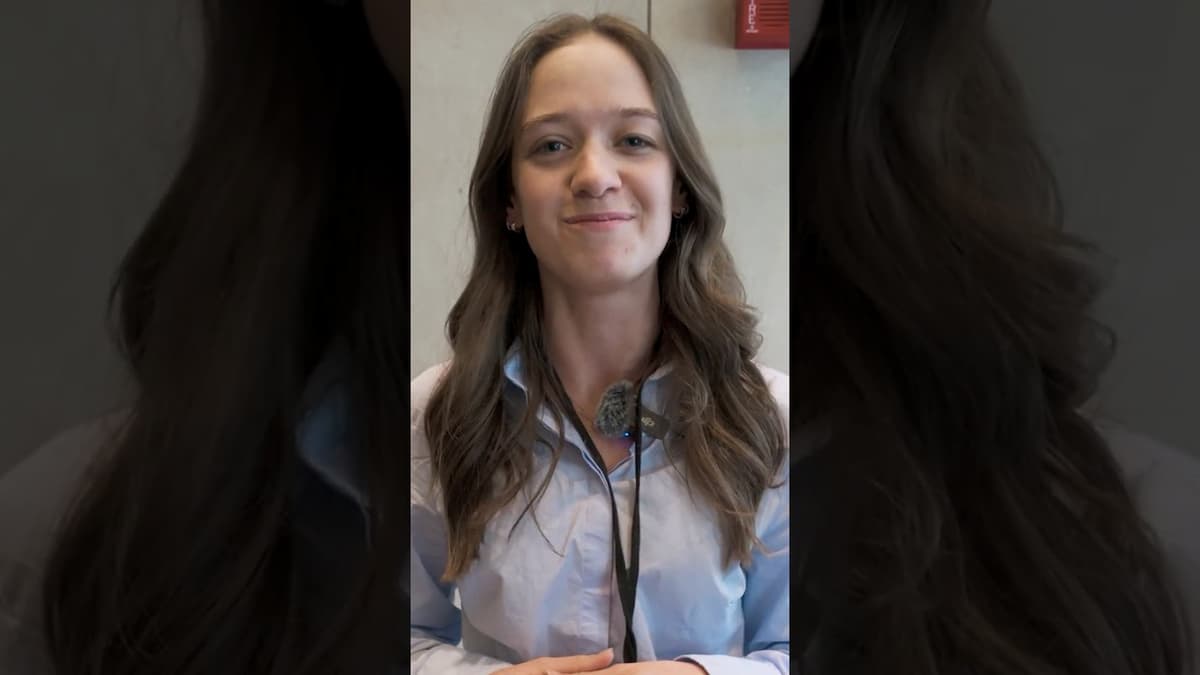
Jackie T. Sale, a second‑year PhD student in MIT’s Mechanical Engineering department, presented her research on brain waste clearance at the MechE Mirror event. Her work investigates how the brain’s lymphatic system removes toxins, focusing on the cellular mechanics that...

Robotic Swarms
The Mechanical Engineering Research Exhibition (MERE) 2026 featured 58 research posters, highlighting the department’s breadth of work. Among the showcases, Pascal Spino presented a functional robotic swarm prototype that demonstrated coordinated autonomous behavior. Attendees used the event to exchange feedback,...