
Recent Posts
Video•Feb 28, 2026
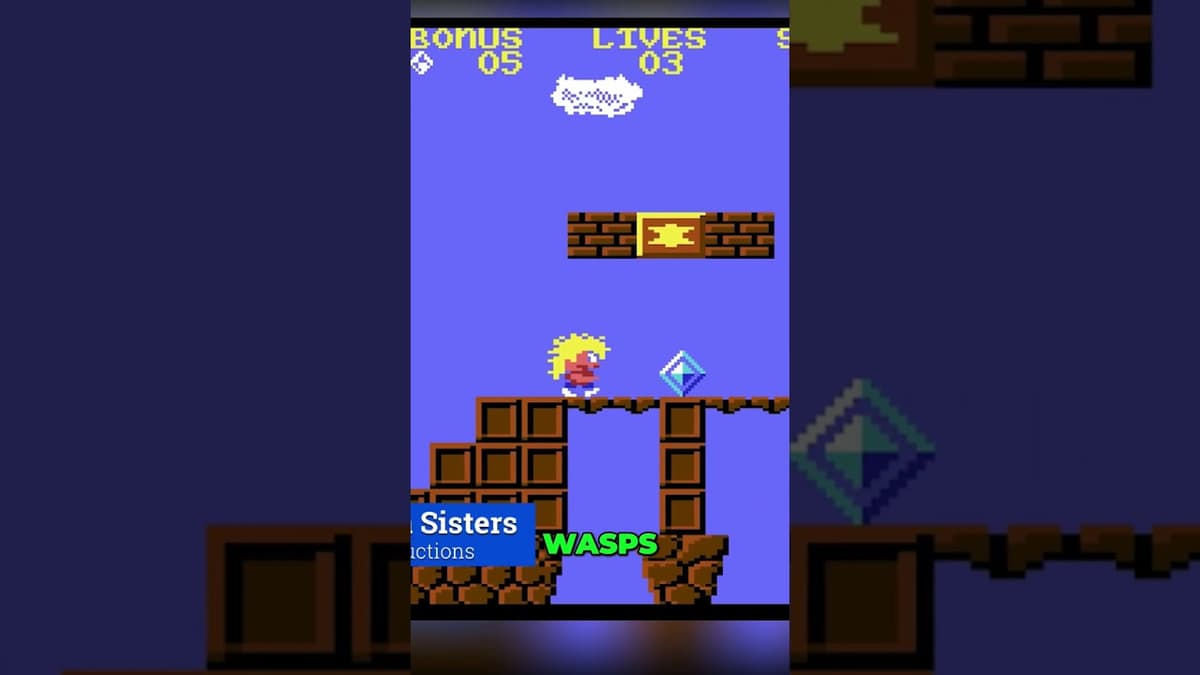
The Great Giana Sisters - C64 Super Mario NES Clone #retrogaming
The video chronicles the birth of The Great Giana Sisters, a 1987 Commodore 64 platformer engineered to mimic Nintendo’s blockbuster Super Mario Bros. Developed by Germany’s Rainbow Arts, the title was conceived as a legal‑safe homage that would bring the Mario experience to Europe’s dominant home computer. A three‑person team—Armin Gasset, Manfred Trenz, and composer Chris Hulsbeck—delivered the game in just seven months. Under Mark Ulrich’s directive, they swapped Mario’s iconic sprites for owls, disembodied eyes, wasps and giant ants, and renamed the protagonists from Mario Brothers to Giana Sisters, ensuring visual distinction while preserving gameplay familiarity. The product launched in Germany and later abroad, with a UK box proclaiming, “The Brothers are history.” Nintendo quickly objected, issuing a cease‑and‑desist that forced retailers to pull the title within a year. Despite the swift removal, the brief shelf life turned the cartridge into a coveted rarity among collectors, and Hulsbeck’s soundtrack continues to earn acclaim for its originality. The episode illustrates early enforcement of video‑game intellectual property, foreshadowing modern clone disputes, while also highlighting how scarcity can elevate a controversial game into a prized artifact within the retro‑gaming community.
By Modern Vintage Gamer
Video•Feb 23, 2026
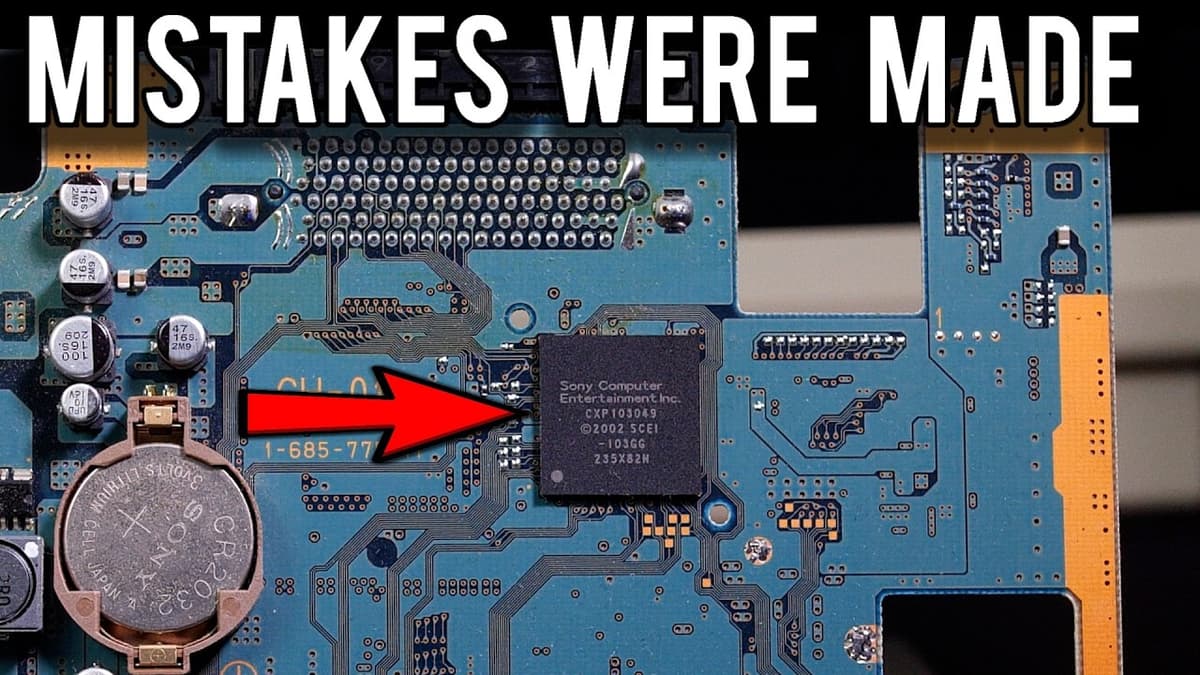
MechaCon: PS2s Unbreakable Gatekeeper ...Until It Wasn't
The video explains how the MechaCon processor, hidden inside every PlayStation 2, served as the console’s ultimate gatekeeper—verifying disc legitimacy, memory‑card authenticity, and executable signatures. Two hardware generations existed: the early SPC970 chip with a fixed mask‑ROM firmware, and the later...
By Modern Vintage Gamer
Video•Feb 16, 2026
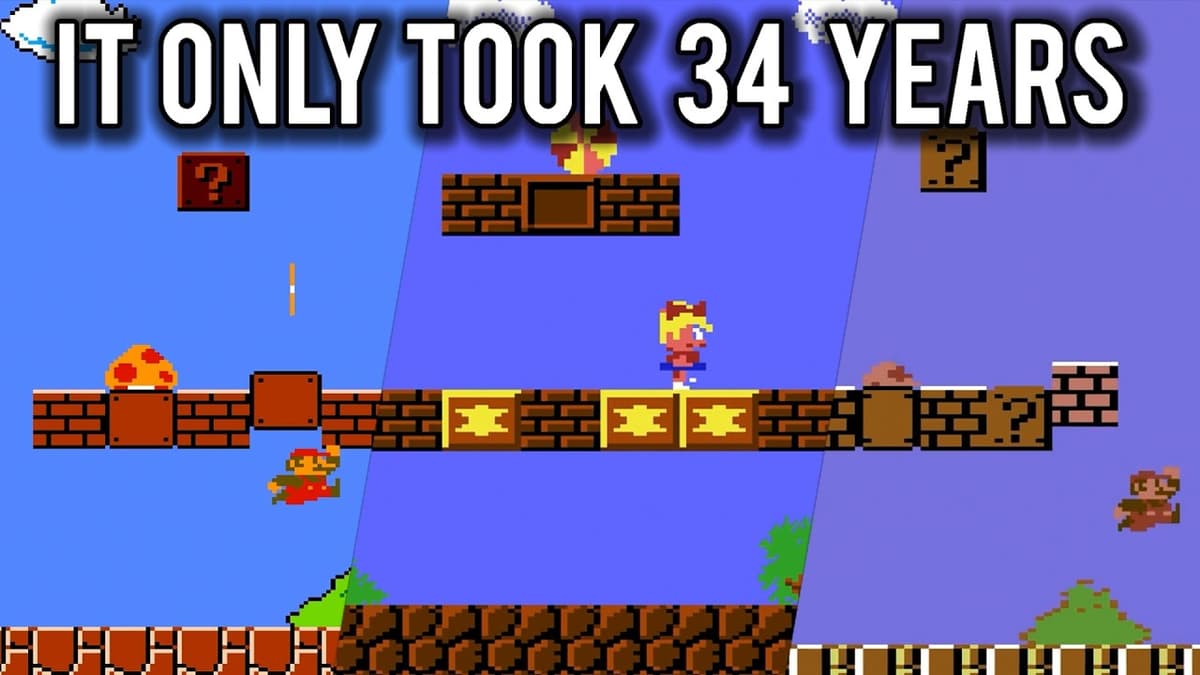
It Took 34 Years for the Commodore 64 to Get Super Mario Bros.
The video chronicles the unlikely journey of Super Mario Bros onto the Commodore 64, beginning with the 1987 release of the clone Giana Sisters by Germany’s Rainbow Arts. Nintendo’s flagship platformer never received an official home‑computer port, so Rainbow Arts hired the three‑person Time Warp team to...
By Modern Vintage Gamer