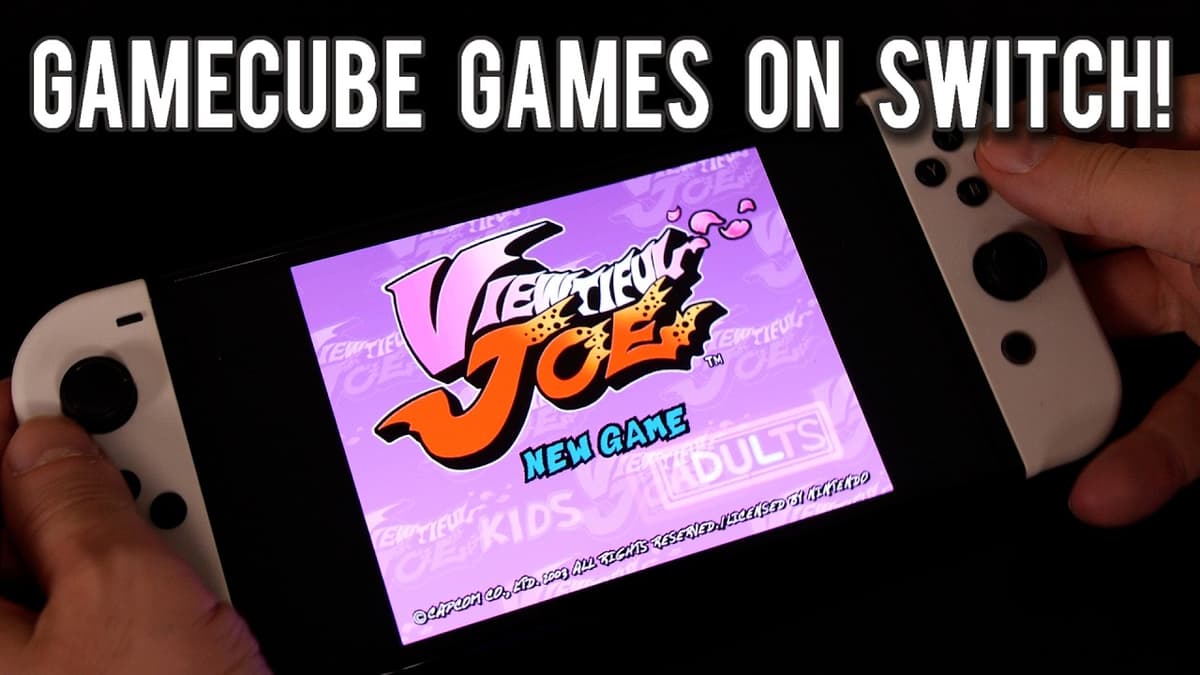
The Nintendo Switch 1 Can Run GameCube/Wii Games!
The video introduces TeeCoe, a home‑brew front‑end that brings GameCube and Wii emulation to the original Nintendo Switch. While Nintendo’s Switch 2 offers a limited GameCube catalog via its online service, TeeCoe unlocks a far broader library on the older hardware, positioning the Switch 1 as a surprisingly capable retro console. Key technical insights include an automatic overclock that raises the CPU to 1.7 GHz and the GPU to 768 MHz, essential for acceptable GameCube/Wii performance. The front‑end requires no BIOS files for those platforms, though other cores like Sega Saturn and Dreamcast do. Compatibility currently sits around 30‑40 % of titles, but the 0.71 build shows marked stability gains over earlier releases. Demonstrations feature Luigi’s Mansion running smoothly, Resident Evil 4 Wii Edition at near‑native speed, and Eternal Darkness achieving 60 fps despite occasional stutter. Dreamcast’s Grandia 2 and several PSP titles also perform admirably, highlighting TeeCoe’s versatility across multiple emulators while maintaining a simple three‑button UI for game selection, saves, and settings. The broader implication is a revived relevance for the Switch 1, offering enthusiasts a cost‑effective, all‑in‑one Nintendo retro platform that rivals Nintendo’s own subscription‑based solution. By lowering the technical barrier and providing community‑driven updates, TeeCoe could extend the console’s lifespan and pressure Nintendo to expand its official backward‑compatibility offerings.
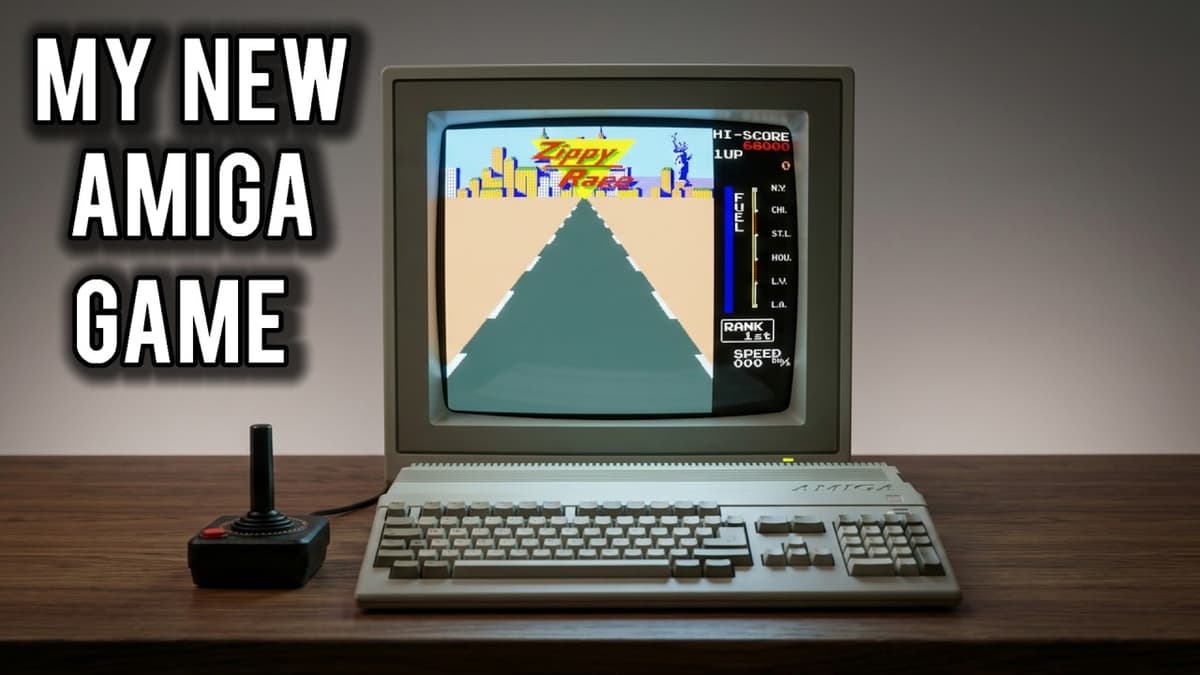
I Made a New Amiga Game - Zippy Race!
The video chronicles the creator’s four‑month journey turning the 1983 arcade title Zippy Race into a fully playable Amiga Omega 500 game, constrained to a stock OCS machine with only 512 KB of chip memory. He outlines how the project evolved from a...
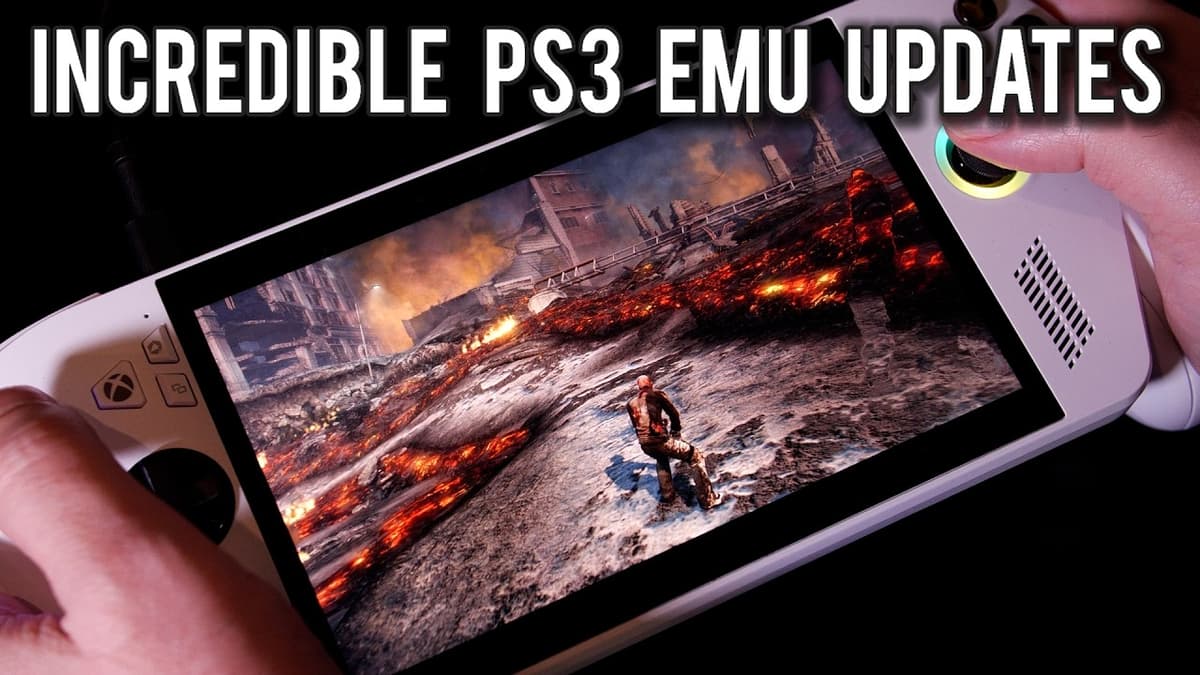
The New RPCS3 PS3 Emulator Update Is Insane
The video reviews RPCS3’s latest 0.040 release, highlighting how recent optimizations have finally made PlayStation 3 emulation viable on handheld PCs such as the ROG Ally and Steam Deck. Key upgrades include peripheral and ISO support, SPU micro‑optimizations, PPU accuracy tweaks, multi‑slot save states,...

How Pre-Rendered Backgrounds Defined Early 3D Gaming
The video examines pre‑rendered 3D backgrounds, a visual technique that dominated mid‑ to late‑90s console gaming, especially on PlayStation 1, and traces its origins to the 16‑bit era where developers first used powerful workstations to generate high‑detail sprites and tiles. It explains...

Switch 2 Boost Mode : Here's What They Didn't Tell You...
Nintendo’s latest firmware update (v22) adds a Handheld Boost Mode to the Switch 2, letting legacy Switch One titles run in handheld mode at the same resolution and visual quality as they do when docked. The toggle lifts many games from sub‑720p to...

After 12 Years, The Xbox One Has Finally Been Hacked
The video announces that after twelve years of being deemed unhackable, the Xbox One has finally been compromised by Marcus Castellan’s “Bliss” exploit. By applying a precise voltage glitch to the console’s north‑bridge rail, Castellan forces the processor into an...

PS4 Emulation 2026 vs 2023 - The Difference Is Insane
The video examines the rapid evolution of the Shed PS4 emulator against a backdrop of Sony’s recent decision to abandon planned PC ports for several PlayStation‑4 exclusives, as reported by Bloomberg. With titles like Ghost of Tsushima and other upcoming...
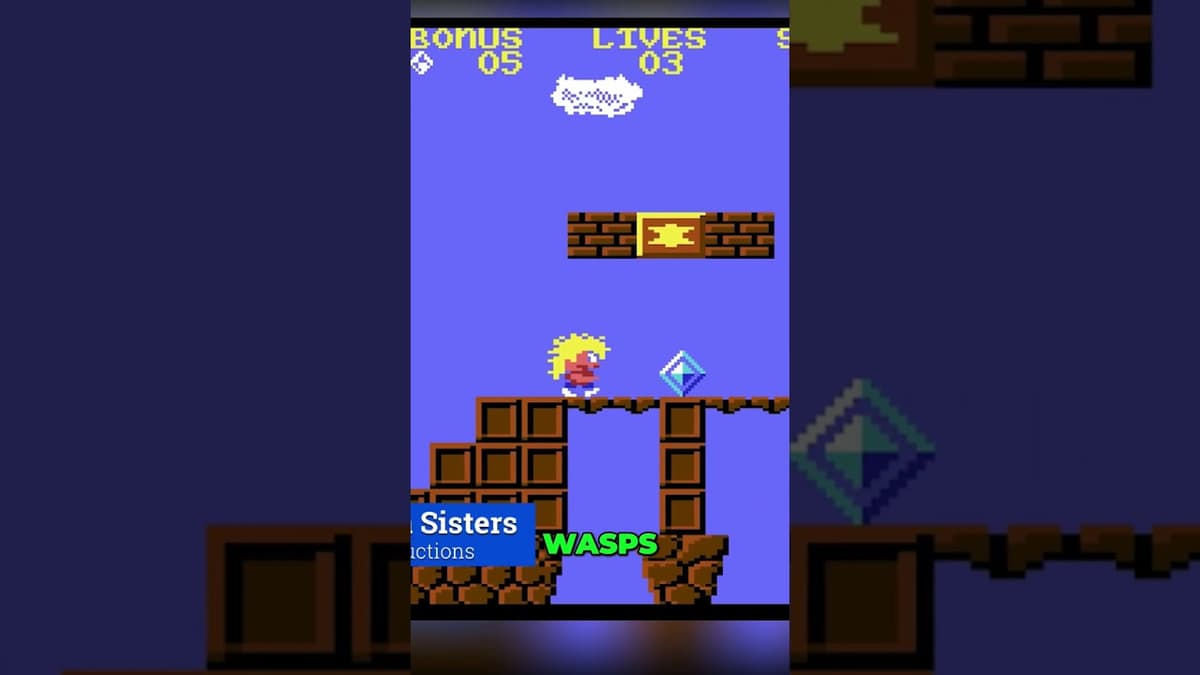
The Great Giana Sisters - C64 Super Mario NES Clone #retrogaming
The video chronicles the birth of The Great Giana Sisters, a 1987 Commodore 64 platformer engineered to mimic Nintendo’s blockbuster Super Mario Bros. Developed by Germany’s Rainbow Arts, the title was conceived as a legal‑safe homage that would bring the...
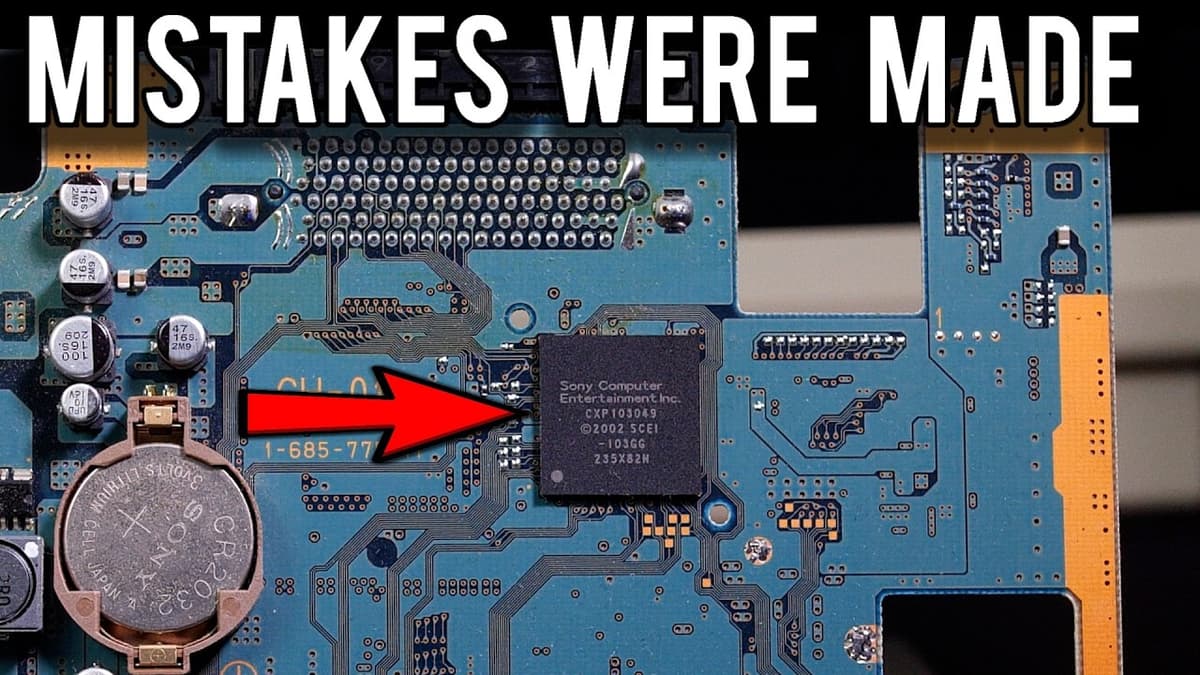
MechaCon: PS2s Unbreakable Gatekeeper ...Until It Wasn't
The video explains how the MechaCon processor, hidden inside every PlayStation 2, served as the console’s ultimate gatekeeper—verifying disc legitimacy, memory‑card authenticity, and executable signatures. Two hardware generations existed: the early SPC970 chip with a fixed mask‑ROM firmware, and the later...
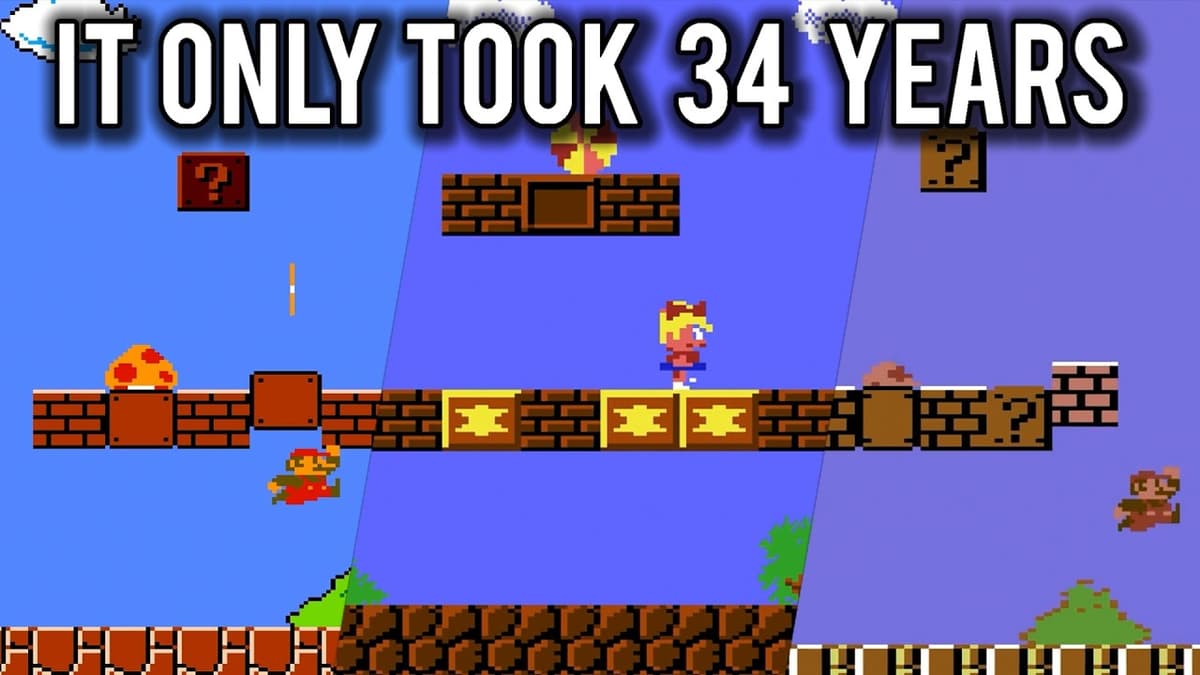
It Took 34 Years for the Commodore 64 to Get Super Mario Bros.
The video chronicles the unlikely journey of Super Mario Bros onto the Commodore 64, beginning with the 1987 release of the clone Giana Sisters by Germany’s Rainbow Arts. Nintendo’s flagship platformer never received an official home‑computer port, so Rainbow Arts hired the three‑person Time Warp team to...