
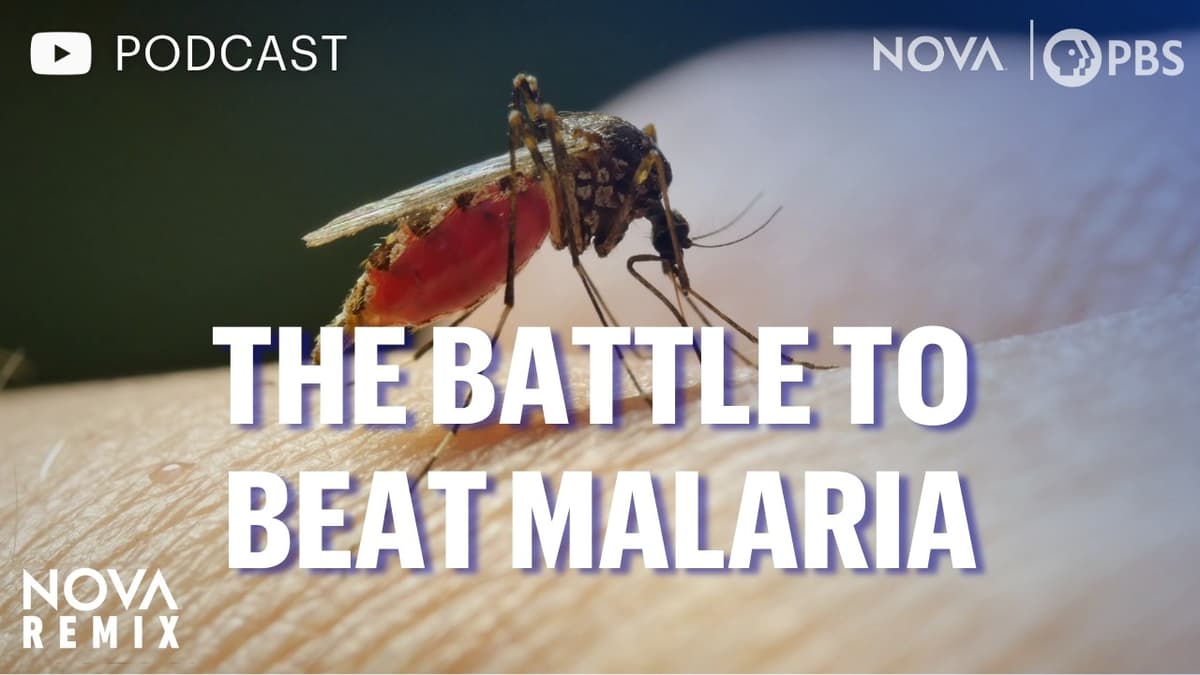
(Podcast Version) The Battle to Beat Malaria | NOVA Remix | NOVA | PBS
The podcast chronicles the decades‑long fight against malaria, focusing on the breakthrough R21 vaccine developed by Oxford researchers and manufactured at scale by the Serum Institute of India. It contrasts the legacy RTS,S/RTSS vaccine’s modest ~40% efficacy with the World Health Organization’s 75% target for 2030, explaining how scientists re‑engineered the circumsporozoite protein (CSP) to elicit stronger antibody responses. Key data points include early human challenge trials showing robust immunity at low doses, a 2019 Phase 2 study in Burkina Faso reporting 77% efficacy, and a massive Phase 3 trial of nearly 5,000 children that confirmed 73% efficacy with safety comparable to a rabies control vaccine. The transcript highlights the logistical hurdles—funding gaps, limited early‑stage doses, and the need for a reliable manufacturing partner. Notable voices such as Dr. Ali Elatu, Dr. Katie Uer, and Dr. Adrien Hill describe the scientific rationale behind boosting CSP density, while Serum Institute CEO Adar Punalal emphasizes cost‑effective, high‑volume production. The team’s perseverance amid sleepless nights and intense data analysis underscores the human element behind the scientific achievement. If approved and widely deployed, R21 could meet or exceed WHO efficacy goals, dramatically lowering child mortality in malaria‑endemic regions and reshaping global health funding priorities. Its success hinges on governmental endorsement, financing, and distribution networks to reach the millions at risk.

Antarctica Was Nothing Like We Expected | NOVA | PBS
PBS NOVA’s "Antarctica Was Nothing Like We Expected" follows producers Caitlin Saks and Arlo Pérez as they trek to McMurdo Station, the continent’s premier research outpost. Over five days they cover roughly 12,000 miles across seven time zones, hauling hundreds...
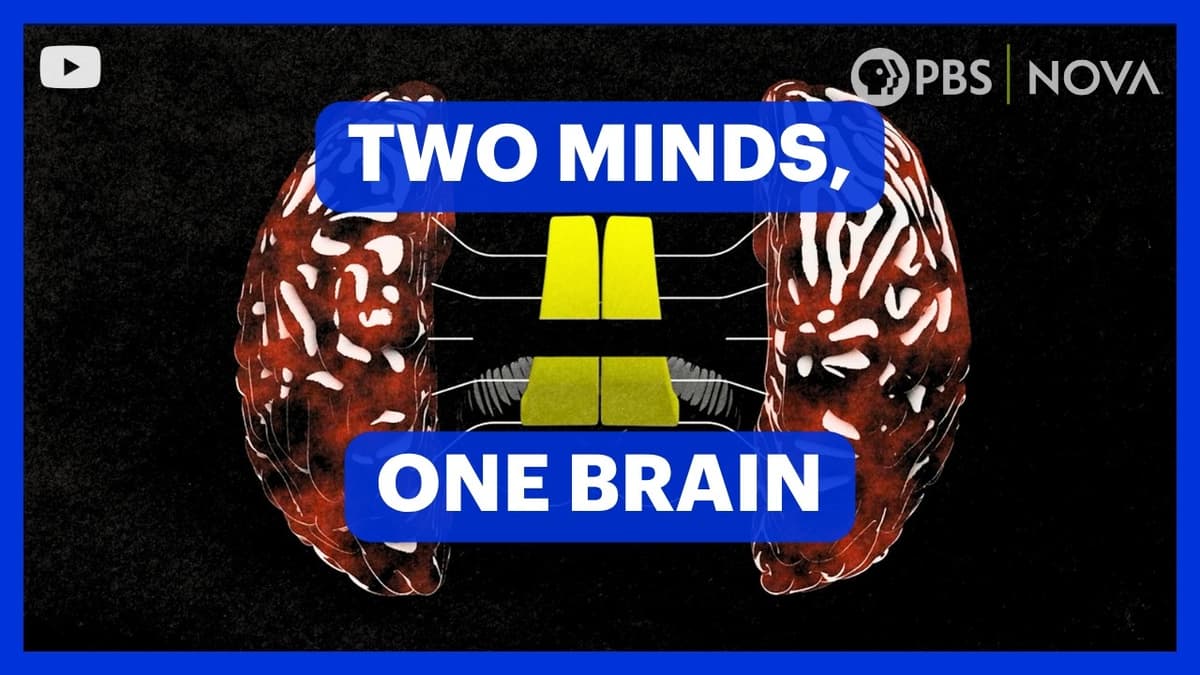
Your Brain Has Two Minds | NOVA | PBS
The NOVA documentary “Your Brain Has Two Minds” examines how consciousness is generated and how it can be turned off, using anesthesia and split‑brain surgery as natural experiments. Researchers show that anesthetic drugs silence the thalamic hub, collapsing the brain’s rich,...
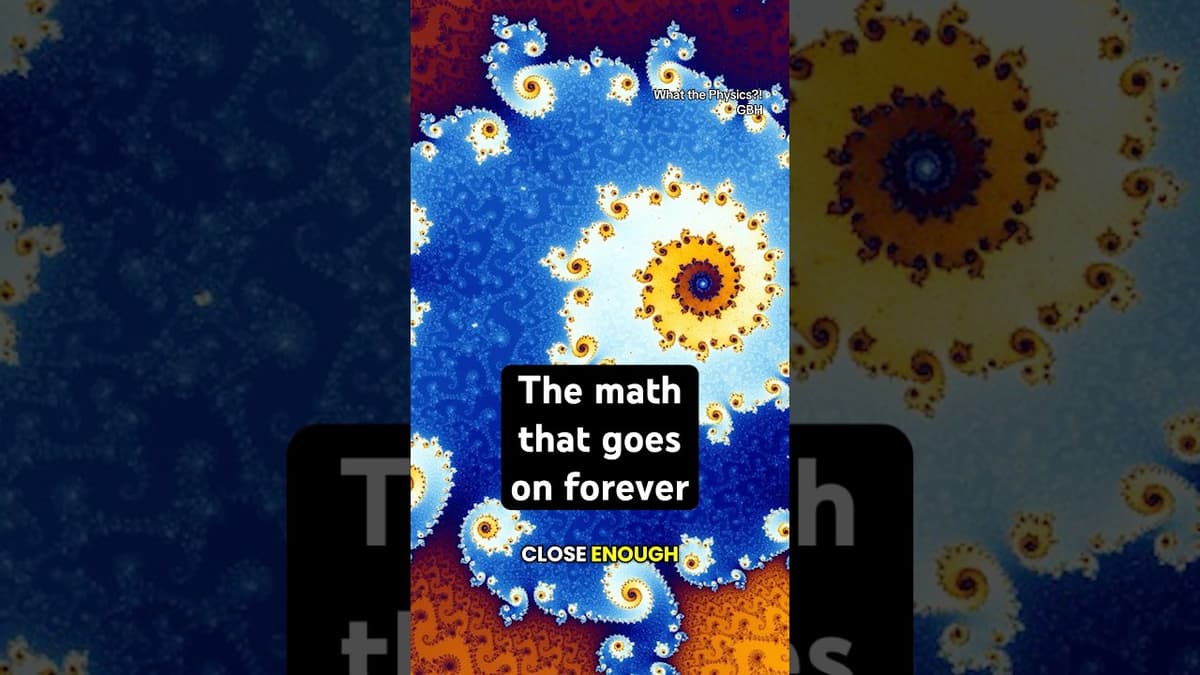
The Math that Goes on Forever #fractals #physics #math
The video explains how fractals—self‑repeating geometric patterns—manifest in natural objects such as seashells, Romanesco cauliflower, and fern fronds, and how mathematicians recreate them digitally. It focuses on two famous families: the Julia set, which colors each point according to how...

The First Time Humans Left Earth's Orbit #shorts #astronaut #apollo
At 11½ minutes after liftoff, Apollo 8’s third stage reignited, performing the trans‑lunar injection (TLI) that sent the spacecraft out of Earth orbit at roughly 17,000 mph. The maneuver, overseen by flight director and communicated by Capcom Michael Collins, was confirmed with the...

Artemis I’s Heat Shield Had an Unexpected Problem
Artemis I’s uncrewed test flight was celebrated as a success, yet engineers discovered troubling damage to Orion’s heat shield after splash‑down. The ablative epoxy tiles, designed to melt and vaporize, instead showed charring, cavities and chunks missing, indicating the material...