Podcast: What’s Taurine and Why Do We Care? (Part 3)
The podcast’s final episode dissects taurine’s sources, weighing cost, convenience, and safety. Dr. Greger ranks pure taurine powder as the most concentrated and affordable option, followed by dried nori, shellfish, energy drinks, fin fish, and land‑based meats. He highlights that achieving a gram of taurine from nori would require 40 sheets—exceeding daily iodine limits—while a quarter‑teaspoon of powder delivers the same amount for a penny a day. Key data points include shellfish’s modest taurine content but notable allergy prevalence (1 in 35 Americans) and high contamination rates: nearly one‑third of samples carry fecal viruses, and pollutants like mercury and algal toxins pose serious health threats. Energy drinks supply taurine but add sugars and artificial sweeteners. The podcast also cites studies linking elevated taurocholic acid from taurine supplementation to reduced longevity and increased hydrogen sulfide production, which can damage DNA and promote colorectal cancer. Notable examples feature the domoic‑acid memory impairment observed in Pacific Northwest clam eaters—15 clams a month raised memory‑loss risk—and the fact that shellfish toxins are not mitigated by cooking. Dr. Greger stresses that taurine‑induced bile‑acid changes foster harmful bacteria such as Bilophila wadsworthia, while butyrate from dietary fiber can counteract hydrogen sulfide’s toxicity. The overarching implication is that taurine supplementation may be safe only within a whole‑plant, high‑fiber, low‑saturated‑fat diet. Consumers should favor inexpensive pure powder and avoid relying on shellfish or energy drinks, while clinicians should consider gut‑microbiome effects when recommending taurine.
Podcast: What’s Taurine and Why Do We Care? (Part 2)
The podcast episode examines taurine, a conditionally non‑essential amino acid, its age‑related decline, and whether supplementation can extend human healthspan. Animal work shows that restoring taurine in mice, worms and monkeys reverses age‑related decline and lengthens lifespan. Human meta‑analyses (2020, 2024)...
Podcast: Everything You Wanted to Know About B12 (Part 2)
The podcast explains how vitamin B12 recommendations are derived and what intake levels are truly optimal for health. It contrasts the factorial approach that yields the U.S. RDA of 2.4 µg—designed to cover 98% of people—with newer research indicating that 4–7 µg...
Podcast: Everything You Wanted to Know About B12 (Part 1)
The NutritionFacts podcast episode tackles vitamin B12, emphasizing its critical role for anyone on a plant‑based diet and warning that deficiency can trigger a cascade of neurological, psychiatric, and hematologic problems, even fatal outcomes. Dr. Greger explains that the timeline for...
Podcast: Are Statins Worth It? (Part 2)
The Nutrition Facts podcast episode dives into the contentious debate over statin use, weighing their cardiovascular benefits against a spectrum of reported side effects and exploring non‑pharmacologic alternatives. Data presented show that treating 100 adults aged 50‑75 without prior disease for...

Live Q&A with Dr. Greger
Dr. Michael Greger hosted a live Q&A, apologizing for a delayed session and announcing his forthcoming book “How Not to Hurt,” slated for December 15, 2026. The title will focus on diet‑ and lifestyle‑based pain management for conditions such as...
Podcast: Losing Weight with Fiber-Rich Foods
The Nutrition Facts podcast, hosted by Dr. Michael Greger, examines how fiber‑rich foods influence weight management, arguing that a single dietary tweak can raise resting metabolic rate. Observational data—from ecological comparisons of Pima Indians to cohort studies of youth, postpartum women,...
Podcast: Taking the Cold Plunge
The podcast examines cold‑water immersion (CWI) as a post‑exercise recovery tool, contrasting subjective reports with objective performance data. Researchers cite a large meta‑analysis of over fifty trials showing athletes feel less sore and fatigued for up to three days after...

Podcast: The Hazards of Ultra-Processed Foods
The Nutrition Facts podcast hosts Dr. Michael Greger to unpack the growing public‑health crisis posed by ultra‑processed foods. He traces the historical shift from nutrient‑deficiency concerns to today’s era of dietary excess, explaining that ultra‑processed items are industrial formulations containing...
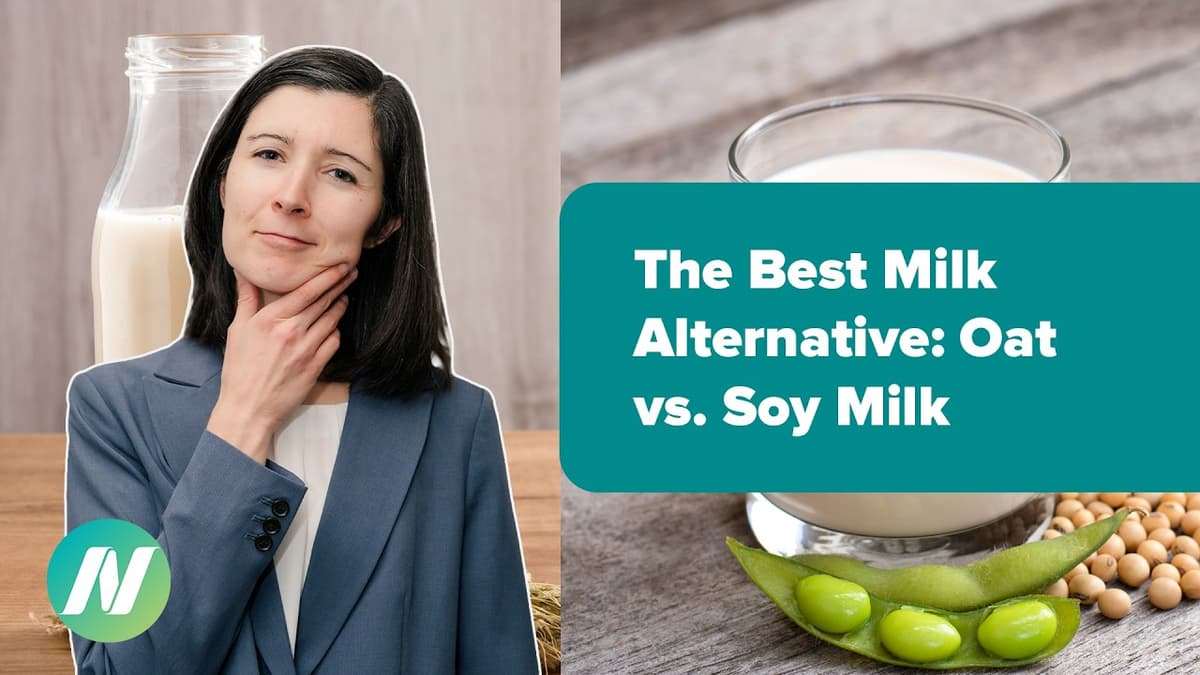
The Best Milk Alternative: Oat Vs. Soy Milk
The video compares oat and soy milk as leading plant‑based alternatives, examining nutrition, market share, and health impacts versus dairy. It notes soy provides ~7 g protein per cup and is consistently fortified, while oat matches calcium and vitamin D but contains...