
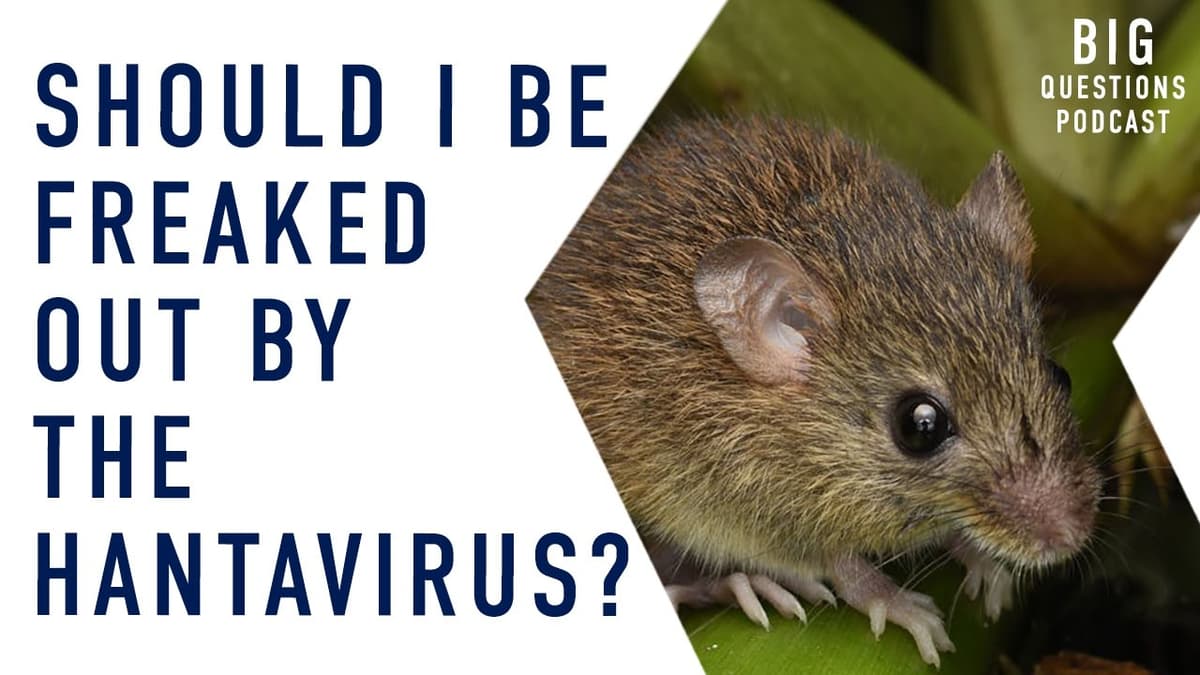
Should I Be Freaked Out by the Hantavirus?
The Oxford Sparks podcast tackled the recent Andes hantavirus outbreak aboard a cruise ship, featuring senior researcher Daniel Wright from Oxford’s vaccine group. Wright explained that hantaviruses are a family of rodent‑borne pathogens, with the Andes strain capable of occasional person‑to‑person spread, unlike most hantaviruses that infect only through rodent droppings or urine. Key points included the disease’s flu‑like onset—headache, fever, chills—potentially escalating to severe respiratory failure in South‑American strains. While the Old World hantaviruses cause hemorrhagic fever, the Andes virus has caused only tens of cases annually over the past three decades. No licensed vaccine exists for this strain; existing vaccines target the Eurasian variants and are not effective against Andes. Wright emphasized that human transmission is inefficient, requiring sustained close contact rather than casual exposure, and rated public fear at “one or two” on a ten‑point scale. He contrasted this with COVID‑19’s high transmissibility, noting that the virus replicates slowly in endothelial cells and sheds far less virus into the environment. The implication is that, although the disease is serious for infected individuals and warrants vigilant public‑health response, the risk of a widespread pandemic is low. Monitoring, contact tracing, and continued vaccine research remain essential, especially for travel‑related settings where close quarters could amplify transmission.
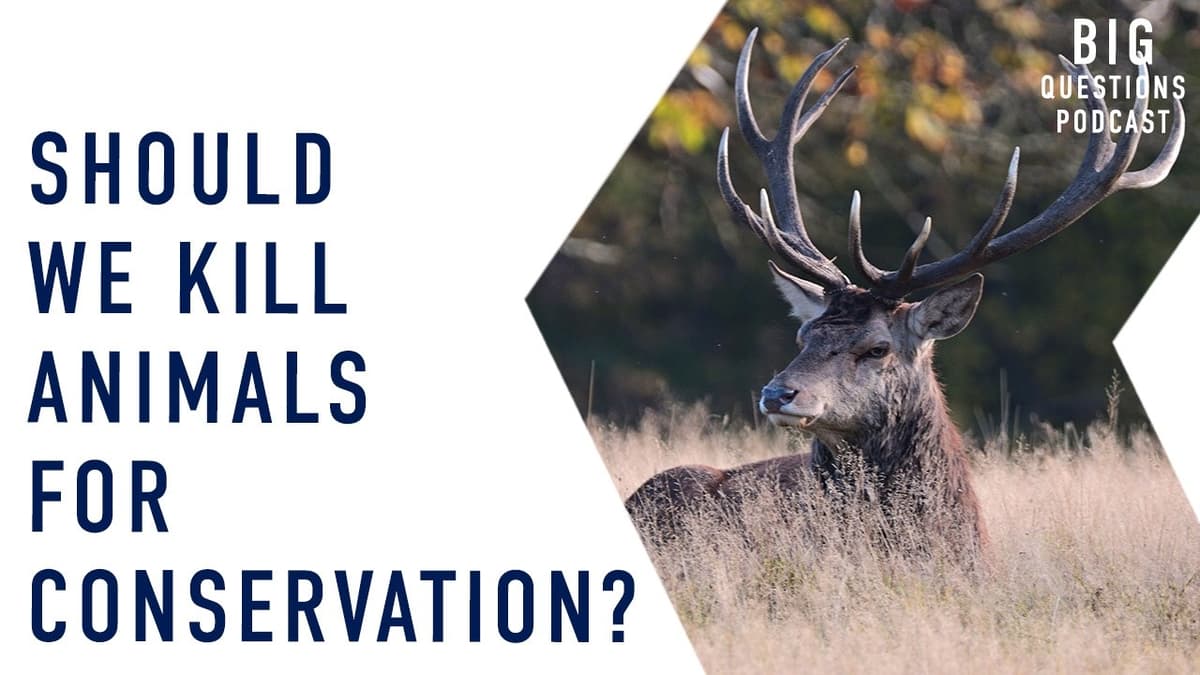
Should We Kill Animals for Conservation?
The Oxford Sparks podcast tackles a contentious question – should animals be killed for conservation? It uses Scotland’s burgeoning deer population as a case study, where four species, especially native red deer, have exploded in number without natural predators,...
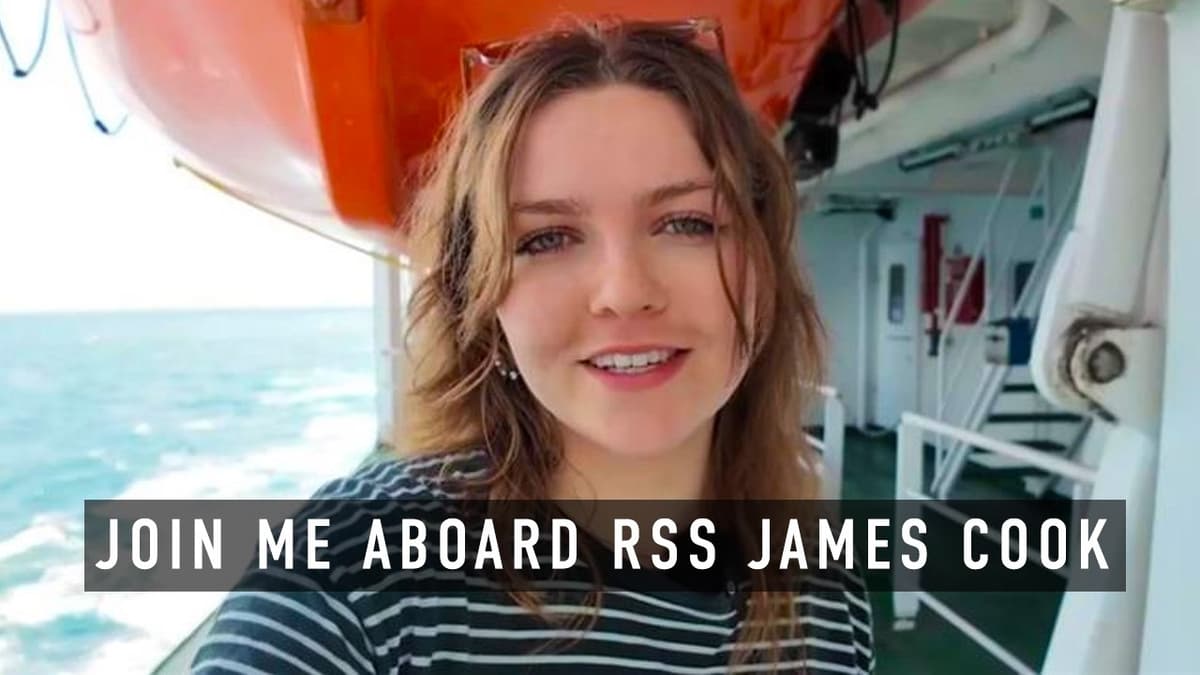
Phytoplankton: The Lungs of the Earth
Marine biogeochemist Arianwen Herbert explains how microscopic phytoplankton act as the ocean’s lungs, fixing roughly 40% of atmospheric carbon dioxide. Aboard the RRS James Cook she compares their role to tropical rainforests and sets the stage for a series of...
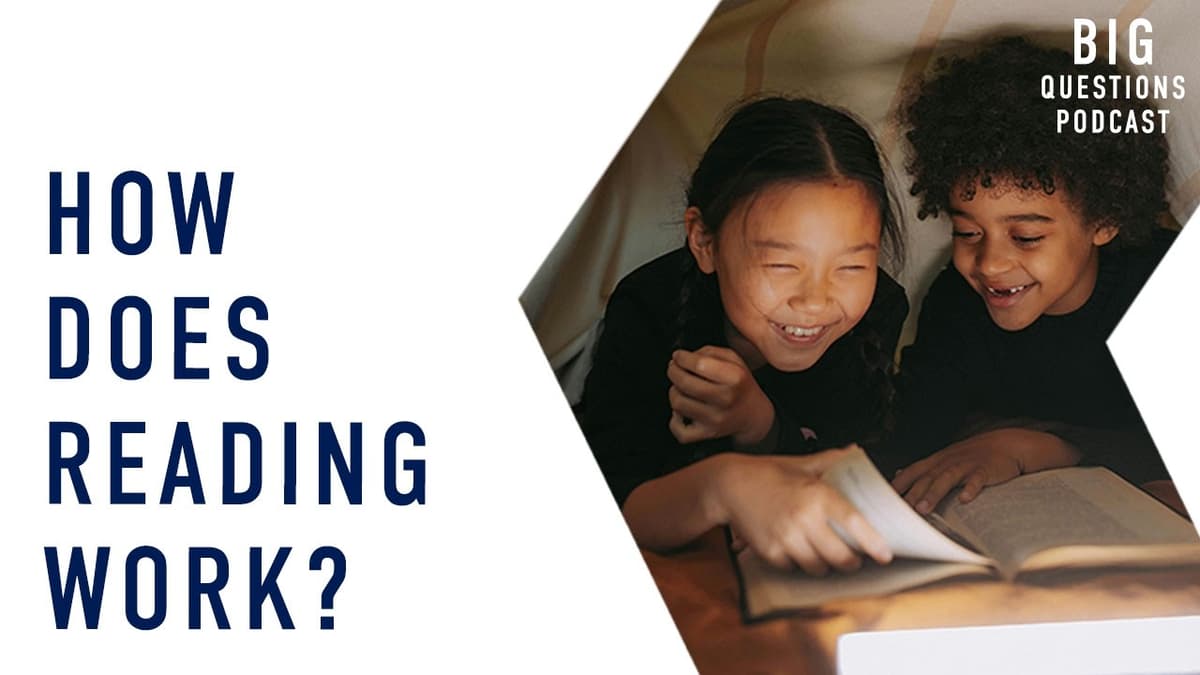
How Does Reading Work?
The Oxford Sparks podcast explores how the brain turns printed symbols into meaning, featuring Oxford professor Yensen, who bridges experimental psychology and psychiatry to map the neural circuitry of reading. He explains that reading is not a single function but...

What's It Like for Women Working in F1?
The Oxford Sparks Big Questions podcast features Kate Bankraftoft, an Oxford research fellow, discussing her groundbreaking paper that surveys women in Formula 1’s technical roles. The study, the first of its kind, uncovers how a tiny minority—estimated at about five percent...

How Do You Convert CO2 to Rock?
The Oxford Sparks podcast explores how captured carbon dioxide can be turned into solid rock through mineralization, featuring physical chemist Dr. Sheree Mao. She explains that carbon capture consists of two stages: extracting CO₂ from the air and then storing...