
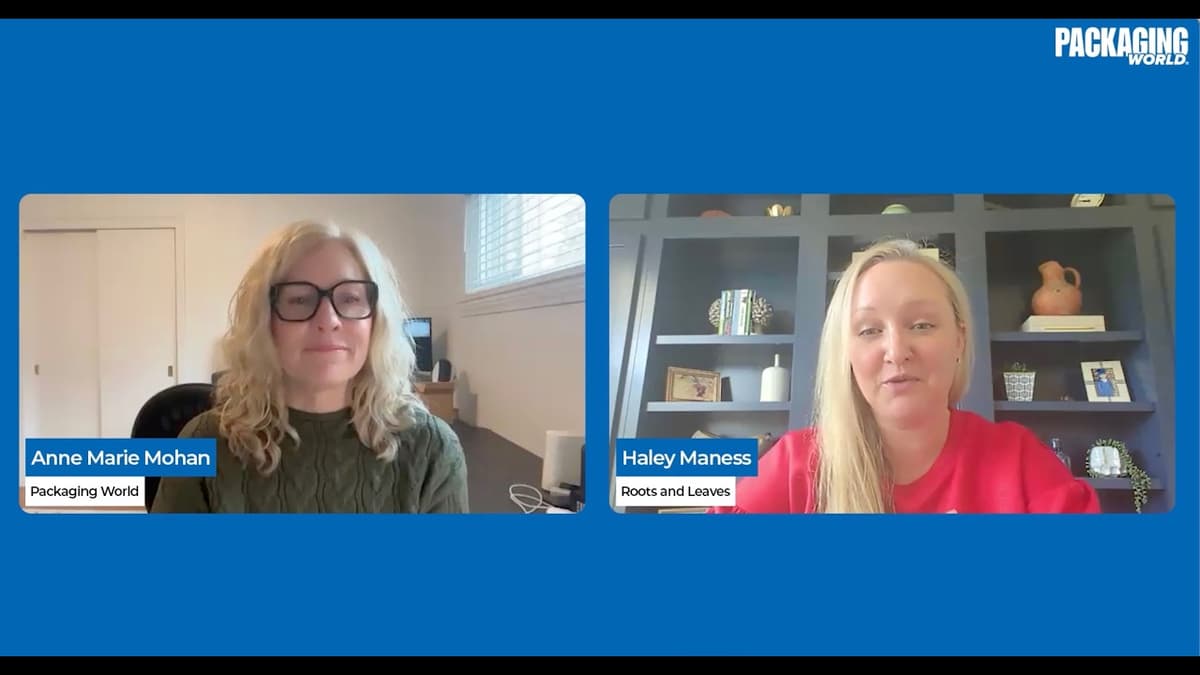
Roots and Leaves Founder Haley Maness Shares Philosophy Behind Packaging Materials and Graphics
In a Packaging World interview, Haley Maness, founder of herbal‑wellness brand Roots and Leaves, explains how her personal health challenges—Lyme disease and a newborn’s colic—sparked the creation of a product line that now exceeds 60 SKUs. Rather than chasing trends, the company grew organically, expanding from an elderberry tonic to teas, skincare, electrolytes, soaps, and upcoming makeup, all rooted in a commitment to clean, plant‑based solutions. Maness details a rigorous, sustainability‑first packaging philosophy. Early products were bottled in 16‑ounce mason jars she sourced at Walmart, later evolving to stout glass bottles for liquids, biodegradable bags for loose‑leaf teas, HDPE bottles for shampoo, and sugar‑cane‑derived tubes for sunscreen. She works with a dedicated packaging consultant to ensure every material is recyclable, non‑toxic, and appropriate for the product’s function. The visual identity mirrors an early‑20th‑century apothecary aesthetic, with Maness sketching label concepts that highlight key herbs—elderberries, apples, and other botanicals—using earthy color palettes. She collaborates with a graphic designer to refine these sketches, ensuring each label instantly communicates the product’s purpose, a strategy she credits for strong shelf presence in roughly 3,500 independent retailers. By prioritizing sustainable materials, distinctive graphics, and a retail‑first distribution model that shuns Amazon, Roots and Leaves differentiates itself in a crowded wellness market. The brand’s upcoming toxin‑free makeup and eco‑friendly deodorants signal a broader shift toward holistic, responsibly packaged consumer goods, offering retailers and shoppers a compelling alternative to conventional options.
Mechatronics: Germany's Smart Approach to Skilled Workers
The video highlights a German model where manufacturers like Kisters collaborate with on‑site technical schools to train mechatronics talent. Students work directly on real sub‑assemblies, turning classroom theory into production‑ready skills. The program enrolls 18‑20 learners per class, increasingly women,...
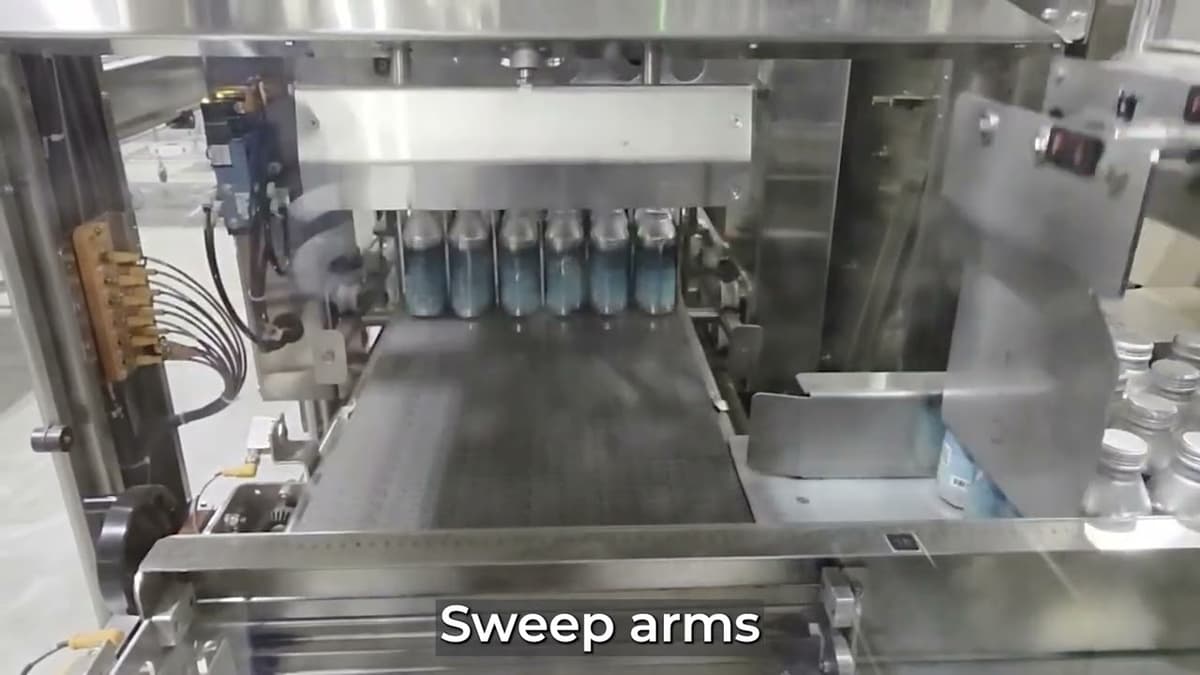
Versatile Wraparound Case Packing Meets Private-Label Demands
Polypack introduced a versatile wraparound case packer at Virginia Artesian Water Co., enabling the plant to handle multiple bottle formats and private‑label lines on a single line. The new equipment supports rapid changeovers, reducing downtime to under five minutes. It...

Google's AI Vision Rethink of Package Testing for 'Shock & Vibes'
Google’s Ken Lon presented a radical shift in package testing at the ISTA conference, showcasing how AI‑driven computer vision can replace half‑century‑old shock and vibration methods. By mounting high‑speed cameras, 3D scanners and advanced sensors on test rigs, Google captures...

Innovations in Linear and Independent Motion Packaging Applications: Packaging's Future
The video spotlights a shift in packaging technology toward integrated, linear‑motor‑driven systems that combine primary forming, secondary finishing, and palletization into a single production line. Presenter Bri Gunce notes that manufacturers are moving away from isolated machines toward holistic solutions...

A3's Alex Shikany Shares Insights on New Robotics & Automation Data
The Association for Advancing Automation (A3) released its latest robotics report, highlighting a sharp rise in packaging‑related automation. Executive Vice President Alex Shikany explained that picking and placing robots now account for roughly half of all material‑handling orders in North...

PTIS V2
The PTIS v2 briefing, presented by co‑founder Brian Wagner at the TransPack Forum, outlines the latest three‑year foresight study that projects packaging trends from 2025 to 2035. The research, built on a global thought‑leader survey, highlights an unprecedented acceleration of...

Packaging World’s 2026 Annual Outlook Report: External Manufacturing
Packaging World released its 2026 Annual Outlook on external manufacturing, based on a survey of CPG brand owners who regularly work with contract manufacturers and packagers. The study repeats the 2025 benchmark to track year‑over‑year shifts and is available via...
Innovations in Linear and Independent Motion Packaging Applications: Software Secrets
The webinar segment spotlights how software innovations have turned independent motion from a hardware curiosity into a practical packaging solution, emphasizing the need to embed such motion within modern control architectures. Gunce explains that early attempts using simple PC commands were...