

Video•Mar 10, 2026
Why Toddlers Hit (It’s Not What You Think)
The video tackles a common parenting reflex—pretending to cry when a toddler hits—and argues that this dramatic response does not teach the child why hitting is wrong. It reassures viewers that an isolated incident won’t damage attachment, but stresses that the tactic creates stress rather than learning. The core insight is that toddlers are visual, "I‑show" learners. They need a simple limit (“no hitting”) followed instantly by a modeled alternative—hands for gentle touch—reinforced the moment they imitate it. The presenter notes that explanations or big emotional displays overwhelm the child’s developing brain and fail to convey the intended lesson. Key examples include guiding the child’s hand to a gentle pat and saying, “Gentle touch for mommy,” then praising the behavior. When a child is already highly upset, the video advises shifting to safety and calm narration—"I won’t let you hit"—instead of trying to teach in the heat of the moment. The implication for parents and early‑education professionals is clear: replace theatrical reactions with calm, consistent limits, immediate modeling, and positive reinforcement. This approach builds trust, supports secure attachment, and promotes lasting behavioral change, aligning with evidence‑based child development practices.
By PedsDocTalk (Dr. Mona Amin)

Video•Mar 9, 2026
Do Socks Delay Baby’s Walking?
The video tackles the perennial parenting question of whether infants should stay barefoot or wear socks, debunking the notion that one approach is universally correct. It explains that barefoot exposure supplies crucial sensory input, helping babies develop balance and coordination, while...
By PedsDocTalk (Dr. Mona Amin)

Video•Mar 5, 2026
How Do I Redirect Tantrums?
The video explains how caregivers can redirect toddler tantrums by prioritizing physiological regulation over verbal insight, emphasizing that a child’s rational brain is offline during meltdowns. It argues that music, movement, and calm proximity instantly soothe an overstimulated nervous system, allowing...
By PedsDocTalk (Dr. Mona Amin)

Video•Mar 4, 2026
How to Handle Hitting and Throwing During Toddler Tantrums
The video explains how toddlers’ brains drive physical outbursts during meltdowns, emphasizing the immature pre‑frontal cortex versus the always‑on emotional brain stem. It outlines what not to do—yelling, shaming, or ignoring aggression—and then gives a step‑by‑step protocol: check adult triggers, spot...
By PedsDocTalk (Dr. Mona Amin)
Video•Mar 2, 2026
Fever in Kids: What Actually Matters
The video tackles a common parental dilemma—choosing the right thermometer for a feverish child—by breaking down each method’s strengths and limitations. As a pediatrician and mother, the presenter emphasizes that rectal measurements remain the gold standard for babies, especially those...
By PedsDocTalk (Dr. Mona Amin)
Video•Feb 28, 2026
Does Formula Damage Baby’s Gut?
The video tackles a pervasive claim that a single bottle of formula can permanently damage a baby’s gut, arguing that the assertion is unfounded and fuels unnecessary fear. The presenter, a certified lactation consultant, emphasizes that infant gut microbiomes are...
By PedsDocTalk (Dr. Mona Amin)
Video•Feb 27, 2026
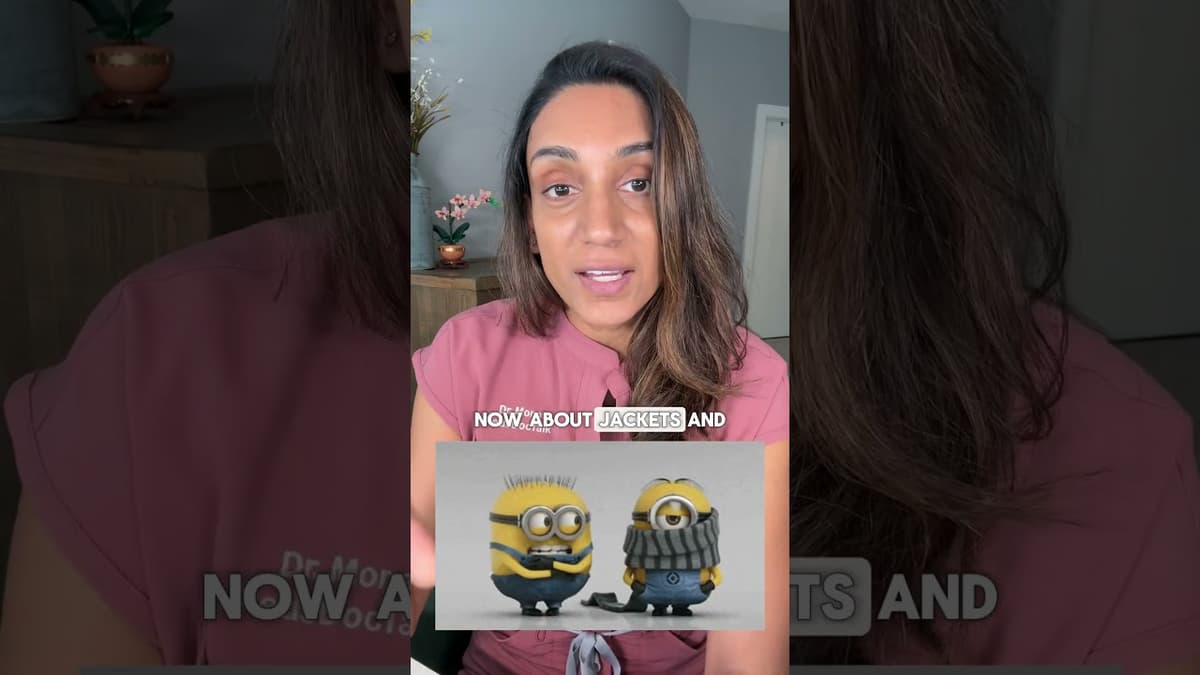
Does Cold Weather Make You Sick?
The video tackles the common belief that cold weather makes children sick, clarifying that viruses—not low temperatures—are the true cause of respiratory infections. It explains that colder months bring drier indoor air, which can dry out nasal passages and reduce their...
By PedsDocTalk (Dr. Mona Amin)
Video•Feb 26, 2026
Why Kids Lie (It’s Not What You Think)
The video tackles a common bedtime scene—children pretending to brush their teeth—to illustrate why kids lie and how parents can respond. It argues that childhood falsehoods are rarely calculated deceptions; instead, they serve as shortcuts to avoid an uncomfortable task...
By PedsDocTalk (Dr. Mona Amin)