
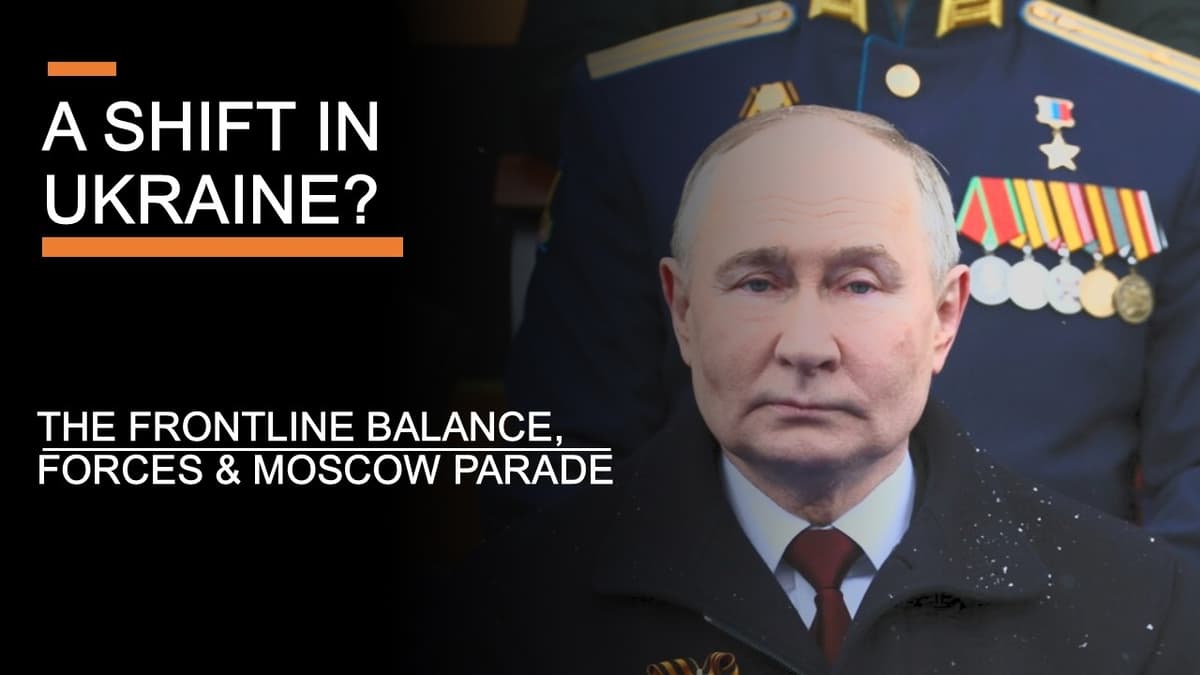
A Shift In Ukraine? - The Frontline Balance, Forces & Moscow Parade
The video examines how public narratives about the Ukraine war can outpace battlefield realities, using the 2026 Russian Victory Day parade as a barometer. The author notes the parade’s unprecedented downscaling and the accompanying short‑term ceasefire, suggesting a shift in Russian confidence. Key data points include Putin’s statement that the parade omitted heavy equipment to focus on defeating the “enemy,” a stark contrast to the lavish displays of 2023‑2025. The ceasefire yielded a 1,000‑for‑1,000 prisoner exchange and a brief lull in fighting, after which Russia launched a massive drone‑missile barrage, indicating the pause was tactical rather than conciliatory. The analysis highlights Russian manpower trends: Ukrainian claims of 156,000 Russian casualties between Dec 2025‑Apr 2026 versus roughly 148,000 new recruits, implying a net loss. Earlier expansion plans—adding 170,000 troops to create new armies—now appear unsustainable if recruitment cannot outpace attrition. The reduced foreign presence at the parade, notably the absence of Chinese troops, reinforces the perception of Russian strain. These indicators suggest Ukraine may be gaining a strategic edge, especially in the drone‑centric tech race, while Russia’s ability to replenish forces wanes. The narrative shift could influence Western aid decisions, diplomatic posturing, and the broader information war that underpins the conflict’s outcome.
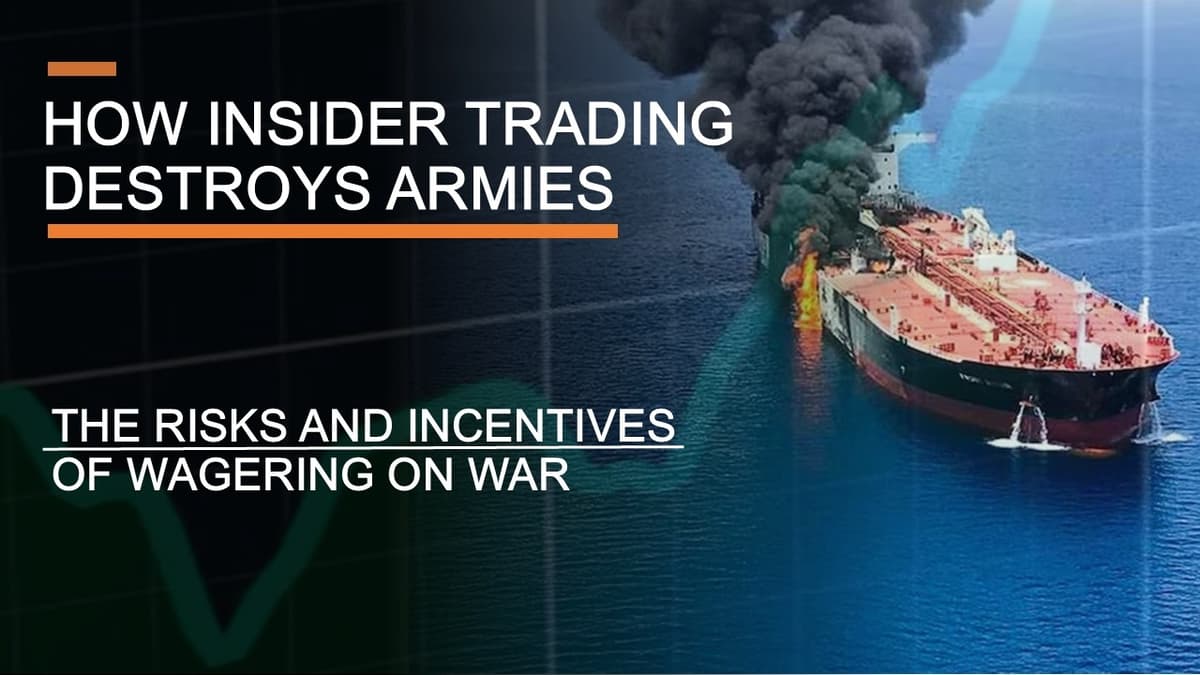
Wagering on War - How Insider Trading Destroys Armies
The video examines how war‑time intelligence can be weaponized for personal profit, turning geopolitical events into high‑stakes wagers. It argues that the convergence of privileged information, modern prediction markets, and sophisticated financial instruments creates a fertile ground for insider trading...
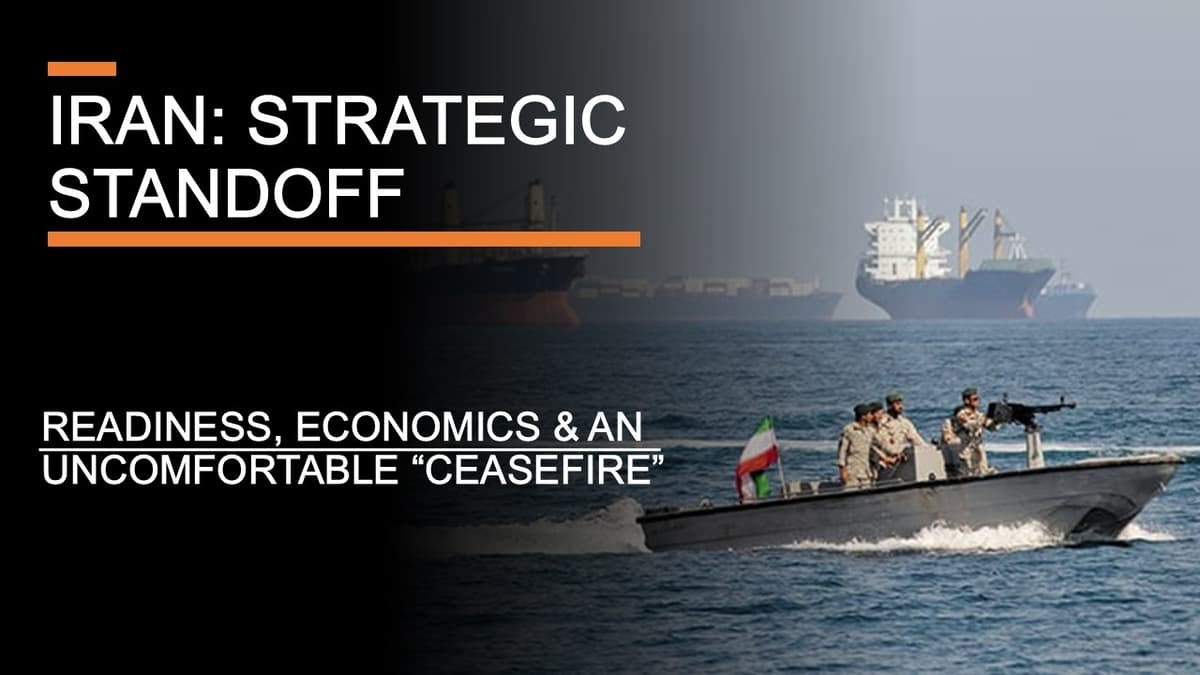
Iran: Strategic Standoff - Readiness, Economics & an Uncomfortable "Ceasefire"
The video examines the uneasy cease‑fire that has left the Middle East in a state of strategic purgatory: air attacks have paused, but naval skirmishes, blockades and soaring oil prices persist. It outlines how the United States is motivated to...

How Will the Iran War Reshape Arms Exports? - Missile Consumption, Emergency Sales & the Supply Gap
The video examines how the recent Iran‑Israel war is reshaping the global arms market, focusing on explosive missile consumption, emergency sales, and a widening supply gap. After Russia’s exit from the market following its 2022 invasion of Ukraine, the United...

Global Arms Exports - Trends, Winners & Losers of the Race to Rearm in 2025
The video dissects the 2025 global arms export landscape, highlighting how a modest 2.5% real‑term rise in defense spending translated into stark regional disparities. Europe emerged as the primary spender, allocating a record $563 billion, with Germany roughly doubling its budget...
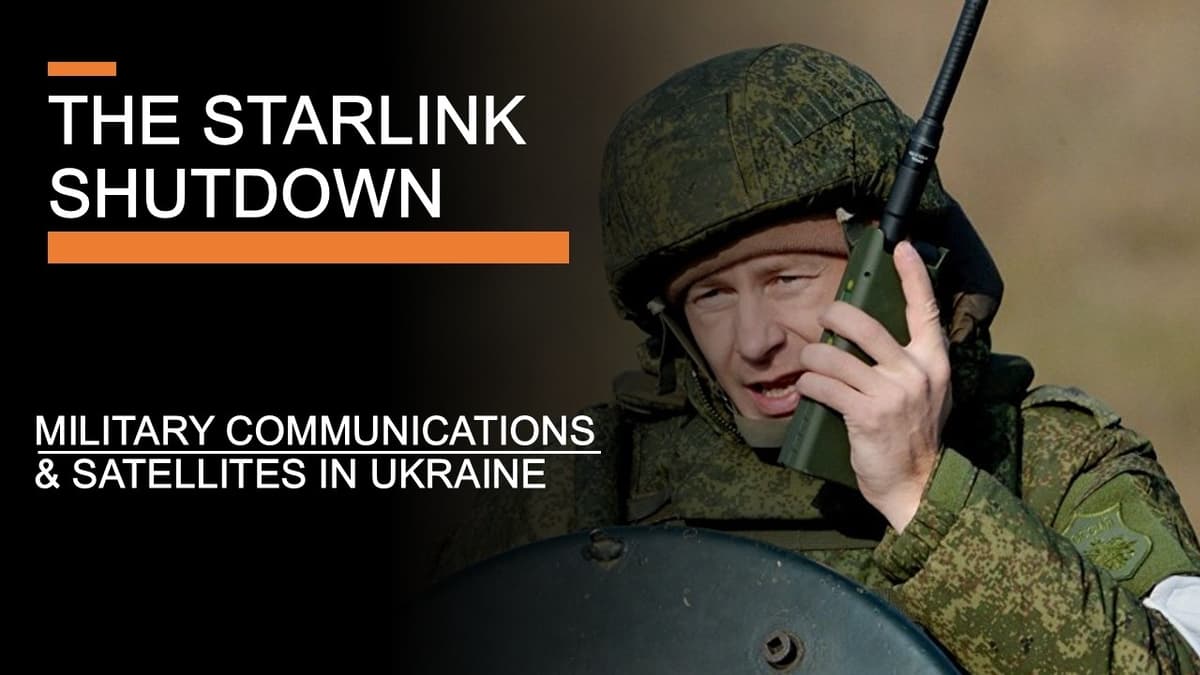
The Starlink Shutdown - Russian Military Communications, Corruption & Satellites in Ukraine
The video examines the abrupt shutdown of Starlink terminals in Ukraine and the ripple effect on Russian forces that had come to depend on the civilian satellite network for command, control, and drone operations. It frames the episode as a...