
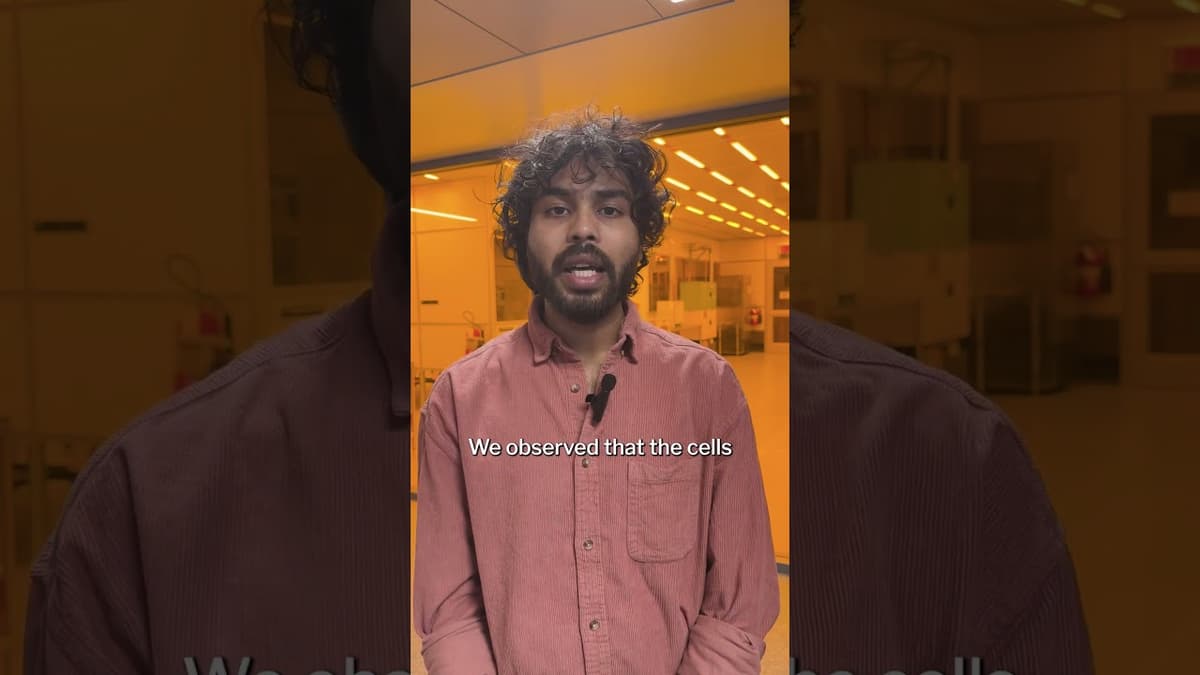
Using Brain Cells to Do Computation
Dr. Kumar J, a Princeton postdoctoral researcher, together with Prof. Jim Sturm and Prof. Tianming Fu, unveiled a three‑dimensional (3D) neural culture system that integrates brain cells with a matching 3D electrode array. The platform enables continuous electrophysiological monitoring of living neural networks over extended periods, offering unprecedented spatial and temporal resolution. Over a six‑month experimental window, the team observed dynamic rewiring of synaptic connections as the cultured tissue was repeatedly stimulated. By presenting patterned inputs, the neurons gradually improved their ability to recognize those patterns, demonstrating a form of learning analogous to biological plasticity. The researchers are now scaling the approach to tackle more complex computational tasks. A key illustration from the study is the measurable increase in classification accuracy after successive training cycles, confirming that the biocomputer can adapt its internal wiring to optimize performance. The authors highlight the system’s dual utility: as a prototype for ultra‑efficient, brain‑inspired computing hardware and as a living testbed for probing mechanisms underlying neurodegenerative disorders such as Alzheimer’s and Parkinson’s. If refined, this technology could bridge the gap between neuromorphic engineering and genuine biological computation, delivering low‑power processing capabilities while providing a novel platform for long‑term disease modeling and drug screening.
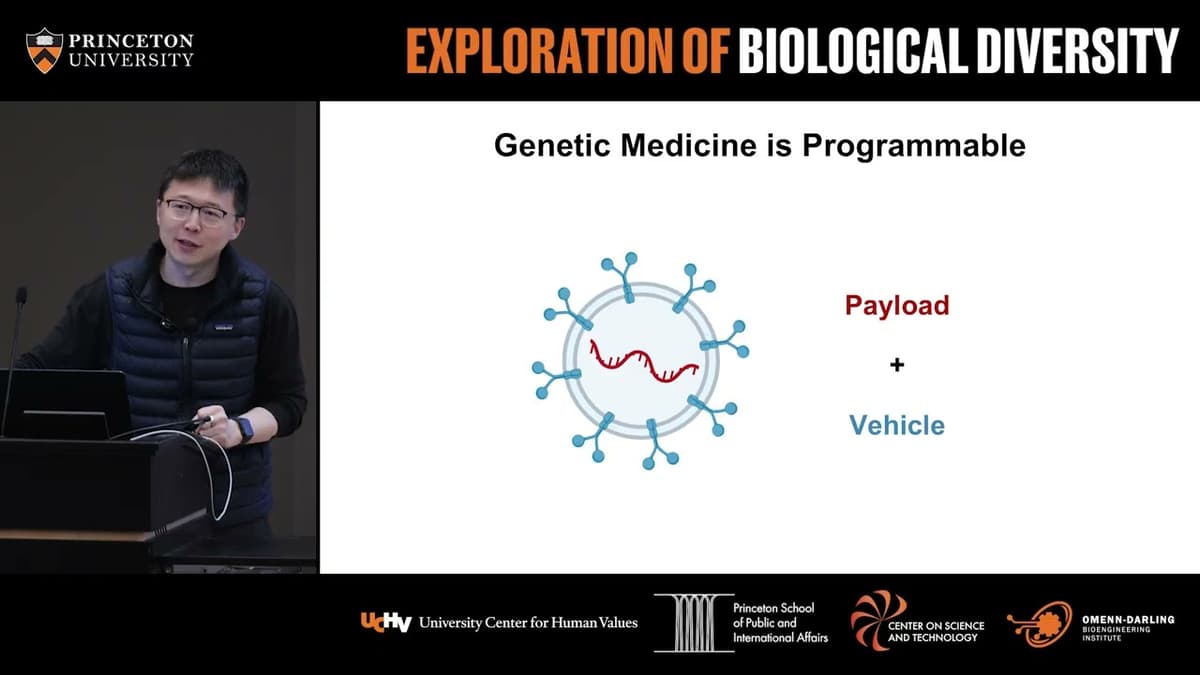
Omenn-Darling Bioethics Lecture 2026: Feng Zhang
The fourth Omenn‑Darling Bioethics Lecture at Princeton featured Feng Zhang, a leading architect of CRISPR technology, to explore the ethical and policy dimensions of today’s rapidly evolving genetic‑medicine landscape. Zhang framed bioengineering as a programmable, modular system composed of...
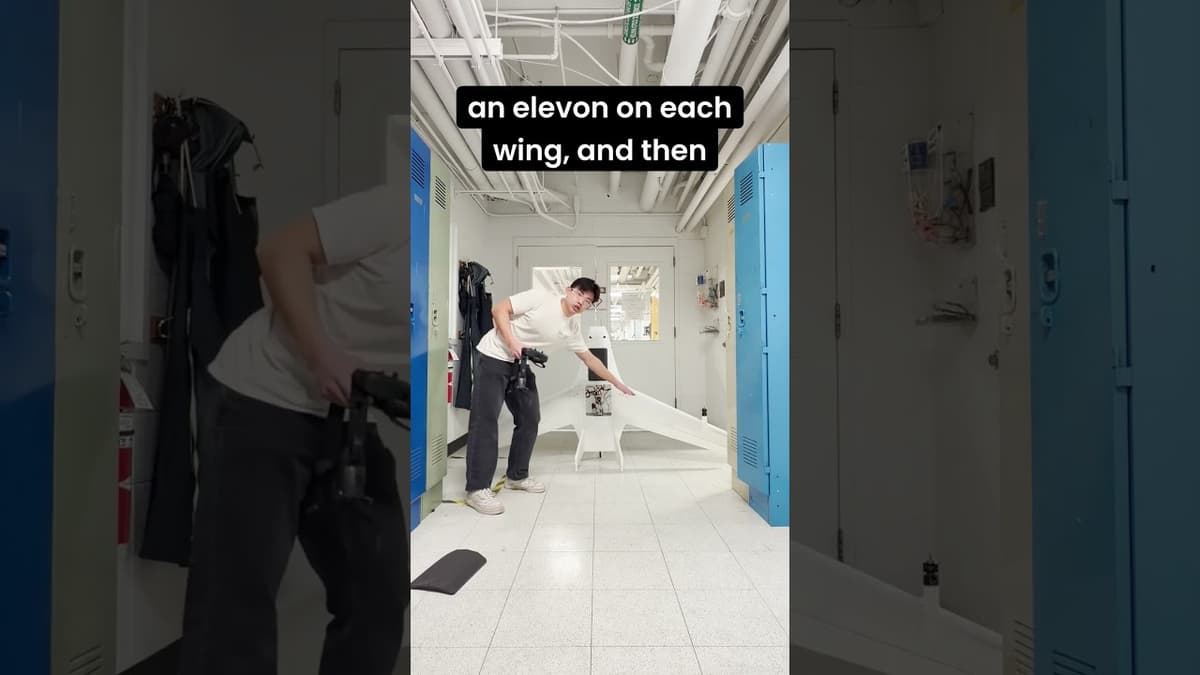
Alexander Liou's Blended-Wing Body Aircraft Senior Thesis Project
Alex Liou, a senior in mechanical and aerospace engineering, presented his thesis project: a blended‑wing‑body unmanned aircraft designed to transport a 1 kg blood product or plasma payload up to 24 km to frontline medics. The UAV combines vertical take‑off and landing...

Training Workers to Make the Next Generation of Computer Chips
The video spotlights a partnership between Princeton University’s Materials Institute and Mercer County Community College to build a virtual‑reality digital twin of a semiconductor packaging lab. The immersive simulator replicates the wafer lamination machine and other advanced equipment, allowing students...