
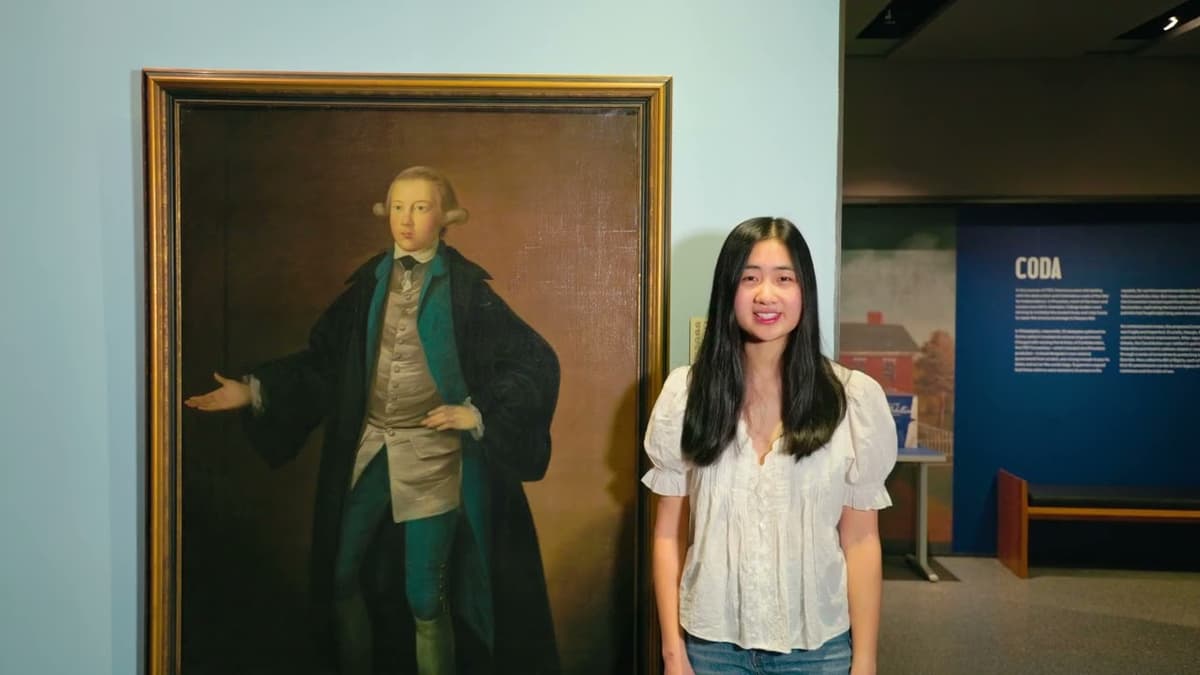
Princeton Graduate Student Novia Liu on James McCulloch, Class of 1773
Princeton’s “Nursery of Rebellion” exhibit spotlights James McCulloch, the sole surviving portrait of an 18th‑century North American undergraduate in academic robes. The oil painting captures the 16‑year‑old scholar mid‑oration, symbolizing the era’s emphasis on public speaking as a measure of intellect. McCulloch’s class of 1773 arrived as the College of New Jersey transformed into a hotbed of colonial resistance. Earlier cohorts had pledged to wear American‑made gowns and delivered speeches on “Independence of Spirit” and “The Advantages of Political Liberty,” signaling a growing revolutionary consciousness among students. The exhibit notes that trustees eventually intervened, demanding speech drafts for correction and threatening to withhold degrees from those who spoke out of turn. This censorship underscores the tension between academic freedom and colonial authority. By foregrounding a single student’s image, the display illustrates how Princeton helped incubate the ideas that fueled the American Revolution, offering visitors a tangible link between education and early nation‑building.

How Can Wild Plants Help Prevent Crop Loss?
The video examines how wild plant genetics can help curb the roughly 20% annual crop loss caused by pests and pathogens, focusing on a multi‑year study of flax and its rust pathogen across the Rocky Mountains. Researchers tracked the epidemic over...