Video•Mar 7, 2026
When Someone Has Suffered Too Much, They Start Doing This
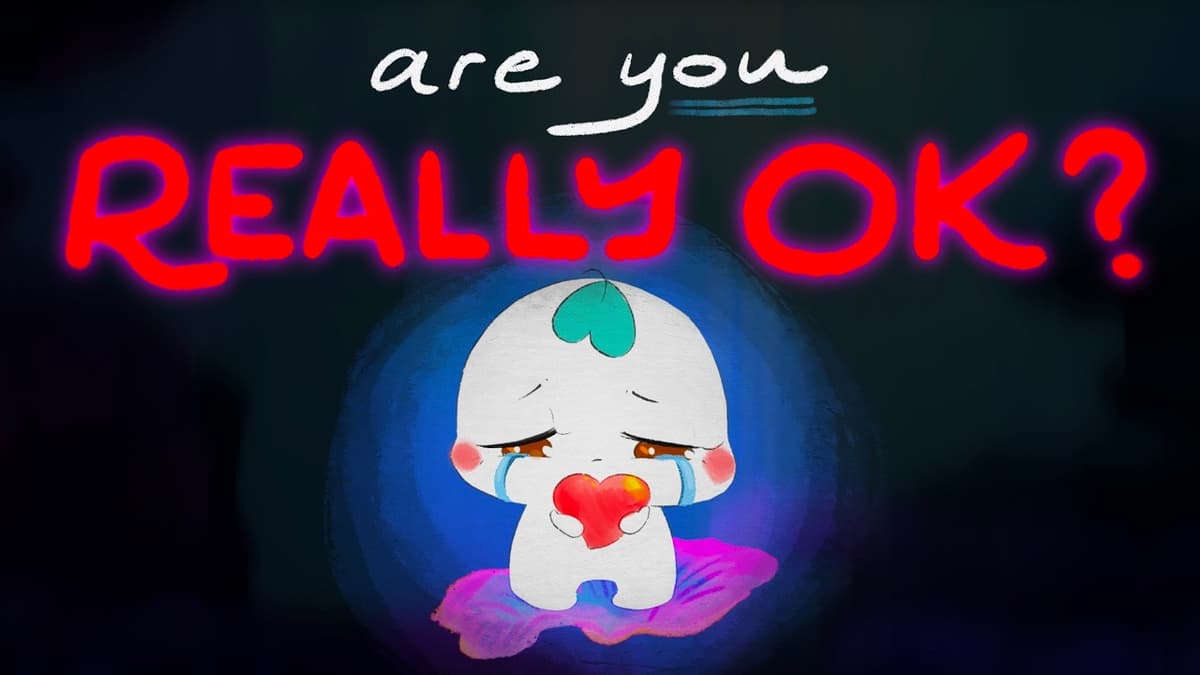
The video explores why many people habitually answer “I’m fine” even when they are emotionally exhausted, framing the behavior as a survival‑driven coping strategy rather than simple dishonesty. It highlights how repeated expectations to be the strong one can turn the “okay” persona into a role, rewiring the nervous system to prioritize action over feeling.
Key insights include the hidden cost of chronic denial: emotions are not eliminated, they merely quiet down and later erupt as irritability, disconnection, or sudden emotional crashes. The narrator explains that past dismissal or hurt teaches the brain that vulnerability is unsafe, prompting intellectualization and self‑reliance instead of seeking support.
The video uses relatable examples—answering “I’m fine” without thinking, comparing oneself to others who “have it worse,” and noting the loneliness that follows minimization. It also references practical tools: guided meditations, grounding videos, and a partnership with BetterHelp, while crediting animator Rose Lamb for the visual storytelling.
Implications are clear: small, honest self‑checks can replace the performance of resilience, and accessing therapeutic resources can help individuals sit with their feelings safely. By normalizing vulnerability, the content encourages viewers to break the default of pretending, fostering healthier mental‑health habits and reducing the risk of burnout or crisis.