
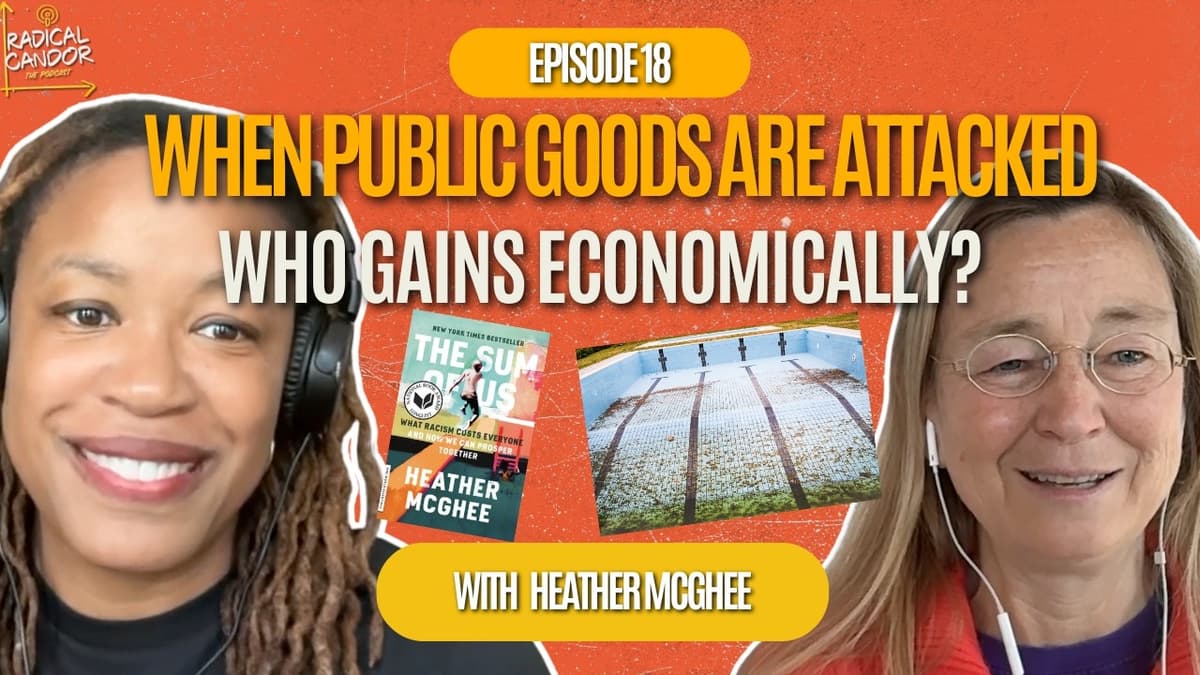
Heather McGhee - The Sum of Us - S8 | E18
The podcast features Heather McGhee discussing her book The Sum of Us, which argues that America’s deep‑seated economic inequality is rooted in a racial bargain forged after Bacon’s Rebellion. That 1676 uprising of enslaved Africans and landless white indentured servants terrified the colonial elite, prompting laws that codified a racial caste system and a bargain that granted whites limited privileges in exchange for enforcing segregation. McGhee explains how this historic pact created a zero‑sum narrative: progress for people of color is portrayed as a threat to white prosperity. She illustrates the logic with vivid examples, from the draining of integrated public swimming pools to the shift in higher‑education funding that turned colleges from public goods into debt‑laden private responsibilities. The book shows how these stories are deliberately sold by economic elites to preserve power and prevent collective action on policies such as a higher minimum wage, universal child care, or green‑job programs. Key anecdotes include the “public‑pool metaphor,” where municipalities chose to destroy shared amenities rather than integrate them, and the personal memory of a 1976 pool in Memphis being drained after a Black child was asked to leave. McGhee also cites data showing state support for public colleges fell to 26 cents on the dollar, forcing tuition hikes and a trillion‑dollar student‑debt crisis, a direct outcome of the racialized, anti‑government rhetoric that frames public investment as a zero‑sum loss. The conversation concludes that dismantling the entrenched narrative and reframing the story of race and class can unlock broad‑based prosperity. By recognizing racism’s universal economic cost, policymakers and citizens can build coalitions that demand public goods, equitable education funding, and climate action, moving the United States toward a more inclusive, shared future.
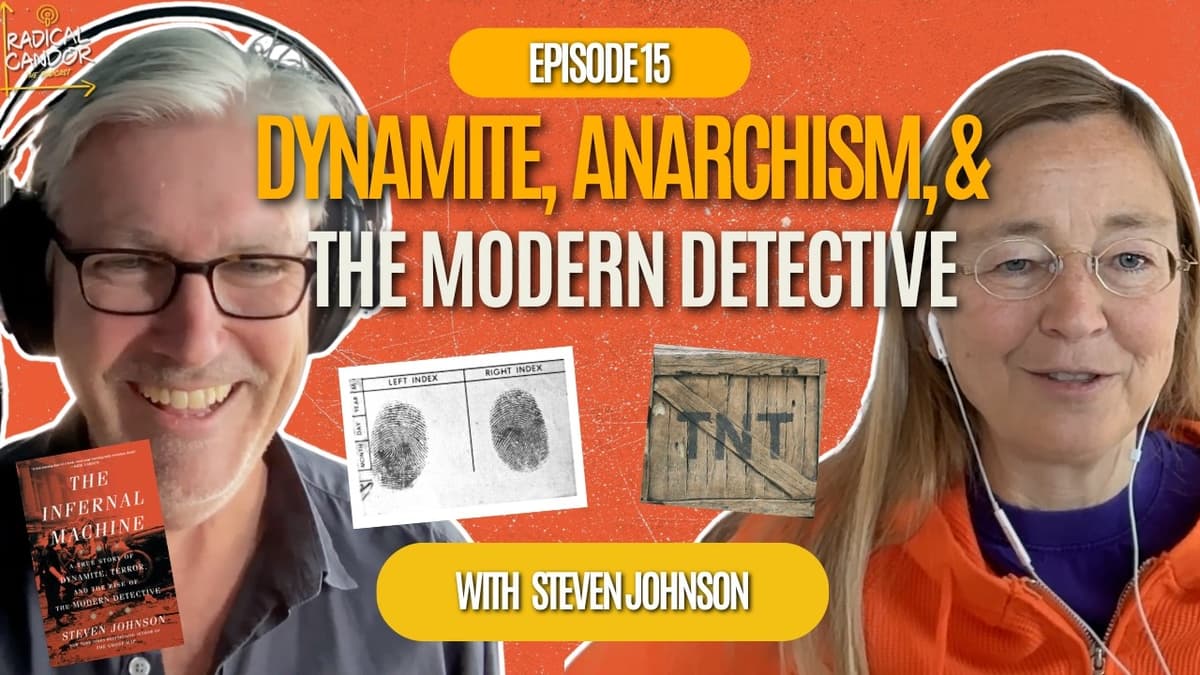
Steven Johnson - The Infernal Machine
Steven Johnson discusses his new book, *The Infernal Machine*, which uncovers a forgotten era of political bombings in early‑20th‑century New York City and ties it to the evolution of modern policing and radical thought. The narrative weaves three strands—Joseph...
Closing the Trust Gap A Conversation with Kim Scott and Jason Rosoff
The video features Kim Scott and Jason Rosoff discussing their “Trust Gap” report, which surveyed roughly 600 employees to uncover why honest feedback is scarce in today’s tense economic and political climate. Findings show 46% of executives cite lack of candid...
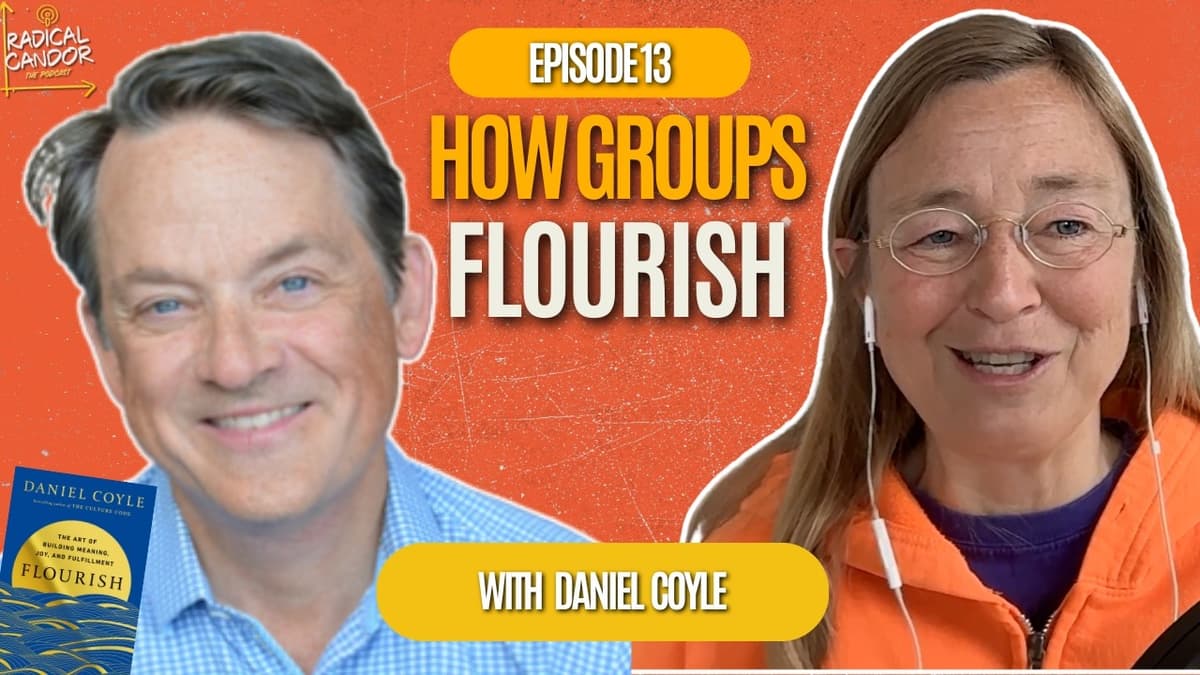
Daniel Coyle - Creating Teams that Flourish
In a candid conversation on the Radical Sobatical podcast, Daniel Coyle expands on his new book *Flourishing* and argues that modern leadership must shift from command‑and‑control tactics to nurturing living systems. He contrasts the predictability of machines with the organic,...
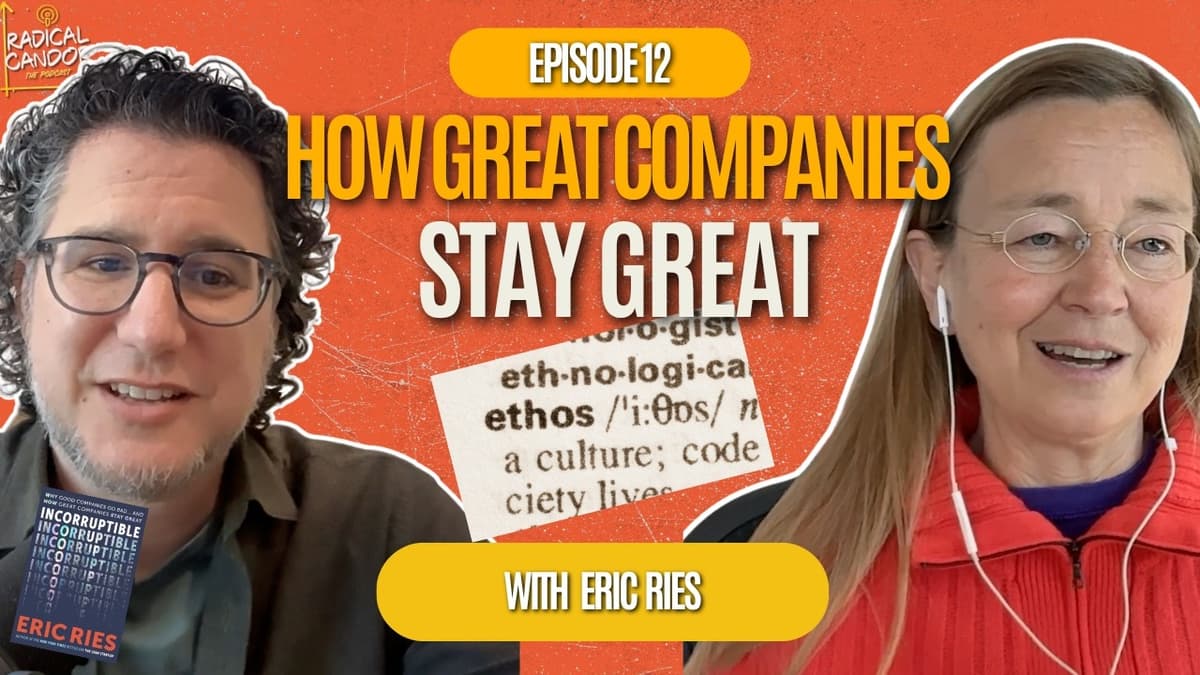
Eric Ries - How Great Companies Stay Great S8 | E12
In the Radical Sobriety podcast, Eric Ries discusses his new book Incorruptible: Why Good Companies Go Bad and How Great Companies Stay Great. The conversation centers on the paradox that firms built on lean, innovative principles can later succumb to...
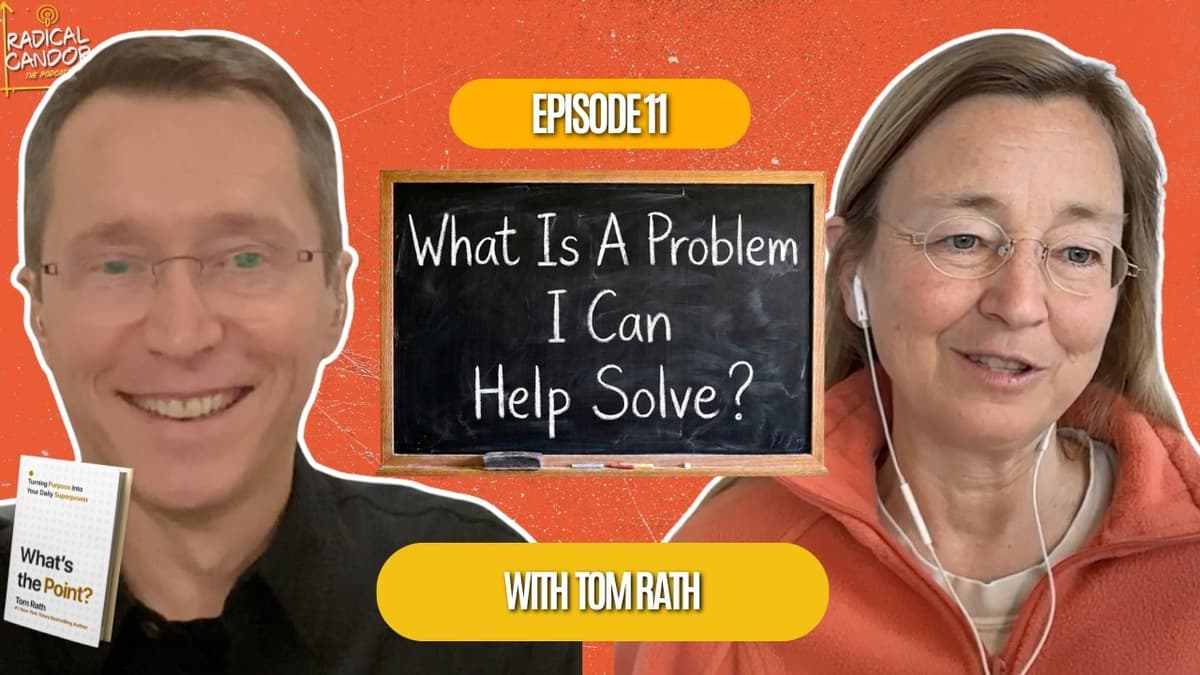
What Is a Problem I Can Help Solve?
In this episode of the Radical Sabbatical, host Kim Scott interviews Tom Raph, author of the upcoming book What’s the Point?. The conversation pivots around a critique of the conventional advice to “follow your passion” and instead proposes that meaningful work...
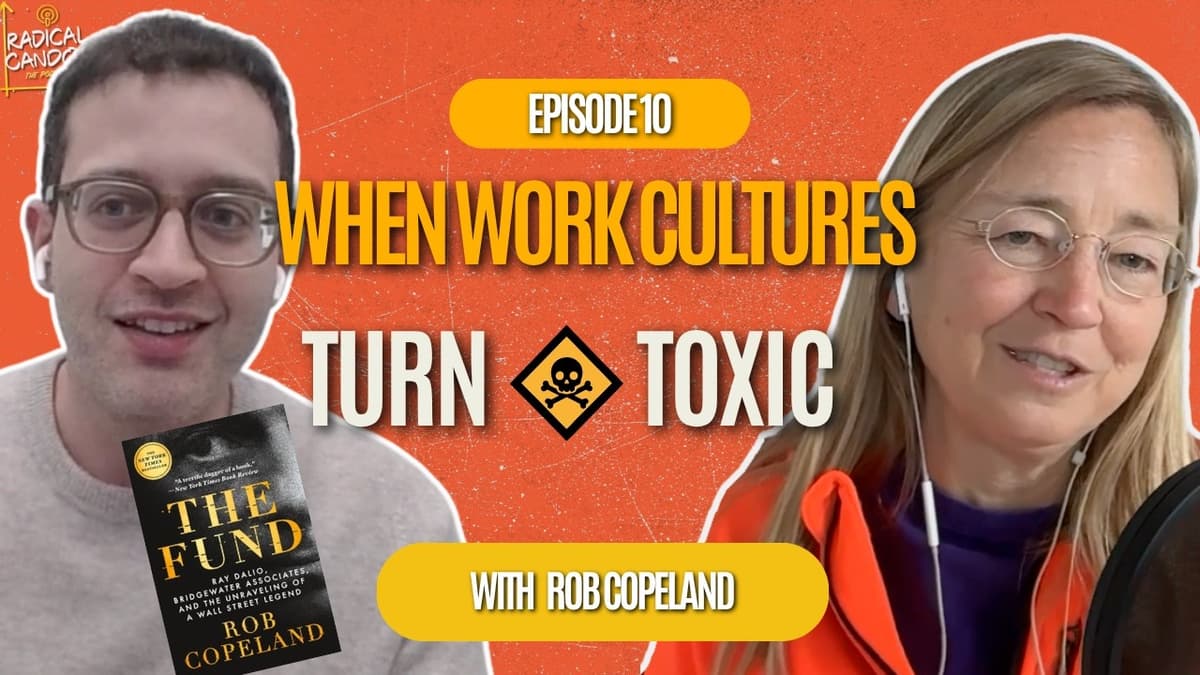
The Fund - an Interview with Rob Copeland
In this interview, author Rob Copeland discusses his book *The Fund*, which pulls back the curtain on Bridgewater Associates and its founder Ray Dalio’s proclaimed culture of radical transparency. Copeland recounts vivid anecdotes—from a urinal‑spill investigation that prompted a firm‑wide...
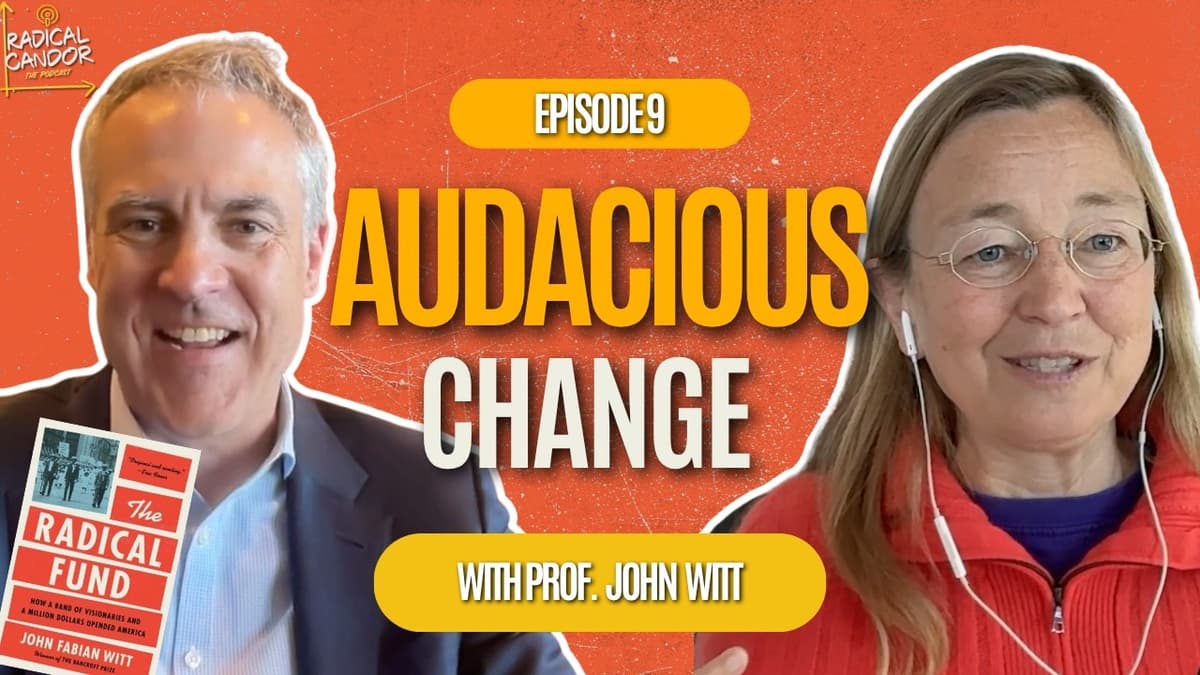
How to Remake America
The podcast centers on John Wit’s book *The Radical Fund*, which chronicles a little‑known philanthropic foundation active from 1922 to 1941. The foundation funneled modest resources into landmark civil‑rights, free‑speech, and labor initiatives that helped shape mid‑century America. Wit details...

Revolt of the Rich
The podcast interview centers on David Gibbs’s book “Revolt of the Rich,” which argues that 1970s oil politics deliberately widened America’s class divide. Host Kim Scott frames the discussion around today’s fuel‑price anxiety and asks why President Nixon appeared to...

Rethinking Authenticity and What to Do Instead with Dr. Tomas Chamorro-Premuzic 8|5
The video showcases a hands‑on demonstration of OpenAI’s Whisper speech‑to‑text model deployed on Google Cloud’s Vertex AI platform. Alex, a solutions architect at AWS, walks viewers through connecting a Google Cloud project, specifying the model’s endpoint ID, and running a...

Why We Don’t Do What We Know We Should: Beliefs, Habits, and AI Practice with Nir Eyal 8|4
The video walks viewers through preparing a classic French omelette, emphasizing that success hinges on a few simple ingredients and precise technique rather than elaborate equipment. Eyal demonstrates using three fresh eggs, a knob of butter, and a pinch of salt...