
Recent Posts
Video•Feb 12, 2026
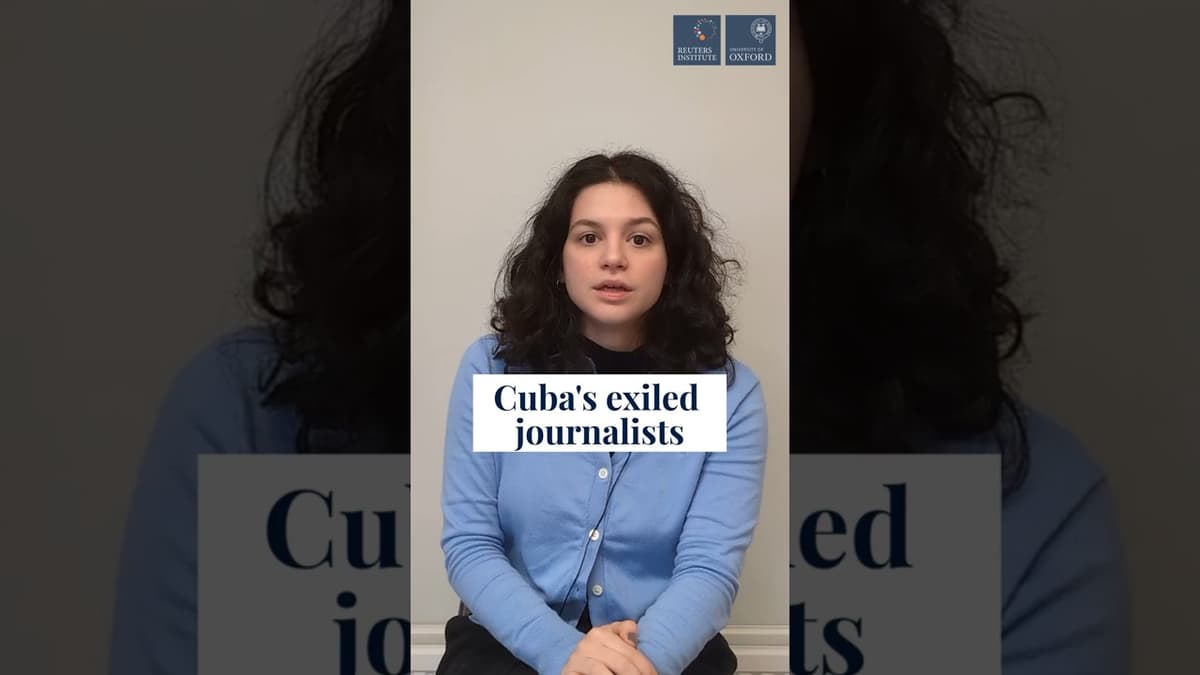
Cuba's Exiled Journalists
Cuba continues to rank as the worst country for press freedom in Latin America and among the lowest globally, a status cemented by a constitution that declares all news media state property, effectively outlawing independent journalism. The regime’s crackdown has forced hundreds of journalists to flee, while those who stay face surveillance, harassment, imprisonment and occasional attacks. Reuters Institute journalist Gretel Khan interviewed four exiled Cuban reporters, who described systematic pressure on them and their families, and a severe funding crunch that mirrors the broader crisis in global journalism. Despite exile, the journalists say they are “physically displaced but editorially undeterred,” maintaining clandestine networks inside Cuba to source stories. They operate from abroad, leveraging digital tools to bypass state censorship, yet struggle with dwindling financial resources and limited access to reliable local contacts. Their work remains vital for informing Cuban citizens and sustaining democratic resistance, highlighting the need for international funding and diplomatic pressure to protect press freedom and ensure a flow of independent information into the island.
By Reuters Institute (Oxford)
Video•Feb 9, 2026
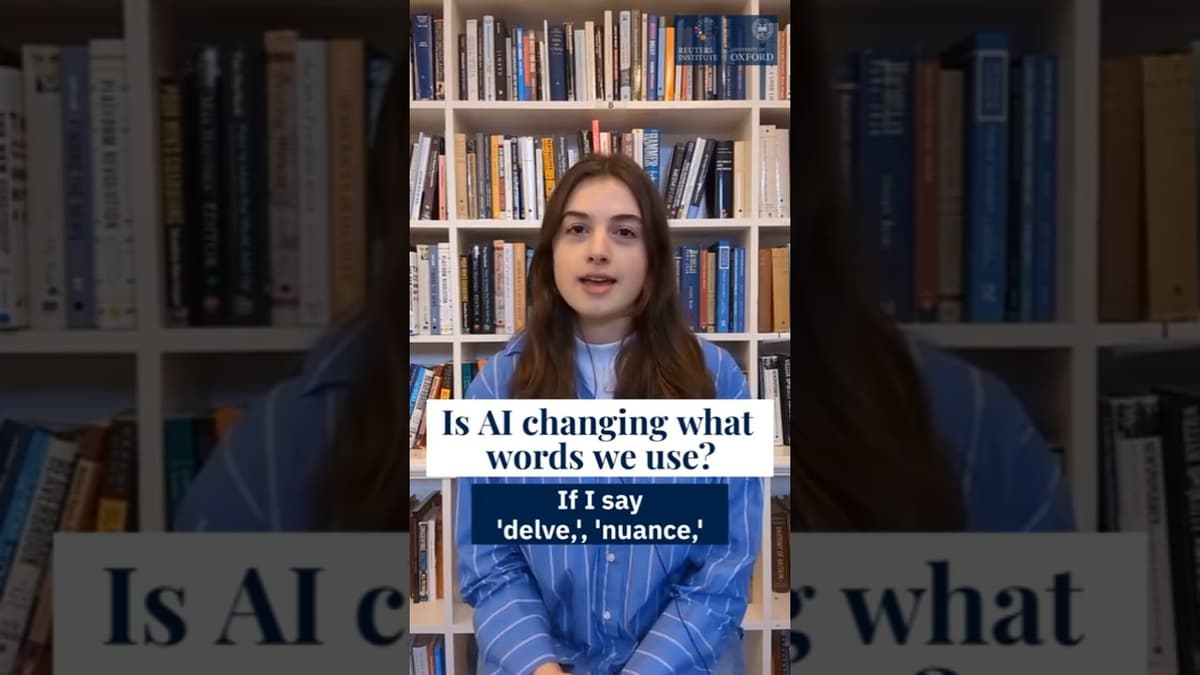
Is AI Changing the Language We Use?
The video examines whether large language models are reshaping everyday English, focusing on a handful of “polished” terms—delve, nuance, navigate—that have become shorthand for AI‑generated text. Reuters Institute journalist Marina Adami cites linguistic studies showing LLMs indeed favor these words more...
By Reuters Institute (Oxford)